Cirugía cardíaca en España: las 14 mejores clínicas con opiniones de pacientes

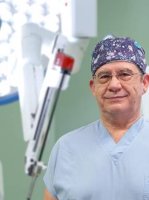
Revisado médicamente por
Hasim Ustunsoy
¿Cuál es el precio de procedimientos de Cirugía cardíaca en España? Descubra ahora
La cirugía cardíaca en España suele costar entre $26,600 y $45,400. El precio total depende del tipo de procedimiento, la complejidad del caso y el hospital y la tecnología específicos utilizados. Los pacientes que eligen atención cardíaca privada en España a menudo pueden encontrar ahorros de aproximadamente el 75% en comparación con los EE. UU.
Costos típicos de cirugía cardíaca en España
- Chequeo cardíaco: Precio a consultar
- Consulta con un cirujano cardíaco: de $560
- Cirugía a corazón abierto: Precio a consultar
- Bypass coronario: de $28,100
- Implantación de válvula aórtica transcatéter (TAVI): Precio a consultar
- Reemplazo de válvula cardíaca: de $44,800
- Stent coronario: de $11,000
- Instalación de marcapasos cardíaco: de $33,600
- Cirugía de aneurisma aórtico: Precio a consultar
- Ablación por radiofrecuencia: de $22,400
Los principales centros médicos para procedimientos cardíacos incluyen Barcelona y Madrid, con centros como el Centro Médico Teknon y Quirónsalud. Consulte con un especialista para obtener precios precisos para su condición específica y para comprender qué cubren los paquetes individuales.
Todas las enfermedades de Cirugía cardíaca
Sus beneficios y garantías con Bookimed
Precios directos
Bookimed no añade cargos extra a los precios de los tratamientos de Cirugía cardíaca. Las tarifas proceden de las listas de precios oficiales de las clínicas. Pagará directamente en la clínica por su tratamiento a su llegada al país.
Sólo clínicas y médicos verificados
Bookimed está comprometido con su seguridad. Solo trabajamos con las clínicas que mantienen altos estándares internacionales en el tratamiento de Cirugía cardíaca y tienen las licencias necesarias para atender a pacientes internacionales en todo el mundo.
Asistencia 24/7 gratuita
Bookimed ofrece asistencia experta gratuita. Un coordinador médico personal le apoya antes, durante y después del tratamiento, resolviendo cualquier problema. Nunca estará solo en su viaje médico de procedimientos de Cirugía cardíaca.

Su coordinador médico personal de Bookimed
- Le apoya en cada etapa
- Ayuda a elegir la clínica y el médico adecuados
- Asegura un acceso rápido y conveniente a la información
Descubra las mejores clínicas de Cirugía cardíaca en España: 14 opciones verificadas y Precios









Hospital Sant Joan de Déu Barcelona












Los mejores centros médicos de Cirugía cardíaca en España
- Centro Médico Teknon, España
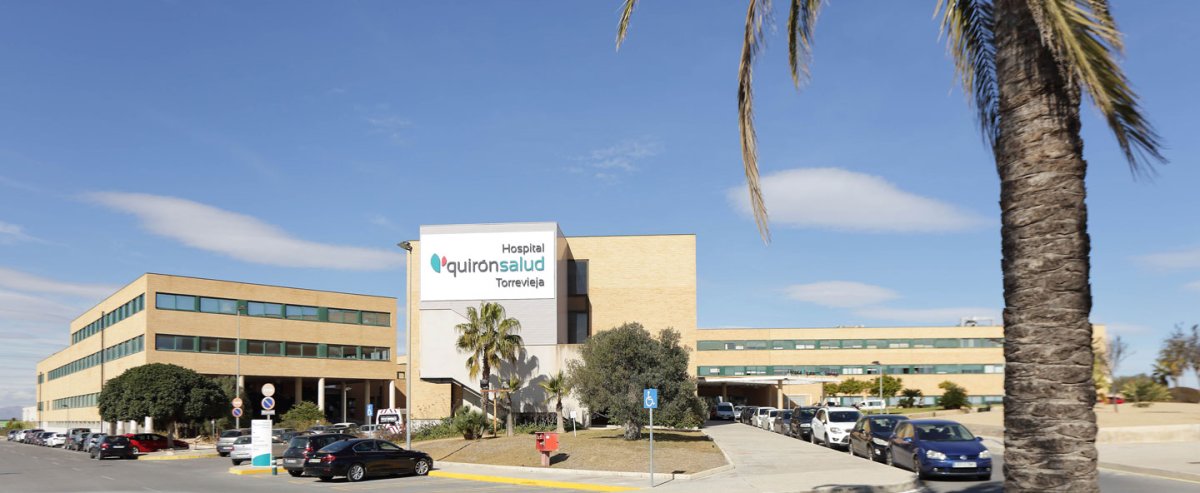
- Quironsalud Torrevieja, España
- Quironsalud Madrid, España
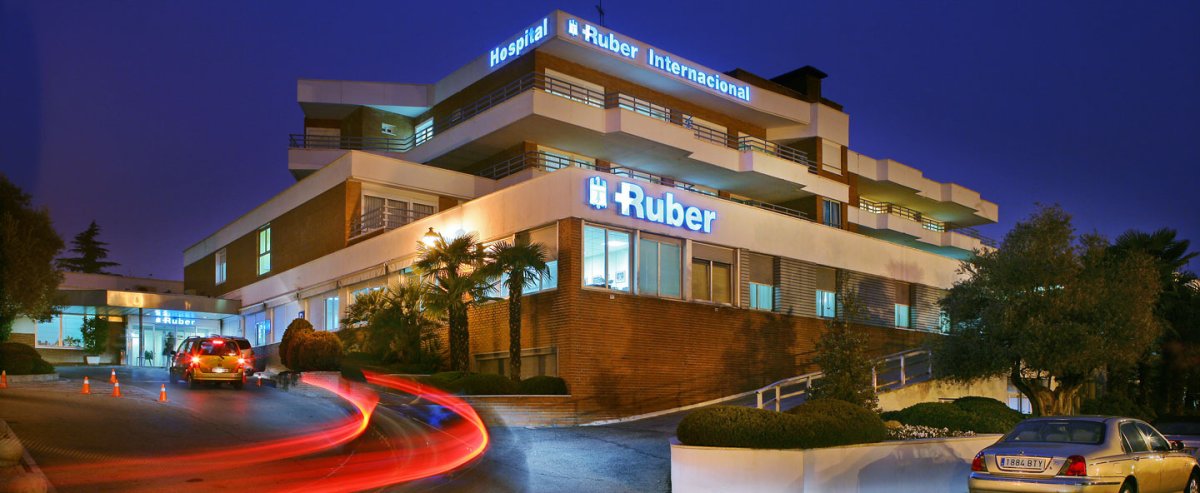
- Hospital Ruber Internacional, España
- Hospital Sant Joan de Déu Barcelona, España
- Hospital Quiron Barcelona, España
- Clínica Granado Tiagonce, España
- Hospital Universitario HM Madrid, España
- Clinica Universidad de Navarra (Navarra Hospital), España
- Hospital HM Nou Delfos, España
Obtenga una evaluación médica de Cirugía cardíaca en España: haga una consulta con 14 médicos experimentados ahora
Ver todos los médicos
Xavier Ruyra Baliarda
Uno de los especialistas líderes en el mundo en el procedimiento de Ross: el Dr. Ruyra Baliarda ha realizado más de 5,000 cirugías cardíacas exitosas.
- Más de 35 años de experiencia en cirugía cardíaca
- Inventor de 3 tecnologías patentadas para la reparación de la válvula mitral
- Especializado en cirugía cardíaca mínimamente invasiva y sin sangre
- Jefe de la Unidad de Cirugía Cardíaca del Instituto del Corazón Teknon

Josep Brugada
El Prof. Brugada descubrió el síndrome de Brugada, una afección genética vinculada a la muerte súbita cardíaca, y ha realizado más de 25.000 ablaciones cardíacas.
- Especialista en arritmias, fibrilación auricular y casos pediátricos
- Ex Presidente de la Asociación Europea del Ritmo Cardíaco (EHRA)
- Ha publicado más de 350 artículos sobre tratamientos cardíacos
- Lidera misiones humanitarias para tratar a niños en África

Juli Carballo Garrido
El Dr. Juli Carballo Garrido realiza más de 1.000 procedimientos cardíacos al año y se especializa en la implantación de stents coronarios e intervenciones de la válvula mitral en el Centro Médico Teknon.
- Más de 30 años de experiencia en cardiología intervencionista
- Amplia trayectoria de publicaciones sobre lesiones de bifurcación coronaria y oclusiones crónicas
- Doble acreditación en cardiología intervencionista por la Sociedad Española de Cardiología
- Miembro de las sociedades cardíacas europea y española

Raul Felipe Abella
Más de 5.000 operaciones cardíacas con una tasa de supervivencia del 98,2% – El Dr. Abella lidera la atención cardíaca en el Centro Médico Teknon.
- Especializado en cardiopatías congénitas en niños y adultos
- Graduado por la Universidad La Sapienza con formación en Francia, Suiza y EE. UU.
- Ha publicado más de 200 artículos sobre cirugía cardiovascular
- Ha desarrollado 3 programas de cirugía cardiovascular en todo el mundo
Reseñas
Todas las reseñas

Artículos relacionados

¿Cuánto cuesta el aneurisma de aorta torácica?
Escrito por Veronika Kazina
Compartir contenido
Historias en video de pacientes de Bookimed
 Olena Sikoza
Preguntas frecuentes sobre Cirugía cardíaca en España
¿Qué acreditaciones reconocidas nacional e internacionalmente poseen los centros de cirugía cardíaca españoles?
Los centros de cirugía cardíaca españoles poseen prestigiosas certificaciones globales y nacionales que validan su seguridad y calidad quirúrgica. Las instituciones líderes mantienen la acreditación de la Joint Commission International (JCI) y las normas ISO 9001. Muchas clínicas también aparecen en los rankings de los mejores hospitales especializados del mundo de Newsweek por su excelencia cardiovascular e innovación clínica.
- Joint Commission International: El estándar de oro para la seguridad, que poseen centros como el Centro Médico Teknon y la Clínica Universidad de Navarra.
- Certificación ISO 9001: Garantiza procesos clínicos estandarizados en instalaciones como el Hospital Ruber Internacional y Quirónsalud Madrid.
- Modelo de excelencia EFQM: Reconoce la gestión organizacional de alto nivel en HM Hospitales y el Centro Médico Teknon.
- Ranking mundial de Newsweek: Distingue a centros como Quironsalud Madrid y SJD Barcelona por sus indicadores de rendimiento especializados.
Opinión del experto de Bookimed: Las clínicas con gran volumen de pacientes a menudo poseen múltiples certificaciones superpuestas para atender a tipos de pacientes específicos. Por ejemplo, la Clínica Universidad de Navarra fue la primera en España en recibir la acreditación JCI y trata a más de 140.000 pacientes al año. Este volumen les permite mantener certificac
¿Cuáles son las tasas de complicaciones y éxito para el CABG aislado y para el CABG combinado con cirugía valvular en España?
El CABG aislado en España mantiene una tasa de éxito del 97% con una mortalidad hospitalaria media del 3,0%. Las cirugías combinadas de CABG y válvulas presentan una mayor complejidad. Estos procedimientos suelen mostrar tasas de mortalidad entre el 3,3% y el 6,5%. Los centros españoles especializados reportaron una tasa de complicaciones del 8,3% para los casos de bypass aislado.
- Tasas de éxito: El éxito del CABG aislado supera el 97%. Los procedimientos combinados reportan un éxito del 93,5% al 96,7%.
- Complicaciones principales: La fibrilación auricular afecta al 30% de los pacientes. La insuficiencia respiratoria ocurre en el 22% de los casos combinados.
- Seguridad neurológica: Las tasas de accidente cerebrovascular se mantienen bajas, entre 0,9 y 1,2%, para las cirugías de bypass aislado en España.
- Control de infecciones: Las infecciones del sitio quirúrgico ocurren en el 3,8% de los casos. Los problemas de heridas profundas son del 0,9%.
Perspectiva del experto de Bookimed: Los centros españoles con mayores volúmenes anuales, que generalmente superan los 155–200 casos, muestran una mortalidad ajustada al riesgo un 17% menor. Hospitales como el Centro Médico Teknon y la Clínica Universidad de Navarra aprovechan los altos volúmenes de pacientes para refinar la precisión quirúrgica. Los datos indican que elegir estas instalaciones a gr
¿Qué técnicas de cirugía cardíaca se utilizan habitualmente en España?
La cirugía cardíaca en España se centra en técnicas mínimamente invasivas y transcatéter para la reparación de válvulas cardíacas y la revascularización coronaria. Los cirujanos realizan habitualmente procedimientos asistidos por robot utilizando el sistema da Vinci. Hospitales como el Centro Médico Teknon utilizan protocolos avanzados como el procedimiento de Ross y el bypass sin circulación extracorpórea (off-pump) para mejorar los resultados de los pacientes.
- Procedimientos valvulares: El TAVI es el estándar para la estenosis aórtica con tiempos de alta de 48 horas.
- Mínimamente invasivo: La minitoracotomía derecha se utiliza en el 90% de los casos de válvulas aisladas.
- Cirugía de bypass: El injerto arterial sin circulación extracorpórea evita la máquina de corazón-pulmón para una recuperación más rápida.
- Sistemas robóticos: El robot da Vinci facilita reparaciones complejas de la válvula mitral en Barcelona.
- Tratamiento de arritmias: La ablación por radiofrecuencia, dirigida por el Dr. Josep Brugada, trata eficazmente la fibrilación auricular.
Perspectiva del experto de Bookimed: La excelencia de España en atención cardíaca está impulsada por especialistas de gran volumen como el Dr. Xavier Ruyra Baliarda, quien posee patentes para técnicas específicas de reparación valvular. Nuestros datos muestran que clíni
¿Quién es un candidato ideal para un bypass coronario sin circulación extracorpórea o para una reparación robótica de la válvula mitral en España, y quién debería ser excluido?
Los candidatos ideales para un bypass sin circulación extracorpórea (off-pump) en España incluyen pacientes de alto riesgo con insuficiencia renal, problemas respiratorios o una aorta calcificada en porcelana. La reparación mitral robótica es adecuada para pacientes más jóvenes con prolapso aislado de la valva posterior y un índice de masa corporal inferior a 30. Ambas técnicas se centran en reducir la inflamación sistémica y los riesgos de accidente cerebrovascular.
- Idoneidad para el bypass sin circulación extracorpórea: Ideal para pacientes ancianos o diabéticos para minimizar las complicaciones neurovasculares.
- Requisitos vasculares: Requiere arterias coronarias objetivo con un diámetro distal superior a 1,5 mm.
- Criterios para la reparación robótica: Ideal para pacientes con arterias femorales sanas y sin cirugías torácicas previas.
- Factores de exclusión: Los pacientes con inestabilidad hemodinámica o válvulas mitrales muy calcificadas suelen ser excluidos.
Opinión de expertos de Bookimed: Los datos de centros líderes en Barcelona, como el Centro Médico Teknon, muestran que el volumen de operaciones del cirujano es el principal predictor de éxito. El Dr. Xavier Ruyra Baliarda y el Dr. Albert Miralles Cassina se especializan en estas técnicas complejas y sin sangre. Los pacientes deben priorizar las clínicas que realizan más de 20.000
¿Qué incluye el paquete de atención postoperatoria estándar para pacientes internacionales de cirugía cardíaca?
La atención postoperatoria estándar en España hace transitar a los pacientes desde una monitorización intensiva hacia una recuperación estructurada en el hogar. Los paquetes incluyen seguimiento continuo del ritmo cardíaco, medicación para la anticoagulación y terapia respiratoria. Centros líderes como el Centro Médico Teknon o la Clínica Universidad de Navarra ofrecen entornos acreditados por la JCI para estas etapas críticas.
- Monitorización clínica: Incluye ECG continuo y seguimiento de la saturación de oxígeno en la UCI o unidades de cuidados intermedios.
- Gestión de medicamentos: Administración de analgésicos intravenosos, betabloqueantes y anticoagulantes para prevenir coágulos.
- Apoyo respiratorio: Se centra en ejercicios de respiración profunda y espirometría incentivada para mantener los pulmones despejados.
- Diagnóstico: Las evaluaciones previas al alta suelen incluir ecocardiografía y análisis de sangre completos por seguridad.
Opinión de expertos de Bookimed: Los datos de los mejores hospitales españoles muestran un fuerte énfasis en el volumen especializado. Por ejemplo, el Dr. Josep Brugada en el Centro Médico Teknon ha realizado más de 25.000 ablaciones cardíacas. Este alto volumen permite a las clínicas ofrecer protocolos postoperatorios más refinados. Los pacientes deben priorizar clínicas con más de 20 departamentos, ya qu
¿Cuánto tiempo deben planificar permanecer los turistas médicos en España después de un reemplazo de válvula cardíaca?
Los turistas médicos deben planificar permanecer en España durante 3 a 4 semanas después de un reemplazo de válvula cardíaca. Este cronograma incluye una estancia hospitalaria de 5 a 12 días y un período de recuperación local obligatorio de 14 días. Los pacientes necesitan este tiempo para pruebas de seguimiento y para obtener la autorización médica para viajar en avión.
- Estancia clínica: Espere de 5 a 12 días de hospitalización, incluyendo monitoreo en cuidados intensivos.
- Recuperación local: Permanezca de 14 a 16 días cerca de la clínica para revisiones de heridas.
- Diagnóstico de seguimiento: Por lo general, se requiere una ecocardiografía postoperatoria 2 semanas después del procedimiento.
- Impacto del método: Los pacientes de implante de válvula aórtica transcatéter (TAVI) pueden volar después de 10 días.
Perspectiva del experto de Bookimed: Los datos de coordinación muestran que las clínicas de Barcelona como el Centro Médico Teknon y el Hospital HM Nou Delfos a menudo manejan volúmenes quirúrgicos mucho mayores que los centros regionales más pequeños. Esta experiencia es vital para reconstrucciones valvulares complejas. Recomendamos reservar alojamiento flexible en Barcelona por al menos 25 días. Las arritmias postoperatorias inesperadas pueden extender ocasionalmente las estancias por varios días, y tener un check-out flexible aho
¿Qué estándares de seguridad y acreditaciones internacionales poseen los centros de cirugía cardíaca españoles?
Los centros de cirugía cardíaca españoles mantienen la seguridad a través de la acreditación de la Joint Commission International (JCI) y los estándares ISO 9001. Instituciones como la Clínica Universidad de Navarra y el Centro Médico Teknon siguen las directrices de la Sociedad Europea de Cardiología (ESC). Estos protocolos garantizan altas tasas de supervivencia y una atención perioperatoria estandarizada para pacientes internacionales.
- Acreditación internacional: La certificación JCI en centros como el Hospital Ruber Internacional asegura objetivos de seguridad globales.
- Monitoreo de calidad: El programa SEC-Excellent otorga acreditación a los departamentos que cumplen con rigurosas métricas cardiovasculares.
- Seguridad quirúrgica: Los cirujanos utilizan la lista de verificación de la OMS "La cirugía segura salva vidas" para minimizar los riesgos.
- Protocolos de recuperación: Las directrices ERAS (Recuperación Mejorada Después de la Cirugía) ayudan a reducir las complicaciones y las estancias hospitalarias.
Perspectiva del experto de Bookimed: Los centros españoles con un alto volumen de pacientes a menudo logran resultados superiores en casos complejos. Por ejemplo, el Dr. Raúl Felipe Abella en el Centro Médico Teknon reporta una tasa de supervivencia del 98,2%. Este nivel de experiencia se encuentra generalmente en clínicas que atien
¿Qué técnicas quirúrgicas se utilizan habitualmente para reducir la visibilidad de las cicatrices después de una cirugía a corazón abierto?
Los cirujanos reducen la visibilidad de las cicatrices de cirugía cardíaca mediante suturas subcuticulares y técnicas de reducción de tensión. Los enfoques mínimamente invasivos como la minitoracotomía o la cirugía robótica también minimizan las marcas. Centros especializados en España, como el Centro Médico Teknon, utilizan estos métodos de cierre avanzados para garantizar una curación estética óptima para los pacientes.
- Suturas subcuticulares: Los puntos absorbibles colocados debajo de la piel crean un resultado lineal y limpio.
- Reducción de tensión: Las capas fasciales profundas se suturan para eliminar el 90% de la tracción de la piel superficial.
- Mínimamente invasivo: Opciones como la minitoracotomía utilizan pequeñas incisiones de 5 a 12 cm que a menudo quedan ocultas bajo los pliegues.
- Asistencia robótica: Las incisiones tipo ojo de cerradura realizadas con sistemas robóticos dejan solo marcas diminutas y tenues.
Perspectiva del experto de Bookimed: Los centros cardíacos de alto volumen de España, como Quironsalud Madrid o el Centro Médico Teknon, a menudo combinan la precisión quirúrgica con protocolos de recuperación avanzados. Los datos indican que las clínicas que realizan más de 23.000 operaciones al año priorizan el soporte estructural interno durante el cierre. Esta experiencia impulsada por el volumen permite a cirujanos
¿Cuál es el cronograma típico de recuperación y rehabilitación postoperatoria para un turista médico?
La recuperación tras una cirugía cardíaca en España suele requerir de 14 a 21 días antes de que los pacientes reciban el alta para viajar en avión. La rehabilitación completa suele durar de 8 a 16 semanas. Centros especializados en Barcelona y Madrid proporcionan un seguimiento inicial para asegurar la estabilidad cardíaca y la cicatrización de las heridas antes del alta.
- Estancia hospitalaria: La atención hospitalaria dura de 7 a 14 días para la mayoría de los procedimientos cardíacos importantes.
- Recuperación en UCI: Los pacientes suelen pasar de 4 a 7 días en cuidados intensivos después de una cirugía a corazón abierto.
- Inicio de la actividad: La caminata supervisada suele comenzar dentro de 1 a 2 días después del procedimiento con asistencia.
- Rehabilitación: Los programas intensivos de rehabilitación cardíaca suelen continuar durante 8 a 12 semanas en casa.
Opinión de expertos de Bookimed: Los datos sugieren que elegir clínicas con asociaciones establecidas de neurorrehabilitación, como el Hospital HM Nou Delfos, proporciona un apoyo superior para la recuperación. Estas colaboraciones permiten una transición fluida desde la atención quirúrgica aguda hasta la fisioterapia intensiva. Los pacientes en dichas instalaciones a menudo reportan mejores resultados de movilidad temprana que aquellos en salas quirúrgicas estándar.
¿Quién es un candidato ideal para la cirugía cardíaca mínimamente invasiva en España?
Los candidatos ideales para la cirugía cardíaca mínimamente invasiva en España son pacientes con enfermedades cardíacas aisladas. Esto incluye defectos de una sola válvula o enfermedad arterial coronaria localizada. Los candidatos deben tener una anatomía vascular y torácica que permita un acceso seguro mediante una pequeña incisión. Centros españoles como el Centro Médico Teknon tratan regularmente a pacientes con función orgánica estable.
- Idoneidad anatómica: Los pacientes necesitan vasos femorales o axilares despejados para la canulación periférica.
- Tipo de afección: Ideal para enfermedades aisladas de las válvulas mitral, aórtica o tricúspide.
- Estado coronario: Adecuado para bloqueos limitados a una o dos arterias.
- Perfil físico: Los pacientes más jóvenes y activos, así como los pacientes mayores sanos, son los que más se benefician.
Opinión de expertos de Bookimed: Las clínicas españolas con un alto volumen quirúrgico, como las que realizan más de 23.500 operaciones al año como el Centro Médico Teknon, a menudo logran mejores resultados. Los datos muestran que especialistas como el Dr. Raul Felipe Abella reportan tasas de supervivencia del 98,2%. Estos centros de alto volumen brindan la experiencia diversa necesaria para determinar si un paciente realmente se ajusta al perfil mínimamente invasivo o si necesita una cirugía estándar.