Cirugía cardíaca en Israel: las 14 mejores clínicas con opiniones de pacientes

Revisado médicamente por
Hasim Ustunsoy
¿Cuál es el precio de procedimientos de Cirugía cardíaca en Israel? Descubra ahora
La cirugía cardíaca en Israel tiene un costo promedio de entre $26,000 y $52,000. Los costos dependen del procedimiento específico, las instalaciones hospitalarias y la complejidad del caso. Los pacientes pueden ahorrar entre un 70 y un 75% en comparación con los EE. UU.
Costos típicos de cirugía cardíaca en Israel
- Ecografía: de $150
- ECG: de $60
- Monitorización Holter: de $200
Los principales centros de cirugía cardíaca se encuentran en Tel Aviv, Haifa y Jerusalén. Consulte con un especialista en cardiología para obtener precios precisos según su condición específica y sus necesidades de tratamiento.
| Israel | España | Turquía | |
|---|---|---|---|
| Reemplazo de válvula cardíaca | ≈ $38,000 | de $44,900 | de $15,000 |
| Instalación de marcapasos cardíaco | de $10,000 | de $33,700 | de $6,500 |
| Crioablación del corazón | ≈ $16,000 | de $20,200 | de $8,100 |
| Colocación de stent coronario | de $11,000 | de $11,000 | de $1,700 |
| Cirugía de revascularización coronaria | de $36,500 | de $28,100 | de $8,200 |
Todas las enfermedades de Cirugía cardíaca
Sus beneficios y garantías con Bookimed
Precios directos
Bookimed no añade cargos extra a los precios de los tratamientos de Cirugía cardíaca. Las tarifas proceden de las listas de precios oficiales de las clínicas. Pagará directamente en la clínica por su tratamiento a su llegada al país.
Sólo clínicas y médicos verificados
Bookimed está comprometido con su seguridad. Solo trabajamos con las clínicas que mantienen altos estándares internacionales en el tratamiento de Cirugía cardíaca y tienen las licencias necesarias para atender a pacientes internacionales en todo el mundo.
Asistencia 24/7 gratuita
Bookimed ofrece asistencia experta gratuita. Un coordinador médico personal le apoya antes, durante y después del tratamiento, resolviendo cualquier problema. Nunca estará solo en su viaje médico de procedimientos de Cirugía cardíaca.

Su coordinador médico personal de Bookimed
- Le apoya en cada etapa
- Ayuda a elegir la clínica y el médico adecuados
- Asegura un acceso rápido y conveniente a la información
Descubra las mejores clínicas de Cirugía cardíaca en Israel: 14 opciones verificadas y Precios
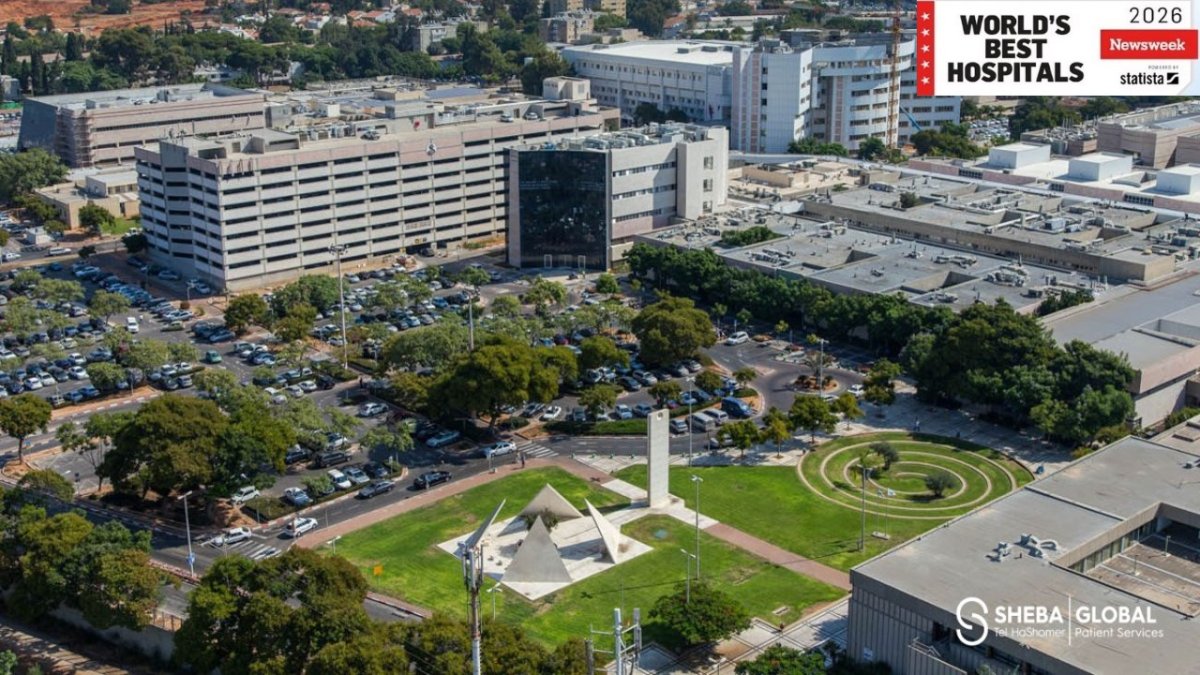













Centro médico Assaf Harofeh (Assaf Harofeh Medical Center)



Soroka Medical Center


Herzliya Medical Center
Los mejores centros médicos de Cirugía cardíaca en Israel
- Centro Médico Sheba, Israel
- Centro médico Sourasky, Israel
- Assuta Hospital en Israel, Israel
- Centro Médico Hadassah, Israel
- Rambam Medical Center, Israel
- Centro médico Assaf Harofeh (Assaf Harofeh Medical Center), Israel
- Centro médico infantil Schneider, Israel
- Soroka Medical Center, Israel
- Rabin Medical Center, Israel
- Herzliya Medical Center , Israel
Obtenga una evaluación médica de Cirugía cardíaca en Israel: haga una consulta con 14 médicos experimentados ahora
Ver todos los médicos
Pevni Dimitry
El Prof. Pevni fue pionero en un método único para el reemplazo de válvulas cardíacas en un corazón en funcionamiento, mejorando los resultados en el Centro Médico Sourasky.
- Realizó trasplantes de válvula aórtica innovadores, incluso para pacientes con corazón artificial
- Especializado en técnicas mínimamente invasivas en los principales centros europeos
- Profesor y conferenciante en la facultad de medicina de la Universidad de Tel Aviv
- Miembro de prestigiosas asociaciones de cirugía cardíaca como AHA y EACTS

Gideon Uretzky
Destacado cirujano cardíaco en el Centro Médico Sourasky, especializado en técnicas mínimamente invasivas para una recuperación más rápida y mejores resultados.
- Profesor en la Universidad de Tel Aviv
- Experto en rehabilitación cardíaca posquirúrgica
- Especializado en cirugía valvular mínimamente invasiva y CABG
- Trabaja en el Hospital Ichilov, uno de los principales centros médicos de Israel

Sami Viskin
152 artículos revisados por pares y 4 ensayos clínicos: el Dr. Viskin se especializa en arritmias cardíacas complejas en el Sourasky Medical Center.
- Experto en afecciones raras como los síndromes de Brugada y de QT largo
- Realiza ablación cardíaca avanzada e implantación de marcapasos
- Altamente calificado en 15 afecciones cardíacas
- Investigador activo que contribuye a nuevos protocolos de tratamiento

Kramer Amir
Nombrado uno de los 5 mejores cirujanos cardíacos de Israel por el periódico Maariv, el Dr. Kramer Amir se especializa en procedimientos complejos de válvulas cardíacas en el Centro Médico Sourasky.
- Más de 30 años de experiencia en cirugía cardíaca
- Formado en la implantación de válvulas bioprotésicas sin soporte en la Universidad de Oxford
- Realiza procedimientos avanzados como MIDCAB e implantación de dispositivos de asistencia ventricular
- Miembro de la Asociación de Médicos de Israel y del Consejo de Médicos
Artículos relacionados

¿Cuánto cuesta el aneurisma de aorta torácica?
Escrito por Veronika Kazina
Compartir contenido
Historias en video de pacientes de Bookimed
 Olena Sikoza
Preguntas frecuentes sobre Cirugía cardíaca en Israel
¿Cuáles son los mejores hospitales para cirugía cardíaca en Israel?
Israel alberga centros cardíacos reconocidos mundialmente como el Centro Médico Sheba y el Centro Médico Sourasky. Estas instalaciones acreditadas por la JCI son líderes en cirugía asistida por robot y reemplazos valvulares complejos. Atienden a más de 1.000.000 de pacientes al año. Cirujanos expertos realizan procedimientos avanzados como TAVI y trasplantes de corazón con altas tasas de éxito.
- Centro Médico Sheba: Clasificado entre los 10 mejores hospitales del mundo para 2025 y 2026 por Newsweek.
- Sourasky (Ichilov): Realiza 34.000 operaciones al año utilizando sistemas robóticos y tecnologías de imagen digital.
- Centro Médico Hadassah: Cuenta con médicos listados por Forbes y reportó más de 40.000 cirugías anuales en múltiples especialidades.
- Centro Médico Assuta: El hospital privado más grande de Israel, especializado en cirugía cardíaca y torácica mínimamente invasiva.
Perspectiva del experto de Bookimed: Los datos muestran que los centros privados como Assuta permiten a los pacientes elegir a su médico tratante específico. Por el contrario, los grandes centros públicos como Sheba o Sourasky a menudo gestionan mayores volúmenes de trasplantes complejos. Elegir una instalación privada puede proporcionar un mayor control sobre su equipo quirúrgico.
Consenso de los pacientes: Los pacientes señalan que los centros
¿Cuál es la tasa de éxito de la cirugía cardíaca en Israel?
La cirugía cardíaca en Israel mantiene una tasa de éxito del 95% en procedimientos como reemplazos de válvulas y bypass coronario. Los centros líderes combinan cuidados intensivos con tecnología avanzada. Instalaciones como el Centro Médico Sourasky (Ichilov) realizan más de 34.000 operaciones al año. Este alto volumen respalda excelentes resultados para los pacientes y una recuperación rápida.
- Éxito del procedimiento: La cirugía a corazón abierto cuenta con una tasa de eficacia del 95% en los centros israelíes.
- Reparación de válvulas: Las tasas de éxito para la reparación de válvulas cardíacas superan el 85% para obtener mejores resultados.
- Mínimamente invasivo: Los procedimientos TAVI reportan una tasa de éxito del 95% utilizando técnicas transcatéter.
- Estabilidad del sistema: Los departamentos de cardiología israelíes mantuvieron resultados estables incluso durante períodos de alto volumen.
Perspectiva del experto de Bookimed: El éxito de la cirugía cardíaca en Israel está ligado a una especialización extrema dentro de los departamentos. Por ejemplo, el Dr. Pevni Dimitry en el Centro Médico Sourasky (Ichilov) ha realizado más de 1.000 procedimientos específicamente en corazones latiendo. Esta experiencia especializada permite a los cirujanos manejar casos de alto riesgo que instalaciones más pequeñas podrían evitar. Elegir un centro
¿Por qué Israel es considerado un destino principal para la atención cardíaca?
Israel es un destino principal para la atención cardíaca debido a sus tasas de éxito quirúrgico del 95% e innovaciones pioneras como el primer corazón impreso en 3D del mundo. Los centros acreditados por la JCI en Tel Aviv y Jerusalén ofrecen procedimientos avanzados. Estos incluyen TAVI y cirugía asistida por robot a costos más bajos que en los EE. UU.
- Experiencia: Cirujanos como el Dr. Pevni Dimitry han realizado más de 1,000 procedimientos cardíacos complejos.
- Tecnología: Las clínicas utilizan marcapasos sin cables MICRA y VenaSeal para tratamientos cardiovasculares avanzados.
- Acreditación: Instalaciones de primer nivel como el Centro Médico Sheba aparecen constantemente en el Top 10 de Newsweek.
- Especializaciones: Centros como el Centro Médico Sourasky (Ichilov) reportan un 90% de éxito en casos complejos.
Perspectiva del experto de Bookimed: Los datos muestran una tendencia clara en la que los centros privados como el Centro Médico Assuta ofrecen un acceso más rápido a cirujanos específicos. Los pacientes a menudo eligen estos centros para seleccionar personalmente a expertos con más de 30 años de experiencia. Esto evita los tiempos de espera más largos que suelen encontrarse en los hospitales universitarios públicos más grandes.
Consenso de los pacientes: Los pacientes valoran que los cirujanos israelíes a
¿Qué tipos de cirugía cardíaca están disponibles en Israel?
Israel ofrece un espectro completo de cirugías cardíacas, desde el bypass aortocoronario (CABG) hasta complejos trasplantes de corazón. Los cirujanos utilizan sistemas robóticos avanzados y técnicas mínimamente invasivas. Centros acreditados como el Sourasky Medical Center (Ichilov) y el Sheba Medical Center realizan miles de estos procedimientos anualmente.
- Procedimientos coronarios: Restauración del flujo sanguíneo mediante injerto de bypass (CABG) con o sin circulación extracorpórea.
- Cirugía valvular: Reemplazo o cirugía plástica de las válvulas aórtica, mitral y tricúspide.
- Mínimamente invasiva: La implantación de válvula aórtica transcatéter (TAVI) sirve como alternativa a la cirugía abierta.
- Intervenciones avanzadas: Tratamiento de aneurismas aórticos, ablación por radiofrecuencia e instalación de marcapasos o desfibriladores.
Perspectiva de expertos de Bookimed: Los especialistas israelíes a menudo priorizan las técnicas de corazón latiendo para los procedimientos de válvulas y bypass. El Dr. Dimitry Pevni, del Sourasky Medical Center, ha realizado más de 1.000 procedimientos de este tipo. Este enfoque elimina la máquina de circulación extracorpórea. Resulta en una recuperación más rápida y menos complicaciones postoperatorias para pacientes de alto riesgo.
Consenso de los pacientes: Los pacientes señalan
¿Existen opciones mínimamente invasivas en Israel?
Israel es un líder mundial en cirugía cardíaca mínimamente invasiva. Los cirujanos realizan reparaciones valvulares complejas y bypasses a través de pequeñas incisiones entre las costillas. Estas técnicas eliminan la necesidad de abrir el tórax. Centros líderes como el Sheba Medical Center utilizan sistemas robóticos avanzados para una precisión extrema.
- Procedimientos disponibles: Los especialistas realizan regularmente TAVI, MitraClip y reparaciones valvulares asistidas por robot.
- Experiencia clínica: El Dr. Gideon Uretzky del Sourasky Medical Center es un maestro reconocido de estas técnicas.
- Resultados de los pacientes: Los enfoques mínimamente invasivos suelen reducir el tiempo de recuperación de 8 semanas a solo 2.
- Instalaciones avanzadas: Los mejores hospitales como Hadassah y Assuta utilizan quirófanos híbridos para intervenciones basadas en catéteres.
Perspectiva del experto de Bookimed: Los datos muestran que los centros privados como el Assuta Medical Center a menudo brindan un acceso más rápido a procedimientos electivos mínimamente invasivos que los hospitales públicos. Los pacientes que eligen estas instalaciones generalmente se benefician de tecnologías especializadas como los marcapasos sin cables MICRA y VenaSeal. Esto puede reducir significativamente los tiempos de espera para los pacientes internacionales que buscan a
¿Está disponible la cirugía cardíaca especializada para niños en Israel?
Israel es un centro mundial importante para la cirugía cardíaca pediátrica especializada. Instalaciones como el Schneider Children’s Medical Center y el Sheba Medical Center tratan defectos congénitos complejos. Ofrecen cateterismos fetales avanzados y bypass neonatales. Los resultados de procedimientos como la transposición de grandes arterias (switch arterial) coinciden con los estándares mundiales más altos.
- Instalaciones especializadas: El Schneider Children’s Medical Center trata el 70% de los casos cardíacos pediátricos israelíes.
- Diagnóstico avanzado: Los centros ofrecen ecocardiografía fetal y cateterismos desde las 27 semanas.
- Mínimamente invasivo: Los cirujanos realizan reparaciones cardíacas a través de incisiones de 4 cm para minimizar las cicatrices.
- Soporte vital: Las clínicas utilizan ECMO y dispositivos de asistencia ventricular para insuficiencias cardíacas graves.
Opinión del experto de Bookimed: Los centros cardíacos pediátricos israelíes se especializan en casos complejos de alto volumen que otras regiones podrían posponer. El Sheba Medical Center realiza 400 cirugías y 300 procedimientos no quirúrgicos al año. Este volumen permite a los equipos mantener una competencia máxima en reparaciones neonatales raras. Los pacientes se benefician de esta experiencia concentrada en uno de los pocos lugares que realizan interve
¿Cómo es el cronograma de recuperación después de una cirugía cardíaca en Israel?
La recuperación después de una cirugía cardíaca en Israel generalmente implica una estancia hospitalaria de 4 a 7 días. Los pacientes suelen pasar las primeras 24 a 48 horas en cuidados intensivos. La recuperación básica toma de 6 a 8 semanas mientras el esternón sana. La mayoría de los pacientes retoman sus actividades normales en un plazo de 3 a 6 meses.
- Estancia hospitalaria: Los pacientes permanecen de 4 a 7 días tras una cirugía a corazón abierto estándar para su monitoreo.
- Movilidad inicial: Los protocolos israelíes fomentan caminar desde el primer día para prevenir complicaciones.
- Curación del esternón: La recuperación ósea requiere de 6 a 8 semanas con restricciones estrictas de levantamiento de peso.
- Mínimamente invasiva: La recuperación es más rápida, con estancias hospitalarias que a menudo duran solo 3 a 4 días.
- Rehabilitación a largo plazo: La recuperación funcional completa suele ocurrir entre los 3 y 12 meses.
Perspectiva del experto de Bookimed: Los protocolos de recuperación israelíes priorizan la movilidad temprana para reducir los riesgos adquiridos en el hospital. Clínicas como el Sourasky Medical Center (Ichilov) realizan 34,000 operaciones al año. Su alto volumen permite a los equipos estandarizar la atención postoperatoria. Esto a menudo resulta en que los pacientes estén listos para el a
¿Cómo apoyan los hospitales israelíes a los pacientes internacionales con sus necesidades de viaje e idioma?
Los hospitales israelíes brindan apoyo especializado a pacientes internacionales de cirugía cardíaca a través de departamentos internacionales dedicados. Estos centros coordinan visas médicas, traslados al aeropuerto y asistencia multilingüe. Instalaciones como el Sourasky Medical Center y el Hadassah Medical Center asignan coordinadores personales para gestionar los cronogramas clínicos y la traducción en tiempo real durante las consultas.
- Logística de viaje: El personal ayuda con la documentación de la visa médica y organiza traslados dedicados desde el aeropuerto.
- Apoyo lingüístico: Los coordinadores personales proporcionan traducción para los médicos y el personal de planta durante la recuperación.
- Registros médicos: Clínicas como Hadassah proporcionan documentos de alta e instrucciones en el idioma del paciente.
- Planificación anticipada: Las consultas por video a distancia con cardiólogos ayudan a finalizar los planes de tratamiento antes del viaje.
- Ayuda con el alojamiento: Los hospitales a menudo negocian tarifas en hoteles cercanos o proporcionan alojamiento para familias dentro del campus.
Perspectiva del experto de Bookimed: Mientras que los centros públicos como Rambam atienden a casi 1.000.000 de pacientes al año, las instalaciones privadas como el Assuta Medical Center ofrecen una ventaja distinta
¿Por qué Israel es uno de los principales destinos para la neurocirugía?
Israel es un centro líder en neurocirugía gracias a su combinación de avances médicos de alta tecnología y una experiencia quirúrgica de primer nivel. Instalaciones avanzadas como el Centro Médico Sheba utilizan sistemas de navegación basados en IA y resonancia magnética intraoperatoria en tiempo real. Centros especializados reportan una tasa de éxito del 98% en procedimientos complejos, como la craneotomía con el paciente despierto y el tratamiento de trastornos del movimiento.
- Tecnología avanzada: Las clínicas utilizan ultrasonido enfocado guiado por resonancia magnética (MRgFUS) y sistemas robóticos para realizar incisiones.
- Experiencia quirúrgica: Cirujanos como el Dr. Zvi Ram lideran asociaciones internacionales con más de 25 años de experiencia.
- Acceso rápido: Los pacientes internacionales generalmente pueden programar cirugías complejas de cerebro o columna en un plazo de 2 a 4 semanas.
- Atención médica acreditada: Grandes centros como Sourasky (Ichilov) y Assuta están acreditados por la JCI, lo que confirma su seguridad.
Opinión experta de Bookimed: Los datos muestran una clara diferencia entre las opciones de tratamiento públicas y privadas en Israel. Centros privados, como el Centro Médico Assuta, realizan más de 92.000 cirugías al año y permiten a los pacientes elegir a un cirujano líder específico. Esto supone una ventaja signi
¿Qué tipos de enfermedades neuroquirúrgicas se tratan en Israel?
Los neurocirujanos israelíes tratan una amplia gama de afecciones, desde tumores cerebrales y de médula espinal hasta trastornos funcionales complejos. Los centros especializados utilizan tecnologías de vanguardia, como el bisturí de rayos gamma, la estimulación cerebral profunda y la resonancia magnética intraoperatoria, para un diagnóstico altamente preciso de la epilepsia, la enfermedad de Parkinson y las patologías cerebrovasculares.
- Enfermedades oncológicas: tratamiento de gliomas, meningiomas y tumores hipofisarios mediante resección de la base del cráneo.
- Trastornos funcionales: tratamiento de la enfermedad de Parkinson y del temblor esencial mediante estimulación cerebral profunda.
- Patologías de columna: corrección de escoliosis, hernias discales y tumores espinales mediante sistemas robóticos.
- Tratamiento de las enfermedades cerebrovasculares: tratamiento quirúrgico de aneurismas cerebrales y malformaciones arteriovenosas mediante intervenciones endovasculares.
- Neurocirugía pediátrica: atención especializada en hidrocefalia y anomalías congénitas en centros pediátricos especializados.
Opinión experta de Bookimed: Los hospitales israelíes suelen combinar diversas especialidades para abordar casos complejos. En el Centro Médico Sourasky, neurocirujanos como el Dr. Zvi Lidar combinan neurocirugía y ortopedi