Hidrocefalia Tratamiento en México — Costos 2026


Revisado médicamente por
Fahad Mawlood
¿Cuál es el precio del diagnóstico y los tratamientos de Hidrocefalia en México? Descubra ahora
| España | Turquía | México | |
|---|---|---|---|
| Craneotomía | de $32,400 | de $8,900 | de $12,000 |
| Cirugías de hidrocefalia, cirugías de derivación | de $39,300 | de $5,300 | ≈ $9,500 |
Sus beneficios y garantías con Bookimed
Precios directos
Bookimed no añade cargos extra a los precios de los tratamientos de Hidrocefalia. Las tarifas proceden de las listas de precios oficiales de las clínicas. Pagará directamente en la clínica por su tratamiento a su llegada al país.
Sólo clínicas y médicos verificados
Bookimed está comprometido con su seguridad. Solo trabajamos con las clínicas que mantienen altos estándares internacionales en el tratamiento de Hidrocefalia y cuentan con las licencias necesarias para atender a pacientes internacionales en todo el mundo.
Asistencia 24/7 gratuita
Bookimed ofrece asistencia experta gratuita. Un coordinador médico personal le apoya antes, durante y después de su tratamiento, resolviendo cualquier problema. Nunca estará solo en su viaje médico de tratamiento de Hidrocefalia.

Su coordinador médico personal de Bookimed
- Le apoya en cada etapa
- Ayuda a elegir la clínica y el médico adecuados
- Asegura un acceso rápido y conveniente a la información
Descubra las mejores clínicas de tratamiento de Hidrocefalia en México: 2 opciones verificadas y Precios



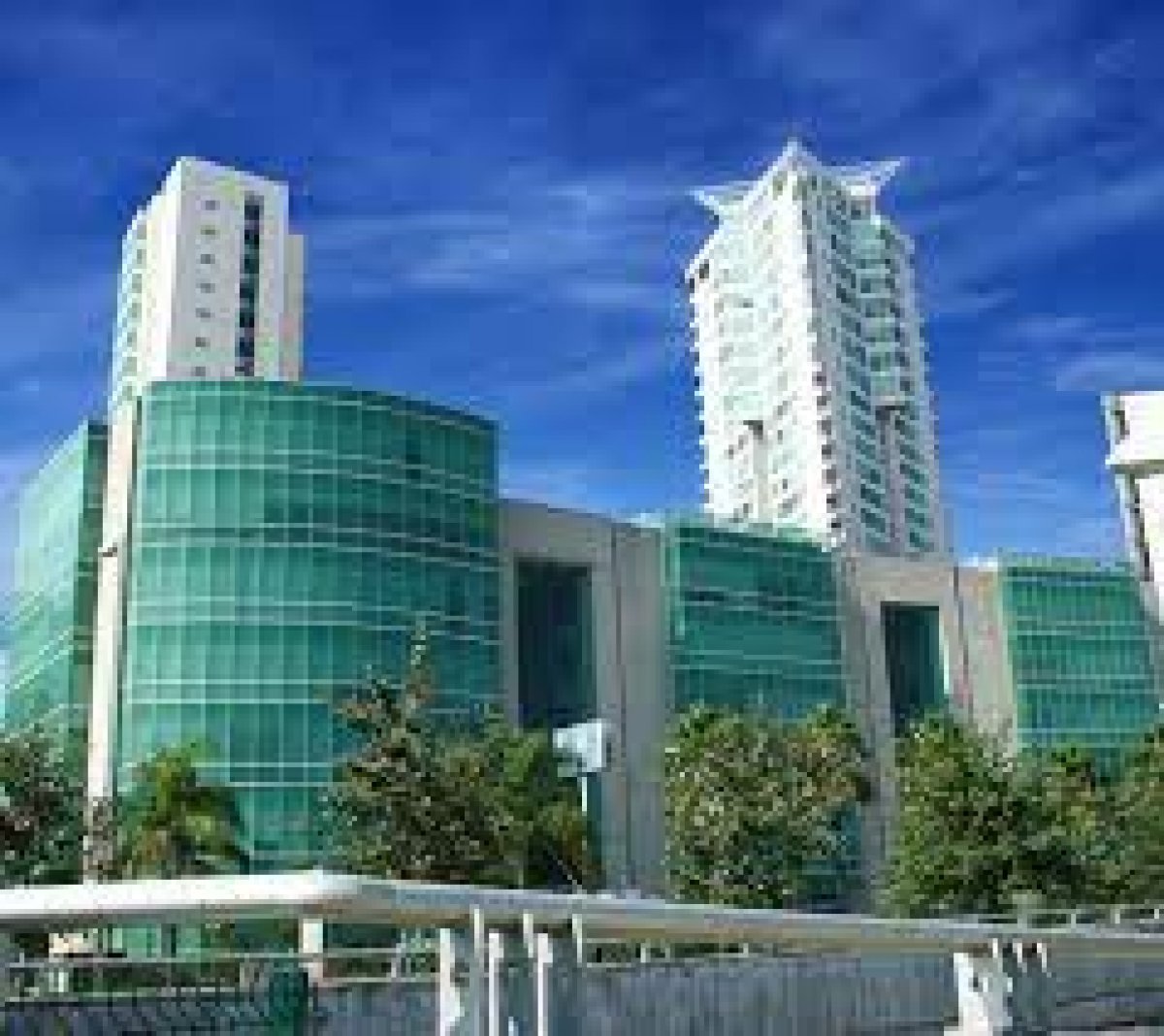
GDL Neurocirugía de Alta Especialidad
Compartir contenido
Historias en video de pacientes de Bookimed
 Olena Sikoza
Preguntas frecuentes sobre el tratamiento de Hidrocefalia en México
¿Cuáles son las principales opciones quirúrgicas para la hidrocefalia en México?
Las opciones quirúrgicas estándar en México incluyen la colocación de una derivación ventriculoperitoneal y la ventriculostomía endoscópica del tercer ventrículo. Los neurocirujanos en centros como el Hospital de la Familia realizan estos procedimientos. Los tratamientos están disponibles en centros como Mexicali y Guadalajara. La mayoría de las cirugías utilizan válvulas programables avanzadas para el control de fluidos.
- Cirugía de derivación (shunt): Implante de tubos flexibles para drenar el líquido de los ventrículos cerebrales hacia el abdomen.
- Ventriculostomía endoscópica: Enfoque mínimamente invasivo que crea una abertura para evitar bloqueos de líquido sin necesidad de implantes.
- Procedimientos de revisión: Cirugías vitales para reemplazar o reparar derivaciones si ocurren bloqueos o infecciones.
- Diagnóstico especializado: Centros como GDL High Specialty Neurosurgery utilizan resonancias magnéticas avanzadas para la planificación quirúrgica.
Perspectiva del experto de Bookimed: El volumen de pacientes a menudo indica una experiencia especializada en casos neurológicos complejos. GDL High Specialty Neurosurgery trata a casi 700 pacientes cada año. Este alto volumen sugiere una profunda familiaridad con diversas presentaciones de la hidrocefalia. Elegir clínicas con un alto flujo de pacientes puede ser un fuerte indicador de fiabi
¿Qué ciudades mexicanas ofrecen los programas neuroquirúrgicos más sólidos para el tratamiento de la hidrocefalia?
Ciudad de México, Guadalajara y Monterrey lideran en México la atención neuroquirúrgica para la hidrocefalia. Estos centros cuentan con instituciones con acreditación de la Joint Commission International (JCI). Los centros especializados ofrecen cirugías de derivación (shunt) y craneotomías. Las instalaciones en Mexicali también ofrecen programas reconocidos cerca de la frontera con California.
- Ciudad de México: Cuenta con hospitales de tercer nivel acreditados por la JCI, como el Hospital Médica Sur.
- Guadalajara: Sede de GDL High Specialty Neurosurgery, que trata a 690 pacientes al año.
- Monterrey: Ofrece programas avanzados en instalaciones acreditadas por la JCI, como el Hospital San José.
- Mexicali: Alberga clínicas acreditadas por el Consejo de Salubridad General (CSG) para neurocirugía electiva.
Perspectiva del experto de Bookimed: Si bien la Ciudad de México y Monterrey son centros de gran volumen, Guadalajara sirve como un destino neuroquirúrgico importante. GDL High Specialty Neurosurgery gestiona casi 700 pacientes al año con equipos quirúrgicos enfocados. Este volumen sugiere una alta familiaridad con los procedimientos, lo cual es vital para la estabilidad de la derivación.
Consenso de los pacientes: Los pacientes señalan que se prefieren los centros hospitalarios establecidos en Monterrey y la Ciudad d
¿Cuál es la duración típica de la estancia hospitalaria y la recuperación antes de viajar después de una cirugía de hidrocefalia?
Las estancias hospitalarias estándar después de una cirugía de hidrocefalia en México duran de 2 a 4 días. Los pacientes deben esperar de 1 a 3 semanas antes de viajar en avión. Este período garantiza una presión intracraneal estable y un funcionamiento adecuado de la derivación. Se requiere estabilidad neurológica antes de la partida para garantizar la seguridad del paciente.
- Monitoreo hospitalario: Los cirujanos monitorean los signos vitales durante 24 horas después de la operación.
- Alta clínica: La mayoría de los pacientes reciben el alta después de 48 a 96 horas.
- Vuelos cortos: Los viajes locales suelen ser seguros después de 7 a 10 días.
- Viajes internacionales: Los vuelos de larga distancia requieren una espera de 2 a 3 semanas.
- Cicatrización de heridas: Los equipos médicos suelen retirar las grapas 14 días después de la cirugía.
Perspectiva de expertos de Bookimed: Las clínicas mexicanas como el Hospital de la Familia ofrecen una ventaja logística para los norteamericanos. Su ubicación cerca de la frontera con California permite a los pacientes evitar los viajes aéreos inmediatos. Muchos optan por viajar por carretera a ciudades cercanas de EE. UU. después de una estancia corta. Esto reduce los riesgos relacionados con los cambios de presión en la cabina durante la recuperación temprana.
Co
¿Están los principales hospitales mexicanos acreditados internacionalmente para la atención neuroquirúrgica?
Los principales hospitales mexicanos cuentan con acreditaciones internacionales para la atención neuroquirúrgica. Las grandes instalaciones mantienen los estándares de la Joint Commission International (JCI) en seguridad y calidad. Estos centros ofrecen tratamientos avanzados para la hidrocefalia, como cirugías de derivación (shunt). Los pacientes internacionales suelen acceder a estos hospitales acreditados en ciudades como Mexicali, Monterrey y Ciudad de México.
- Acreditación hospitalaria: Varias instalaciones privadas de primer nivel mantienen la certificación de estándar de oro de la Joint Commission International (JCI).
- Estándares nacionales: El Consejo de Salubridad General (CSG) certifica a las instituciones por sus servicios médicos de alta calidad.
- Departamentos especializados: Los hospitales acreditados cuentan con áreas dedicadas a las neurociencias para procedimientos complejos de cerebro y columna vertebral.
- Ubicaciones estratégicas: Los principales centros neuroquirúrgicos se encuentran en Mexicali, Monterrey, Tijuana y Guadalajara.
Perspectiva del experto de Bookimed: Aunque muchos se centran solo en la JCI, busque clínicas como el Hospital de la Familia que cuentan con la acreditación del CSG. Este estándar nacional supervisa específicamente la seguridad del paciente dentro de las instalaciones mexicanas. Nuestros datos m
¿Qué calendario de seguimiento se requiere una vez que regrese a casa, y pueden los cirujanos mexicanos brindar apoyo virtual?
Los pacientes siguen un calendario estándar que comienza con un chequeo de 1 a 2 semanas después de la cirugía. El monitoreo mensual continúa durante 3 meses. Los neurocirujanos mexicanos ofrecen frecuentemente apoyo virtual a través de herramientas seguras como WhatsApp y Zoom. Esto permite la inspección remota de las incisiones y el monitoreo de los síntomas.
- Chequeo inicial: Revisión de la cicatrización de la herida y el dolor de 1 a 2 semanas después del regreso.
- Hito de tres meses: Realización de evaluaciones virtuales del progreso neurológico y el rendimiento de la derivación.
- Revisión anual: Evaluación completa de salud y estabilidad después de 12 meses.
- Canales de telesalud: Los cirujanos utilizan videollamadas seguras y revisiones de fotos para las incisiones.
Perspectiva del experto de Bookimed: Clínicas como el Hospital de la Familia se benefician de su proximidad a la frontera. Esto permite un modelo de atención híbrido. Los pacientes a menudo combinan consultas virtuales con visitas físicas rápidas si surgen problemas. Los especialistas en instituciones como GDL High Specialty Neurosurgery atienden a 690 pacientes al año. A menudo proporcionan contacto móvil directo para consultas neuroquirúrgicas postoperatorias urgentes.
Consenso de los pacientes: Los pacientes recomiendan asegurar el contacto pers
¿Quién es candidato para una ETV en comparación con la colocación de una derivación ventriculoperitoneal (DVP)?
Los adultos y niños mayores de 2 años con hidrocefalia obstructiva son los principales candidatos para la ventriculostomía endoscópica del tercer ventrículo (ETV). Este procedimiento aborda bloqueos físicos como la estenosis del acueducto. Los médicos prefieren las derivaciones ventriculoperitoneales (DVP) para la hidrocefalia comunicante. Las derivaciones son el estándar para bebés menores de 6 meses debido a sus mayores tasas de éxito.
- Hidrocefalia obstructiva: La ETV funciona mejor cuando tumores o quistes bloquean físicamente el flujo de líquido.
- Criterios de edad: Los pacientes mayores de 2 años tienen un éxito significativamente mayor con la ETV que los bebés.
- Hidrocefalia comunicante: Se requieren DVP cuando el problema es la absorción de líquido.
- Consideraciones sobre el hardware: La ETV evita implantes permanentes, mientras que las DVP utilizan catéteres y válvulas.
Perspectiva del experto de Bookimed: Los centros de neurocirugía mexicanos como GDL High Specialty Neurosurgery atienden a casi 700 pacientes al año. Los altos volúmenes de pacientes a menudo se correlacionan con mejores resultados en la ETV. Los centros en Guadalajara y Mexicali mantienen estrictos estándares de acreditación CSG. Esto garantiza la seguridad quirúrgica para casos complejos de neurocirugía pediátrica y adulta.
Consenso de los pacientes