Hidrocefalia Tratamiento en Corea del Sur — Costos 2026


Revisado médicamente por
Fahad Mawlood
¿Cuál es el precio del diagnóstico y los tratamientos de Hidrocefalia en Corea del Sur? Descubra ahora
De $53. Los gastos totales dependen de la edad del paciente y de la complejidad clínica. La mayoría de los pacientes internacionales encuentran ahorros del 30 al 50% en comparación con los EE. UU. Seúl, Incheon y Bundang son los principales centros de atención neuroquirúrgica.
Costos típicos del tratamiento de la hidrocefalia en la República de Corea
- Consulta con un neurocirujano: de $53
- Consulta con un neurólogo: de $55
- Craneotomía: de $20,000
Perspectiva de los expertos de Bookimed: Para casos pediátricos complejos, centros como el Hospital Severance son ideales debido a sus clínicas pediátricas multidisciplinarias especializadas. Los pacientes que requieren una seguridad quirúrgica avanzada se benefician del Hospital Universitario Nacional de Seúl Bundang (SNUBH), que utiliza el sistema BESTcare para minimizar los errores médicos. Si la prioridad es la experiencia de alto volumen, el Centro Médico Asan realiza más de 65,000 cirugías al año con una calificación de 4.5 estrellas por parte de los pacientes. Cirujanos altamente especializados como Do Hyun Nam en el Centro Médico Samsung ofrecen experiencia específica tanto en neurocirugía endoscópica como pediátrica.
| Corea del Sur | España | Turquía | |
|---|---|---|---|
| Craneotomía | de $20,000 | de $32,400 | de $8,900 |
| Cirugías de hidrocefalia, cirugías de derivación | ≈ $12,000 | de $39,200 | de $5,300 |
Sus beneficios y garantías con Bookimed
Precios directos
Bookimed no añade cargos extra a los precios de los tratamientos de Hidrocefalia. Las tarifas proceden de las listas de precios oficiales de las clínicas. Pagará directamente en la clínica por su tratamiento a su llegada al país.
Sólo clínicas y médicos verificados
Bookimed está comprometido con su seguridad. Solo trabajamos con las clínicas que mantienen altos estándares internacionales en el tratamiento de Hidrocefalia y cuentan con las licencias necesarias para atender a pacientes internacionales en todo el mundo.
Asistencia 24/7 gratuita
Bookimed ofrece asistencia experta gratuita. Un coordinador médico personal le apoya antes, durante y después de su tratamiento, resolviendo cualquier problema. Nunca estará solo en su viaje médico de tratamiento de Hidrocefalia.

Su coordinador médico personal de Bookimed
- Le apoya en cada etapa
- Ayuda a elegir la clínica y el médico adecuados
- Asegura un acceso rápido y conveniente a la información
Descubra las mejores clínicas de tratamiento de Hidrocefalia en Corea del Sur: 8 opciones verificadas y Precios










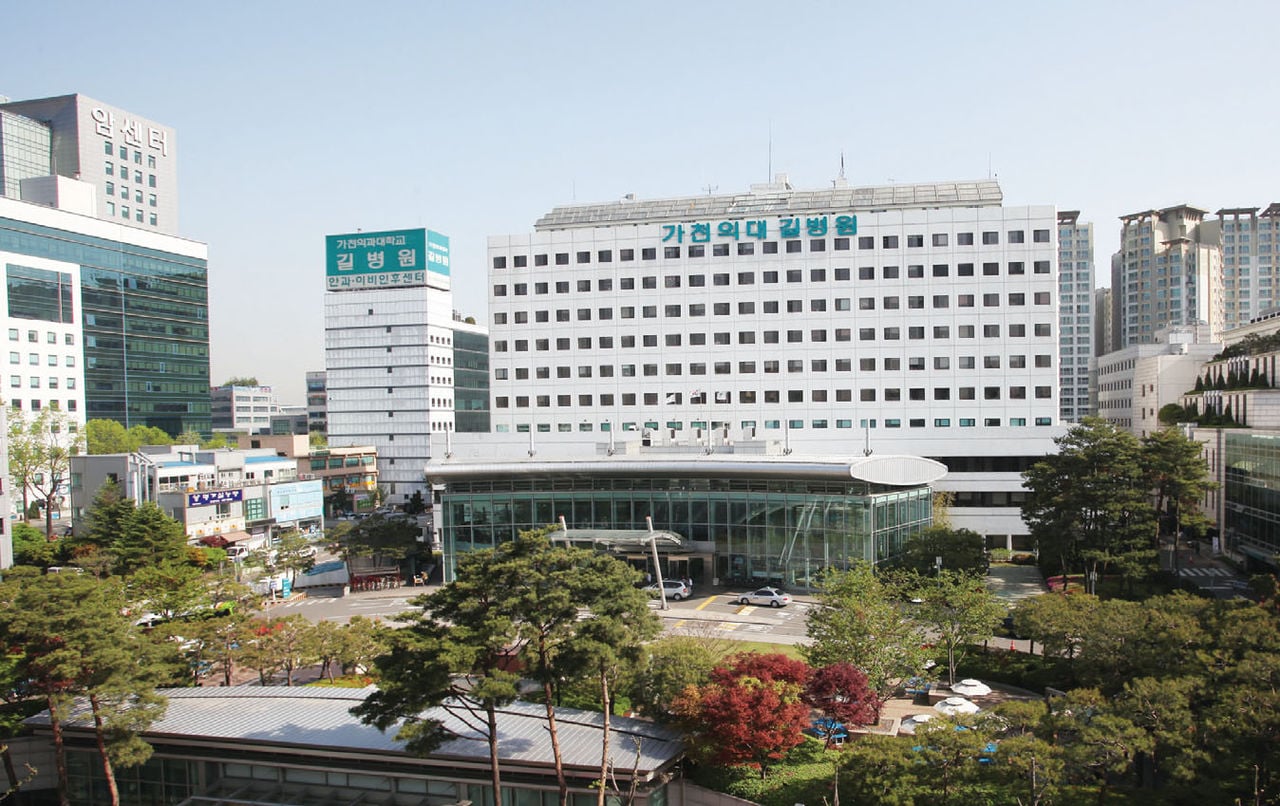




Bumin Hospital Seoul
Obtenga una evaluación médica para Hidrocefalia en Corea del Sur: consulte con doctores experimentados ahora
Ver todos los médicos
An Song-yeol

Do Hyun Nam
Especializado en cirugías endoscópicas para la hidrocefalia, el Dr. Do Hyun Nam es uno de los mejores neurocirujanos pediátricos y de adultos de Corea del Sur.
- Experiencia en tumores cerebrales benignos y malignos
- Practica en el Samsung Medical Center
- Experto en técnicas de radiocirugía
Compartir contenido
Historias en video de pacientes de Bookimed
 Olena Sikoza
Preguntas frecuentes sobre el tratamiento de Hidrocefalia en Corea del Sur
¿Qué hospitales en Corea del Sur son los mejores para el tratamiento de la hidrocefalia?
Los mejores hospitales para el tratamiento de la hidrocefalia en Corea del Sur incluyen el Asan Medical Center, el Severance Hospital y el Samsung Medical Center. Estas instalaciones acreditadas por la JCI se especializan en la colocación de derivaciones (shunts) y la ventriculostomía endoscópica del tercer ventrículo. Utilizan sistemas digitales avanzados para garantizar la precisión quirúrgica y altas tasas de éxito.
- Asan Medical Center: El centro más grande que maneja casos complejos de adultos y pediátricos en Seúl.
- Samsung Medical Center: Reconocido por las cirugías endoscópicas realizadas por expertos como el Dr. Do Hyun Nam.
- Severance Hospital: Un líder acreditado por la JCI en la investigación de la hidrocefalia de presión normal y cirugías de derivación.
- Protocolos de seguridad digital: El SNUBH utiliza el sistema BESTcare para minimizar los riesgos durante los procedimientos neuroquirúrgicos.
- Neurocirujanos especializados: Los expertos líderes incluyen al Dr. Chang Jin Kim y al Dr. Do hoon Kwon.
Perspectiva del experto de Bookimed: El volumen de pacientes es una señal importante de calidad en Corea del Sur. Por ejemplo, el Hospital de la Universidad Nacional de Seúl realiza más de 600 neurocirugías pediátricas al año. Elegir centros de alto volumen como Severance o SNUBH generalmente significa protoco
¿Cuáles son las tasas de éxito y fracaso de la cirugía de derivación (shunt) en Corea?
La cirugía de derivación en Corea del Sur demuestra una alta eficacia clínica con tasas de fracaso estabilizadas en torno al 11,3 %. Estudios nacionales a gran escala informan de una mejora a corto plazo en el 83,5 % de los pacientes. La estabilidad a largo plazo sigue siendo alta, con un 93,3 % de los pacientes manteniendo una función mejorada un año después del procedimiento.
- Éxito por afección: La respuesta clínica para la hidrocefalia de presión normal alcanza el 70,1 % al año.
- Tasa de cirugía de revisión: Los datos de los principales centros académicos indican una tasa de revisión constante del 11,4 %.
- Resultados a largo plazo en tumores: Las tasas de éxito para pacientes con tumores cerebrales dependientes de derivación se mantienen en el 67 % después de 10 años.
- Seguridad e infección: Las tasas de infección son notablemente bajas, reportadas en un 3,6 % en series coreanas específicas.
Perspectiva de expertos de Bookimed: Las altas clasificaciones clínicas de Corea del Sur, incluido un puesto 6 a nivel mundial, se correlacionan con los enormes volúmenes de pacientes en instituciones como el Hospital Severance. Este centro atiende a 1,6 millones de pacientes ambulatorios al año. Los centros de alto volumen a menudo logran una mayor precisión, como se observa en las bajas tasas de infección reportadas en el Centro Médico Asan. Para
¿Cómo es el proceso de recuperación después de una cirugía de hidrocefalia en Corea?
La recuperación después de una cirugía de hidrocefalia en Corea implica una estancia hospitalaria de 3 a 4 días. Los pacientes suelen recibir vigilancia inmediata durante 24 a 36 horas. Los neurocirujanos coreanos utilizan derivaciones programables y técnicas endoscópicas. El retorno completo a las actividades diarias suele ocurrir dentro de las 4 semanas posteriores al alta.
- Estancia hospitalaria: Espere de 3 a 7 días en una unidad de neurocirugía para el control de la presión.
- Límites de actividad: Evite levantar objetos de más de 5 kg durante al menos 6 a 8 semanas.
- Cronología de los síntomas: Los dolores de cabeza suelen disminuir en 2 semanas, mientras que el equilibrio mejora en 6 semanas.
- Ajustes de presión: Las derivaciones programables a menudo requieren de 1 a 3 ajustes no invasivos en los meses siguientes.
Perspectiva del experto de Bookimed: Los centros de alto volumen como el Asan Medical Center realizan más de 65,000 operaciones al año. Este inmenso volumen quirúrgico garantiza que los neurocirujanos sean altamente competentes en la colocación de derivaciones. Es más probable que las grandes instituciones cuenten con soporte técnico las 24 horas del día, los 7 días de la semana, para los ajustes de las derivaciones programables. Esta infraestructura reduce significativamente el riesgo de desequilibrios de presión a largo p
¿Qué tecnologías avanzadas están disponibles para la cirugía de hidrocefalia en Corea?
Los centros de neurocirugía de Corea del Sur utilizan navegación digital y sistemas integrados con IA para tratar la hidrocefalia. Estas tecnologías incluyen la colocación de derivaciones asistida por robot y la ventriculostomía endoscópica del tercer ventrículo (ETV). Instalaciones como el Hospital Bundang de la Universidad Nacional de Seúl (SNUBH) emplean infraestructuras digitales integrales para mejorar la precisión y la seguridad quirúrgica.
- Neuroendoscopia: La ETV mínimamente invasiva utiliza láseres para evitar bloqueos de líquido sin necesidad de implantes.
- Neuronavigación: El mapeo 3D impulsado por IA monitorea las trayectorias quirúrgicas en tiempo real durante los procedimientos.
- Válvulas programables: Herramientas magnéticas ajustan la presión de drenaje del líquido de forma no invasiva después de la cirugía.
- Infraestructura digital: Sistemas como BESTcare en el SNUBH reducen los errores en protocolos neuroquirúrgicos complejos.
Perspectiva del experto de Bookimed: Los datos muestran una clara tendencia hacia la integración digital en Seúl. Si bien muchas clínicas ofrecen derivaciones, el Hospital Bundang de la Universidad Nacional de Seúl (SNUBH) destaca como el primer hospital digital del país. Su sistema BESTcare está diseñado específicamente para minimizar los errores médicos. Este es un factor crítico para los pacientes
¿Cuánto tiempo necesitaré permanecer en Corea del Sur para una cirugía de hidrocefalia?
Los pacientes suelen necesitar de 14 a 21 días en Corea del Sur para una cirugía de hidrocefalia. Este período cubre las consultas preoperatorias, una estancia hospitalaria de 4 a 10 días y el seguimiento esencial tras el alta. Los cirujanos exigen este plazo para confirmar el funcionamiento de la derivación (shunt) y garantizar la seguridad antes de realizar viajes de larga distancia.
- Duración hospitalaria: La mayoría de las estancias hospitalarias duran de 4 a 10 días para los procedimientos de derivación.
- Monitoreo crítico: Permanezca al menos 14 días después de la cirugía para controlar posibles fugas de líquido cefalorraquídeo.
- Autorización para volar: Los cirujanos generalmente autorizan a los pacientes para viajes internacionales 10 días después de la operación.
- Margen de recuperación: Reserve un total de 21 días para asistir a las exploraciones de seguimiento y a las revisiones finales de las heridas.
Opinión de expertos de Bookimed: Los centros de gran volumen, como el Severance Hospital y el Seoul National University Bundang Hospital, priorizan los sistemas de seguridad digital para prevenir errores posquirúrgicos. Los datos sugieren elegir un centro que realice más de 30.000 operaciones al año, ya que estos centros suelen tener protocolos más optimizados para estabilizar el flujo de la derivación dentro de los primeros 7 días