Hidrocefalia Tratamiento en India — Costos 2026


Revisado médicamente por
Fahad Mawlood
¿Cuál es el precio del diagnóstico y los tratamientos de Hidrocefalia en India? Descubra ahora
| India | España | Turquía | |
|---|---|---|---|
| Craneotomía | de $6,500 | de $32,300 | de $8,900 |
| Cirugías de hidrocefalia, cirugías de derivación | de $4,000 | de $39,100 | de $5,300 |
Sus beneficios y garantías con Bookimed
Precios directos
Bookimed no añade cargos extra a los precios de los tratamientos de Hidrocefalia. Las tarifas proceden de las listas de precios oficiales de las clínicas. Pagará directamente en la clínica por su tratamiento a su llegada al país.
Sólo clínicas y médicos verificados
Bookimed está comprometido con su seguridad. Solo trabajamos con las clínicas que mantienen altos estándares internacionales en el tratamiento de Hidrocefalia y cuentan con las licencias necesarias para atender a pacientes internacionales en todo el mundo.
Asistencia 24/7 gratuita
Bookimed ofrece asistencia experta gratuita. Un coordinador médico personal le apoya antes, durante y después de su tratamiento, resolviendo cualquier problema. Nunca estará solo en su viaje médico de tratamiento de Hidrocefalia.

Su coordinador médico personal de Bookimed
- Le apoya en cada etapa
- Ayuda a elegir la clínica y el médico adecuados
- Asegura un acceso rápido y conveniente a la información
Descubra las mejores clínicas de tratamiento de Hidrocefalia en India: 37 opciones verificadas y Precios




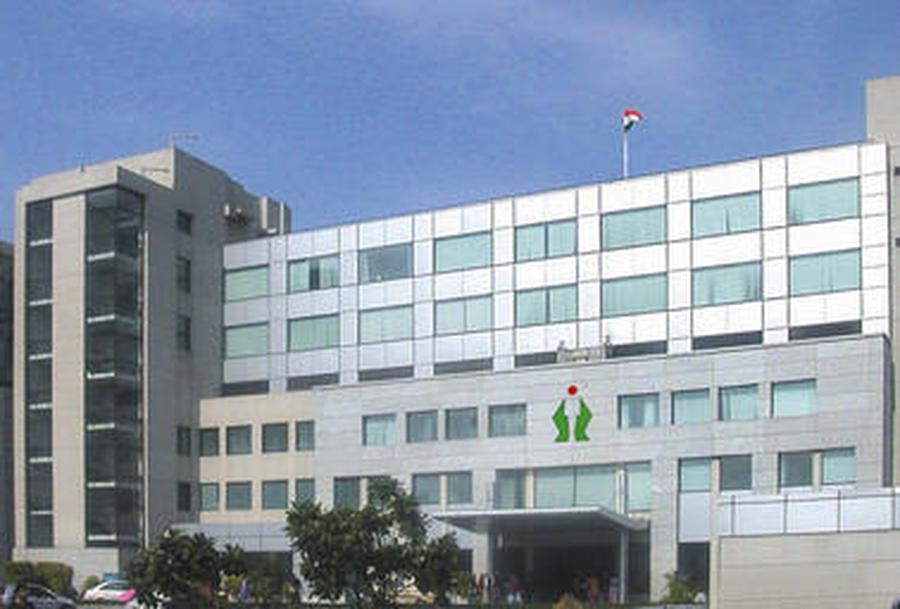









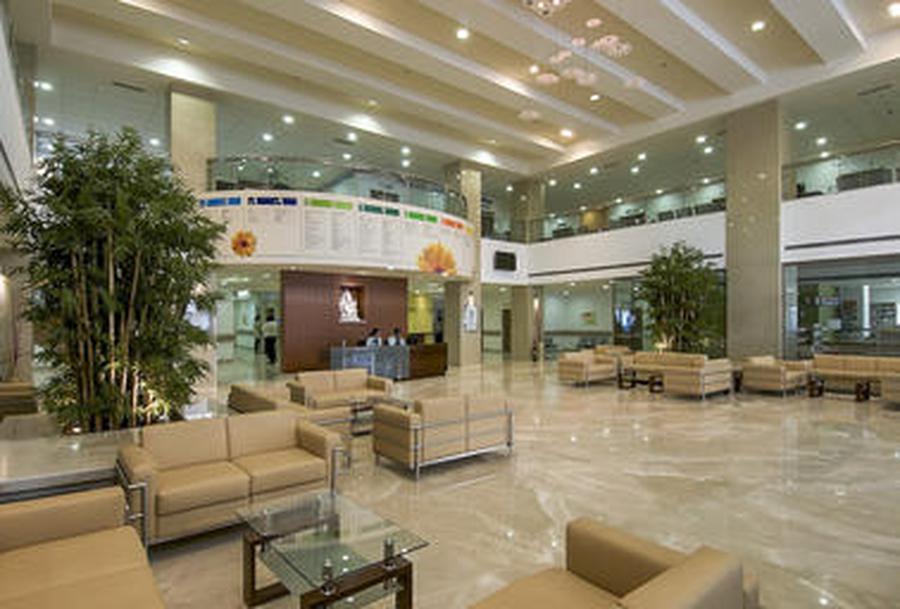
Obtenga una evaluación médica para Hidrocefalia en India: consulte con doctores experimentados ahora
Ver todos los médicos
Vikas Gupta
Jefe de Neurocirugía en el Hospital BLK – especializado en neurocirugía endovascular y técnicas mínimamente invasivas.
- Neurocirujano experto con amplia formación
- Especialista en cirugía vascular cerebral y neurooncología
- Miembro de múltiples sociedades neurológicas de prestigio
- Anteriormente ocupó cargos directivos en hospitales Fortis
Compartir contenido
Historias en video de pacientes de Bookimed
 Olena Sikoza
Preguntas frecuentes sobre el tratamiento de Hidrocefalia en India
¿Cuáles son los principales tratamientos quirúrgicos para la hidrocefalia en la India?
Los tratamientos quirúrgicos para la hidrocefalia en la India incluyen principalmente la cirugía de derivación ventriculoperitoneal y la ventriculostomía endoscópica del tercer ventrículo. Estos procedimientos se realizan en instalaciones acreditadas por la Joint Commission International. Los centros especializados utilizan tanto sistemas de derivación fabricados localmente como válvulas programables de alta gama para gestionar el drenaje del líquido cefalorraquídeo.
- Derivación ventriculoperitoneal: Dirige el exceso de líquido de los ventrículos cerebrales a la cavidad abdominal para su reabsorción.
- Ventriculostomía endoscópica del tercer ventrículo: Crea un orificio de derivación en el suelo del ventrículo para superar obstrucciones físicas.
- Sitios de derivación alternativos: Los cirujanos pueden utilizar la aurícula cardíaca o la cavidad torácica si el abdomen no es adecuado.
- Atención pediátrica especializada: Los cirujanos a menudo combinan la ventriculostomía endoscópica del tercer ventrículo con la cauterización del plexo coroideo en bebés.
Perspectiva del experto de Bookimed: Los datos sobre el volumen de pacientes de los mega-hospitales indios proporcionan una ventaja de seguridad significativa para la neurocirugía. El Global Hospital Chennai atiende a 80.000 pacientes al año, mientras que Medanta maneja 20.000. Este volumen masi
¿Cuánto dura la recuperación habitual y cuándo se pueden reanudar las actividades normales?
La recuperación tras el tratamiento de la hidrocefalia en la India suele implicar una estancia hospitalaria de 2 a 7 días. La mayoría de los pacientes retoman el trabajo de oficina en un plazo de 10 a 14 días. La restauración completa de la vida normal lleva de 2 a 3 meses. Los niveles de actividad física aumentan gradualmente para garantizar la estabilidad de la derivación (shunt).
- Estancia hospitalaria: Espere el alta de 2 a 7 días después de la colocación de la derivación o craneotomía.
- Trabajo sedentario: Los pacientes a menudo regresan a sus funciones de oficina en un plazo de 10 a 14 días.
- Actividad física: Caminar suavemente comienza de inmediato, pero el ejercicio extenuante requiere de 6 a 8 semanas.
- Conducción: Restringida durante 4 a 6 semanas para garantizar la concentración y la seguridad ante convulsiones.
Perspectiva de expertos de Bookimed: Las clínicas en centros importantes como Gurgaon y Delhi, como el BLK Super Speciality Hospital, manejan grandes volúmenes de pacientes y enfermedades neuroespinales complejas. Los datos muestran que para procedimientos tan sensibles como la colocación de una derivación, elegir grandes centros académicos como Artemis o Fortis ofrece acceso a equipos multidisciplinarios. Esto es vital porque, aunque la recuperación quirúrgica es rápida, el manejo de posibles cambios de presión postoper
¿Cuáles son las señales de advertencia de un mal funcionamiento o infección de una derivación (shunt)?
Las señales de advertencia de un mal funcionamiento de la derivación incluyen dolores de cabeza intensos, vómitos en proyectil y letargo extremo. Los síntomas pediátricos a menudo involucran el signo de "ojos en sol poniente" o una fontanela abultada. Las infecciones suelen causar enrojecimiento a lo largo del trayecto de la derivación y fiebre persistente. Busque atención neuroquirúrgica inmediata si estos síntomas ocurren simultáneamente.
- Cambios neurológicos: Confusión repentina, pérdida de memoria o somnolencia extrema en adultos.
- Signos pediátricos: Llanto agudo, mala alimentación o aumento rápido del tamaño de la cabeza.
- Indicadores físicos: Hinchazón visible, sensibilidad o enrojecimiento a lo largo de la ruta quirúrgica.
- Infección sistémica: Fiebre persistente superior a 38 grados Celsius, escalofríos o rigidez en el cuello.
Perspectiva del experto de Bookimed: El control de calidad en la India es excepcionalmente alto. Centros como el Global Hospital Chennai y los Manipal Hospitals mantienen certificaciones de la Organización Internacional de Normalización (ISO) y de la Joint Commission International (JCI). Estas instalaciones manejan volúmenes masivos, con Manipal atendiendo a 2,000,000 de pacientes anualmente en toda su red. La alta rotación de pacientes generalmente se correlaciona con una identificación más rápida de las co
¿Está cubierta la cirugía de hidrocefalia por el seguro médico indio?
La cirugía de hidrocefalia generalmente está cubierta por el seguro médico indio como un procedimiento neuroquirúrgico necesario. La mayoría de los planes privados cubren derivaciones y la ventriculostomía endoscópica del tercer ventrículo (ETV). La cobertura generalmente incluye hospitalización, honorarios quirúrgicos, dispositivos médicos e imágenes de diagnóstico como resonancias magnéticas o tomografías computarizadas.
- Tipos de procedimientos: Las aseguradoras cubren la cirugía de derivación ventriculoperitoneal y la ventriculostomía endoscópica del tercer ventrículo.
- Costos incluidos: La cobertura generalmente abarca el alquiler de la habitación, la atención de enfermería y los honorarios del cirujano.
- Programas públicos: Ayushman Bharat proporciona tratamiento gratuito para familias elegibles de bajos ingresos.
- Hospitales de la red: La aprobación sin efectivo es común en instalaciones como Fortis o Manipal.
Perspectiva del experto de Bookimed: Los datos sobre el volumen de pacientes muestran que los hospitales Manipal atienden a 2,000,000 de pacientes al año en 15 ubicaciones. Este alto volumen a menudo simplifica el proceso de reclamo de seguro debido a los protocolos de facturación establecidos. Centros especializados como Artemis o BLK Super Speciality también ofrecen experiencia en neurocirugía pediátrica. Elegir estos centros
¿Qué tan duradera es una derivación ventriculoperitoneal (DVP) y necesitará ser reemplazada alguna vez?
Una derivación ventriculoperitoneal es un dispositivo médico de por vida. Por lo general, requiere una revisión o reemplazo dentro de 6 a 10 años. Aunque está diseñado para un uso a largo plazo, casi el 50% de los pacientes requieren un ajuste quirúrgico debido a fallas mecánicas, bloqueos o crecimiento físico.
- Durabilidad en adultos: Los dispositivos generalmente funcionan durante 8 años o más en adultos.
- Vida útil pediátrica: Los niños a menudo requieren revisiones cada 2 a 5 años.
- Causas de falla: La acumulación de tejido o proteínas sanguíneas causa frecuentemente bloqueos en los tubos internos.
- Motivo de reemplazo: Las desconexiones mecánicas o infecciones requieren un reemplazo quirúrgico inmediato de la derivación.
Perspectiva de expertos de Bookimed: Clínicas indias como el Global Hospital Chennai y Fortis Gurgaon utilizan válvulas programables y antisifón para mejorar la durabilidad. Los datos muestran que los centros de alto volumen que realizan 18,000 cirugías al año mantienen tasas de infección más bajas. Elegir un centro con acreditación JCI o NABH garantiza una esterilización estandarizada para estos implantes complejos. Los neurocirujanos especialistas del BLK Super Speciality Hospital a menudo recomiendan válvulas programables para evitar cirugías repetidas para ajustes de drenaje.
Consenso de los paciente
¿Qué ciudades ofrecen los centros de tratamiento de hidrocefalia más consolidados?
Delhi, Mumbai y Gurgaon albergan los centros de tratamiento de hidrocefalia más consolidados de la India. Estas ciudades cuentan con hospitales acreditados por la JCI especializados en cirugías complejas de derivación (shunt) y ventriculostomía endoscópica del tercer ventrículo (ETV). Instalaciones como BLK Super Speciality y Medanta integran neuroravegación avanzada para el manejo de fluidos en pacientes pediátricos y adultos.
- Estándares de acreditación: Los centros de primer nivel poseen certificaciones de la Joint Commission International y NABH en materia de seguridad.
- Experiencia especializada: Cirujanos como el Dr. Vikas Gupta se centran en técnicas de neuroendoscopia mínimamente invasiva.
- Capacidad y volumen: Los hospitales Manipal en Bengaluru atienden a más de 2.000.000 de pacientes al año en múltiples especialidades.
- Diagnóstico avanzado: Las instalaciones líderes ofrecen consultas dedicadas con neurocirujanos e imágenes de alta resolución para la estadificación.
Perspectiva de expertos de Bookimed: Surge un patrón claro donde las clínicas de Gurgaon y Delhi ofrecen la mayor densidad de instalaciones con múltiples acreditaciones. Si bien Bengaluru tiene volúmenes masivos de pacientes, los hospitales de Gurgaon como Fortis están clasificados entre los más avanzados técnicamente a nivel mundial. Para revisiones complejas, estos
¿Qué credenciales debo verificar al elegir un hospital para una cirugía de hidrocefalia?
Para elegir un hospital para una cirugía de hidrocefalia en la India, verifique la acreditación de la Joint Commission International y la experiencia del cirujano en ventriculostomía endoscópica del tercer ventrículo. Los centros especializados como el Fortis Escorts Heart Institute o el Wockhardt Hospital deben contar con unidades de cuidados neurocríticos y equipos multidisciplinarios para la atención pediátrica o de adultos.
- Acreditación hospitalaria: Busque la certificación de la Joint Commission International o del National Accreditation Board for Hospitals.
- Credenciales del cirujano: Identifique neurocirujanos con títulos de maestría en neurocirugía y becas especializadas.
- Acceso a tecnología: Asegúrese de que el centro ofrezca ventriculostomía endoscópica del tercer ventrículo y neuronavegación para la derivación.
- Unidades especializadas: Confirme la presencia de una unidad de cuidados intensivos neurológicos dedicada a la recuperación.
Perspectiva de expertos de Bookimed: Los centros de alto volumen de la India, como los Manipal Hospitals, que atienden a 2.000.000 de pacientes al año, ofrecen una ventaja crítica para el éxito de la derivación. Observamos una mayor satisfacción cuando los pacientes eligen hospitales como Fortis Gurgaon, clasificado entre los más avanzados técnicamente a nivel mundial. Estas instalaciones a menudo