Hidrocefalia Tratamiento en Tailandia — Costos 2026


Revisado médicamente por
Fahad Mawlood
¿Cuál es el precio del diagnóstico y los tratamientos de Hidrocefalia en Tailandia? Descubra ahora
El costo del tratamiento de la hidrocefalia en Tailandia generalmente incluye diagnósticos esenciales como una consulta con un neurólogo, que oscila entre $100 / 3,700฿ y $150 / 5,600฿. Las intervenciones quirúrgicas clave, como las cirugías de hidrocefalia o las cirugías de derivación (shunt), varían de $9,500 / 351,500฿ a $16,000 / 592,000฿, mientras que una craneotomía cuesta entre $11,500 / 425,500฿ y $16,500 / 610,500฿. Los gastos totales dependen de la técnica quirúrgica y el tipo de derivación. Los pacientes ahorran entre un 60% y un 76% en comparación con los EE. UU. Las principales ciudades para el tratamiento incluyen Bangkok y Pattaya.
Costos típicos del tratamiento de la hidrocefalia en Tailandia
- Consulta con un neurólogo: $100 / 3,700฿ – $150 / 5,600฿
- Consulta con un neurocirujano: $90 / 3,300฿ – $140 / 5,200฿
- Cirugías de hidrocefalia, cirugías de derivación (shunt): $9,500 / 351,500฿ – $16,000 / 592,000฿
- Craneotomía: $11,500 / 425,500฿ – $16,500 / 610,500฿
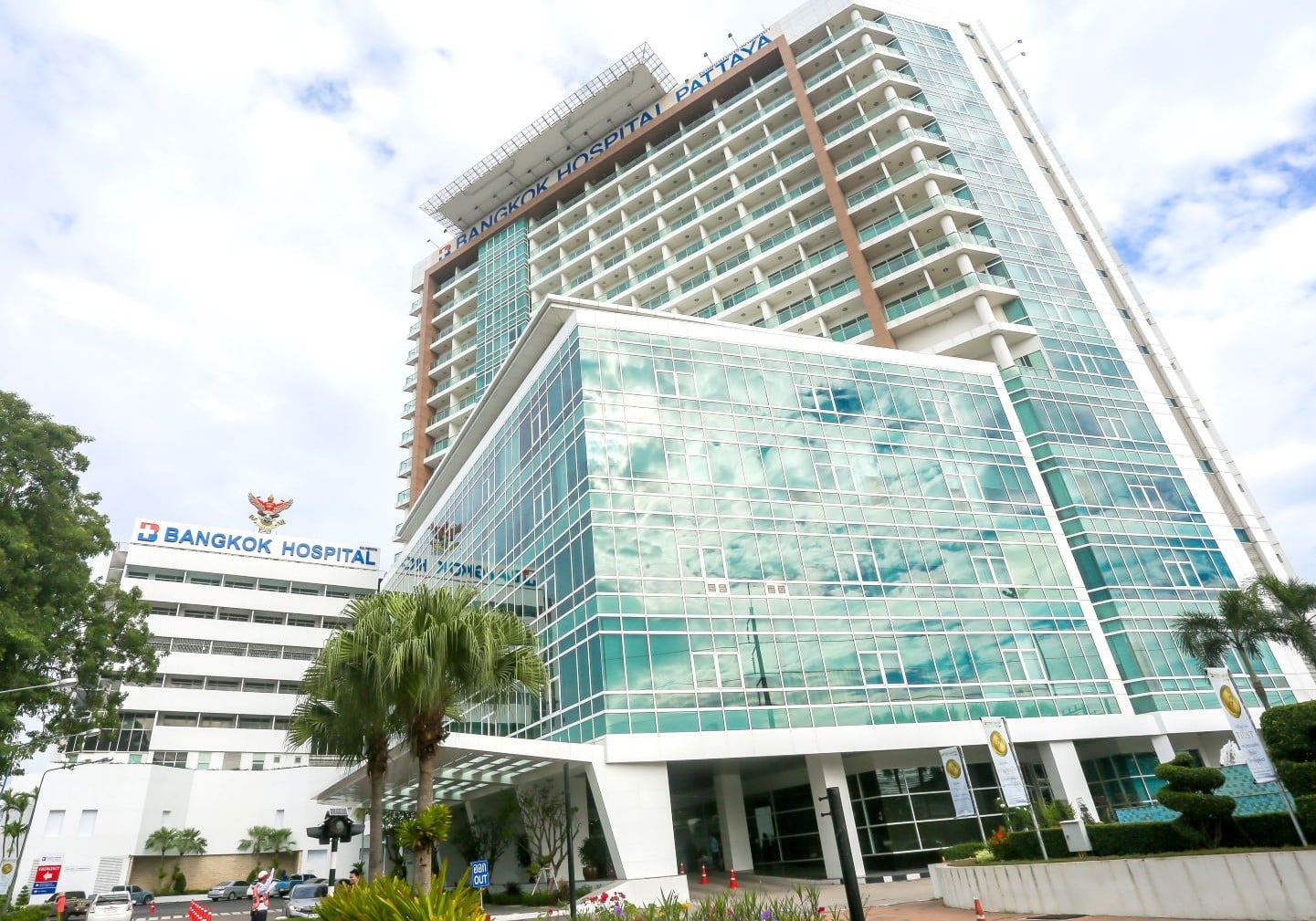
Perspectiva de los expertos de Bookimed: Los casos neurológicos complejos se gestionan mejor en centros de alto volumen acreditados por la JCI. El Bumrungrad International Hospital atiende a 1,000,000 de pacientes al año y está clasificado entre los más avanzados tecnológicamente del mundo. Para los pacientes de la costa este, el Bangkok Hospital Pattaya ofrece un importante centro de diagnóstico. Estas instalaciones brindan atención multidisciplinaria para afecciones que requieren neurocirugía avanzada e imágenes robóticas. Esto garantiza precisión durante la colocación de la derivación o los procedimientos de craneotomía.
| Tailandia | España | Turquía | |
|---|---|---|---|
| Craneotomía | ≈ $11,500 / 425,500฿ | de $32,400 / 1,198,800฿ | de $8,900 / 329,300฿ |
| Cirugías de hidrocefalia, cirugías de derivación | ≈ $9,500 / 351,500฿ | de $39,200 / 1,450,400฿ | de $5,300 / 196,100฿ |
Sus beneficios y garantías con Bookimed
Precios directos
Bookimed no añade cargos extra a los precios de los tratamientos de Hidrocefalia. Las tarifas proceden de las listas de precios oficiales de las clínicas. Pagará directamente en la clínica por su tratamiento a su llegada al país.
Sólo clínicas y médicos verificados
Bookimed está comprometido con su seguridad. Solo trabajamos con las clínicas que mantienen altos estándares internacionales en el tratamiento de Hidrocefalia y cuentan con las licencias necesarias para atender a pacientes internacionales en todo el mundo.
Asistencia 24/7 gratuita
Bookimed ofrece asistencia experta gratuita. Un coordinador médico personal le apoya antes, durante y después de su tratamiento, resolviendo cualquier problema. Nunca estará solo en su viaje médico de tratamiento de Hidrocefalia.

Su coordinador médico personal de Bookimed
- Le apoya en cada etapa
- Ayuda a elegir la clínica y el médico adecuados
- Asegura un acceso rápido y conveniente a la información
Descubra las mejores clínicas de tratamiento de Hidrocefalia en Tailandia: 2 opciones verificadas y Precios








Compartir contenido
Historias en video de pacientes de Bookimed
 Olena Sikoza
Preguntas frecuentes sobre el tratamiento de Hidrocefalia en Tailandia
¿Cuáles son las principales opciones de tratamiento para la hidrocefalia disponibles en los hospitales tailandeses?
Los hospitales tailandeses tratan la hidrocefalia utilizando métodos quirúrgicos avanzados para gestionar el líquido cefalorraquídeo. Las opciones principales incluyen la colocación de una derivación ventriculoperitoneal (DVP) y la ventriculostomía endoscópica del tercer ventrículo (VET). Instalaciones como el Bumrungrad International Hospital utilizan IA e imágenes digitales para garantizar la colocación precisa de válvulas programables y catéteres.
- DVP: Desvía el exceso de líquido de los ventrículos cerebrales al abdomen para su absorción.
- Procedimiento VET: Crea una abertura en la base del cráneo como alternativa sin derivación.
- Imágenes diagnósticas: Emplea imágenes digitales y monitoreo neurodinámico para mapear el flujo de líquido cerebral.
- Especialidad pediátrica: Los centros ofrecen VET especializada con cauterización del plexo coroideo para casos neonatales.
Perspectiva del experto de Bookimed: Elegir un centro de alto volumen impacta significativamente en los resultados para el manejo de la derivación de por vida. El Bumrungrad International Hospital trata a más de 1 millón de pacientes anualmente con departamentos de neurociencia especializados. Los grandes centros como el Bangkok Hospital Pattaya mantienen estándares JCI que aseguran protocolos estrictos para la prevención de infecciones postquirúrgicas.
Conse
¿Cuáles son las tasas de éxito de los tratamientos de hidrocefalia en Tailandia?
Las tasas de éxito para el tratamiento de la hidrocefalia en Tailandia oscilan entre el 60% y el 90% para las derivaciones estándar. La ventriculostomía endoscópica del tercer ventrículo (VET) muestra una eficacia del 74% al 100% para obstrucciones específicas. Los centros especializados en Bangkok utilizan monitorización neurodinámica para mejorar la precisión. Los resultados dependen en gran medida de la edad del paciente y de la causa subyacente.
- Eficacia de la derivación: El éxito clínico de las derivaciones ventriculoperitoneales promedia entre el 60% y el 90% en general.
- Rendimiento de la VET: Los procedimientos endoscópicos alcanzan hasta un 100% de éxito para la estenosis del acueducto.
- Alivio de los síntomas: Entre el 80% y el 91% de los pacientes reportan una rápida mejoría inicial.
- Factores de edad: El éxito es mayor en niños mayores de 1 año que en bebés.
Perspectiva del experto de Bookimed: Tailandia ocupa el quinto lugar a nivel mundial en solicitudes médicas, liderado por centros de alta capacidad como el Bumrungrad International Hospital. Esta instalación trata a más de 1 millón de pacientes anualmente con 70 departamentos especializados. Sus acreditaciones JCI y GHA verifican que las unidades de neurocirugía especializada manejan revisiones complejas con protocolos de seguridad que establecen estándares.
¿Cuáles son los riesgos o complicaciones comunes asociados con la cirugía de hidrocefalia en Tailandia?
La cirugía de hidrocefalia en Tailandia sigue estrictos estándares internacionales de seguridad. Los riesgos comunes incluyen fallas mecánicas de la derivación (shunt) o infecciones en los primeros meses. Los centros especializados utilizan imágenes avanzadas y asistencia robótica. Estas herramientas ayudan a los cirujanos a colocar las derivaciones con precisión y reducir el riesgo de lesiones vasculares durante los procedimientos endoscópicos.
- Problemas mecánicos: La falla o el desplazamiento de la derivación ocurre en aproximadamente el 50% de los casos dentro de los dos años.
- Riesgo de infección: La colonización bacteriana en el sitio de la incisión afecta aproximadamente al 5-10% de los pacientes quirúrgicos.
- Equilibrio del drenaje: El drenaje insuficiente o excesivo puede causar hematomas subdurales o síndrome de ventrículo hendido.
- Seguridad neurológica: La ventriculostomía endoscópica del tercer ventrículo conlleva un bajo riesgo de problemas hormonales o de memoria.
Perspectiva del experto de Bookimed: Los centros médicos tailandeses se centran intensamente en la infraestructura para prevenir complicaciones a largo plazo. El Bumrungrad International Hospital gestiona 1 millón de pacientes al año utilizando tecnología de edificios inteligentes y registros médicos electrónicos. Esta integración digital garantiza un seguimiento ri
¿Cuánto duran la estancia hospitalaria típica y el periodo de recuperación tras una cirugía de hidrocefalia en Tailandia?
Los pacientes en Tailandia suelen permanecer de 3 a 7 días en el hospital para una cirugía de hidrocefalia. La estabilización inicial se produce en un plazo de 72 horas en centros acreditados por la JCI. La recuperación completa de los procedimientos de derivación (shunt) suele durar de 4 a 8 semanas. La mayoría de los pacientes reanudan sus actividades ligeras en un plazo de 14 días.
- Estancia por derivación VP: La mayoría de los pacientes pasan de 3 a 4 días en observación.
- Estancia por procedimiento ETV: La ventriculostomía endoscópica del tercer ventrículo suele requerir una estancia más corta de 2 a 3 días.
- Cicatrización de heridas: Las incisiones deben permanecer secas durante 10 a 14 días hasta que se retiren los puntos.
- Límites de actividad: Evite levantar objetos de más de 4,5 kg (10 libras) durante 6 a 8 semanas.
- Seguridad en los viajes: Los cirujanos suelen autorizar a los pacientes a viajar en avión 2 semanas después de la cirugía.
Opinión de los expertos de Bookimed: La infraestructura de neurocirugía de Tailandia es enorme. El Bumrungrad International Hospital atiende a más de 1.000.000 de pacientes al año. Aunque algunos pacientes esperan visitas cortas, el gran volumen de casos internacionales hace que las clínicas suelan sugerir una estancia mínima de 5 días. Esto garantiza que la presión de la
¿Qué deben buscar los pacientes internacionales al elegir un hospital tailandés para el tratamiento de la hidrocefalia?
Los pacientes internacionales deben seleccionar hospitales tailandeses con acreditación de la Joint Commission International (JCI) y departamentos de neurología especializados. Las características prioritarias incluyen experiencia neuroquirúrgica en ventriculostomía endoscópica del tercer ventrículo y colocación de derivaciones programables. Los centros de alto volumen como el Bumrungrad International Hospital utilizan navegación robótica e inteligencia artificial para garantizar resultados quirúrgicos precisos.
- Acreditación hospitalaria: La Joint Commission International (JCI) es el estándar de oro para la seguridad.
- Tecnología quirúrgica: Busque navegación robótica e imágenes digitales para la colocación de derivaciones.
- Volumen de pacientes: Los principales centros gestionan más de 1 millón de pacientes al año para obtener mejores resultados.
- Unidades especializadas: Asegúrese de que el centro cuente con una unidad de cuidados intensivos (UCI) neuroquirúrgica dedicada.
Opinión de expertos de Bookimed: Tailandia ocupa el quinto lugar a nivel mundial en solicitudes médicas. Los datos muestran una brecha de calidad significativa entre Bangkok y las clínicas provinciales. Los grandes centros como Bumrungrad emplean a más de 1.300 médicos y utilizan tecnología de edificios inteligentes. Los pacientes que requieren neurocirugía compleja ve