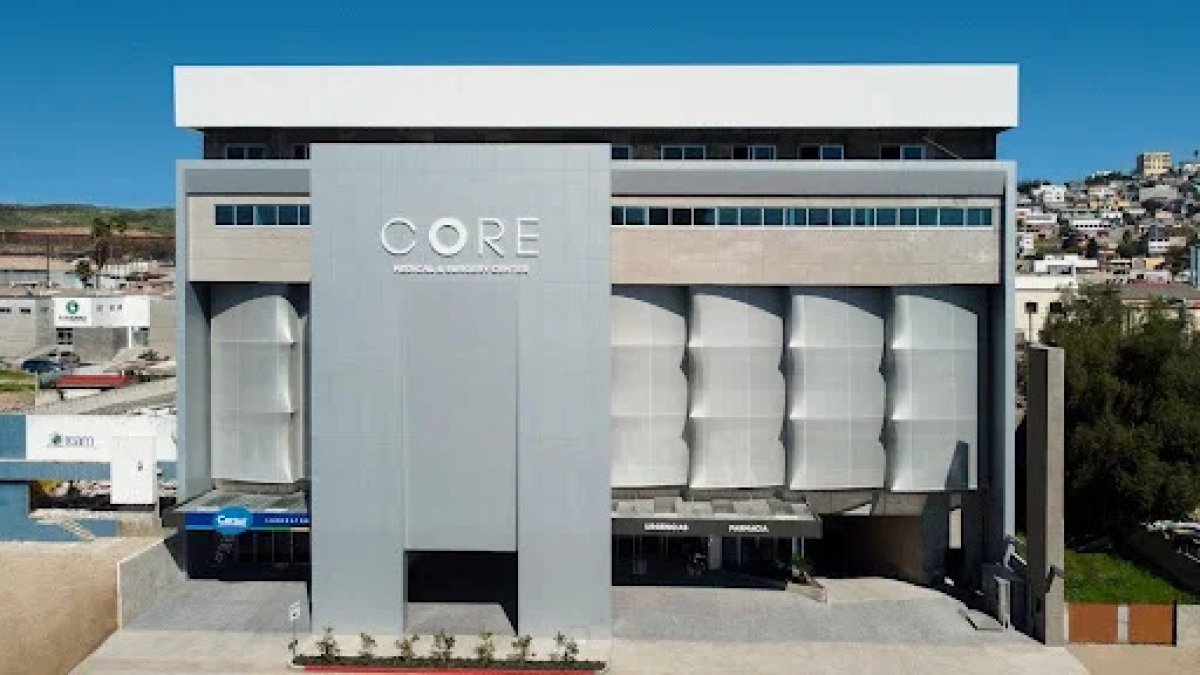
Hospital de la Familia
México, Mexicali
Juan Bustamante
38 años de experiencia

Clínica certificada por : 



Revisado médicamente por
Fahad Mawlood
El costo de la reconstrucción del ligamento cruzado anterior (LCA) en México suele oscilar de $6,500 a $9,800. Los precios pueden variar según la clínica, la experiencia del cirujano, el tipo de injerto utilizado (autoinjerto o aloinjerto) y si el procedimiento se realiza por artroscopía. UU.
Las clínicas mexicanas suelen incluir en el precio los exámenes preoperatorios, anestesia, cirugía artroscópica, materiales para el injerto, 1–2 noches de hospitalización, medicamentos postoperatorios y la terapia física inicial. En EE. UU., el precio cotizado a menudo cubre solo los honorarios del cirujano, con cargos separados por anestesia, quirófano, injertos y rehabilitación. Siempre confirmar qué está incluido con la clínica elegida.
| España | Turquía | México | |
|---|---|---|---|
| Reconstrucción del ligamento cruzado anterior | de $9,600 | de $5,100 | ≈ $6,500 |
| Artroplástica de los tendones de Aquiles | de $16,700 | de $2,000 | ≈ $3,800 |
Bookimed no añade cargos adicionales a los precios de Reconstrucción del ligamento cruzado anterior. Las tarifas proceden de las listas de precios oficiales de las clínicas. Pagará directamente en la clínica por su Reconstrucción del ligamento cruzado anterior a su llegada al país.
Bookimed está comprometido con su seguridad. Solo trabajamos con las clínicas que mantienen altos estándares internacionales en Reconstrucción del ligamento cruzado anterior y tienen las licencias necesarias para atender a pacientes internacionales en todo el mundo.
Bookimed ofrece asistencia experta gratuita. Un coordinador médico personal le apoya antes, durante y después del tratamiento, resolviendo cualquier problema. Nunca estará solo en su viaje médico de Reconstrucción del ligamento cruzado anterior.

Día 1 - Llegada
Día 2 - Preoperatorio
Día 3 - Reconstrucción del ligamento cruzado anterior
Día 4 - Postoperatorio
Semana 1 a Semana 6 - Rehabilitación
Semana 7 a Semana 12
Semana 13 a Semana 24
Semana 25 y más allá
Tenga en cuenta que el proceso de recuperación de cada paciente es individual y puede variar.
Lo que les gusta a los pacientes:
Lo que no les gusta a los pacientes:
El doctor es un distinguido Cirujano Ortopédico con más de 35 años de experiencia, especializado en ortopedia, traumatología y medicina deportiva. Ha sido miembro activo de varias sociedades profesionales, incluyendo la Sociedad de Ortopedia, la Sociedad Latinoamericana de Ortopedia y Traumatología, y la Academia Americana de Cirujanos Ortopédicos. Su trayectoria académica comenzó en la Universidad Autónoma de México, seguida de una formación especializada en ortopedia y medicina deportiva ta
 Olena Sikoza
Los cirujanos ortopédicos en México están altamente calificados para las reconstrucciones de LCA, y muchos cuentan con certificación del Consejo Mexicano de Ortopedia y Traumatología. Los mejores especialistas a menudo poseen becas internacionales de EE. UU. o Europa y operan dentro de instalaciones acreditadas por el CSG o la Joint Commission International.
Perspectiva del experto de Bookimed: Aunque México tiene 150 clínicas en nuestra red, la especialización es la principal señal de calidad. Los datos muestran que los centros de especialidad única como Ortopedia DF en la Ciudad de México a menudo brindan una experiencia más enfocada en ligamentos de rodilla que los hospitales generales. Elegir un cirujano con un alto volumen de procedimientos garantiza una mejor colocación del injerto y estabilidad a largo plazo.
Consenso de los pa
La cirugía de LCA en México es segura cuando se realiza en hospitales privados que mantienen una acreditación internacional de la JCI o CSG. Estas instalaciones utilizan tecnología artroscópica aprobada por la FDA y emplean cirujanos certificados por el Consejo Mexicano de Ortopedia y Traumatología (CMOT) para garantizar altas tasas de éxito quirúrgico.
Perspectiva del experto de Bookimed: Aunque muchos se centran en la cirugía, el verdadero diferenciador de seguridad en México es el cronograma de recuperación. Los datos de Bookimed muestran que instalaciones líderes como el Hospital de la Familia a menudo atienden a más de 230 pacientes internacionales, pero los mejores resultados provienen de aquellos que permanecen localmente durante 10 a 14 días. Esta ventana es vital para mitigar los riesgos de trombosis venosa profunda an
La recuperación física completa después de una reconstrucción del LCA en México generalmente toma de 9 a 12 meses para un retorno a los deportes competitivos. Aunque los pacientes a menudo reanudan la caminata y el trabajo de oficina ligero dentro de las 2 a 4 semanas, la integración biológica del injerto y la restauración de la fuerza requieren un enfoque de hitos a largo plazo.
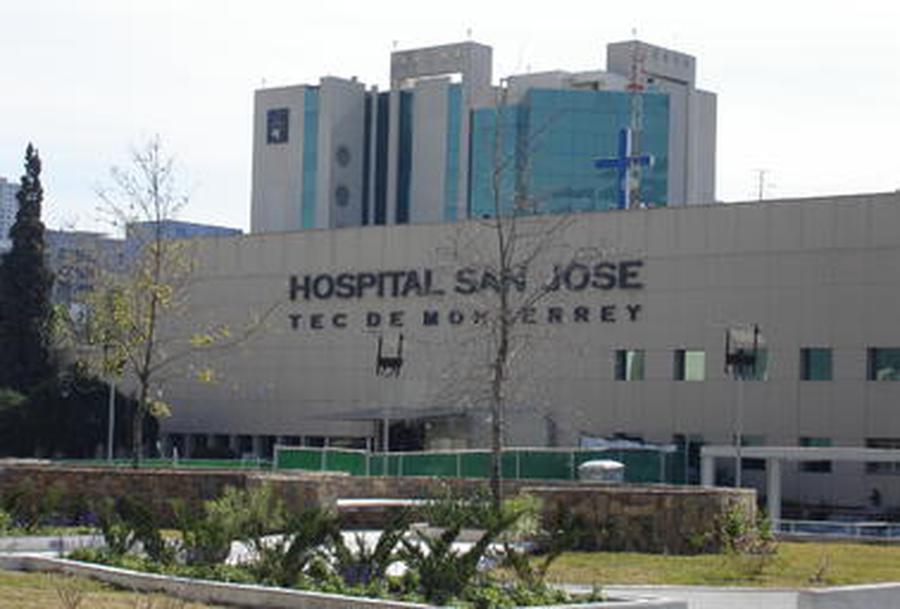
Perspectiva del experto de Bookimed: Los indicadores de calidad en México a menudo se correlacionan con las afiliaciones institucionales. Por ejemplo, el Hospital San Jose Tecnologico de Monterrey cuenta con la acreditación JCI, lo que garantiza estándares internacionales de seguridad. Los pacientes deben priorizar clínicas como Ortopedia DF que se especializan exclusivamente en ortopedia, ya que los centros de alto volumen a menudo proporcionan protocolos de fisioterapia postoperatoria más
Los cirujanos ortopédicos en México utilizan principalmente la artroscopia mínimamente invasiva para la reconstrucción del LCA. Las técnicas comunes incluyen la reconstrucción anatómica de haz único y el abordaje por portal anteromedial. Los cirujanos eligen entre autoinjertos de isquiotibiales, injertos de hueso-tendón-hueso rotuliano o aloinjertos según el nivel de actividad del paciente.
Perspectiva de expertos de Bookimed: Los centros ortopédicos mexicanos como el Hospital de la Familia se centran en la colocación anatómica del túnel. Esta técnica específica replica mejor la posición original del ligamento que los métodos antiguos. Nuestros datos muestran que los cirujanos en Mexicali y Tijuana a menudo usan esto para mejorar la estabilidad. Ayuda a los atletas a regresar a los deportes más rápido con menores tasas de falla del injerto. Muchas clínicas también ofrecen mejoras bio
Los protocolos de recuperación típicos para la reconstrucción del LCA en México requieren una estancia de 7 a 14 días antes de viajar en avión. Este período permite a los cirujanos monitorear la curación inicial, controlar la hinchazón postoperatoria y garantizar que el paciente pueda movilizarse de manera segura para minimizar los riesgos de trombosis venosa profunda durante el vuelo de regreso.
Perspectiva del experto de Bookimed: Los datos de coordinación muestran que elegir clínicas como el Hospital de la Familia en Mexicali ofrece una ventaja única. Su ubicación a solo unos pasos de la frontera con California permite a los pacientes evitar el transporte aéreo por completo. Esto elimina los riesgos de presión en la cabina y simplifica la logística de viajar con una rodillera bloqueada.
Los pacientes generalmente pueden volar de 2 a 4 semanas después de una reconstrucción del ligamento cruzado anterior en México, siempre que tengan autorización médica. La principal preocupación es la trombosis venosa profunda, que los cirujanos mitigan mediante hitos específicos como lograr una flexión de rodilla de 90 grados y controlar eficazmente la hinchazón postoperatoria antes del viaje.
Perspectiva de expertos de Bookimed: Elegir una clínica cerca de la frontera, como el Hospital de la Familia en Mexicali, permite a los pacientes de EE. UU. optar por el transporte terrestre a Calexico en lugar de volar. Esto elimina los problemas de presión en la cabina y permite descansos de movimiento más frecuentes, lo que reduce significativamente el riesgo de coágulos sanguíneos postoperatorios en comparación con un vuelo de 5 horas.
Consenso de los pacien
La mayoría de los viajeros de Estados Unidos, Canadá y el Reino Unido no necesitan una visa médica especial para una cirugía en México. Por lo general, puede ingresar con un permiso de visitante estándar, que permite recibir tratamiento médico por hasta 180 días con un pasaporte válido.
Perspectiva del experto de Bookimed: Clínicas como el Hospital de la Familia en Mexicali están situadas específicamente para quienes cruzan la frontera desde California. Esta proximidad permite a los pacientes gestionar las visitas de seguimiento sin estancias prolongadas. Nuestros datos muestran que elegir clínicas con acreditación del Consejo de Salubridad General de México (CSG) garantiza que las instalaciones cumplan con los estándares internacionales de seguridad a pesar de los costos más bajos.
Consenso de los pacientes: Los viajeros encuentran que los funciona