Ir a inicio
820К+ pacientes han recibido asistencia desde 2014
50 países
1,500 clínicas
6K+ reseñas
3K+ médicos calificados

¿Cuál es el precio de Cirugía del síndrome del túnel carpiano en México? Descubra ahora

El costo promedio de la Cirugía del Síndrome del Túnel Carpiano en México oscila entre $3600 y $4400. Las ofertas incluyen electrocardiograma, medicamentos postoperatorios, medicamentos, análisis de sangre, consulta médica, traslado aeropuerto-hotel-clínica-aeropuerto, traslado VIP, hospitalización + posterior estancia en hotel, hotel 5* y cirugía del síndrome del túnel carpiano.
Beneficios clave
La cirugía del síndrome del túnel carpiano en México ofrece un ahorro significativo en comparación con los EE.UU., con precios que oscilan entre 1.800 y 2.530 dólares. Esto es considerablemente más asequible que en EE.UU., donde el procedimiento puede costar más de 5.000 dólares, lo que supone un ahorro potencial de más del 50%. México es un destino popular para el turismo médico, especialmente en ciudades como Tijuana y Cancún. Los cirujanos cualificados de México ofrecen una atención de alta calidad, a menudo utilizando técnicas mínimamente invasivas y cumpliendo normas internacionales como la JCI. Es esencial investigar y elegir cirujanos con experiencia para garantizar un resultado satisfactorio.
Datos verificados por Bookimed a partir de May 2026, basados en solicitudes de pacientes y cotizaciones oficiales de 85 clínicas en todo el mundo. Los costos medianos se basan en facturas reales (2025–2026) y se actualizan mensualmente. Los precios reales pueden variar.

Sus beneficios y garantías con Bookimed

Precios directos

Bookimed no añade cargos adicionales a los precios de Cirugía del síndrome del túnel carpiano. Las tarifas proceden de las listas de precios oficiales de las clínicas. Pagará directamente en la clínica por su Cirugía del síndrome del túnel carpiano a su llegada al país.

Sólo clínicas y médicos verificados

Bookimed está comprometido con su seguridad. Solo trabajamos con las clínicas que mantienen altos estándares internacionales en Cirugía del síndrome del túnel carpiano y tienen las licencias necesarias para atender a pacientes internacionales en todo el mundo.

Asistencia 24/7 gratuita

Bookimed ofrece asistencia experta gratuita. Un coordinador médico personal le apoya antes, durante y después del tratamiento, resolviendo cualquier problema. Nunca estará solo en su viaje médico de Cirugía del síndrome del túnel carpiano.

¿Por qué nosotros?

Su coordinador médico personal de Bookimed

  • Le apoya en cada etapa
  • Ayuda a elegir la clínica y el médico adecuados
  • Asegura un acceso rápido y conveniente a la información

Descubra las mejores clínicas de Cirugía del síndrome del túnel carpiano en México: 10 opciones verificadas y Precios

El ranking de clínicas de Bookimed se basa en algoritmos de data science, ofreciendo una comparación confiable, transparente y objetiva. Tiene en cuenta la demanda de pacientes, las puntuaciones de reseñas (positivas y negativas), la frecuencia de actualización de opciones de tratamiento y precios, la rapidez de respuesta y las certificaciones de las clínicas.
Hospital de la Familia
Baja Hand Clinic
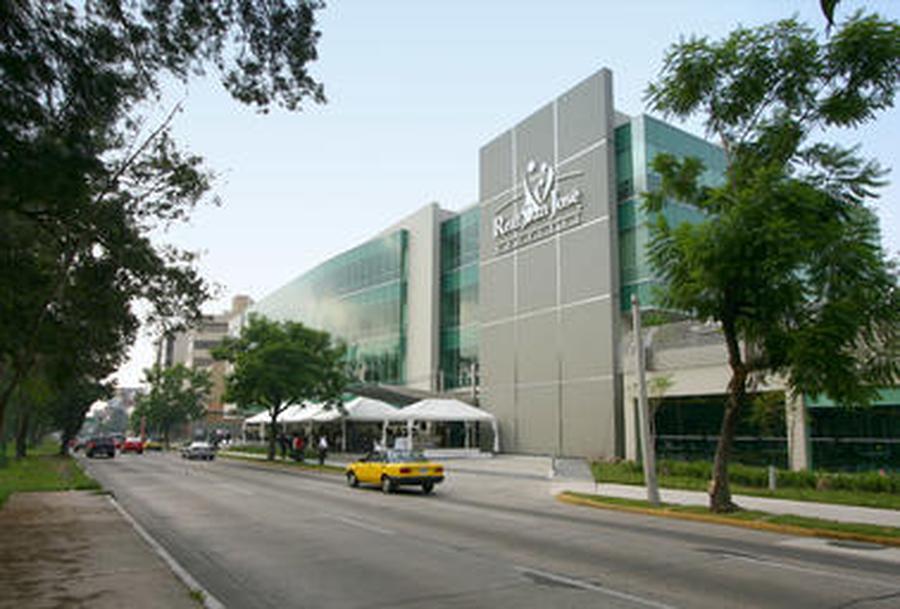
Hospital Zambrano Hellion
4.05 reseñas
Precio a consultar
Más información
Advance Health Medical Center
4.18 reseñas
Precio a consultar
Más información
Baja Surgery Center
4.65 reseñas
Precio a consultar
Más información

Descripción general de Cirugía del síndrome del túnel carpiano en México

Conclusiones
Procedimientos relacionados y Precios
Cómo funciona
Qué debe esperar
Ventajas
Pago
pacientes lo recomiendan -
85%
Tiempo de la cirugía - 1 horas
Quedarse en el país - 2 días
Rehabilitación - 4 días
Anestesia - Anestesia local
Solicitudes en curso - 143
Comisiones de Bookimed - $0

Obtenga una evaluación médica para Cirugía del síndrome del túnel carpiano en México: Elija su especialista entre los mejores en el campo

Ver todos los médicos
verificado

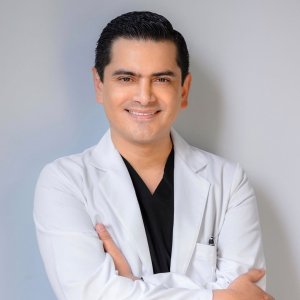
Juan Bustamante

38 años de experiencia

El doctor es un distinguido Cirujano Ortopédico con más de 35 años de experiencia, especializado en ortopedia, traumatología y medicina deportiva. Ha sido miembro activo de varias sociedades profesionales, incluyendo la Sociedad de Ortopedia, la Sociedad Latinoamericana de Ortopedia y Traumatología, y la Academia Americana de Cirujanos Ortopédicos. Su trayectoria académica comenzó en la Universidad Autónoma de México, seguida de una formación especializada en ortopedia y medicina deportiva tanto en México como en los EE.UU. Sus publicaciones académicas reflejan sus significativas contribuciones al campo médico.<\/p>

Compartir contenido

Historias en video de pacientes de Bookimed

Dayana
Combiné mis vacaciones en Antalya con un chequeo médico.
Procedimiento: Chequeo femenino
Igor
¡Fue genial! Traslados, alojamiento, tratamiento, todo incluido.
Procedimiento: Implante dental
Clínica: WestDent Clinic
Marina
Bookimed se encargó de todo. No tuve que preocuparme por nada.
Procedimiento: Chequeo femenino
Actualizado: 05/27/2022
Escrito por
Olena Sikoza
Olena Sikoza
Сopywriter en español
Copywriter médica certificada responsable del contenido en español de Bookimed. Más de 7 años de experiencia en redacción sobre salud y turismo médico, con formación académica en edición científica y desarrollo de contenidos.
Fahad Mawlood
Editor médico y Científico de datos
Médico general. Ganador de 4 premios científicos. Sirvió en Asia Occidental. Es el ex jefe del equipo médico que soporta a pacientes de habla árabe. Ahora es responsable del procesamiento de datos y la precisión del contenido médico.
Fahad Mawlood Linkedin
Esta página puede incluir información relacionada con diversas afecciones médicas, tratamientos y servicios de salud disponibles en diferentes países. Tenga en cuenta que el contenido se proporciona sólo con fines informativos y no debe interpretarse como asesoramiento médico o orientación. Por favor consulte con su médico o con un profesional médico calificado antes de comenzar o cambiar el tratamiento médico.

Preguntas frecuentes sobre Cirugía del síndrome del túnel carpiano en México

Estas preguntas frecuentes provienen de pacientes reales que buscan atención médica a través de Bookimed. Las respuestas son proporcionadas por coordinadores médicos experimentados y representantes autorizados de las clínicas.

Is carpal tunnel surgery in Mexico safe?

Carpal tunnel surgery in Mexico is safe when performed by board-certified specialists in accredited facilities. This routine 10 to 30-minute outpatient procedure maintains a high safety record. Success depends on selecting surgeons certified by the Mexican Council of Orthopedics and Traumatology (CMOT).

  • Surgeon credentials: Seek specialists with Mexican Board of Plastic Surgery (CMCPER) or CMOT certifications.
  • Facility accreditation: Confirm JCI, CSG, or ISO 9001 certifications for high safety standards.
  • Procedure volume: Top hubs like Tijuana, Mexicali, and Monterrey serve thousands of international patients annually.
  • Safety protocols: Modern clinics utilize local anesthesia and endoscopic techniques to minimize surgical risks.

Bookimed Expert Insight: While many seek the lowest price, the highest safety value is found in Mexicali and Tijuana border clinics. Hospital de la Familia, for instance, maintains CSG accreditation and sits steps from the California border. This proximity allows US patients to easily coordinate mandatory 10-day follow-up care with their local primary doctors.

Patient Consensus: Patients emphasize that success hinges on getting a clear diagnosis before travel. They suggest prioritizing surgeons who offer thorough pre-operative screenings and detailed post-surgical activity restrictions.

What does the recovery timeline look like after carpal tunnel release?

Recovery from carpal tunnel release involves initial wound healing for 10 to 14 days, with functional hand use returning within 4 to 6 weeks. While symptoms like nighttime tingling often resolve immediately, regaining full grip strength typically takes 3 to 12 months depending on the surgical technique used.

  • Incision healing: Non-dissolvable sutures are removed 10 to 14 days after the surgical procedure.
  • Activity restrictions: Patients must avoid lifting more than 2 pounds during the first week.
  • Work return: Desk workers often return within 1 to 2 weeks after surgery.
  • Full strength: Manual labor and heavy athletic activities usually resume after 6 to 12 weeks.

Bookimed Expert Insight: Data from Mexican centers like Baja Hand Clinic shows that endoscopic surgery significantly accelerates the return to desk work. While open surgery requires 1 to 2 weeks of downtime, endoscopic patients often resume light typing almost immediately. This shorter initial recovery makes the endoscopic approach a high-value choice for international patients with limited travel windows.

Patient Consensus: Many survivors note that while nerve pain vanishes quickly, the palm itself remains tender for several weeks. Patients recommend preparing for one-handed living during the first 3 days to manage early clumsiness and swelling effectively.

What surgical techniques do Mexican clinics offer for carpal tunnel release?

Mexican clinics provide two primary surgical techniques for carpal tunnel release: traditional open release and minimally invasive endoscopic release. Both methods aim to decompress the median nerve by severing the transverse carpal ligament, often within JCI-accredited or CSG-accredited facilities in hubs like Tijuana and Mexicali.

  • Open release: Surgeons use a 2-inch incision for direct visibility of the carpal ligament.
  • Endoscopic release: Tiny cameras and 0.5-inch incisions minimize scarring and speed up overall recovery.
  • Local anesthesia: Most procedures use local blocks, allowing patients to remain awake throughout.
  • Outpatient care: Surgeries typically last 15 to 30 minutes with 24-hour discharge timeframes.

Bookimed Expert Insight: While endoscopic surgery is marketed for faster recovery, open release remains the surgical gold standard in Mexico. This technique is often preferred for severe nerve compression because it offers surgeons 100% direct visualization. Premium clinics in Mexicali and Tijuana often utilize high-resolution ultrasound before surgery to confirm which approach suits your specific nerve damage level.

Patient Consensus: Patients emphasize confirming whether a technique is truly endoscopic or just a mini-open incision. Many recommend verifying the surgeon's monthly volume to ensure consistent results with minimally invasive tools.

How long do I need to stay in Mexico after carpal tunnel surgery?

Patients typically need to stay in Mexico for 3 to 14 days depending on the surgical technique. Endoscopic procedures with dissolving stitches allow for a shorter 3-to-5-day stay. Traditional open release surgeries requiring physical suture removal generally require 10 to 14 days for safe recovery.

  • Endoscopic recovery: Expect a 3-to-5-day stay for minimally invasive techniques with smaller incisions.
  • Open release: Plan for 10 to 14 days to accommodate necessary in-clinic stitch removal.
  • Travel safety: Avoid flying for 4 to 5 days to prevent swelling from cabin pressure.
  • Physical restrictions: Lifting bans require airport assistance or a companion for handling heavy luggage.

Bookimed Expert Insight: While clinics like Baja Surgery Center in Los Algodones offer same-day procedures, patients often overlook the recovery gap between being medically stable and travel-ready. Data shows JCI-accredited facilities in Monterrey and Mexicali prioritize a 48-hour observation window to ensure wound stability. Staying near the border in cities like Tijuana or Mexicali simplifies ground travel if you prefer avoiding flight-induced swelling altogether.

Patient Consensus: Patients emphasize staying until the first dressing change to confirm the incision is clean. Many find simple travel tasks like handling passports or phones surprisingly difficult with post-operative hand soreness.

What is typically included in a Mexican medical tourism package for carpal tunnel surgery?

Mexican medical tourism packages for carpal tunnel surgery typically include surgeon fees, local anesthesia, facility costs, and pre-operative lab work. These all-inclusive bundles often provide bilingual coordination and ground transportation between the airport and clinic, especially for facilities located near the United States border in Tijuana or Mexicali.

  • Surgical fees: Covers board-certified orthopedic specialists or neurosurgeons performing open or endoscopic releases.
  • Clinical diagnostics: Includes initial consultations and essential pre-operative blood work or nerve studies.
  • Post-operative gear: Packages generally bundle recovery supplies like wrist splints, bandages, and medications.
  • Logistics support: Dedicated English-speaking coordinators manage scheduling and private transfers for international patients.

Bookimed Expert Insight: While basic packages start at $1,800, higher-tier options often offer more value by including specialized endoscopic equipment. Clinics like Hospital de la Familia and Hospital Angeles Tijuana utilize their proximity to the border to offer seamless same-day outpatient experiences that significantly reduce travel stress.

Patient Consensus: Patients value the speed of scheduling and often find that travel convenience is just as important as the surgical technique. Most recommend getting written confirmation of inclusions to ensure anesthesia and facility fees are fully covered upfront.

What are the top destinations in Mexico for carpal tunnel surgery?

Tijuana, Mexicali, Monterrey, and Guadalajara are the premier Mexican destinations for carpal tunnel surgery. These cities feature advanced orthopedic centers and board-certified hand specialists. Patients often save 65% compared to US costs, with procedures ranging from $1,800 to $2,500 in accredited facilities.

  • Border proximity: Tijuana and Mexicali provide easy access for patients traveling from California or Arizona.
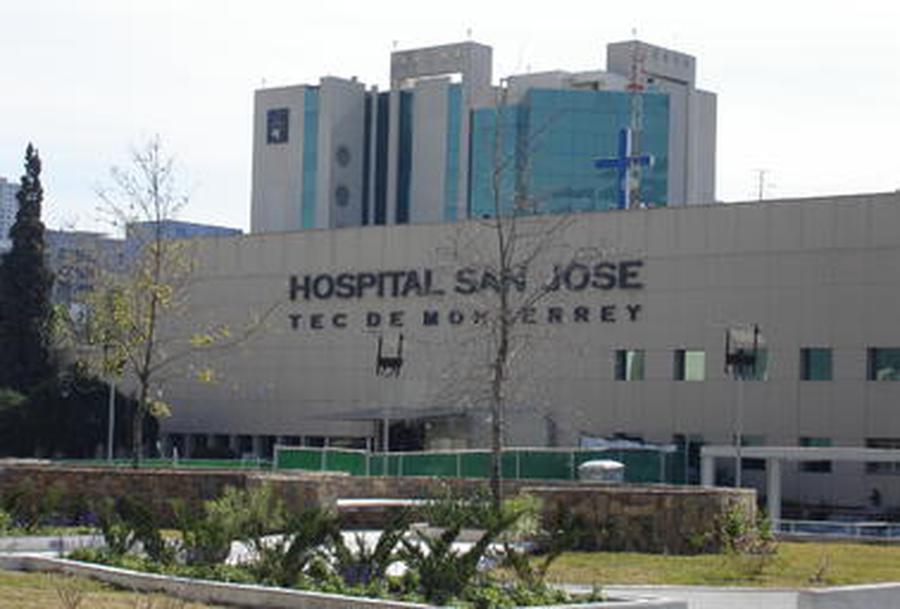
  • Hospital standards: Monterrey houses Joint Commission International-accredited facilities like Hospital San Jose Tecnologico de Monterrey.
  • Specialized expertise: Guadalajara clinics often feature surgeons certified by the Mexican Council of Plastic Surgery.
  • Advanced infrastructure: Mexico City offers the most extensive network of tertiary care surgical hospitals.

Bookimed Expert Insight: While many patients prioritize proximity in Tijuana, Mexicali actually offers a high concentration of CSG-accredited facilities. Hospital de la Familia and Hospital Hispano Americano both hold this prestigious Mexican General Health Council certification. This national safety standard often matches international benchmarks while maintaining more competitive pricing tiers than major metropolitan hubs.

Patient Consensus: Travelers emphasize that while nighttime tingling may subside quickly, full recovery of hand strength takes several months. Most recommend arranging post-operative logistics, including help with daily tasks, for the first few days after the procedure.

How are long-distance follow-ups handled after returning home?

Long-distance follow-ups after carpal tunnel syndrome surgery in Mexico rely on digital communication tools like WhatsApp and email for remote monitoring. Patients submit wound photographs and symptom updates to their surgeons while transitioning from immediate post-operative care in Mexico to long-term recovery at home.

  • Digital monitoring: Surgeons use WhatsApp or video calls to review incision photos and swelling levels.
  • Clinical check-ins: Many Mexican clinics prioritize informal, message-based updates for routine post-operative symptom tracking.
  • Care transition: Patients often require a local physician for physical interventions like late-stage stitch removal.
  • Documentation needs: Clinics provide written operative notes and medication lists to ensure continuity with local doctors.

Bookimed Expert Insight: Coordination gaps often occur when patients rely on general clinic emails for recovery questions. At facilities like Hospital Angeles Tijuana, having a direct contact person for the surgical team improves response times. Before leaving Mexico, confirm if your surgeon provides same-day replies, as most remote support follows standard Mexican business hours.

Patient Consensus: Patients report that while surgeons remain reachable for advice, the most successful recoveries involve securing a local doctor for physical exams before flying home. Accessing quick answers via messaging helps manage common concerns about pain or redness during the first week.

Pedir una consulta gratis

Seleccione la mejor manera de contactarle