Reparación de hernia de hiato en México — obtén 3 clínicas con costos


Revisado médicamente por
Fahad Mawlood
¿Cuál es el precio de Reparación de hernia de hiato en México? Descubra ahora
Beneficios clave
| España | Turquía | México | |
|---|---|---|---|
| Reparación de hernia de hiato | de $10,800 | de $5,400 | de $5,500 |
Sus beneficios y garantías con Bookimed
Precios directos
Bookimed no añade cargos adicionales a los precios de Reparación de hernia de hiato. Las tarifas proceden de las listas de precios oficiales de las clínicas. Pagará directamente en la clínica por su Reparación de hernia de hiato a su llegada al país.
Sólo clínicas y médicos verificados
Bookimed está comprometido con su seguridad. Solo trabajamos con las clínicas que mantienen altos estándares internacionales en Reparación de hernia de hiato y tienen las licencias necesarias para atender a pacientes internacionales en todo el mundo.
Asistencia 24/7 gratuita
Bookimed ofrece asistencia experta gratuita. Un coordinador médico personal le apoya antes, durante y después del tratamiento, resolviendo cualquier problema. Nunca estará solo en su viaje médico de Reparación de hernia de hiato.

Su coordinador médico personal de Bookimed
- Le apoya en cada etapa
- Ayuda a elegir la clínica y el médico adecuados
- Asegura un acceso rápido y conveniente a la información
Descubra las mejores clínicas de Reparación de hernia de hiato en México: 7 opciones verificadas y Precios
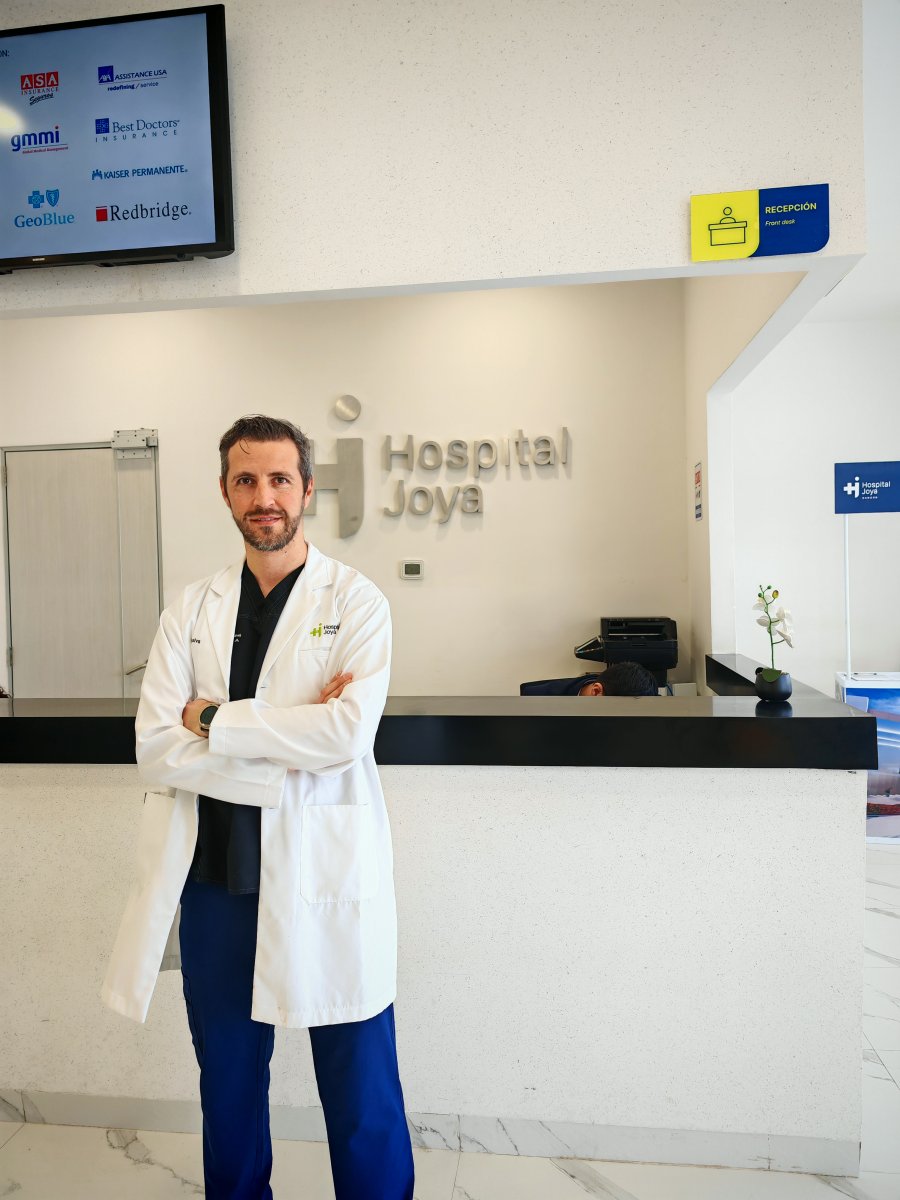



Hospital Zambrano Hellion


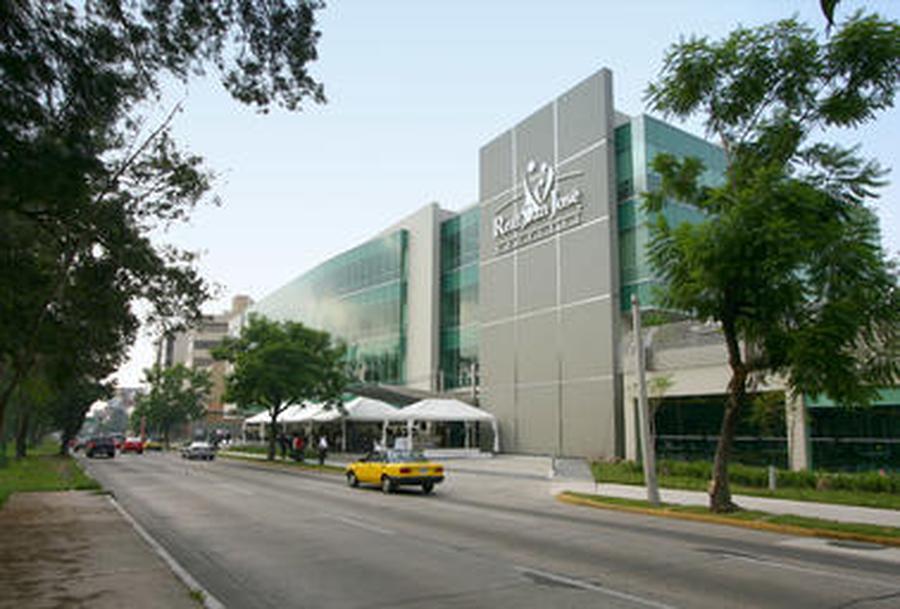





Dr. Rodrigo Prieto Bariatric & Metabolic Surgery Center - Guadalajara, Mexico

Descripción general de Reparación de hernia de hiato en México
- Reparación de hernia umbilical - de $2,300La operación corrige un bulto cerca del ombligo, lo que reduce la incomodidad y previene complicaciones peligrosas.
- Resección de estómago - de $6,500El procedimiento consiste en extirpar parte del estómago para tratar afecciones como el cáncer, lo que brinda resultados potencialmente curativos.
- Amputación - de $5,500El procedimiento consiste en extirpar una parte del cuerpo para salvar vidas, aliviar el dolor o abordar el progreso de la enfermedad.
- Cirugía de hernia inguinal - de $2,800El procedimiento trata un bulto en el área de la ingle empujándolo hacia atrás y fortaleciendo la pared abdominal.
- Reparación de hernia de hiato - de $5,500El procedimiento repara las protuberancias del tejido abdominal a través del diafragma, mejorando la digestión y reduciendo las molestias.
- Colecistectomía - de $3,400La operación extirpa la vesícula biliar para tratar cálculos biliares, inflamación o cáncer con menos cicatrices y una recuperación más rápida.
- Cirugía - de $2,500El procedimiento consiste en corregir defectos corporales o enfermedades mediante operaciones manuales, generalmente bajo anestesia.
- Aterectomía - de $7,000El procedimiento elimina la placa en las arterias, mejora el flujo sanguíneo y reduce el riesgo de enfermedades cardíacas con una cirugía mínimamente invasiva.
Día 1 - Llegada
- Llegada al centro médico.
- Complete el papeleo necesario y el registro.
- Reúnase con el equipo quirúrgico para la consulta.
Día 2 - Preoperatorio
- Someterse a pruebas médicas previas a la cirugía, como análisis de sangre.
- Se le realizará una prueba de la serie Gastrointestinal (GI) superior.
- Sométete a una prueba de enfermedad por reflujo gastroesofágico (ERGE) si es necesario.
- El ayuno comienza la noche anterior a la cirugía.
Día 3 - Cirugía
- El procedimiento dura aproximadamente 2-3 horas.
- Se administra anestesia general.
- El cirujano reparará la hernia por vía laparoscópica.
- Después de la cirugía, pasará algunas horas en recuperación.
Día 4 - Postoperatorio
- Permanezca en el hospital para observación y descanso.
- Comience actividad física ligera según lo aprobado por el médico.
- Comience una dieta líquida antes de hacer la transición a alimentos sólidos.
Semana 1 - Rehabilitación
- Continuar con actividades físicas ligeras.
- Poco a poco introduzca alimentos regulares según lo aprobado por el médico.
Semana 2 - Rehabilitación
- Regrese al trabajo si su trabajo no requiere actividad extenuante.
- Asista a las citas de seguimiento con su cirujano.
Semana 4 - Rehabilitación
- Reanude actividades físicas más vigorosas con el permiso del médico.
- Espere ver los resultados finales de la cirugía.
Nota: La recuperación de cada paciente puede variar según las condiciones de salud individuales y la complejidad de la cirugía.
- Depósito de Bookimed: 200 $ o 200 €.
- Depósito de la clínica: Pague un porcentaje fijo por adelantado.
Obtenga una evaluación médica para Reparación de hernia de hiato en México: Elija su especialista entre los mejores en el campo
Ver todos los médicos
Enrique Pliego Esquivel
El Dr. Enrique Pliego Esquivel es un cirujano bariátrico certificado especializado en afecciones relacionadas con la obesidad, incluida la reparación de hernia hiatal, con un enfoque en la atención personalizada y resultados sobresalientes.
- Miembro de la Sociedad Americana de Cirugía Metabólica y Bariátrica (ASMBS)
- Certificado por el Consejo Mexicano de Cirugía de la Obesidad
- Especializado en reflujo gastroesofágico y esofagitis por reflujo
- Más de _doctor_8959_ años de experiencia en cirugía bariátrica y metabólica
- Conocido por su profesionalismo, empatía y dedicación al cuidado del paciente

Daniel Guerra De Coss
Historias en video de pacientes de Bookimed
Reseñas
Todas las reseñasCompartir contenido
 Olena Sikoza
Datos сlave sobre Reparación de hernia de hiato
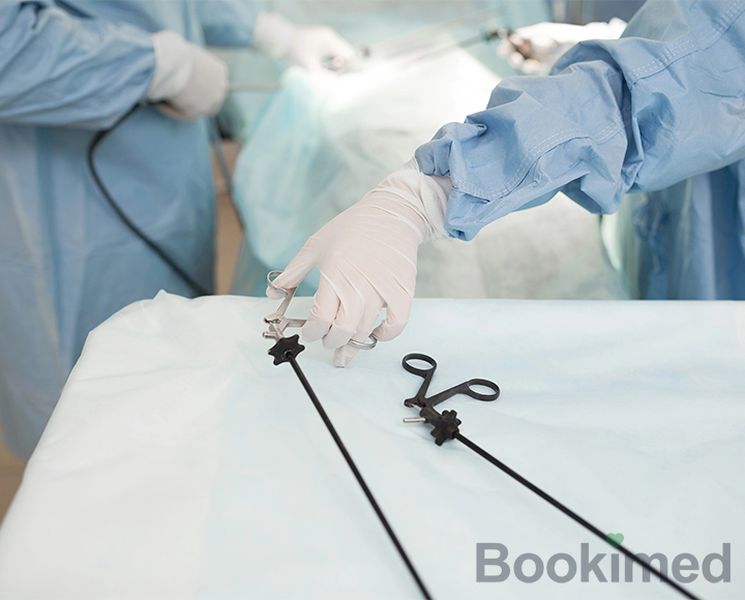
Reparación de la hernia de hiato
Esta intervención quirúrgica corrige una hernia de hiato reposicionando el estómago y reforzando el diafragma.
Preguntas frecuentes sobre Reparación de hernia de hiato en México
¿Están los cirujanos en México calificados para realizar reparaciones de hernia hiatal?
Los cirujanos en México están altamente calificados para realizar reparaciones de hernia hiatal, particularmente en centros privados en Tijuana, Guadalajara y Monterrey. Los mejores especialistas están certificados por el Consejo Mexicano de Cirugía General (CMCG) y a menudo poseen becas internacionales del American College of Surgeons.
- Certificación: Verifique las credenciales activas del CMCG a través del registro nacional CONACEM para cirugía general.
- Formación quirúrgica: Busque cirujanos con becas avanzadas en laparoscopia y gastrointestinal para reparaciones mínimamente invasivas.
- Credenciales internacionales: Busque membresías en la American Society for Metabolic and Bariatric Surgery.
- Estándares hospitalarios: Elija instalaciones con acreditación CSG o sellos de seguridad de la Joint Commission International (JCI).
Perspectiva del experto de Bookimed: Aunque muchos buscan esta cirugía en Tijuana, las clínicas de Guadalajara como el Hospital Real San Jose ofrecen un concepto único de hospital-hotel. Estas instalaciones equilibran la tecnología avanzada con entornos centrados en la recuperación. Los datos muestran que cirujanos de clase mundial como el Dr. Arturo Martinez aportan 20 años de experiencia a estos entornos de alta tecnología.
Consenso de los pacientes: Los pacientes experimentados enfatizan la
¿Qué técnicas quirúrgicas se utilizan para la reparación de hernia de hiato en México?
Los cirujanos mexicanos realizan principalmente la reparación laparoscópica de hernia de hiato para tratar el reflujo gastroesofágico y los defectos diafragmáticos. El estándar de oro es la funduplicatura de Nissen, una envoltura gástrica de 360 grados. Otros enfoques incluyen envolturas parciales de Toupet o Dor, refuerzo con malla para hernias grandes y técnicas asistidas por robot en centros especializados.
- Funduplicatura laparoscópica: Envolturas mínimamente invasivas de 360 grados o parciales realizadas en hospitales acreditados por la JCI.
- Refuerzo con malla: Matrices sintéticas o biológicas aprobadas por EE. UU. refuerzan las grandes aberturas diafragmáticas.
- Reparación asistida por robot: Los cirujanos utilizan sistemas da Vinci para una mayor precisión en casos complejos.
- Integración bariátrica: Las reparaciones de hernia a menudo se combinan con cirugía de manga gástrica o bypass.
Perspectiva del experto de Bookimed: Muchos de los mejores cirujanos mexicanos, como los de la consulta privada del Dr. Enrique Pliego, se especializan en cirugía del tracto digestivo superior. Realizan más de 500 procedimientos al año. Nuestros datos muestran que los centros de alto volumen a menudo combinan la reparación de hiato con la cirugía de pérdida de peso. Este enfoque combinado optimiza el control del reflujo a largo plazo para pacientes c
¿Cuál es la tasa de éxito de una reparación de hernia hiatal?
La reparación de hernia hiatal en México logra tasas de éxito de entre el 85 % y el 90 % para el alivio de los síntomas a largo plazo. La mayoría de los pacientes experimentan una reducción significativa del reflujo ácido y la acidez estomacal. Aunque la recurrencia física ocurre en el 10 % al 30 % de los casos, solo del 1 % al 5 % requiere una segunda cirugía.
- Control de síntomas: La mayoría de los pacientes mantienen el alivio del reflujo 10 años después de la cirugía de funduplicatura laparoscópica.
- Recurrencia anatómica: Los cambios físicos suelen ser pequeños, asintomáticos y no requieren tratamiento médico adicional.
- Enfoque mínimamente invasivo: Las técnicas laparoscópicas ofrecen una eficacia del 80 % al 90 % con tiempos de recuperación más rápidos.
- Experiencia del cirujano: Los especialistas con gran volumen de casos en Tijuana y Cancún mantienen tasas de morbilidad tan bajas como el 1,2 %.
Perspectiva del experto de Bookimed: El éxito a menudo depende del volumen quirúrgico más que de la ubicación de la clínica. Especialistas como los de la consulta privada del Dr. Enrique Pliego se centran en las complicaciones del tracto digestivo superior para garantizar la durabilidad. Elegir a un cirujano con membresía en la American Society for Metabolic and Bariatric Surgery (ASMBS) a menudo se correlaciona con estándares de seguridad m
¿Cómo puedo encontrar un hospital seguro y acreditado en México?
Encontrar un hospital seguro en México implica verificar la acreditación de la Joint Commission International (JCI) o la certificación nacional del Consejo de Salubridad General (CSG). También debe validar el número de licencia médica de su cirujano, conocido como Cédula Profesional, a través de la base de datos oficial del gobierno DGP para asegurarse de que esté legalmente autorizado.
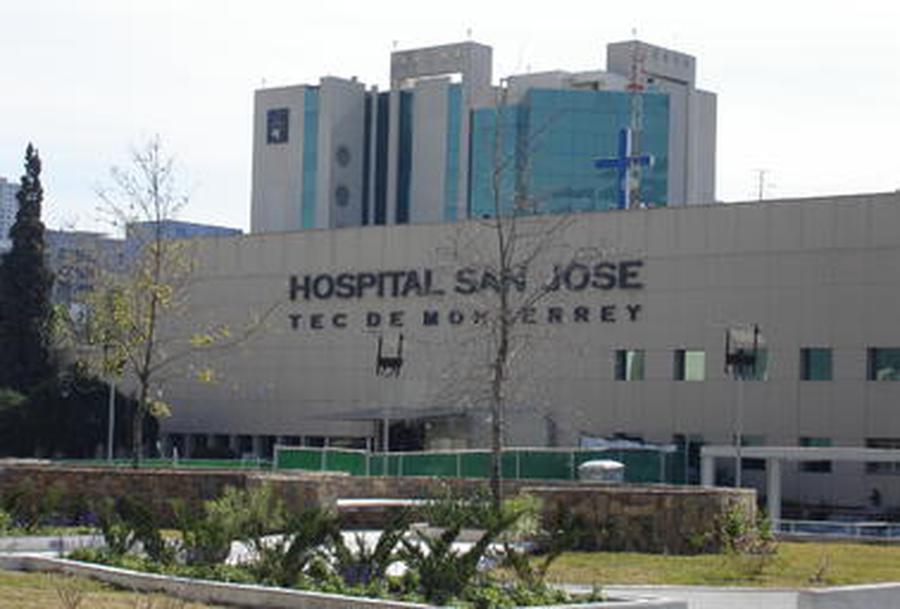
- Estándares internacionales: Instalaciones como el Hospital San José Tecnológico de Monterrey cuentan con la acreditación JCI por seguridad.
- Certificación nacional: Busque hospitales certificados por el CSG como el Hospital Real San José para garantizar protocolos sanitarios estrictos.
- Licencia médica: Verifique la Cédula Profesional del especialista y sus membresías en colegios como el Mexican College of General Surgery.
- Registro del establecimiento: Confirme que la clínica tenga un registro COFEPRIS válido para el uso legal del quirófano.
Perspectiva del experto de Bookimed: Aunque muchos buscan el precio más bajo, las instalaciones más seguras a menudo funcionan como centros de salud. Por ejemplo, el Dr. Enrique Pliego en Cancún atiende a 500 pacientes al año y mantiene los estándares del American College of Surgeons. Elegir centros con un alto volumen de pacientes y especializaciones gastrointestinales específicas generalmente garantiza una mejor gest
¿Cómo es la recuperación postoperatoria?
La recuperación tras una reparación de hernia hiatal en México implica un retorno estructurado a la actividad normal mediante técnicas laparoscópicas mínimamente invasivas. Los pacientes suelen pasar de 1 a 2 noches en hospitales acreditados por la JCI o CSG antes de pasar a una dieta líquida durante varias semanas para asegurar una correcta cicatrización esofágica.
- Movimiento inmediato: Se recomienda caminar el día de la cirugía para prevenir coágulos sanguíneos y reducir los gases.
- Progresión dietética: Fases especializadas transicionan de líquidos claros a alimentos blandos durante 4 a 6 semanas.
- Restricciones físicas: Levantar objetos pesados de más de 10 libras (aprox. 4,5 kg) está estrictamente prohibido durante al menos 6 semanas.
- Molestias iniciales: El dolor por gases en el hombro y el pecho es común debido a la insuflación laparoscópica.
Perspectiva del experto de Bookimed: Aunque muchos se centran solo en la cirugía, el éxito de la recuperación en México depende de la experiencia del cirujano con las técnicas de funduplicatura. Expertos como el Dr. Ariel Ortiz Largadere en Tijuana han participado en más de 19,000 procedimientos con tasas de morbilidad extremadamente bajas. Elegir un cirujano especializado tanto en cirugía bariátrica como antirreflujo asegura que la reparación hiatal sea duradera y reduce la posibilidad de dif
¿Cuánto tiempo debo permanecer en México para la cirugía y la recuperación?
Los pacientes deben planificar una estancia de 5 a 10 días en México para someterse a una reparación de hernia hiatal de forma segura. Este plazo cubre las pruebas clínicas preoperatorias, el procedimiento laparoscópico y la vigilancia médica esencial para garantizar que pueda tolerar líquidos y caminar normalmente antes de tomar su vuelo de regreso.
- Estancia hospitalaria: Espere pasar de 2 a 3 noches ingresado para una vigilancia profesional tras la cirugía.
- Alta clínica: Los cirujanos requieren la confirmación de la tolerancia a los líquidos y el control del dolor sin medicamentos intravenosos.
- Factores técnicos: La funduplicatura mínimamente invasiva o las reparaciones con malla pueden requerir 2 días adicionales de recuperación.
- Seguridad en el vuelo: Un margen de 7 días evita complicaciones por cambios de presión y dolor por gases durante los vuelos.
Opinión del experto de Bookimed: Aunque muchos centros bariátricos en Tijuana o Cancún ofrecen itinerarios de 4 días, las reparaciones de hernia hiatal son técnicamente más complejas que las simples mangas gástricas. Nuestros datos de centros como la consulta del Dr. Enrique Pliego muestran que una estancia hospitalaria de 3 noches sigue siendo el estándar de seguridad. Esta noche adicional garantiza que los cirujanos puedan controlar las dificultades para tragar, raras pero críticas,