Ligadura de trompas por laparoscopia en México: las 3 mejores clínicas y sus precios


Revisado médicamente por
Fahad Mawlood
¿Cuál es el precio de Ligadura de trompas por laparoscopia en México? Descubra ahora
| España | Turquía | México | |
|---|---|---|---|
| Ligadura de trompas por laparoscopia | ≈ $2,200 | de $2,400 | de $4,900 |
Sus beneficios y garantías con Bookimed
Precios directos
Bookimed no añade cargos adicionales a los precios de Ligadura de trompas por laparoscopia. Las tarifas proceden de las listas de precios oficiales de las clínicas. Pagará directamente en la clínica por su Ligadura de trompas por laparoscopia a su llegada al país.
Sólo clínicas y médicos verificados
Bookimed está comprometido con su seguridad. Solo trabajamos con las clínicas que mantienen altos estándares internacionales en Ligadura de trompas por laparoscopia y tienen las licencias necesarias para atender a pacientes internacionales en todo el mundo.
Asistencia 24/7 gratuita
Bookimed ofrece asistencia experta gratuita. Un coordinador médico personal le apoya antes, durante y después del tratamiento, resolviendo cualquier problema. Nunca estará solo en su viaje médico de Ligadura de trompas por laparoscopia.

Su coordinador médico personal de Bookimed
- Le apoya en cada etapa
- Ayuda a elegir la clínica y el médico adecuados
- Asegura un acceso rápido y conveniente a la información
Descubra las mejores clínicas de Ligadura de trompas por laparoscopia en México: 3 opciones verificadas y Precios



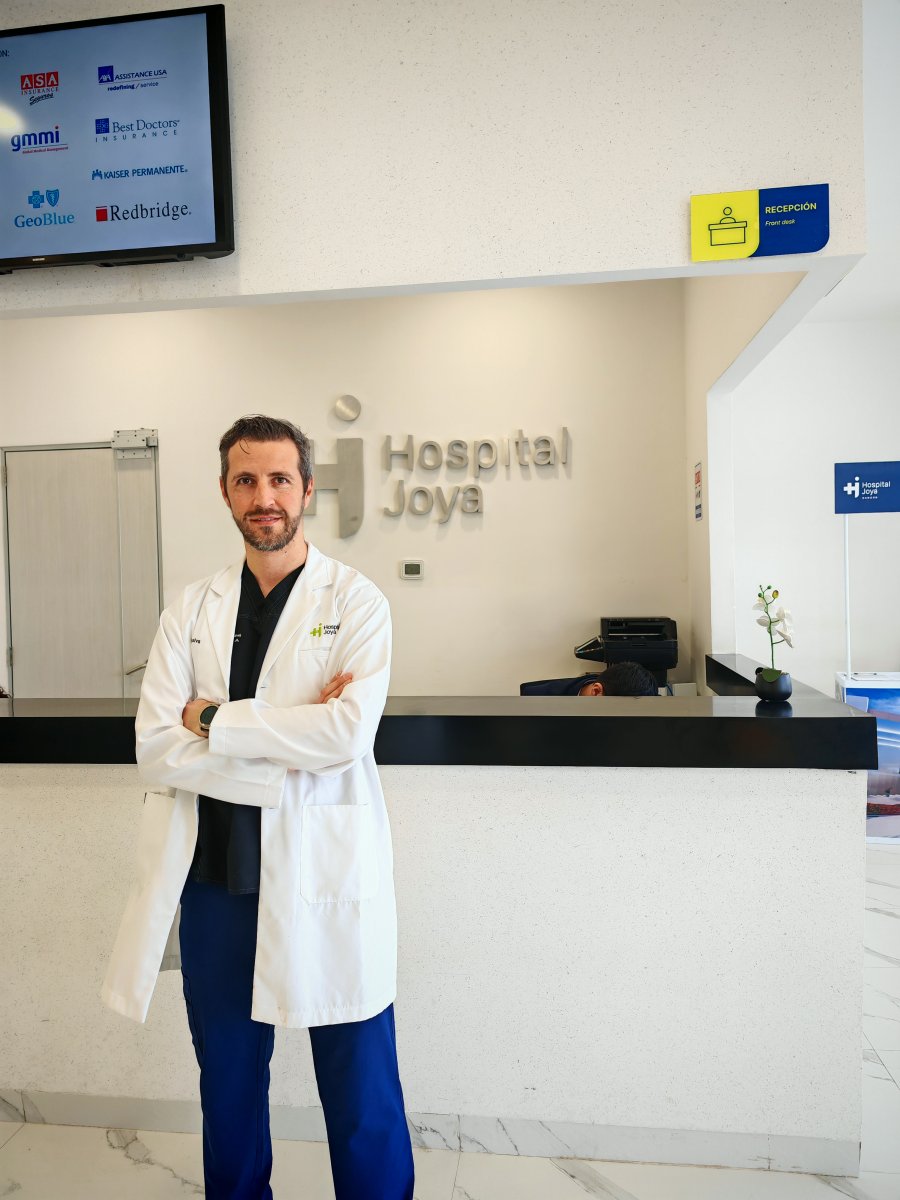
Consulta privada del Dr. Enrique Pliego
Enrique Pliego Esquivel




Clínica de la Dra. IRERI ASTEINZA
Ireri Asteinza





Descripción general de Ligadura de trompas por laparoscopia en México
- Depósito de Bookimed: 200 $ o 200 €.
- Depósito de la clínica: Pague un porcentaje fijo por adelantado.
Obtenga una evaluación médica para Ligadura de trompas por laparoscopia en México: Elija su especialista entre los mejores en el campo
Ver todos los médicos
Joaquin Ayala Del Muro
El Dr. Joaquín Ayala Del Muro es un cirujano plástico certificado en el Hospital de la Familia. Es conocido por sus procedimientos complejos de rejuvenecimiento facial y contorno corporal. El Dr. Ayala Del Muro completó una beca en Brasil bajo la tutela del fallecido Ivo Pitanguy. Mantiene un historial médico con cero demandas o muertes de pacientes.
- Especializado en estiramientos faciales de plano profundo (deep plane facelifts), "mommy makeovers" y cirugía post-bariátrica.
Enrique Pliego Esquivel
El Dr. Enrique Pliego Esquivel es un cirujano bariátrico certificado con más de 10 años de experiencia, especializado en soluciones quirúrgicas avanzadas para la obesidad y condiciones relacionadas.
- Miembro de la Sociedad Americana de Cirugía Metabólica y Bariátrica (ASMBS)
- Certificado por el Consejo Mexicano de Cirugía de la Obesidad
- Especializado en el manejo de complicaciones de cirugía bariátrica
- Ofrece atención personalizada para el reflujo gastroesofágico y la esofagitis

Jose Rojas
Con más de 25 años de experiencia, el doctor es un especialista altamente calificado en tratamiento de fertilidad con sede en Mexicali, México. El doctor se graduó de la Facultad de Medicina UNAM en la Ciudad de México y completó una pasantía en cirugía general en el Estudio Epidemiologico de la Comunidad de Ciudad Lerdo Tejada, Veracruz.<\/p>
El doctor siguió una especialización de posgrado en cirugía ginecológica y obstétrica en la Universidad Autónoma de Baja California y está
Ireri Asteinza
Historias en video de pacientes de Bookimed
Reseñas
Todas las reseñasCompartir contenido
 Olena Sikoza
Preguntas frecuentes sobre Ligadura de trompas por laparoscopia en México
¿Es seguro realizarse una ligadura de trompas laparoscópica en México?
La ligadura de trompas laparoscópica en México es segura cuando es realizada por especialistas certificados en hospitales acreditados como el Hospital de la Familia. La tasa de éxito del 99% y el riesgo de infección del 1% reflejan los estándares médicos de EE. UU. La seguridad depende de elegir cirujanos certificados por el Consejo Mexicano de Ginecología y Obstetricia.
- Certificación del cirujano: Los cirujanos deben contar con la certificación del Consejo Mexicano de Ginecología y Obstetricia para mayor seguridad.
- Acreditación de la instalación: Las mejores clínicas cuentan con la acreditación CSG o sellos de calidad de la Joint Commission International (JCI).
- Baja tasa de complicaciones: Las instalaciones modernas mantienen tasas de infección entre el 1% y el 2% utilizando tecnología avanzada.
- Experiencia especializada: Médicos experimentados como Ireri Asteinza tienen más de 20 años en cirugía laparoscópica.
Perspectiva del experto de Bookimed: Los datos muestran una ventaja de seguridad significativa en clínicas que atienden a un gran volumen de pacientes. Por ejemplo, la clínica de la DRA. IRERI ASTEINZA trata a 47,000 pacientes anualmente. Elegir centros de alto volumen a menudo garantiza que los cirujanos mantengan habilidades técnicas precisas. Esta experiencia es vital para minimizar los riesgos de anestesia durante los proced
¿Cómo se realiza una ligadura de trompas laparoscópica?
La ligadura de trompas laparoscópica es una cirugía mínimamente invasiva realizada bajo anestesia general para prevenir el embarazo de forma permanente. Los cirujanos utilizan un laparoscopio y herramientas especializadas a través de pequeñas incisiones para bloquear o extirpar las trompas de Falopio mediante cauterización, clips médicos o extirpación quirúrgica durante un procedimiento de 15 a 30 minutos.
- Acceso quirúrgico: Los cirujanos realizan pequeñas incisiones cerca del ombligo y la línea del vello púbico.
- Inflación abdominal: El gas de dióxido de carbono expande la cavidad para aclarar la visión de los órganos pélvicos.
- Oclusión tubárica: Los médicos utilizan cauterización, anillos o clips para sellar cada trompa de Falopio.
- Salpingectomía completa: Algunos cirujanos extirpan toda la trompa para aumentar la eficacia a largo plazo.
- Recuperación rápida: Los puntos de sutura absorbibles cierran las incisiones, permitiendo el alta el mismo día en la mayoría de los casos.
Perspectiva del experto de Bookimed: Si bien muchas clínicas ofrecen cauterización simple, centros como la Clínica DR. IRERI ASTEINZA o el Hospital de la Familia a menudo manejan grandes volúmenes de casos ginecológicos complejos. Observamos una tendencia creciente en la que las pacientes eligen la salpingectomía completa en lugar de los cl
¿Cuánto dura la cirugía y necesito pasar la noche en el hospital?
La ligadura de trompas laparoscópica en México suele durar de 20 a 45 minutos de tiempo quirúrgico bajo anestesia general. La mayoría de las pacientes reciben el alta el mismo día, ya que es un procedimiento ambulatorio mínimamente invasivo, aunque los médicos pueden recomendar la observación nocturna si detectan problemas de control del dolor o náuseas.
- Duración quirúrgica: Los procedimientos suelen durar entre 20 y 45 minutos.
- Estancia hospitalaria: La mayoría de las pacientes regresan a casa el mismo día después de 3 a 6 horas.
- Política de observación: Algunas clínicas, como la Clínica Dr. Ireri Asteinza, ofrecen monitoreo nocturno.
- Enfoque clínico: Los cirujanos utilizan incisiones diminutas, lo que reduce el tiempo de recuperación a un solo día.
Perspectiva del experto de Bookimed: Aunque la cirugía es rápida, las clínicas en la Ciudad de México y Mexicali a menudo tienen un volumen anual de 47,000 pacientes. Este alto rendimiento significa que los centros de ginecología especializados incluyen con frecuencia un margen de `23 horas de observación` en sus protocolos estándar para garantizar que las pacientes internacionales estén completamente estables antes de regresar a sus hoteles.
Consenso de las pacientes: Espere que toda la visita al hospital dure varias horas debido a la preparación y al aturdimiento p
¿Cuánto tiempo debo permanecer en México antes de volar de regreso a casa?
Planifique permanecer en México de 3 a 7 días después de una ligadura de trompas laparoscópica antes de volar. La mayoría de los equipos médicos recomiendan esperar de 48 a 72 horas para vuelos nacionales, mientras que de 4 a 7 días es más seguro para viajes internacionales para controlar los gases postoperatorios y la fatiga.
- Cronograma de viaje: Espere al menos 3 días para permitir que el gas CO2 se disipe de su abdomen.
- Preparación física: Asegúrese de poder caminar, hidratarse y controlar el dolor sin medicamentos fuertes antes de abordar.
- Comodidad en el vuelo: El dolor de hombro causado por el gas quirúrgico a menudo alcanza su punto máximo a las 24 horas, lo que dificulta los viajes tempranos.
- Monitoreo de la recuperación: Permanecer cerca durante 5 días permite a los cirujanos de la Clínica DR. IRERI ASTEINZA monitorear la curación inicial.
Perspectiva del experto de Bookimed: Si bien las pequeñas clínicas como el Hospital de la Familia ofrecen un acceso conveniente a la frontera, los centros más grandes como los de la Ciudad de México atienden a 47,000 pacientes al año. Este volumen a menudo significa protocolos de alta más optimizados. Elija una clínica con coordinadores internacionales dedicados para garantizar que la documentación de autorización de vuelo esté lista para el tercer día.
Consenso de los paciente