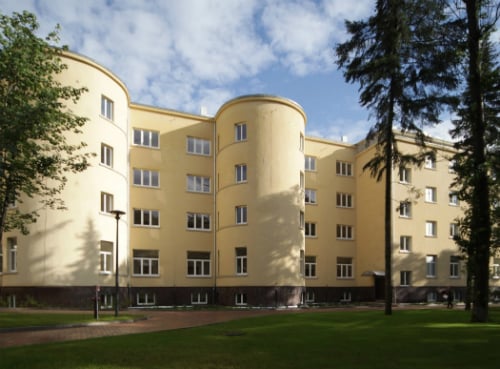
Hospital Universitario de Cracovia
Polonia, Cracovia


Revisado médicamente por
Fahad Mawlood
De $50. Las intervenciones mayores como la cirugía de cáncer de pulmón cuestan entre $9,500 y $15,500, mientras que opciones especializadas como una prostatectomía robótica da Vinci varían de $10,000 a $16,000. Los gastos dependen de la etapa del cáncer y el tipo de hospital, ofreciendo a menudo ahorros del 50-80% en comparación con los EE. UU. Los principales centros de tratamiento se encuentran en Varsovia, Cracovia y Wieliszew.
Costos típicos del tratamiento del adenocarcinoma en Polonia
Perspectiva de expertos de Bookimed: Los pacientes que buscan precisión no invasiva deben priorizar centros especializados como el Instituto de Cirugía Cibernética Cyberknife. Es la única instalación de CyberKnife en Polonia. Para casos complejos multiorgánicos, el Hospital Universitario de Cracovia ofrece experiencia de alto volumen con 455,000 pacientes anuales. Aquellos con afecciones cardíacas comórbidas se benefician del Centro Europeo de Salud de Otwock. Cuenta con el único departamento interdisciplinario de cardio-oncología del país para una administración de tratamiento más segura.
| Polonia | España | Turquía | |
|---|---|---|---|
| Terapia con haz de protones | ≈ $85,000 | de $43,300 | de $25,000 |
| Quimioterapia intraperitoneal hipertérmica (HIPEC) | ≈ $14,000 | de $29,100 | de $18,000 |
| Prostatectomía robótica da Vinci | ≈ $10,000 | de $20,100 | de $11,800 |
| CyberKnife | ≈ $6,500 | de $14,800 | de $4,900 |
| Cirugía de cáncer de pulmón | ≈ $9,500 | de $29,900 | de $8,500 |
Bookimed no añade cargos extra a los precios de los tratamientos de Adenocarcinoma. Las tarifas proceden de las listas de precios oficiales de las clínicas. Pagará directamente en la clínica por su tratamiento a su llegada al país.
Bookimed está comprometido con su seguridad. Solo trabajamos con las clínicas que mantienen altos estándares internacionales en el tratamiento de Adenocarcinoma y cuentan con las licencias necesarias para atender a pacientes internacionales en todo el mundo.
Bookimed ofrece asistencia experta gratuita. Un coordinador médico personal le apoya antes, durante y después de su tratamiento, resolviendo cualquier problema. Nunca estará solo en su viaje médico de tratamiento de Adenocarcinoma.

 Olena Sikoza
Polonia alberga centros oncológicos líderes especializados en el tratamiento del adenocarcinoma, que ofrecen cirugía avanzada y opciones robóticas. Las mejores instituciones incluyen el Instituto Nacional de Investigación Maria Sklodowska-Curie y el Hospital Universitario de Cracovia. Estos centros proporcionan oncología quirúrgica multiorgánica y radioterapia precisa para diversos tipos de cáncer.
Perspectiva del experto de Bookimed: Los datos sobre el volumen de pacientes destacan al Hospital Universitario de Cracovia como un centro regional importante con más de 1.000 médicos. Esta alta concentración de especialistas a menudo significa un mejor acceso a equipos multidisciplinarios para casos complejos de adenocarcinoma. Los centros con gran actividad investigadora como este suelen ofrecer una atención más integrada que las clín
Polonia ofrece tratamientos avanzados para el adenocarcinoma, incluyendo la cirugía robótica da Vinci, la radiocirugía CyberKnife y la terapia de protones. Los pacientes tienen acceso a diagnósticos sofisticados como la estadificación por PET-TC y el perfilado molecular. Centros especializados en Cracovia y Varsovia ofrecen quimioterapia intraperitoneal hipertérmica (HIPEC) para cánceres abdominales avanzados.
Perspectiva del experto de Bookimed: Los datos de los pacientes muestran una clara ventaja al buscar tratamiento en centros académicos especializados. El Hospital Universitario de Cracovia atiende a 455,000 pacientes al año con 103 departamentos especializados. Este alto volumen permite a los médicos mantener su experiencia en subtipos raros de adenocarcinoma que los hospita
Las tasas de supervivencia a 5 años validadas para el adenocarcinoma en Polonia varían según el órgano y el estadio. Los informes nacionales indican una supervivencia del 85,2 % para el adenocarcinoma de próstata. La supervivencia al cáncer de mama ha alcanzado el 80,0 %. Los casos colorrectales muestran tasas entre el 52,1 % y el 57,9 %. La fiabilidad de los datos es alta con un 92 % de verificación morfológica.
Perspectiva de expertos de Bookimed: El volumen clínico se correlaciona fuertemente con la experiencia en Polonia. El Hospital Universitario de Cracovia trata a 455 000 pacientes al año. Los centros de alto volumen a menudo brindan un mejor acceso a equipos multidisciplinarios. Esta experiencia colectiva es vital para gestionar eficazmente los casos complejos de adenocarcinoma.
Consenso de los pacientes: Los pacientes destacan que la supervivencia al adenocarcinoma de pulmón mejora en los centros urbanos con pruebas moleculares. Muchos
Los pacientes en Polonia esperan normalmente 10,6 semanas desde la sospecha inicial de cáncer hasta su primer tratamiento. Aunque el Fondo Nacional de Salud (NFZ) utiliza una tarjeta de diagnóstico y tratamiento oncológico (DiLO) para agilizar los procesos, aproximadamente el 60 % de los pacientes todavía espera más de 9 semanas para que comience la terapia.
Opinión de expertos de Bookimed: Los datos de 86 clínicas polacas sugieren una estrategia de doble vía para evitar los cuellos de botella del sistema público. Los pacientes suelen utilizar diagnósticos privados en centros como el Hospital Universitario de Cracovia para obtener biopsias y escáneres en cuestión de días. Una vez confirmado el diagnóstico, vuelven a entrar en el sistema público con un estatus de urgencia. Este enfoque puede reducir la espera típica de 4 a 7 meses en casos de adenocarci
No se requiere derivación para ver a un oncólogo en Polonia. Los pacientes pueden reservar citas directamente tanto en el sector público como en el privado. La ley polaca clasifica la oncología como una excepción especializada a las reglas estándar de derivación. Esto se aplica tanto a los ciudadanos como a los pacientes internacionales que buscan consultas urgentes sobre cáncer.
Perspectiva del experto de Bookimed: Polonia alberga más de 85 instalaciones médicas especializadas. Centros como el Hospital Universitario de Cracovia gestionan más de 450.000 pacientes al año. Si bien el acceso público es gratuito, las consultas privadas en centros como el Medical Centre ENEL-MED evitan los tiempos de espera administrativos. Reservar de forma privada a menudo asegura una opinión experta en días en lugar de semanas.
Consenso de los pacientes: Los pacientes s
Los pacientes internacionales que reciben tratamiento para el adenocarcinoma en Polonia acceden a apoyo lingüístico a través de intérpretes médicos profesionales, personal médico bilingüe y aplicaciones de traducción dedicadas. Los centros oncológicos privados proporcionan coordinadores especializados que gestionan la documentación, la comunicación clínica y el apoyo logístico en inglés y en otros muchos idiomas.
Opinión de los expertos de Bookimed: El análisis de las 86 instalaciones oncológicas de Polonia muestra una clara división en la accesibilidad lingüística. Los grandes centros, como el Hospital Universitario de Cracovia, atienden a 455.000 pacientes al año y pueden depender de la eficiencia de gran volumen. Para obtener un apoyo lingüístico personalizado, los pacientes deben dirigirse a centros privados de Varsovia o Cracovia. Estas
La neurocirugía en Polonia ofrece atención de alta calidad en centros con certificación JCI e ISO. Los neurocirujanos polacos se adhieren a estrictos estándares de formación adoptados por la Unión Europea. Muchos han completado becas en Estados Unidos o Alemania. Tecnologías avanzadas, como CyberKnife, Gamma Knife y sistemas robóticos, están ampliamente disponibles en centros privados.
Opinión experta de Bookimed: Los datos muestran una fuerte correlación entre la especialización de una clínica y el origen de sus pacientes. La Clínica KCM atiende a más de 700 pacientes internacionales al año. Se especializa en cirugía de columna mínimamente invasiva. Este volumen de trabajo le permite ofrecer paquetes de servicios especializados, que a menudo incluyen bloques de diagnóstico e implantes específicos, como el DIAM de Medtronic.
Los neurocirujanos polacos son especialistas altamente cualificados que han completado al menos 13 años de rigurosa formación médica. Esto incluye seis años de estudios de medicina, 13 meses de prácticas y seis años de residencia. Deben aprobar el Examen Estatal de Especialización (PES) y suelen estar certificados por la Asociación Europea de Sociedades de Neurocirugía (EANS).
Opinión experta de Bookimed: Los datos muestran que los neurocirujanos polacos suelen especializarse en tecnologías altamente especializadas, como el sistema ApiFix o el sistema de endoscopia lumbar SED-YESS. Especialistas como el Dr. Stanisław Kwek, de la Clínica KCM, combinan la investigación postdoctoral con una práctica quirúrgica activa. Esta combinación de profundos conocimientos académicos y un alto volumen quirúrgico los hace especialmente eficaces en cirugías de columna complejas y mínimamente in
Entre las mejores clínicas neuroquirúrgicas de Polonia se encuentran el Hospital Carolina, la Clínica KCM y centros académicos de primer nivel como el Hospital Universitario de Cracovia. Estas instituciones ofrecen tratamientos de vanguardia para enfermedades de la columna vertebral y el cerebro que cumplen con los estándares de calidad ISO y emplean a especialistas miembros de organizaciones internacionales como AO Spine.
Opinión experta de Bookimed: Si bien muchos buscan los hospitales más grandes, los datos muestran que clínicas como el Hospital Carolina ofrecen mayor eficiencia para cirugías electivas. Con más de 40 médicos especialistas en este centro de 30 camas, la proporción médico-paciente es significativamente mayor que en los centros universitarios públicos. Esto se traduc
En Polonia, la neurocirugía se centra principalmente en cirugías de columna y extirpación de tumores cerebrales. Los hospitales realizan con frecuencia microdiscectomías, fusiones espinales y estimulación cerebral profunda. Centros como el Hospital Carolina y la Clínica KCM utilizan técnicas mínimamente invasivas para tratar hernias discales, lesiones de columna y trastornos neurológicos complejos.
Opinión experta de Bookimed: Polonia se ha convertido en un centro de estabilización espinal especializada. Clínicas como el Hospital Carolina colaboran con equipos deportivos nacionales, lo que refleja su alto nivel de experiencia en el tratamiento de lesiones espinales complejas. Nuestros datos muestran que estas instituciones suelen integrar la rehabilitación directamente en el tratamiento quirúrgico. Esta combinación reduce el riesgo de compl