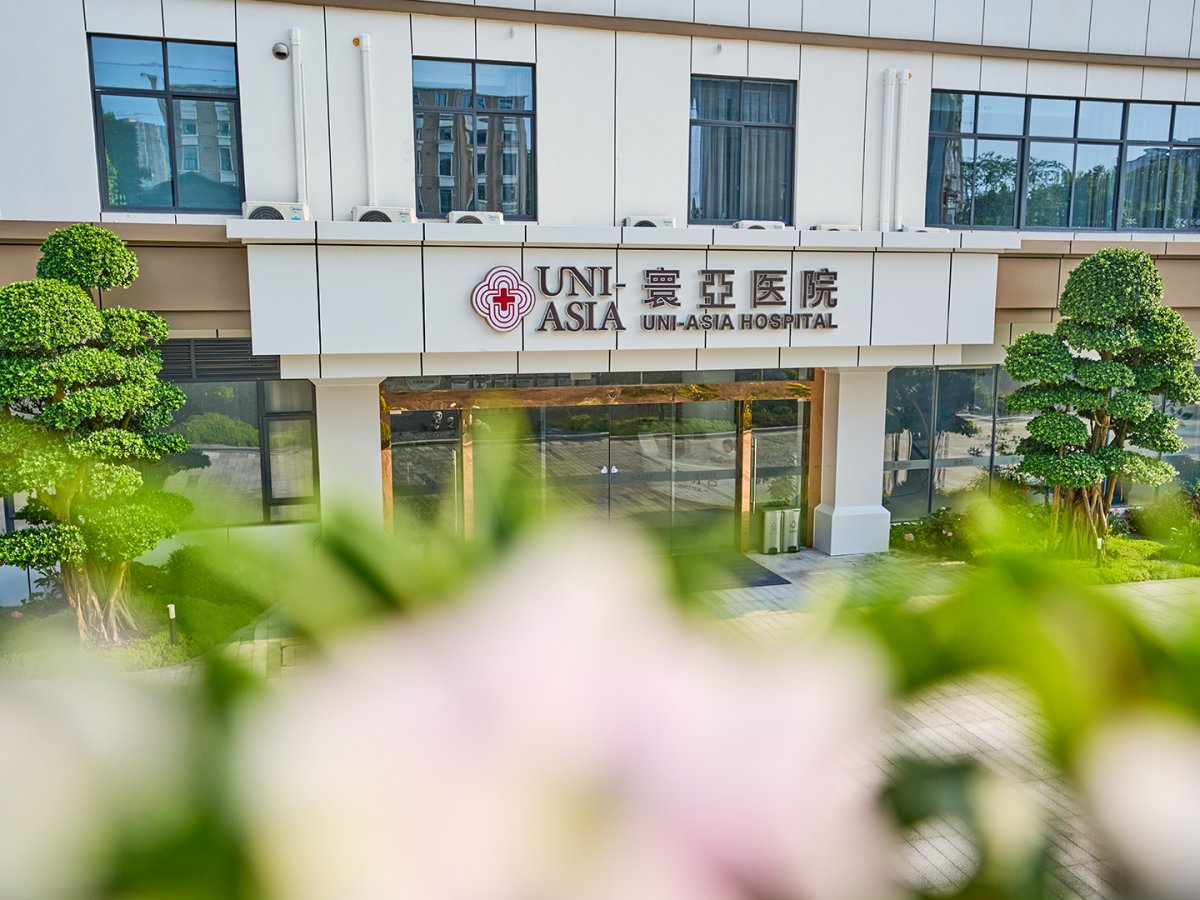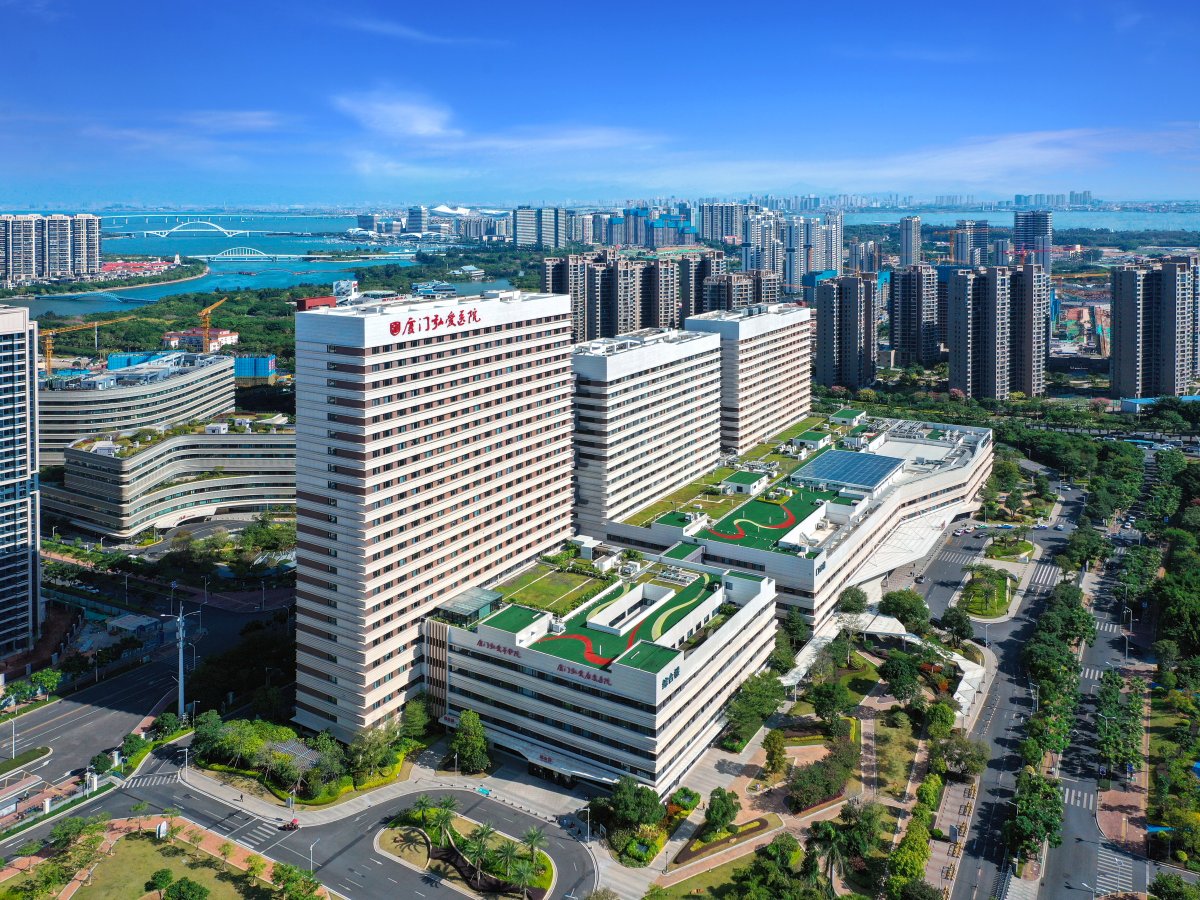
Hospital Xiamen Humanity
China, Xiamen


Revisado médicamente por
Fahad Mawlood
De $400. La radioterapia para el cáncer colorrectal cuesta de Precio a consultar a Precio a consultar. Los gastos totales dependen de la etapa del cáncer y del nivel del hospital. Los pacientes pueden ahorrar entre un 50% y un 85% en comparación con los Estados Unidos. Los mejores centros de tratamiento se encuentran en Guangzhou, Xiamen y Shanghái.
Costos típicos del tratamiento del adenocarcinoma en China
Perspectiva de los expertos de Bookimed: Los pacientes en etapas avanzadas encuentran el mejor valor en instalaciones multidisciplinarias como el Fuda Cancer Hospital. Ofrecen NanoKnife y criocirugía especializados para casos complejos. Para aquellos que requieren radioterapia de precisión, el Xiamen Humanity Hospital brinda atención experta bajo el liderazgo de oncólogos experimentados. Los pacientes en etapas tempranas se benefician de centros acreditados por la JCI que garantizan estándares internacionales de seguridad mientras mantienen grandes ahorros. Los enfoques multimodales en estos hospitales terciarios son los más efectivos para las neoplasias torácicas y abdominales.
| China | España | Turquía | |
|---|---|---|---|
| Terapia con haz de protones | ≈ $28,000 | de $43,300 | de $25,000 |
| Quimioterapia intraperitoneal hipertérmica (HIPEC) | ≈ $9,000 | de $81,800 | de $18,000 |
| Prostatectomía robótica da Vinci | ≈ $17,000 | de $20,100 | de $11,500 |
| CyberKnife | de $7,000 | de $14,800 | de $4,900 |
| Cirugía de cáncer de pulmón | de $14,800 | de $29,900 | de $8,500 |

Médico jefe y profesor. Experto de nivel 1 en el Centro Oncológico del West China Hospital, Sichuan University (clasificado n.º 2 en China). Completó un posdoctorado en radiología intervencionista en el Chinese PLA General Hospital. Dirige equipos multidisciplinarios (MDT) para tumores complejos. Experto en oncología intervencionista mínimamente invasiva para cánceres de hígado, pulmón y páncreas.
Acreditaciones: Miembro del consejo, WATA. Miembro de los comités de CACA y CMDA sobre in

El Dr. He Weibing es pionero de la crioablación con argón‑helio en China, con más de 20 años de práctica en primera línea. Fue miembro fundador del Hospital Oncológico Fuda (Guangzhou). Cofundó su Centro de Tratamiento Tumoral Mínimamente Invasivo y fue subdirector ejecutivo. También ayudó a crear el Grupo de Ablación de la Asociación China contra el Cáncer. Ha sido operador principal en más de 10.000 procedimientos.
Se especializa en crioablación tumoral y domina la braquiterapia con

El profesor Luo Xiaoping es un radiólogo intervencionista reconocido a nivel nacional y una autoridad destacada en el oeste de China. Comenzó a realizar intervenciones vasculares pioneras a principios de la década de 1990. Ayudó a fundar el Grupo de Intervencionismo del Segundo Hospital Afiliado de la Universidad Médica de Chongqing.
Ha realizado más de 100 000 procedimientos intervencionistas, incluidos unos 4 000 casos complejos. Sus competencias clave incluyen TACE para el carcinoma

El profesor Xiao Yueyong es médico jefe del Departamento de Radiodiagnóstico del Hospital General del EPL de China. Es un experto líder en oncología intervencionista mínimamente invasiva. Es el primer presidente de WATA (2025–). Preside la Sociedad Internacional (2020–) y la Sociedad Asiática (2012–) de Crioterapia. También es subjefe del Grupo de Expertos de la NHC sobre regulaciones de ablación tumoral (2009–).
Ha realizado más de 100 000 procedimientos mínimamente invasivos guiados
 Olena Sikoza
China ofrece tratamientos únicos para el adenocarcinoma, incluyendo la terapia CAR-T para tumores sólidos y virus oncolíticos disponibles en etapas tempranas. Instituciones como el Hospital Oncológico Fuda se especializan en crioinmunoterapia mínimamente invasiva para etapas avanzadas de la enfermedad. Estos protocolos suelen recibir la aprobación regulatoria varios años antes que en los mercados occidentales. Los pacientes tienen acceso a tratamientos específicos dirigidos a la proteína Claudina 18.2.
Opinión de expertos de Bookimed: China es un centro neurálgico para el tratamiento avanzado del cáncer, ya que instituciones como el Hospital Oncológico Fuda combinan más de 10 tipos de terapias mínimamente invasivas. Nuestros datos muestran que los hospitales chinos tratan hasta 1.000.000 de pacientes al año. Este elevado volumen de
En China, la medicina tradicional china (MTC) se integra frecuentemente con los tratamientos convencionales para el adenocarcinoma con el fin de mejorar los resultados. Este enfoque integral combina los tratamientos occidentales dirigidos al tumor con la perspectiva holística de la MTC. Ayuda a aliviar los efectos secundarios de la quimioterapia, como las náuseas y la fatiga, a la vez que fortalece el sistema inmunitario del paciente durante la recuperación.
Opinión experta de Bookimed: Los datos de pacientes del Hospital Jinshazhou de la Universidad de Medicina Tradicional China de Guangzhou muestran una tendencia significativa: tecnologías de vanguardia como el CyberKnife M6 se ubican físicamente en instalaciones asociadas con la medicina tradicional china. Esta proximidad demues
Pekín, Shanghái y Cantón son los principales centros de tratamiento del cáncer en China. Estas ciudades albergan centros nacionales como el Hospital Oncológico de la Academia China de Ciencias Médicas. Estas instituciones suelen estar acreditadas por la Joint Commission International (JCI) y se especializan en tratamientos de vanguardia como CyberKnife y NanoKnife.
Opinión de expertos de Bookimed: Guangzhou ocupa una posición privilegiada para pacientes internacionales gracias a su alta concentración de tecnologías mínimamente invasivas. El Hospital Oncológico Fuda ha tratado a más de 30 000 pacientes internacionales mediante criocirugía especializada y protocolos NanoKnife. Mientras que los centros de Pekín se centran en la investigación nacional, las clínicas de Guangzhou suelen ofrecer paquetes de servicios de alta tecnología más asequibles. Por e
Los pacientes internacionales en China suelen pagar el 100% de su tratamiento de adenocarcinoma por adelantado. La mayoría de los hospitales exigen comprobante de fondos suficientes para la hospitalización. Los pagos grandes generalmente se realizan mediante transferencia bancaria, Alipay o WeChat Pay. El seguro médico internacional suele requerir una preaprobación de dos a cuatro semanas antes de la llegada.
Opinión de expertos de Bookimed: Los paquetes de tratamiento CyberKnife M6 en Guangzhou, con un precio aproximado de 56 000 yuanes, a menudo no incluyen la hospitalización. Nuestros datos muestran que centros especializados, como el Hospital Oncológico Fuda, atienden a más de 30 000 pacientes internacionales. Estas instituciones acreditadas por la JCI suelen requerir alojamiento en hotel por separado. Confirme
Los hospitales chinos cuentan con departamentos internacionales especializados para atender a pacientes extranjeros, ofreciendo intérpretes médicos in situ y servicios de coordinación acreditados por la JCI. La logística suele incluir asistencia con la visa, traslados al aeropuerto y el uso de herramientas de comunicación digital como grupos de WeChat. Los paquetes integrales generalmente incluyen consultas quirúrgicas, medicamentos y transporte local para garantizar una atención sin contratiempos.
Opinión de expertos de Bookimed: Si bien instituciones de primer nivel como el Hospital Oncológico Fuda atienden a miles de pacientes internacionales, la logís