Adenocarcinoma en España: las 10 mejores clínicas para su tratamiento


Revisado médicamente por
Fahad Mawlood
Cómo funciona
¿Cuál es el precio del diagnóstico y los tratamientos de Adenocarcinoma en España? Descubra ahora
De $400
Costos típicos del tratamiento del adenocarcinoma en España
- Consulta con un oncólogo: de $340
- Revisión histopatológica: de $340
- Tomografía computarizada (TC) de la parte del cuerpo: de $400
- PET/TC en cáncer de mama: de $730
- Cirugía de cáncer de pulmón: de $29,900
- Cirugía de Whipple: de $27,000
- Prostatectomía robótica da Vinci: de $20,100
- Quimioterapia intraperitoneal hipertérmica (HIPEC): de $29,100
- CyberKnife: de $14,800
- Braquiterapia: de $8,100
Perspectiva de expertos de Bookimed: Los pacientes que buscan el estándar de oro en oncología deben priorizar centros acreditados por la JCI como el Centro Médico Teknon. Atiende a 10,000 pacientes al año y proporciona diagnósticos avanzados para personas de alto perfil. Para sarcomas complejos o adenocarcinomas raros, la Clínica Universidad de Navarra es la mejor opción. Mantiene una tasa de preservación de extremidades del 95%. Aquellos interesados en ensayos clínicos pueden encontrar oportunidades de tratamiento sin costo en Quirónsalud Madrid. Para protocolos avanzados de cáncer de mama, el Hospital Quirón Barcelona ofrece atención especializada a través de su colaboración con el Instituto Oncológico Baselga.
Descubra las mejores clínicas de tratamiento de Adenocarcinoma en España: 10 opciones verificadas y Precios



















GenesisCare Clinics

Obtenga una evaluación médica para Adenocarcinoma en España: consulte con doctores experimentados ahora
Ver todos los médicos
Agusti Barnadas Molins
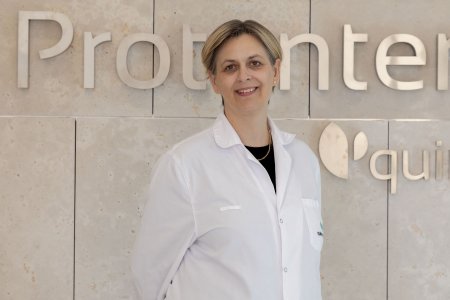
Stephanie Lilianne E Bolle
La Dra. Stephanie Lilianne E. Bolle es oncóloga radioterápica y jefa de Oncología Radioterápica del Centro de Protonterapia de Quirónsalud en Madrid. Dirige el departamento desde julio de 2024. Es el primer centro de protonterapia de España.
Doctora en Medicina, Universidad de Lieja (1998). Especialista en Oncología Radioterápica (2003). Es miembro activo de la Sociedad Europea de Oncología Pediátrica y colabora con su Grupo de Tumores Cerebrales y el Grupo de Trabajo de Oncología Radi
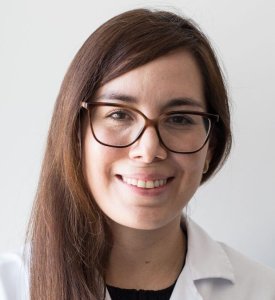
Silvia Daniela Camacho Arellano
El doctor es un oncólogo médico altamente cualificado especializado en cáncer de mama en todas las etapas clínicas, incluyendo cuidados curativos y paliativos. Con un título de medicina de la Pontificia Universidad Católica del Ecuador y una residencia de cinco años en el Hospital de la Santa Creu i Sant Pau, el doctor posee un Máster en Oncología Médica por la Sociedad Española de Oncología Médica (SEOM).
Actualmente ejerce en el International Breast Cancer Center (IBCC) y en el IOB In

Lopez Ibor
Con más de 20 años de experiencia, la Dra. Lopez Ibor dirige la Unidad de Hematología y Oncología Pediátrica del Hospital HM Montepríncipe.
- Especializarse en tumores óseos y cerebrales pediátricos
- Formarse en Hematología y Oncología Pediátrica en la Universidad de Maryland
- Autora de numerosas publicaciones científicas
- Dirigir anteriormente la misma unidad en el Hospital Universitario Clínica San Rafael
Compartir contenido
Historias en video de pacientes de Bookimed
 Olena Sikoza
Preguntas frecuentes sobre el tratamiento de Adenocarcinoma en España
¿Cuáles son las principales opciones de tratamiento para el adenocarcinoma en España?
España ofrece tratamientos multidisciplinarios para el adenocarcinoma mediante cirugía, radiación de alta precisión y protocolos oncológicos en centros acreditados por la JCI. Las principales opciones incluyen la cirugía asistida por robot para tumores resecables y la terapia de protones avanzada Proteus ONE. Los enfoques especializados como HIPEC y las terapias dirigidas personalizadas son estándar en los principales hospitales académicos.
- Robótica quirúrgica: Los cirujanos utilizan el sistema da Vinci para procedimientos precisos de próstata y gastrointestinales.
- Radioterapia avanzada: La terapia de protones en centros especializados escala las dosis para minimizar el daño al tejido circundante.
- Quimioterapia intraperitoneal: HIPEC trata los adenocarcinomas abdominales metastásicos inmediatamente después de la cirugía de citorreducción tumoral.
- Oncología dirigida: Las pruebas genéticas identifican mutaciones HER2 o KRAS para guiar la selección de fármacos de inmunoterapia.
Perspectiva del experto de Bookimed: El mercado oncológico de España muestra un claro enfoque en la eficiencia de alto volumen. El Hospital Universitario HM Madrid gestiona más de 2,3 millones de pacientes ambulatorios al año. Este enorme volumen de casos permite que centros especializados como el Proton Therapy Centre Quironsalud acumulen experiencia rápidamente. P
¿Qué clínicas se consideran líderes en el tratamiento del adenocarcinoma en España?
España alberga centros de oncología reconocidos mundialmente como Quironsalud Madrid y el Centro Médico Teknon. Estos centros acreditados por la JCI son líderes en el tratamiento del adenocarcinoma mediante cirugía robótica y terapia de protones. Las principales instituciones suelen contar con unidades especializadas en cáncer de pulmón, próstata y colorrectal, lo que garantiza altas tasas de éxito para pacientes locales e internacionales.
- Credenciales de la clínica: La Clínica Universidad de Navarra es el hospital privado mejor valorado de España.
- Tecnología avanzada: El Centro de Protonterapia Quironsalud ofrece el primer sistema de protones Proteus ONE de España.
- Oncología especializada: El Hospital Quirón Barcelona colabora con el prestigioso Baselga Institute of Oncology.
- Capacidad de pacientes: HM Hospitales atiende a más de 2,3 millones de pacientes ambulatorios en sus centros oncológicos dedicados.
Opinión de expertos de Bookimed: El volumen de pacientes indica el prestigio y la seguridad de una clínica en España. HM Hospitales y el Hospital HM Nou Delfos gestionan más de 400.000 pacientes al año. Un alto volumen suele correlacionarse con mejores resultados en cirugías complejas. Por ejemplo, el Dr. Antonio Alcaraz en el Hospital Quirón Barcelona realiza procedimientos robóticos avanzados. Estos centros de gran capacidad suelen
¿Pueden los pacientes internacionales participar en ensayos clínicos para adenocarcinoma en España?
Los pacientes internacionales pueden participar en ensayos clínicos de adenocarcinoma en España. El éxito a menudo depende del estado de residencia y la fase del ensayo. La mayoría de los ensayos públicos requieren residencia en la Unión Europea (UE) o una visa de patrocinador específica. Las redes privadas como Quironsalud facilitan frecuentemente el acceso a participantes de fuera de la UE a través de departamentos internacionales dedicados.
- Vías de derivación: Los pacientes de la UE utilizan formularios S2. Los pacientes de fuera de la UE deben contactar con las unidades de ensayos de los hospitales.
- Reglas financieras: Los medicamentos del estudio son gratuitos. Los pacientes deben autofinanciar todos los viajes y el alojamiento local.
- Centros líderes: Quironsalud Madrid y la Clínica Universidad de Navarra reclutan activamente para tumores avanzados.
- Prioridad de admisión: Los comités de ética a menudo priorizan a los residentes locales. Los ensayos privados patrocinados por farmacéuticas ofrecen una mayor aceptación.
Perspectiva del experto de Bookimed: Quironsalud Madrid destaca para quienes buscan ensayos internacionales. A diferencia de muchas instalaciones públicas, ofrece explícitamente oportunidades para que los pacientes reciban tratamiento gratuito participando en ensayos clínicos. Esta clínica es una elección estratégica p
¿Qué documentación debo preparar antes de viajar a España para el tratamiento de adenocarcinoma?
Para prepararse para el tratamiento de adenocarcinoma en España, debe organizar expedientes médicos completos y documentos legales. Asegúrese de tener informes histológicos, imágenes digitales DICOM y resúmenes oncológicos. Los pacientes de fuera de la UE requieren una carta de invitación del hospital, un seguro de viaje especializado y prueba de medios económicos para la aprobación de la visa.
- Informes médicos: Proporcione patología detallada, resultados de biopsias y resúmenes de tratamientos previos.
- Datos de imagen: Lleve tomografías computarizadas (TC), resonancias magnéticas (RM) y tomografías por emisión de positrones (PET) en medios digitales.
- Traducciones certificadas: Traduzca todos los documentos clínicos al español para evitar retrasos en el tratamiento.
- Invitación para visa: Obtenga una carta oficial del hospital confirmando las fechas de tratamiento y la aceptación.
- Cobertura de seguro: Mantenga una póliza con una cobertura mínima de 30.000 EUR que incluya repatriación.
Perspectiva del experto de Bookimed: Aunque muchos esperan admisiones directas, los centros españoles acreditados por la JCI, como la Clínica Universidad de Navarra o el Hospital Quirón Barcelona, a menudo requieren una segunda revisión histopatológica. Nuestros datos muestran que investigadores destacados como la Dra. Carme Ares p
¿Es la terapia de protones más segura que la radioterapia estándar para el adenocarcinoma?
La terapia de protones es más segura que la radioterapia estándar porque elimina la dosis de salida de la radiación. Mientras que los rayos X atraviesan el cuerpo, los haces de protones se detienen a una profundidad específica. Esto protege el tejido sano y los órganos críticos de daños colaterales durante el tratamiento del adenocarcinoma.
- Precisión dirigida: Los haces de protones administran la dosis máxima directamente en el tumor.
- Toxicidad reducida: Los estudios muestran una tasa de efectos secundarios graves del 11,5 % frente al 27,6 % de los rayos X.
- Preservación de órganos: Protege órganos cercanos como el corazón, los pulmones, la vejiga o el recto.
- Riesgo secundario: Una menor radiación de salida reduce significativamente el riesgo a largo plazo de cánceres secundarios.
Perspectiva del experto de Bookimed: Aunque el primer centro de España, el Proton Therapy Centre Quironsalud, utiliza el avanzado sistema Proteus ONE, es importante señalar que la terapia de protones no siempre es un tratamiento más rápido. Por ejemplo, los paquetes para tumores cerebrales implican una estancia de 25 días, mientras que los casos de pulmón o esófago requieren de 45 a 60 días. Esta mayor duración a menudo refleja la complejidad de los casos en los que se eligen protones específicamente para proteger órganos vitales cerca del sitio del tumor.
¿Qué paquetes todo incluido ofrecen los hospitales españoles a pacientes extranjeros con adenocarcinoma?
Los hospitales españoles ofrecen paquetes oncológicos especializados que incluyen diagnósticos avanzados y tratamientos de alta precisión para el adenocarcinoma. Estos acuerdos suelen incluir una planificación de tratamiento personalizada mediante tomografías PET/CT y perfiles genómicos. Los protocolos especializados como la terapia de protones Proteus ONE y la cirugía robótica son comunes en centros acreditados por la JCI.
- Paquetes quirúrgicos: Procedimientos como la prostatectomía robótica pueden costar aproximadamente 29.000 $.
- Diagnósticos avanzados: Los paquetes a menudo incluyen marcadores tumorales, tomografías 3D y resonancias magnéticas.
- Tecnología de tratamiento: Los paquetes de terapia de protones utilizan Proteus ONE para tumores pulmonares o esofágicos.
- Estancias hospitalarias: Los paquetes quirúrgicos incluyen frecuentemente habitaciones privadas y todos los medicamentos necesarios.
Opinión del experto de Bookimed: Los centros oncológicos españoles suelen diferenciar sus paquetes mediante asociaciones hoteleras extendidas en lugar de estancias hospitalarias. Por ejemplo, los protocolos de terapia de protones en Quironsalud incluyen la coordinación de hasta 45–60 días de estancia en hotel. Esto se debe a que estos tratamientos avanzados son ambulatorios. Esta estructura permite a los pacientes recuperarse en un entorno más