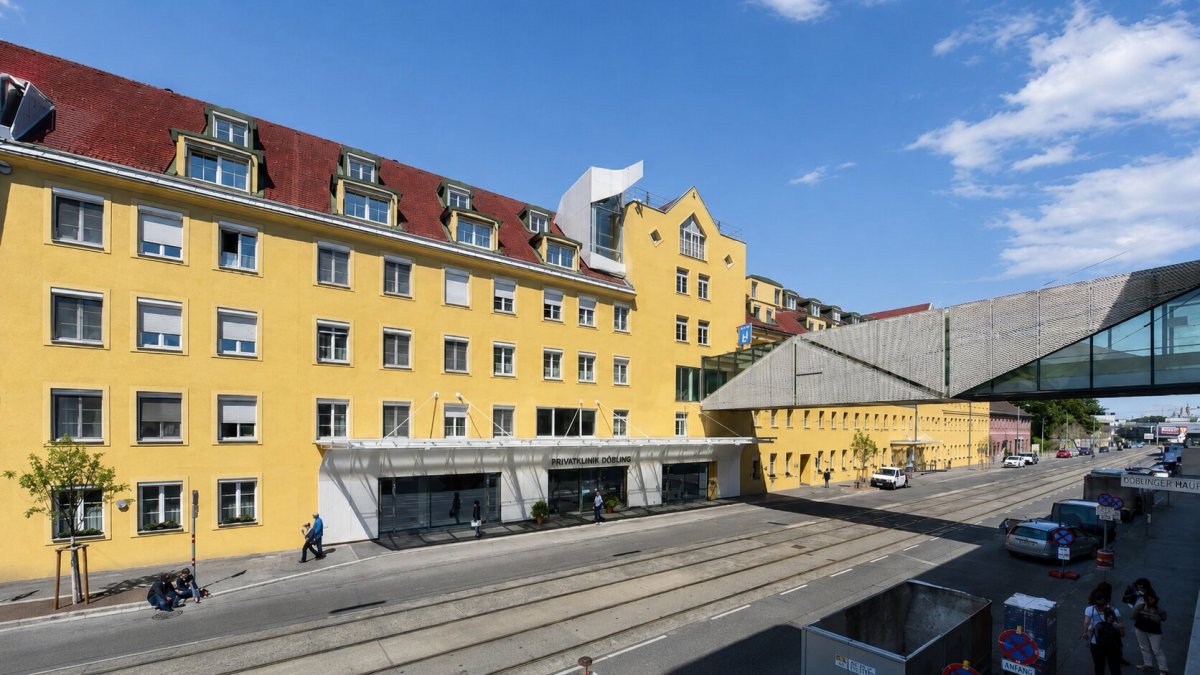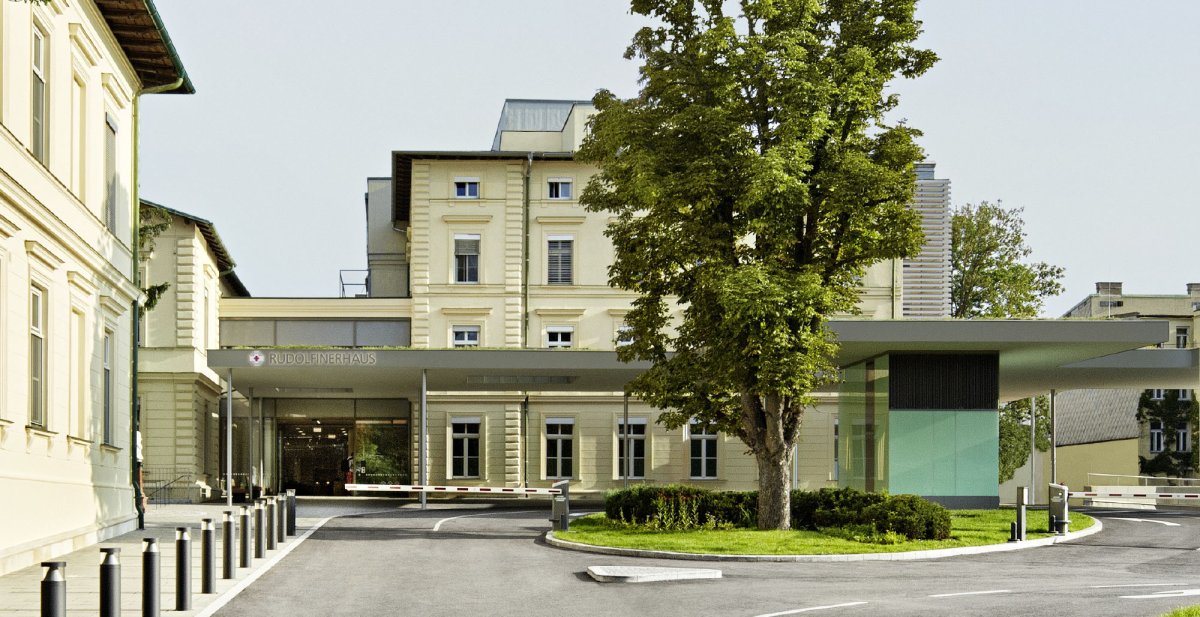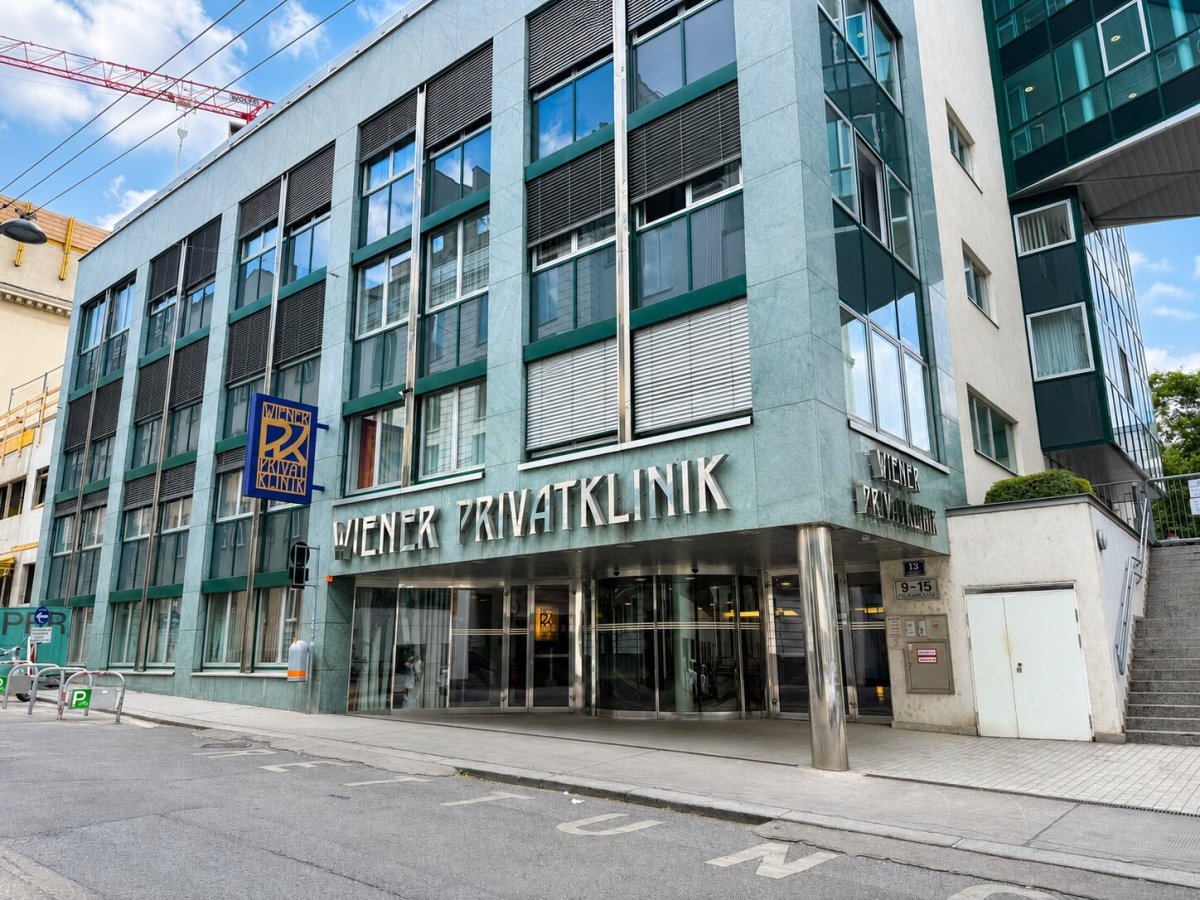
Clínica privada Wiener (Wiener Privatklinik)
Austria, Viena
Christoph Zielinski
44 años de experiencia

acreditaciones : 

Clínica certificada por : 





Revisado médicamente por
Fahad Mawlood
De $430. Los gastos totales dependen de la etapa del cáncer, la afectación de órganos y los protocolos terapéuticos seleccionados. Los pacientes internacionales suelen obtener ahorros del 20-30% en comparación con la atención médica privada en EE. UU. Los principales centros de tratamiento se encuentran principalmente en Viena.
Costos típicos del tratamiento del adenocarcinoma en Austria
Perspectiva de expertos de Bookimed: Los pacientes con adenocarcinoma gastroesofágico se benefician de unidades especializadas dirigidas por cirujanos como el profesor Sebastian Schoppmann. Wiener Privatklinik ofrece un Centro Oncológico Internacional con más de 400 médicos para atención multidisciplinaria. Para casos de alta complejidad, el Hospital General de Viena (AKH) ofrece 42 institutos universitarios y tecnologías innovadoras. Aquellos que buscan precisión asistida por robot deben priorizar instalaciones con estándar JCI como el Hospital Privado Döbling para oncología quirúrgica.
| Austria | España | Turquía | |
|---|---|---|---|
| Terapia con haz de protones | ≈ $24,000 | de $43,400 | de $25,000 |
| Quimioterapia intraperitoneal hipertérmica (HIPEC) | ≈ $24,000 | de $81,900 | de $18,000 |
| Prostatectomía robótica da Vinci | ≈ $17,500 | de $21,200 | de $11,500 |
| CyberKnife | ≈ $7,500 | de $14,800 | de $4,900 |
| Cirugía de cáncer de pulmón | ≈ $42,000 | de $29,900 | de $8,500 |
Como jefe del departamento de oncología más grande de Austria y líder en inmunoterapia, el Prof. Zielinski ha realizado más de 1.100 tratamientos contra el cáncer. Actualmente dirige el Centro Internacional de Oncología en Wiener Privatklinik.

El Prof. Univ. Dr. Wolfgang Köstler se especializa en cánceres de mama y ginecológicos, con más de dos décadas de experiencia en terapias dirigidas y medicina personalizada.

El Prof. Schoppmann es un pionero en cirugía oncológica mínimamente invasiva, especializado en cánceres de esófago y estómago en la Wiener Privatklinik.
 Olena Sikoza
Los centros oncológicos austriacos reportan una tasa de supervivencia relativa a cinco años del 63% para todos los casos de cáncer. Los resultados del tratamiento para el adenocarcinoma varían según la localización del órgano. Para el cáncer gástrico localizado, la tasa de supervivencia a cinco años es del 71,8%. Los protocolos especializados para casos de cáncer de páncreas no metastásico alcanzan una tasa de supervivencia a dos años del 44% dentro de grandes redes multidisciplinarias.
Opinión experta de Bookimed: Si bien muchos buscan los hospitales más grandes, las clínicas privadas de Viena ofrecen oportunidades únicas. La Wiener Privatklinik cuenta con más de 400 médicos, entre ellos numerosos profesores de la Universidad Médica de Viena. Esto permite a los pacientes recibir atención especializada de nivel académico en u
El tratamiento quirúrgico del adenocarcinoma en los hospitales austriacos se realiza siguiendo estrictos protocolos de seguridad, que incluyen consultas oncológicas interdisciplinarias obligatorias y un número mínimo de cirugías al año. En estas instituciones se sigue rigurosamente la lista de verificación de seguridad quirúrgica de la OMS. Los cirujanos utilizan sistemas de resección guiada por fluorescencia y robótica para garantizar la extirpación precisa del tumor, protegiendo al mismo tiempo el tejido sano circundante.
Opinión experta de Bookimed: La seguridad del paciente en Austria está garantizada por un alto grado de especialización. El Hospital General de Viena (AKH) atiende a más de 595 000 pacientes al año. Este enorme volumen permite a cirujanos como el Dr. Sebastian Schoppmann mantener
El tratamiento del adenocarcinoma en Austria se concentra en Viena, en clínicas y hospitales universitarios con certificación ISO. Instituciones líderes como el Hospital Privado de Viena y el Hospital General de Viena (AKH) ofrecen inmunoterapia de vanguardia, cirugía robótica y oncología de precisión. Estos centros cuentan con equipos multidisciplinarios de oncología para coordinar tratamientos quirúrgicos y sistémicos complejos.
Opinión de expertos de Bookimed: Si bien muchos optan por los grandes hospitales universitarios debido a su elevado volumen de pacientes, la Wiener Privatklinik ofrece una clara ventaja: acceso directo a más de 400 médicos, entre ellos numerosos profesores de la Universidad Médica de Viena. Esto permite a los pacientes recibir atención médica especializada de
En Austria, la estancia hospitalaria tras la cirugía de adenocarcinoma suele oscilar entre 10 y 21 días. Este periodo garantiza una correcta cicatrización de la herida y permite la detección de posibles complicaciones. La hospitalización inicial tras resecciones extensas dura entre 5 y 10 días. Los pacientes deben permanecer hospitalizados una semana más antes de recibir autorización para viajar en avión por motivos médicos.
Opinión de expertos de Bookimed: Muchos pacientes subestiman el periodo posterior al alta. Si bien el Hospital Privado Döbling tiene una tasa de complicaciones muy baja, la duración de la estancia suele depender del cuidado de los drenajes. En Austria, los drenajes se suelen dejar colocados hasta el día 14. Esta práctica ofrece mejores resultados, pero requiere reservar alojamiento
En Austria, los tratamientos quirúrgicos laparoscópicos y robóticos para el adenocarcinoma son ampliamente utilizados. Estas técnicas mínimamente invasivas ofrecen una recuperación más rápida y menos dolor que la cirugía abierta. Las tasas de supervivencia a largo plazo son comparables entre todos los métodos. Los centros más importantes de Viena y Linz utilizan sistemas robóticos da Vinci para garantizar una alta precisión.
Opinión experta de Bookimed: Los datos demuestran que el volumen quirúrgico es un indicador clave de calidad en Austria. El Hospital General de Viena (AKH) atiende a más de 595 000 pacientes al año y fue el primer hospital certificado para cirugía colorrectal robótica. Seleccionar centros con un alto volumen quirúrgico garantiza el acceso a especialistas experimentados, como el Dr. Sebastian F. Sc
El seguimiento postoperatorio tras la resección de adenocarcinoma en Austria sigue un protocolo interdisciplinario estandarizado. Los pacientes se someten a exámenes clínicos, estudios de imagen y análisis de sangre para marcadores tumorales cada 3-6 meses. Los centros oncológicos especializados de Viena coordinan la monitorización a largo plazo y la rehabilitación hospitalaria para garantizar una recuperación integral y un diagnóstico precoz.
Opinión experta de Bookimed: Los pacientes de la clínica privada Wiener Privatklinik tienen acceso directo a profesores de la Universidad Médica de Viena. Especialistas de renombre, como el Dr. Christoph Zielinski, suelen coordinar los planes de seguimiento. Los datos muestran que estas instituciones privadas priorizan el acceso rápido a pruebas de diagnóstico por imagen, como la PET
Para recibir tratamiento para el adenocarcinoma en Austria, los pacientes que viajan por motivos médicos deben presentar documentación médica completa, incluyendo muestras de patología originales e imágenes digitales en formato DICOM. Todos los documentos deben estar traducidos al alemán o al inglés. También se requieren documentos de identificación válidos y justificantes médicos para las recetas, a fin de ingresar legalmente al país.
Opinión de expertos de Bookimed: Si bien el Hospital General de Viena (AKH) atiende a aproximadamente 600 000 pacientes al año, las clínicas privadas como la Wiener Privatklinik ofrecen los servicios de más de 30 médicos especialistas en un entorno multilingüe. Elegir un centro privado suele simplificar el papeleo para los pacientes internacionales. Estas clí