Cáncer de cuello uterino Tratamiento en Polonia — Costos 2026


Revisado médicamente por
Fahad Mawlood
¿Cuál es el precio del diagnóstico y los tratamientos de Cáncer de cuello uterino en Polonia? Descubra ahora
De $1,300
Costos típicos del tratamiento del cáncer de cuello uterino en Polonia
- Tomografía PET/CT: de $1,300
- Consulta con un oncólogo: de $50
- Consulta con un ginecólogo: de $45
- Conización cervical: de $510
- Traquelectomía uterina: Precio a consultar
- Histerectomía (extirpación del útero): de $4,400
- Operación de Wertheim-Meigs: $5,500 – $9,000
- Radioterapia para el cáncer de cuello uterino: Precio a consultar
- Tomoterapia: $15,000 – $25,000
- Quimioterapia para el cáncer de útero: Precio a consultar
Perspectiva de los expertos de Bookimed: Para la preservación de la fertilidad en etapas tempranas, centros especializados como el European Health Center Otwock brindan atención interdisciplinaria cerca de Varsovia. Los pacientes que requieren radiación avanzada deben priorizar los centros con tecnología CyberKnife, como el Instituto de Cirugía Cibernética. Las grandes instalaciones multidisciplinarias como el Hospital Universitario de Cracovia son las mejores para casos complejos. Ofrecen 1,600 camas y 1066 médicos para apoyo oncológico integral.
| Polonia | España | Turquía | |
|---|---|---|---|
| Traquelectomía (cervicectomía) | de $5,500 | de $13,500 | de $5,800 |
| Tomoterapia | ≈ $15,000 | ≈ $7,500 | de $6,700 |
| La operación Wertheim-Meigs | ≈ $5,500 | de $28,000 | de $8,000 |
| Histerectomía con robot DaVinci | ≈ $5,800 | de $21,600 | de $14,600 |
| Histerectomía (extirpación del útero) | de $4,400 | de $9,500 | de $3,500 |
Sus beneficios y garantías con Bookimed
Precios directos
Bookimed no añade cargos extra a los precios de los tratamientos de Cáncer de cuello uterino. Las tarifas proceden de las listas de precios oficiales de las clínicas. Pagará directamente en la clínica por su tratamiento a su llegada al país.
Sólo clínicas y médicos verificados
Bookimed está comprometido con su seguridad. Solo trabajamos con las clínicas que mantienen altos estándares internacionales en el tratamiento de Cáncer de cuello uterino y cuentan con las licencias necesarias para atender a pacientes internacionales en todo el mundo.
Asistencia 24/7 gratuita
Bookimed ofrece asistencia experta gratuita. Un coordinador médico personal le apoya antes, durante y después de su tratamiento, resolviendo cualquier problema. Nunca estará solo en su viaje médico de tratamiento de Cáncer de cuello uterino.

Su coordinador médico personal de Bookimed
- Le apoya en cada etapa
- Ayuda a elegir la clínica y el médico adecuados
- Asegura un acceso rápido y conveniente a la información
Descubra las mejores clínicas de tratamiento de Cáncer de cuello uterino en Polonia: 5 opciones verificadas y Precios



Hospital Universitario de Cracovia

Institute of Cybernetic Surgery Cyberknife

Enel Med
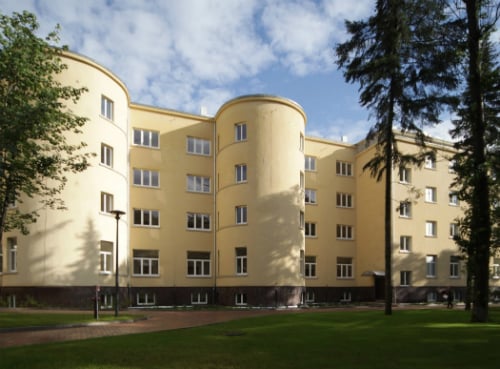
European Health Center Otwock
Obtenga una evaluación médica para Cáncer de cuello uterino en Polonia: consulte con doctores experimentados ahora
Ver todos los médicos
Emilia Gasiorowska

Malgorzata Reinholz-jaskolska
Artículos relacionados
Ver más
¿Cuánto cuesta el tratamiento del cáncer de cuello uterino?
Escrito por Вероника Казина

¿Cómo tratar el cáncer de cuello uterino?
Escrito por Veronika Kazina

Metástasis en pacientes con cáncer de cuello uterino
Escrito por Veronika Kazina

Tipos de cáncer de cuello uterino
Escrito por Veronika Kazina

Cáncer de cuello uterino: síntomas, causas, diagnóstico precoz
Escrito por Veronika Kazina
Compartir contenido
Historias en video de pacientes de Bookimed
 Olena Sikoza
Preguntas frecuentes sobre el tratamiento de Cáncer de cuello uterino en Polonia
¿Qué tratamientos contra el cáncer de cuello uterino se ofrecen en Polonia?
Polonia ofrece tratamientos integrales contra el cáncer de cuello uterino, que incluyen histerectomía radical, braquiterapia y cirugía robótica avanzada. Las pacientes acceden a atención especializada en los principales centros de Cracovia, Varsovia y Wieliszew. Protocolos modernos como la tomoterapia y el CyberKnife están disponibles para la administración precisa de radiación en instituciones centradas en la oncología.
- Intervenciones quirúrgicas: Los procedimientos van desde la conización cervical hasta la histerectomía radical y la traquelectomía.
- Tecnología robótica: Los centros especializados utilizan sistemas robóticos DaVinci para histerectomías mínimamente invasivas.
- Radioterapia: El tratamiento incluye braquiterapia interna y radioterapia de haz externo como la tomoterapia.
- Terapia sistémica: La quimioterapia estándar y los nuevos agentes de inmunoterapia reembolsados son ampliamente accesibles.
- Radiación dirigida: El sistema CyberKnife en Wieliszew proporciona un tratamiento no invasivo para casos específicos.
Perspectiva de expertos de Bookimed: El volumen de pacientes a menudo indica dónde reside la experiencia quirúrgica más refinada. El Hospital Universitario de Cracovia trata a más de 450.000 pacientes al año en 103 departamentos. Esta escala masiva sugiere que sus equipos quirúrgicos manejan cas
¿Cuáles son los datos de supervivencia y resultados para el cáncer de cuello uterino en Polonia?
La supervivencia a 5 años del cáncer de cuello uterino en Polonia alcanzó recientemente el 58,5 %. Esto representa un aumento constante desde el 51,6 % en décadas anteriores. Aunque las tasas de supervivencia están mejorando, Polonia todavía está por detrás del promedio europeo. El éxito sigue siendo mayor en los casos en etapa temprana diagnosticados mediante exámenes preventivos.
- Tasa de supervivencia: La tasa de supervivencia a 5 años estandarizada por edad es de aproximadamente el 58,5 %.
- Resultados a largo plazo: La tasa de supervivencia neta a 10 años es actualmente de alrededor del 49,4 %.
- Supervivencia en etapa temprana: La supervivencia del cáncer localizado oscila entre el 65 % y el 75 % en Polonia.
- Incidencia anual: Aproximadamente 3.862 mujeres reciben un nuevo diagnóstico cada año.
Perspectiva de expertos de Bookimed: Si bien los promedios nacionales siguen siendo más bajos que la media de la UE, centros específicos como el Hospital Universitario de Cracovia gestionan más de 455.000 pacientes al año con más de 100 departamentos especializados. Los centros académicos de alto volumen a menudo brindan acceso a tecnologías avanzadas como CyberKnife o cirugía robótica DaVinci. Elegir instalaciones con estas herramientas específicas puede mejorar la precisión y la recuperación en comparación con los enfoques quirúrgicos estándar.
¿Qué hospitales polacos ofrecen atención de alta calidad para el cáncer de cuello uterino?
La atención de alta calidad para el cáncer de cuello uterino en Polonia se concentra en institutos oncológicos especializados y centros universitarios multidisciplinarios. Instalaciones como el Hospital Universitario de Cracovia y el Instituto Nacional de Investigación Maria Sklodowska-Curie proporcionan diagnósticos integrales. Ofrecen tratamientos avanzados que incluyen cirugía robótica da Vinci, radioterapia CyberKnife y braquiterapia.
- Hospital Universitario de Cracovia: Un centro multidisciplinario que atiende a 455.000 pacientes al año con 103 departamentos especializados.
- Instituto CyberKnife: Este centro de Wieliszew se especializa en radioterapia robótica precisa para tumores inoperables.
- European Health Center: El primer hospital oncológico privado de Polonia cuenta con un departamento de cardio-oncología interdisciplinario único.
- Capacidades diagnósticas: Los centros utilizan exploraciones PET-TC, colposcopia e histopatología compleja para una estadificación precisa del cáncer.
- Precisión quirúrgica: Las opciones avanzadas incluyen histerectomía radical, traquelectomía y técnicas laparoscópicas asistidas por robot.
Opinión de expertos de Bookimed: Los datos sobre el volumen de pacientes sugieren una brecha de calidad significativa entre las clínicas regionales y los centros principales. El Hospital Uni
¿Cuáles son los principales riesgos quirúrgicos para los viajeros que se someten a una cirugía de cáncer de cuello uterino en Polonia?
Los riesgos quirúrgicos para el cáncer de cuello uterino en Polonia incluyen infección, sangrado y lesión de los nervios pélvicos. Los viajeros también enfrentan riesgos específicos como la trombosis venosa profunda (TVP) debido a los vuelos postoperatorios. Aunque los centros polacos siguen protocolos internacionales, pueden ocurrir complicaciones durante una histerectomía, traquelectomía o la operación de Wertheim-Meigs.
- Complicaciones de viaje: Volar poco después de una cirugía pélvica aumenta el riesgo de coágulos sanguíneos potencialmente mortales.
- Seguridad de los órganos: Los cirujanos priorizan la protección de la vejiga y los uréteres para prevenir la disfunción urinaria a largo plazo.
- Preservación nerviosa: El daño a los nervios pélvicos puede causar entumecimiento u hormigueo en la parte superior de las piernas.
- Salud linfática: La extirpación de los ganglios linfáticos puede provocar linfedema, causando hinchazón permanente en las piernas.
Perspectiva del experto de Bookimed: El volumen de pacientes es un indicador fiable de seguridad al elegir centros oncológicos polacos. El Hospital Universitario de Cracovia trata a más de 455.000 pacientes al año en todas las especialidades. Los centros de alto volumen a menudo mantienen mejores equipos técnicos, como los de Varsovia o Wieliszew. Esto escala la experiencia especializada p
¿Cómo se preserva la fertilidad durante el tratamiento del cáncer de cuello uterino en Polonia?
La preservación de la fertilidad durante el tratamiento del cáncer de cuello uterino en Polonia implica cirugías especializadas y criopreservación. Los médicos utilizan la traquelectomía radical para extirpar el cuello uterino manteniendo el útero intacto. La transposición ovárica mueve los ovarios más arriba en el abdomen para evitar daños por radiación. Las pacientes en etapas tempranas a menudo se someten solo a una conización.
- Preservación quirúrgica: La traquelectomía radical mantiene el útero para futuros embarazos.
- Protección ovárica: La transposición preserva la función hormonal durante la radiación pélvica.
- Criopreservación: La congelación de óvulos o embriones ocurre antes de comenzar la quimioterapia.
- Mínimamente invasivo: Los sistemas robóticos DaVinci permiten cirugías que preservan los nervios en Varsovia.
- Intervención temprana: La conización cervical trata el cáncer microinvasivo sin afectar la fertilidad.
Perspectiva del experto de Bookimed: Polonia ha establecido una infraestructura sólida para la oncofertilidad con más de 80 clínicas, aunque la experiencia se concentra en centros multiespecializados. Centros como el Hospital Universitario de Cracovia atienden a más de 450,000 pacientes al año y ofrecen una gran experiencia quirúrgica. Este volumen es crítico porque el éxito de la traquelectomí
¿Está disponible el cribado de cáncer de cuello uterino para visitantes o solo para residentes polacos?
El cribado de cáncer de cuello uterino está disponible para todos los visitantes en Polonia a través de centros médicos privados. Si bien el programa financiado por el Estado, el Fondo Nacional de Salud (NFZ), generalmente está restringido a residentes y ciudadanos de la Unión Europea con seguro médico válido, las clínicas privadas brindan acceso inmediato a los no residentes.
- Acceso a clínicas privadas: Los visitantes pueden reservar exámenes en centros privados sin necesidad de una derivación médica.
- Pruebas diagnósticas comunes: Las clínicas ofrecen la prueba de Papanicolaou (análisis PAP) y pruebas de ADN de VPH de alto riesgo.
- Disponibilidad de ubicación: El cribado es ampliamente accesible en ciudades importantes como Varsovia, Cracovia y Wieliszew.
- Velocidad del servicio: Los tiempos de espera en el sector privado son mínimos en comparación con los programas públicos.
Perspectiva de expertos de Bookimed: Polonia sigue siendo un destino muy accesible para la atención diagnóstica. El Hospital Universitario de Cracovia atiende a más de 455.000 pacientes al año. Este volumen masivo garantiza que incluso los métodos de diagnóstico complejos como PET/CT o colposcopia con biopsia sean procedimientos rutinarios. Para los visitantes, elegir un centro multidisciplinario en una ciudad importante a menudo significa acceso a personal de habla
¿Cuál es el cronograma típico de estancia en el país y recuperación?
El tratamiento del cáncer de cuello uterino en Polonia suele requerir una estancia en el país de 10 a 14 días. Este plazo cubre la cirugía y el seguimiento postoperatorio inmediato. La hospitalización depende del procedimiento. Una histerectomía rutinaria suele implicar una estancia de 3 noches. Las cirugías más complejas requieren 5 días de atención hospitalaria.
- Estancia hospitalaria: La mayoría de las pacientes permanecen en el centro de 3 a 5 noches.
- Recuperación inicial: Las restricciones físicas, como no levantar objetos pesados, duran de 4 a 6 semanas.
- Actividad completa: Las pacientes generalmente regresan a todas sus actividades normales en un plazo de 8 a 12 semanas.
- Restauración de energía: La recuperación total de la fuerza y los niveles de energía suele llevar de 3 a 6 meses.
Perspectiva de expertos de Bookimed: Los datos de grandes centros como el Hospital Universitario de Cracovia muestran que un alto volumen de pacientes favorece una recuperación optimizada. Los centros que realizan miles de procedimientos al año suelen utilizar protocolos de seguimiento estandarizados. Estos protocolos permiten un alta segura para el cuarto día en casos de etapa temprana. Elegir un centro con departamentos multidisciplinarios garantiza el acceso inmediato a la rehabilitación si se produce hinchazón linfática.
Consenso de
¿Qué tan alta es la calidad de la neurocirugía en Polonia?
La neurocirugía en Polonia ofrece atención de alta calidad en centros con certificación JCI e ISO. Los neurocirujanos polacos se adhieren a estrictos estándares de formación adoptados por la Unión Europea. Muchos han completado becas en Estados Unidos o Alemania. Tecnologías avanzadas, como CyberKnife, Gamma Knife y sistemas robóticos, están ampliamente disponibles en centros privados.
- Cualificaciones especializadas: Los médicos suelen ser miembros de la Asociación Europea de Sociedades de Neurocirugía.
- Tecnologías avanzadas: Las clínicas utilizan sistemas CyberKnife y ultrasonido enfocado guiado por resonancia magnética para el tratamiento cerebral no invasivo.
- Volumen clínico: Centros líderes como el Hospital Universitario de Cracovia tratan a más de 455.000 pacientes al año.
- Cirujanos experimentados: El Dr. Maciej Bujko del Hospital Carolina ha realizado más de 2.500 cirugías por su cuenta.
Opinión experta de Bookimed: Los datos muestran una fuerte correlación entre la especialización de una clínica y el origen de sus pacientes. La Clínica KCM atiende a más de 700 pacientes internacionales al año. Se especializa en cirugía de columna mínimamente invasiva. Este volumen de trabajo le permite ofrecer paquetes de servicios especializados, que a menudo incluyen bloques de diagnóstico e implantes específicos, como el DIAM de Medtronic.
¿Cuáles son las cualificaciones de los neurocirujanos polacos?
Los neurocirujanos polacos son especialistas altamente cualificados que han completado al menos 13 años de rigurosa formación médica. Esto incluye seis años de estudios de medicina, 13 meses de prácticas y seis años de residencia. Deben aprobar el Examen Estatal de Especialización (PES) y suelen estar certificados por la Asociación Europea de Sociedades de Neurocirugía (EANS).
- Educación: Los médicos reciben educación médica (medicina) después de 6 años de estudio en la universidad.
- Especialización: La residencia incluye 6 años de formación modular en neurocirugía clínica y neurorradiología.
- Volumen quirúrgico: Los residentes a menudo realizan más de 1.000 cirugías, lo que excede el volumen de capacitación promedio en otras regiones.
- Certificados: Muchos especialistas son miembros de AO Spine o de la Sociedad Polaca de Cirugía de Columna.
Opinión experta de Bookimed: Los datos muestran que los neurocirujanos polacos suelen especializarse en tecnologías altamente especializadas, como el sistema ApiFix o el sistema de endoscopia lumbar SED-YESS. Especialistas como el Dr. Stanisław Kwek, de la Clínica KCM, combinan la investigación postdoctoral con una práctica quirúrgica activa. Esta combinación de profundos conocimientos académicos y un alto volumen quirúrgico los hace especialmente eficaces en cirugías de columna complejas y mínimamente in
¿Cuáles son las mejores clínicas neuroquirúrgicas en Polonia?
Entre las mejores clínicas neuroquirúrgicas de Polonia se encuentran el Hospital Carolina, la Clínica KCM y centros académicos de primer nivel como el Hospital Universitario de Cracovia. Estas instituciones ofrecen tratamientos de vanguardia para enfermedades de la columna vertebral y el cerebro que cumplen con los estándares de calidad ISO y emplean a especialistas miembros de organizaciones internacionales como AO Spine.
- Hospital Carolina: Centro Médico de Excelencia FIFA, especializado en cirugías de columna complejas y mínimamente invasivas.
- Clínica KCM: Reconocida internacionalmente por la calidad de sus procedimientos endoscópicos de columna, atendiendo a más de 700 pacientes internacionales anualmente.
- Hospital Universitario de Cracovia: un gran centro multidisciplinario que realiza más de 800 operaciones neuroquirúrgicas al año desde 1788.
- Luxmed: un reconocido centro médico privado en Varsovia especializado en cirugía de columna avanzada para pacientes internacionales.
Opinión experta de Bookimed: Si bien muchos buscan los hospitales más grandes, los datos muestran que clínicas como el Hospital Carolina ofrecen mayor eficiencia para cirugías electivas. Con más de 40 médicos especialistas en este centro de 30 camas, la proporción médico-paciente es significativamente mayor que en los centros universitarios públicos. Esto se traduc