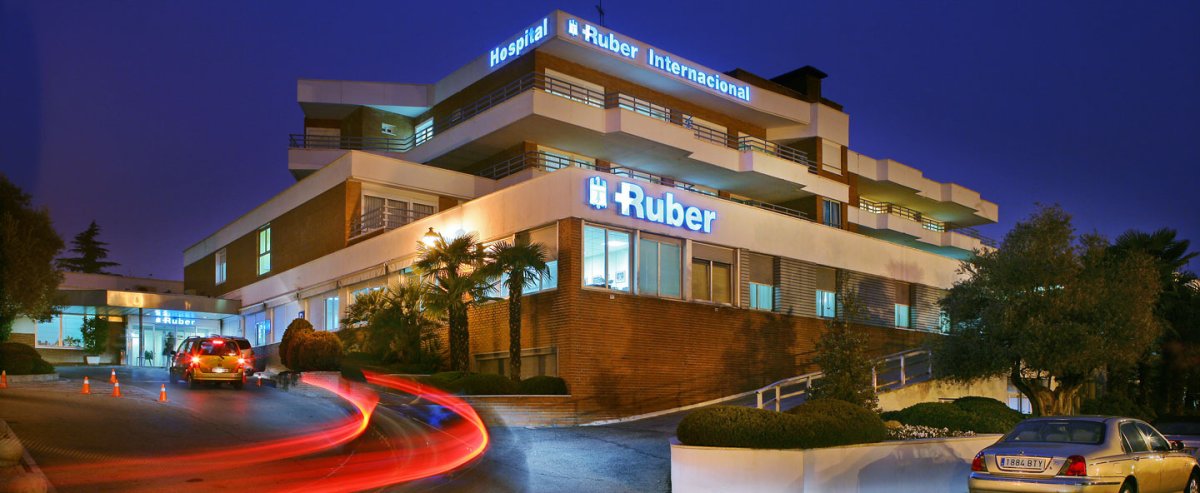
Centro Médico Teknon
España, Barcelona
Guillermo Luis Bassols
39 años de experiencia

Clínica certificada por : 





Revisado médicamente por
Fahad Mawlood
De $13,500. Los precios pueden variar según el hospital, la experiencia del cirujano, si el procedimiento se realiza por laparoscopia o cirugía abierta, y cualquier tratamiento adicional necesario. UU.
Los hospitales españoles generalmente incluyen en el precio las consultas preoperatorias, la anestesia, el procedimiento quirúrgico, la estancia hospitalaria y el seguimiento postoperatorio estándar. En EE. UU., estos servicios suelen facturarse por separado y el precio indicado normalmente cubre solo los honorarios del cirujano. Siempre confirmar con la clínica elegida qué está incluido en el paquete.
¿Por qué elegir España para una traquelectomía (cervicectomía)?
Acceda a soluciones avanzadas de Traquelectomía (cervicectomía) en clínicas de confianza de $13,500.
| España | Turquía | México | |
|---|---|---|---|
| Traquelectomía (cervicectomía) | de $13,500 | de $5,800 | de $2,500 |
| La operación Wertheim-Meigs | de $28,100 | de $8,000 | ≈ $14,000 |
| Discectomía y fusión cervical anterior | de $23,100 | de $7,400 | de $8,500 |
| Conización cervical (biopsia de cono) | ≈ $2,300 | de $1,100 | ≈ $1,500 |
Bookimed no añade cargos adicionales a los precios de Traquelectomía (cervicectomía). Las tarifas proceden de las listas de precios oficiales de las clínicas. Pagará directamente en la clínica por su Traquelectomía (cervicectomía) a su llegada al país.
Bookimed está comprometido con su seguridad. Solo trabajamos con las clínicas que mantienen altos estándares internacionales en Traquelectomía (cervicectomía) y tienen las licencias necesarias para atender a pacientes internacionales en todo el mundo.
Bookimed ofrece asistencia experta gratuita. Un coordinador médico personal le apoya antes, durante y después del tratamiento, resolviendo cualquier problema. Nunca estará solo en su viaje médico de Traquelectomía (cervicectomía).

Día 1 - Llegada
Día 2 - Preoperatorio
Día 3 - Traquelectomía
Día 4 a Día 7 - Postoperatorio
Semana 1 a Semana 6 - Rehabilitación
Tenga en cuenta que el cronograma de recuperación de cada paciente puede variar según las circunstancias individuales y la salud general. Es importante seguir los consejos de su médico para una recuperación exitosa.
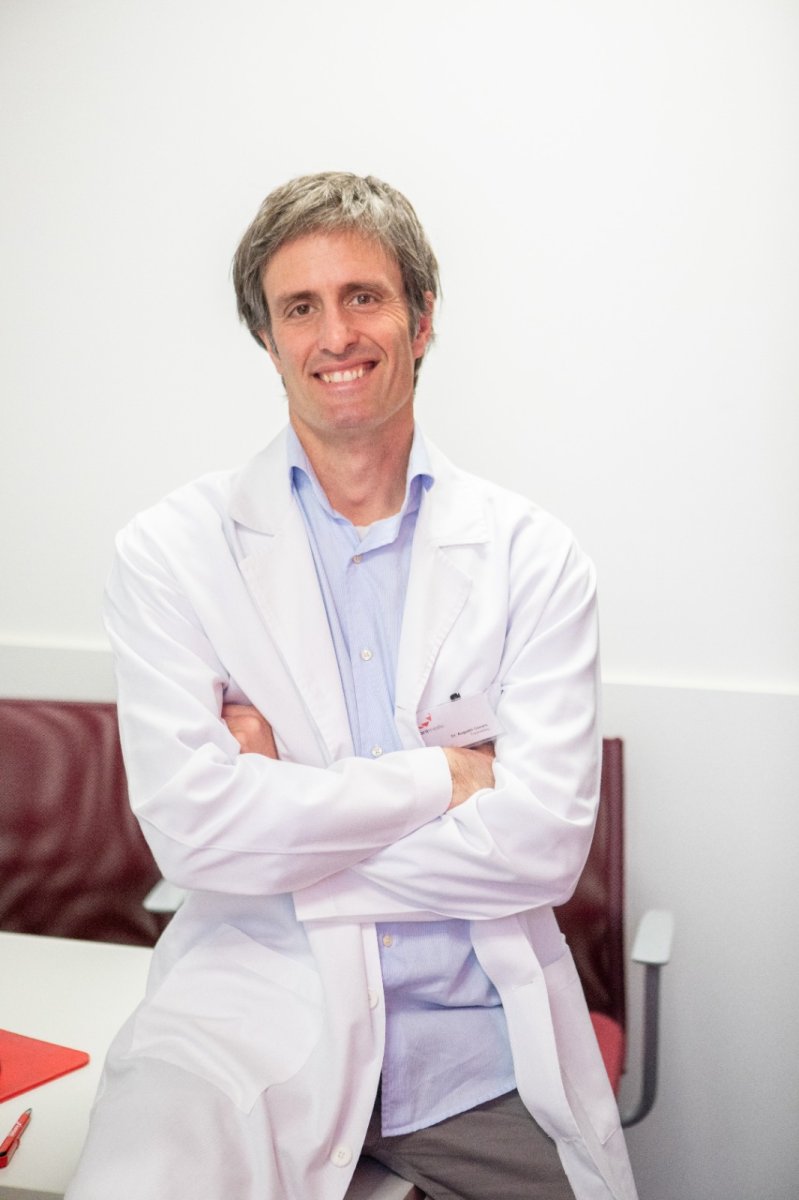
Experto en traquelectomía con más de _doctor_4638_ años de experiencia en cirugía ginecológica – El Dr. Bassols ejerce en el Centro Médico Teknon de Barcelona.

El Dr. Fernandez Oliva combina la práctica clínica con la formación continua y el trabajo científico, especializándose en Obstetricia y Ginecología.
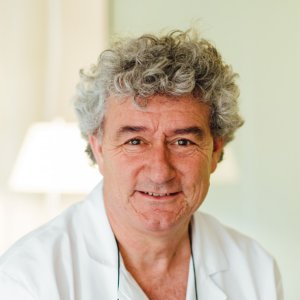
El Dr. Jordi Antoni Vives es especialista en Ginecología y Obstetricia en Teknogin (Centro Médico Teknon, Barcelona). Centra su actividad en la cirugía oncológica ginecológica, la patología uterina y pélvica compleja y la coordinación de comités de tumores. Dirige el área de Obstetricia del Hospital CIMA desde 2015. Es médico consultor en el Parc Taulí desde 1990.
Formación/acreditaciones: Licenciado en Medicina y Cirugía por la Universidad de Barcelona (1983). Residencia MIR en Gineco


 Olena Sikoza
La traquelectomía radical preserva el útero y el potencial de fertilidad en pacientes con cáncer de cuello uterino en etapa temprana, pero no se garantiza un nacimiento vivo. Aunque muchas mujeres conciben con éxito, los embarazos se clasifican como de alto riesgo debido a la extirpación del cuello uterino, lo que a menudo requiere un manejo obstétrico especializado.
Opinión de los expertos de Bookimed: Los centros oncológicos líderes de España, como el Centro Médico Teknon y la Clínica Universidad de Navarra, se especializan en obstetricia de alto riesgo. Los datos muestran que los cirujanos aquí, incluido el Dr. Antonio Fernandez Oliva, se centran en el cribado de la preeclampsia y el seguimiento del desarrollo fetal. Solicitar una clínica que ofrezca tanto cirugía oncológica como cuidados intensivos neonatales es vital para obtener r
Las candidatas a una traquelectomía en España incluyen mujeres en edad reproductiva, típicamente menores de 45 años, que buscan preservar su fertilidad mientras tratan un cáncer de cuello uterino en estadio temprano. La elegibilidad requiere un carcinoma de células escamosas o adenocarcinoma confinado al cuello uterino sin afectación de los ganglios linfáticos, específicamente dirigido a estadios clínicos IA2 o IB1.
Opinión experta de Bookimed: Aunque muchas pacientes internacionales se centran en el costo, los centros especializados de España como el Centro Médico Teknon o el Hospital Ruber Internacional integran un cerclaje permanente durante el procedimiento. Este paso técnico es vital para apoyar futuros embarazos a término, lo que convierte a las clínicas españolas en la mejor opción para la oncología reproductiva compleja en comparaci
La traquelectomía radical en España utiliza técnicas vaginales, laparoscópicas y abdominales para tratar el cáncer de cuello uterino en estadio temprano preservando la fertilidad. Los cirujanos extirpan el cuello uterino y los parametrios, colocando generalmente un cerclaje cervical para apoyar futuros embarazos. La mayoría de los centros españoles también realizan primero una disección laparoscópica de los ganglios linfáticos pélvicos para asegurar que no haya diseminación del cáncer.
Opinión experta de Bookimed: Las clínicas españolas como el Hospital Ruber Internacional y el Centro Médico Teknon a menudo priorizan el sistema Da Vinci Xi para estas resecciones complejas. Aunque la laparoscopia estándar es común, las técnicas asistidas por robot proporcionan una visualización superior cerca de los delicados ner
La atención de traquelectomía de primer nivel en España se concentra en Barcelona y Madrid en centros acreditados por la JCI como el Centro Médico Teknon y la Clínica Universidad de Navarra. Estos centros se especializan en traquelectomía radical con preservación de la fertilidad utilizando técnicas robóticas y laparoscópicas avanzadas para pacientes con cáncer de cuello uterino en estadio temprano.
Opinión experta de Bookimed: Los datos muestran que el Centro Médico Teknon es un líder en volumen en Barcelona, realizando más de 23.500 operaciones al año. Las pacientes que eligen España a menudo ahorran hasta un _price_percent_discount_% en comparación con los costos en EE. UU. mientras acceden a servicios 5 estrellas. Para la traquelectomía, priorice clínicas como Teknon que cuent
Para elegir un cirujano cualificado en España, priorice a los especialistas en oncología ginecológica con certificaciones avanzadas en cirugía endoscópica y robótica. Asegúrese de que operen en centros acreditados por la JCI en ciudades como Barcelona o Madrid, que cuenten con equipos multidisciplinares para tratamientos complejos de cáncer con preservación de la fertilidad.
Opinión experta de Bookimed: Las clínicas privadas de primer nivel en España, como el Centro Médico Teknon o la Clínica Universidad de Navarra, mantienen volúmenes de pacientes notablemente altos mientras poseen múltiples acreditaciones de la Joint Commission International. Los datos sugieren que estas instituciones gestionan a menudo de 10.000 a 140.000 pacientes al año. Este volumen indica que sus equipos quirúrgicos, como los de Barcelona, ven casos complejos con más frecuencia que los centros regionales más peq
Planifique una estancia de 7 a 14 días en España para la recuperación inicial tras una traquelectomía. Este margen permite un seguimiento posoperatorio crítico y las revisiones esenciales. La mayoría de los cirujanos aconsejan esperar al menos 14 días antes de volar para minimizar el riesgo de hemorragias o complicaciones en las suturas.
Perspectiva del experto de Bookimed: Los principales centros oncológicos de España, como la Clínica Universidad de Navarra, utilizan sistemas avanzados de IA y robótica que a veces pueden reducir las estancias hospitalarias. Sin embargo, la traquelectomía es una cirugía de preservación de la fertilidad que requiere complejas suturas internas. Los datos muestran que, incluso con asistencia robótica, la fase de curación interna es el factor más crítico para obtener la autorización para viajar.
Consenso de los pacientes: Muchos pacientes recomiendan quedarse 4 semanas si es p