Cáncer de cuello uterino Tratamiento en Ucrania — Costos 2026


Revisado médicamente por
Fahad Mawlood
¿Cuál es el precio del diagnóstico y los tratamientos de Cáncer de cuello uterino en Ucrania? Descubra ahora
El costo del tratamiento del cáncer de cuello uterino en Ucrania generalmente incluye diagnósticos esenciales como una tomografía PET/CT desde $400 hasta $700 y opciones quirúrgicas primarias. Los procedimientos terapéuticos como la radioterapia para el cáncer de cuello uterino oscilan entre Precio a consultar y Precio a consultar, mientras que una histerectomía radical cuesta entre $2,800 y $4,500. Los gastos totales dependen de la etapa del cáncer y la tecnología específica utilizada, ofreciendo a menudo ahorros del 65-80% en comparación con los EE. UU. Los mejores centros de tratamiento se encuentran en Kiev, Leópolis y Odesa.
Costos típicos del tratamiento del cáncer de cuello uterino en Ucrania
- PET/CT: $400 – $700
- Consulta con un oncólogo: de $40
- Biopsia: de $40
- Radioterapia para el cáncer de cuello uterino: Precio a consultar
- Operación de Wertheim-Meigs: $2,800 – $4,500
- Histerectomía (extirpación del útero): de $1,300
- Traquelectomía (cervicectomía): $2,800 – $4,500
- Quimioterapia para el cáncer uterino: Precio a consultar
- CyberKnife: $4,500 – $6,800
- Conización cervical: de $200
Perspectiva de los expertos de Bookimed: Para casos avanzados que requieren estándares globales, la Clínica Spizhenko es la mejor opción. Siguen los protocolos internacionales NCCN para un ciclo completo de atención oncológica. Las necesidades de los pacientes de experiencia quirúrgica de alto volumen se satisfacen en la Red Médica Dobrobut. Este centro realiza más de 11,000 operaciones al año con estándares internacionales ISO. Los pacientes en etapa temprana se benefician del Centro de Cirugía Dievo, que mantiene una calificación de 4.9 estrellas en cirugía especializada para adultos.
| Ucrania | España | Turquía | |
|---|---|---|---|
| Traquelectomía (cervicectomía) | ≈ $2,800 | de $13,500 | de $5,800 |
| Tomoterapia | ≈ $12,000 | ≈ $7,500 | de $6,700 |
| La operación Wertheim-Meigs | ≈ $2,800 | de $28,000 | de $8,000 |
| Histerectomía con robot DaVinci | ≈ $3,800 | de $21,600 | de $14,600 |
| Histerectomía (extirpación del útero) | de $1,300 | de $9,500 | de $3,500 |
Sus beneficios y garantías con Bookimed
Precios directos
Bookimed no añade cargos extra a los precios de los tratamientos de Cáncer de cuello uterino. Las tarifas proceden de las listas de precios oficiales de las clínicas. Pagará directamente en la clínica por su tratamiento a su llegada al país.
Sólo clínicas y médicos verificados
Bookimed está comprometido con su seguridad. Solo trabajamos con las clínicas que mantienen altos estándares internacionales en el tratamiento de Cáncer de cuello uterino y cuentan con las licencias necesarias para atender a pacientes internacionales en todo el mundo.
Asistencia 24/7 gratuita
Bookimed ofrece asistencia experta gratuita. Un coordinador médico personal le apoya antes, durante y después de su tratamiento, resolviendo cualquier problema. Nunca estará solo en su viaje médico de tratamiento de Cáncer de cuello uterino.

Su coordinador médico personal de Bookimed
- Le apoya en cada etapa
- Ayuda a elegir la clínica y el médico adecuados
- Asegura un acceso rápido y conveniente a la información
Descubra las mejores clínicas de tratamiento de Cáncer de cuello uterino en Ucrania: 5 opciones verificadas y Precios



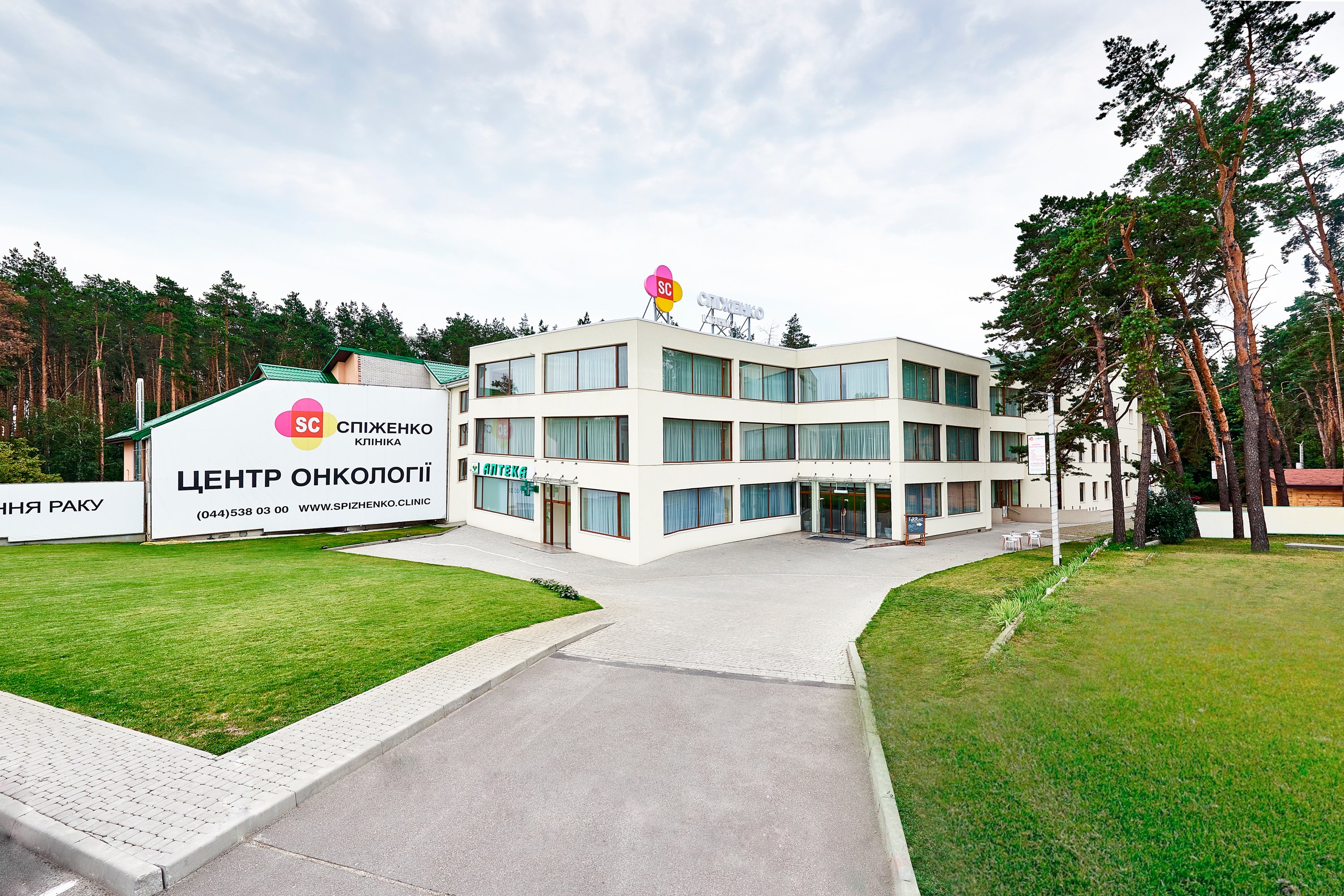
Spizhenko Clinic



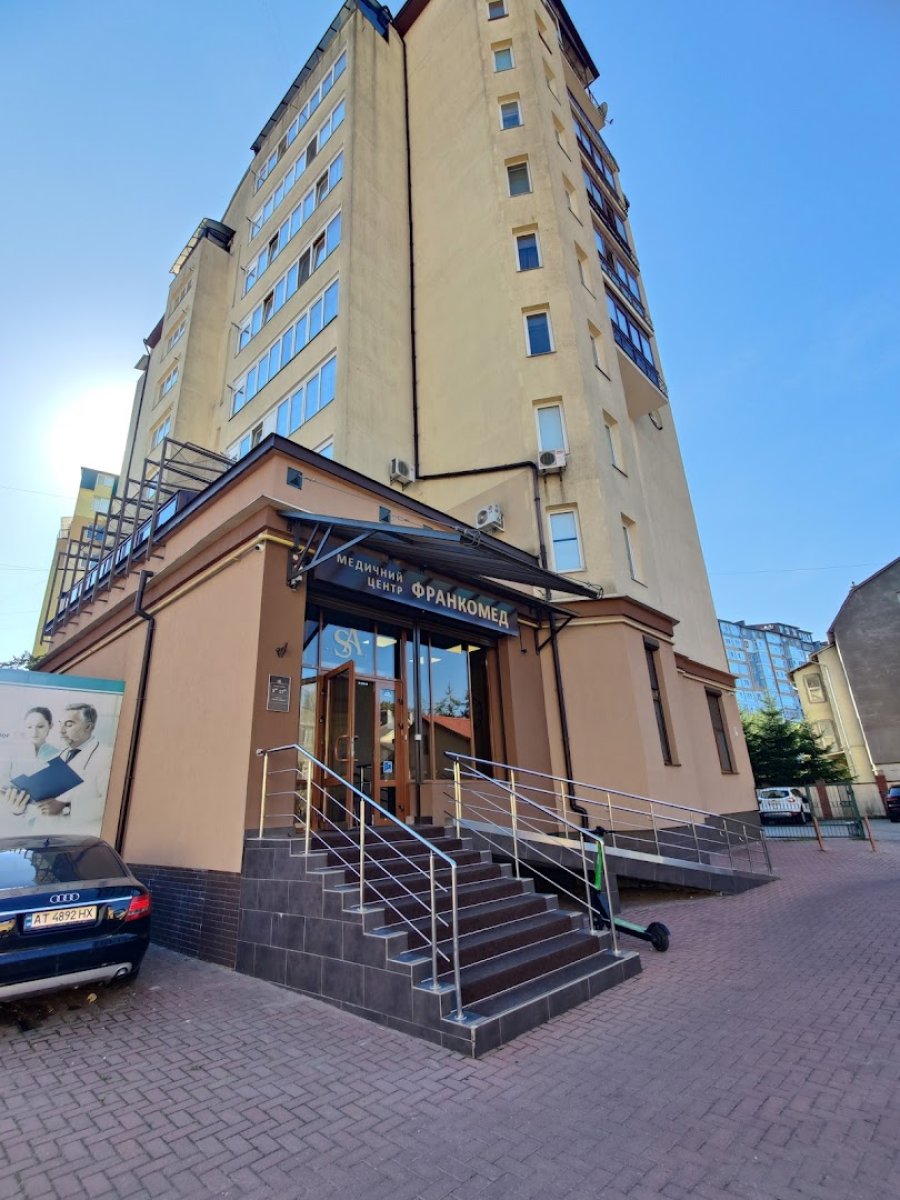
FrankoMed
Obtenga una evaluación médica para Cáncer de cuello uterino en Ucrania: consulte con doctores experimentados ahora
Ver todos los médicos
Manchenko Dina
Artículos relacionados
Ver más
¿Cuánto cuesta el tratamiento del cáncer de cuello uterino?
Escrito por Вероника Казина

¿Cómo tratar el cáncer de cuello uterino?
Escrito por Veronika Kazina

Metástasis en pacientes con cáncer de cuello uterino
Escrito por Veronika Kazina

Tipos de cáncer de cuello uterino
Escrito por Veronika Kazina

Cáncer de cuello uterino: síntomas, causas, diagnóstico precoz
Escrito por Veronika Kazina
Compartir contenido
Historias en video de pacientes de Bookimed
 Olena Sikoza
Preguntas frecuentes sobre el tratamiento de Cáncer de cuello uterino en Ucrania
¿Cuáles son las principales opciones de tratamiento para el cáncer de cuello uterino disponibles en Ucrania?
Ucrania ofrece una atención integral para el cáncer de cuello uterino utilizando los protocolos internacionales NCCN. Las opciones de tratamiento incluyen histerectomía radical, traquelectomía con preservación de la fertilidad y radiación avanzada como CyberKnife. Los centros privados especializados en Kiev enfatizan la cirugía mínimamente invasiva y la radioterapia precisa para garantizar altas tasas de supervivencia y una recuperación óptima.
- Intervenciones quirúrgicas: Los cirujanos realizan operaciones de Wertheim-Meigs e histerectomías laparoscópicas para las etapas iniciales.
- Técnicas de radiación: Los centros ofrecen radiación de haz externo, braquiterapia y radiocirugía no invasiva CyberKnife.
- Terapia sistémica: La quimiorradiación que combina cisplatino con radiación dirigida se utiliza en casos localmente avanzados.
- Preservación de la fertilidad: La conización cervical y la traquelectomía permiten a las pacientes preservar sus funciones reproductivas.
Perspectiva del experto de Bookimed: Las redes privadas en Kiev, como Dobrobut y la Clínica Spizhenko, gestionan volúmenes masivos de pacientes. Más de 330,000 pacientes visitan Dobrobut anualmente, mientras que Spizhenko ha tratado a más de 70,000 personas. Este alto volumen en más de 18 departamentos permite a estos centros mantener equipos quirúrgicos especializados que realiz
¿Se puede preservar la fertilidad durante el tratamiento del cáncer de cuello uterino?
La preservación de la fertilidad es posible durante el tratamiento del cáncer de cuello uterino mediante técnicas quirúrgicas especializadas. Procedimientos como la traquelectomía o la conización eliminan el tumor mientras preservan el útero. Los médicos suelen reservar estas opciones para casos en etapa temprana con tumores de menos de 2 centímetros de tamaño. La transposición ovárica también puede proteger la reserva de óvulos durante la radiación.
- Técnicas quirúrgicas: La traquelectomía elimina el cuello uterino pero mantiene intactos el útero y los ovarios.
- Opciones mínimamente invasivas: Las cirugías asistidas por robot como DaVinci permiten una extirpación precisa del tumor preservando el tejido.
- Tasas de éxito: Las tasas de nacidos vivos alcanzan aproximadamente el 70% después de una traquelectomía radical.
- Protección avanzada: La transposición ovárica mueve los ovarios fuera del campo de radiación pélvica.
Perspectiva del experto de Bookimed: Las clínicas ucranianas combinan la cirugía oncológica con protocolos de oncofertilidad para maximizar las posibilidades de un futuro embarazo. En centros como LISOD, los cirujanos utilizan protocolos internacionales para decidir entre la conización o la traquelectomía radical. Elegir un centro que cuente tanto con equipo robótico como con un departamento de fertilidad simplifica la congela
¿Qué ciudades ucranianas ofrecen la atención oncológica más avanzada?
Kiev, Leópolis y Odesa lideran la atención oncológica ucraniana al ofrecer centros especializados con certificaciones internacionales. Estos centros proporcionan tratamientos avanzados contra el cáncer de cuello uterino. Las opciones disponibles incluyen radiocirugía CyberKnife, braquiterapia y cirugías asistidas por robot. La mayoría de los centros principales siguen los protocolos de la Red Nacional Integral del Cáncer (NCCN) para una atención estandarizada.
- Infraestructura oncológica en Kiev: La Clínica Spizhenko atiende a más de 70.000 pacientes utilizando la tecnología CyberKnife.
- Excelencia quirúrgica: La Red Médica Dobrobut realiza más de 11.000 operaciones al año en Kiev.
- Centro regional occidental: Los centros de Leópolis ofrecen radioterapia estable y medicina nuclear.
- Atención de precisión en el sur: Clínicas especializadas en Odesa proporcionan aceleradores lineales Elekta de alta precisión.
Perspectiva del experto de Bookimed: Aunque Kiev y Odesa son los centros principales, Úzhhorod cuenta con clínicas especializadas como la Expert Clinic. Esta ciudad fronteriza ofrece una ventaja de seguridad única para un tratamiento continuo. Los especialistas allí a menudo se centran en la rehabilitación multidisciplinaria junto con las cirugías oncológicas primarias. Para casos complejos de cáncer de cuello uterino, elegir una ciudad
¿Sigue siendo accesible el equipo de radioterapia moderno a pesar del conflicto en curso?
El equipo de radioterapia moderno para el cáncer de cuello uterino sigue siendo accesible en Ucrania a pesar de los desafíos estructurales. El país ha instalado recientemente 24 nuevos aceleradores lineales. Los centros de alta capacidad en Kiev y las regiones occidentales mantienen sus operaciones. Utilizan generadores eléctricos para garantizar la continuidad del tratamiento durante las fluctuaciones de energía nacionales.
- Tecnologías disponibles: Los centros ofrecen CyberKnife, tomoterapia y braquiterapia para oncología ginecológica.
- Estándares de protocolo: La Clínica Spizhenko sigue los protocolos internacionales de la National Comprehensive Cancer Network (NCCN).
- Certificación de calidad: La Red Médica Dobrobut mantiene los estándares ISO para servicios médicos seguros y confiables.
- Resiliencia de las instalaciones: Las clínicas utilizan las bóvedas de radiación como refugios protectores durante las alertas activas de misiles.
Perspectiva del experto de Bookimed: Ucrania sigue siendo un centro importante para la oncología a pesar del conflicto. Ocupa el segundo lugar a nivel mundial en nuestra base de datos en cuanto a solicitudes atendidas. Con más de 330,000 pacientes anuales en Dobrobut y 70,000 en la Clínica Spizhenko, estas instalaciones mantienen una experiencia de alto volumen. La gran carga de pacientes sugiere que los sis
¿Están abiertos actualmente los ensayos clínicos para el cáncer de cuello uterino para pacientes en Ucrania?
Los ensayos clínicos para el cáncer de cuello uterino siguen activos en Ucrania. Centros médicos clave en Kiev y Zaporiyia continúan reclutando participantes. Los estudios actuales se centran en el cribado innovador del VPH y protocolos avanzados. Los estándares internacionales guían estos ensayos a pesar de los desafíos. Los pacientes pueden acceder a tratamientos experimentales a través de centros oncológicos especializados.
- Enfoque del estudio: Ensayos de autotoma de muestras de VPH para mujeres de 30 a 60 años.
- Ubicación principal: El Instituto Nacional del Cáncer en Kiev mantiene programas de investigación activos.
- Estándares de atención: Clínicas como la Clínica Spizhenko siguen los protocolos oncológicos internacionales NCCN.
- Acceso regional: Los ensayos se dirigen a clínicas ambulatorias y centros de refugiados en Zaporiyia.
Perspectiva de expertos de Bookimed: Kiev sigue siendo el centro principal de investigación clínica en Ucrania. La Clínica Spizhenko y la Red Médica Dobrobut atienden a más de 400.000 pacientes combinados anualmente. Este alto volumen de pacientes garantiza una continuidad estable de los ensayos a pesar de las interrupciones externas. Los pacientes deben priorizar las instalaciones con certificaciones ISO para garantizar la seguridad de los datos a nivel mundial. Las clínicas de Kiev también ofrecen cirugías
¿Pueden los pacientes con cáncer ser evacuados a hospitales de la UE si es necesario?
Los pacientes con cáncer pueden ser evacuados a hospitales de la Unión Europea a través de programas médicos especializados. El centro MedEvac de la UE en Jasionka, Polonia, coordina estos traslados para pacientes ucranianos. Más de 6.400 pacientes han recibido atención oncológica especializada en 22 países europeos desde principios de 2026.
- Proceso de solicitud: Los pacientes solicitan a través del Ministerio de Salud de Ucrania la revisión de la necesidad médica.
- Logística de tránsito: Autobuses o aviones médicos especializados transportan a los pacientes a los centros de estabilización fronterizos.
- Cobertura del tratamiento: Los fondos de la UE cubren los costos médicos y el alojamiento de los cuidadores bajo estatus de protección.
- Elegibilidad del programa: Se da prioridad según la urgencia médica y la capacidad especializada disponible en la UE.
Opinión de expertos de Bookimed: Si bien los programas nacionales manejan las evacuaciones formales, Ucrania mantiene una alta capacidad quirúrgica internamente, con más de 330.000 pacientes atendidos anualmente en las principales redes. Clínicas como la Clínica Spizhenko siguen los protocolos internacionales NCCN, lo que hace que la estabilización local sea un paso viable antes de coordinar un traslado a las instalaciones de la UE. Elegir un centro con estándares internacionales ISO garant