Pinzamiento posterior del tobillo Tratamiento en Polonia — Costos 2026


Revisado médicamente por
Fahad Mawlood
¿Cuál es el precio del diagnóstico y los tratamientos de Pinzamiento posterior del tobillo en Polonia? Descubra ahora
Sus beneficios y garantías con Bookimed
Precios directos
Bookimed no añade cargos extra a los precios de los tratamientos de Pinzamiento posterior del tobillo. Las tarifas proceden de las listas de precios oficiales de las clínicas. Pagará directamente en la clínica por su tratamiento a su llegada al país.
Sólo clínicas y médicos verificados
Bookimed está comprometido con su seguridad. Solo trabajamos con las clínicas que mantienen altos estándares internacionales en el tratamiento de Pinzamiento posterior del tobillo y cuentan con las licencias necesarias para atender a pacientes internacionales en todo el mundo.
Asistencia 24/7 gratuita
Bookimed ofrece asistencia experta gratuita. Un coordinador médico personal le apoya antes, durante y después de su tratamiento, resolviendo cualquier problema. Nunca estará solo en su viaje médico de tratamiento de Pinzamiento posterior del tobillo.

Su coordinador médico personal de Bookimed
- Le apoya en cada etapa
- Ayuda a elegir la clínica y el médico adecuados
- Asegura un acceso rápido y conveniente a la información
Descubra las mejores clínicas de tratamiento de Pinzamiento posterior del tobillo en Polonia: 2 opciones verificadas y Precios
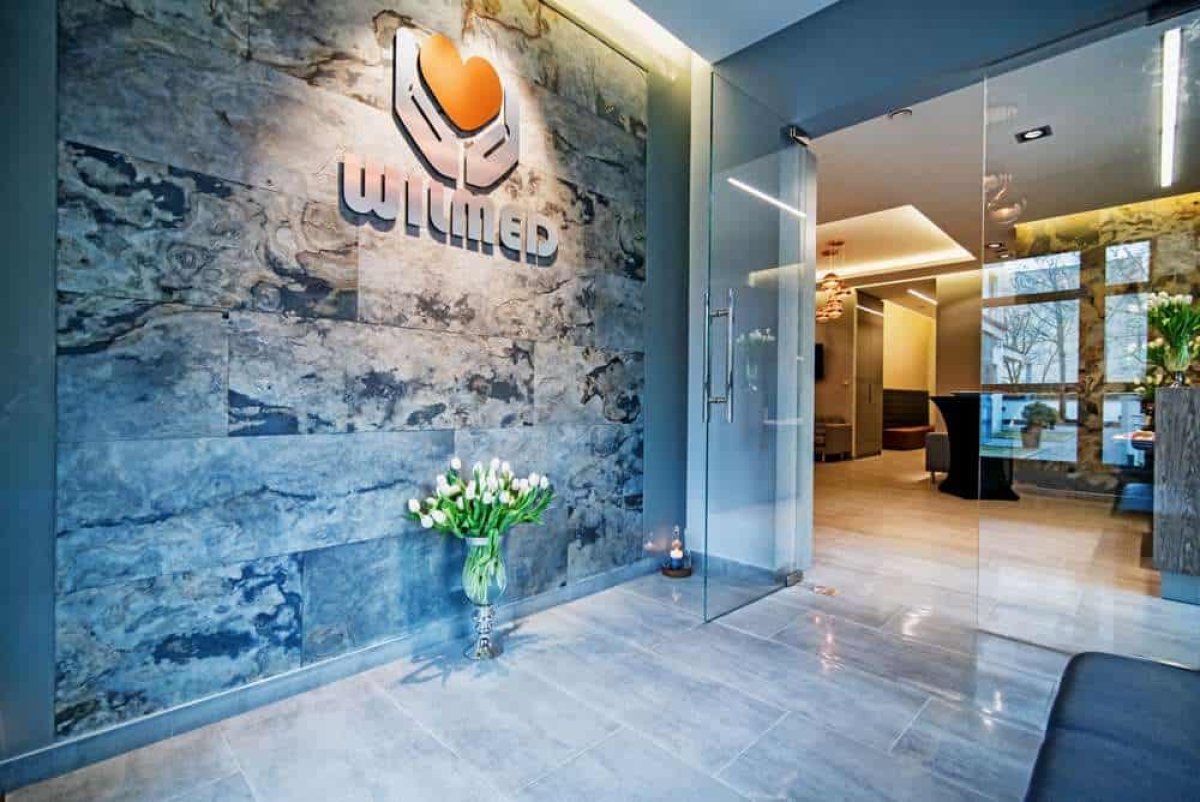
Rmed Kopernika
Obtenga una evaluación médica para Pinzamiento posterior del tobillo en Polonia: consulte con doctores experimentados ahora
Ver todos los médicos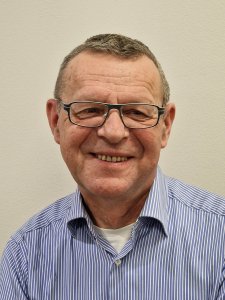
Janusz Kurek
El Dr. Janusz Kurek es cirujano ortopédico especializado en artroscopia, cirugía de trauma y lesiones deportivas. Se graduó en la Academia Médica Militar de Varsovia en 1986. Acumuló experiencia en el Hospital Bielański, el Hospital Czerniakowski y el American Medical Centre. Operó durante muchos años en el Centro Médico ATTIS. También colabora con Medicover y Luxmed.
Tiene amplia experiencia en artroscopia y terapias con plasma rico en plaquetas (PRP). Trata lesiones y trastornos de r
Compartir contenido
Historias en video de pacientes de Bookimed
 Olena Sikoza
Preguntas frecuentes sobre el tratamiento de Pinzamiento posterior del tobillo en Polonia
¿Es seguro someterse a una cirugía ortopédica en Polonia?
La cirugía ortopédica en Polonia es segura dentro de las instalaciones que siguen las directivas de atención médica de la Unión Europea. Los centros privados mantienen altos estándares a través de certificaciones ISO 9001:2015 e infraestructura moderna. Los cirujanos ortopédicos polacos están certificados por la junta. Muchos participan en becas internacionales y utilizan marcas de implantes de confianza mundial como Stryker o Zimmer Biomet.
- Cumplimiento normativo: Las instalaciones deben seguir estrictos protocolos de esterilización e higiene de la Unión Europea.
- Experiencia especializada: Los cirujanos a menudo son miembros de prestigiosas juntas médicas ortopédicas internacionales.
- Tecnología moderna: Las clínicas utilizan sistemas de navegación por computadora e imágenes avanzadas para una planificación quirúrgica precisa.
- Dominio del inglés: El personal médico en los departamentos internacionales se comunica con fluidez para evitar errores de diagnóstico.
Perspectiva del experto de Bookimed: Polonia atiende grandes volúmenes de pacientes, con centros como RMED Kopernika tratando a 6,000 pacientes anualmente. La seguridad a menudo se correlaciona con estas instalaciones de alto volumen. Los pacientes deben elegir clínicas donde los cirujanos realicen al menos 1,000 procedimientos. Este volumen garantiza que los equipos sean expertos
¿Qué técnicas quirúrgicas específicas se utilizan para tratar el pinzamiento posterior del tobillo en Polonia?
Los centros ortopédicos polacos se especializan en la artroscopia posterior de retropié de dos portales para tratar el pinzamiento posterior del tobillo. Los cirujanos utilizan métodos endoscópicos mínimamente invasivos para acceder al retropié a través de pequeñas incisiones. Estas técnicas precisas aseguran cicatrices mínimas y permiten una recuperación rápida en personas activas.
- Artroscopia de retropié: Los cirujanos utilizan portales posterolaterales y posteromediales para acceder a la articulación del tobillo.
- Escisión del os trigonum: Los médicos eliminan los huesos accesorios problemáticos utilizando fresas y afeitadoras artroscópicas especializadas.
- Liberación del tendón FHL: Los especialistas descomprimen el tendón del flexor largo del hallux para restaurar un movimiento suave.
- Desbridamiento dirigido: Los cirujanos eliminan el tejido inflamado y las cápsulas engrosadas con precisión mediante visión endoscópica.
Perspectiva del experto de Bookimed: Las clínicas polacas como RMED Kopernika atienden a 6.000 pacientes al año centrándose en la eficiencia quirúrgica moderna. Aunque muchos asumen que la escisión del os trigonum es la única prioridad, el mayor éxito proviene del tratamiento simultáneo de los conflictos de tejidos blandos. Nuestros datos muestran que combinar la eliminación ósea con la descompresión del FHL en una sol
¿Por qué los pacientes internacionales eligen Polonia para el tratamiento del pinzamiento posterior del tobillo?
Los pacientes internacionales eligen Polonia para el tratamiento del pinzamiento posterior del tobillo debido a la experiencia especializada en medicina deportiva. Los centros polacos ofrecen cirugía artroscópica avanzada con ahorros de hasta el 80% en comparación con Europa Occidental. Estas instalaciones proporcionan una programación quirúrgica rápida en un plazo de 2 a 4 semanas.
- Experiencia especializada: Los cirujanos utilizan artroscopia posterior de dos portales para la eliminación de fragmentos óseos.
- Infraestructura de élite: Los Centros Médicos de Excelencia de la FIFA acreditados tratan a atletas profesionales y bailarines.
- Alto volumen: Los principales centros especializados tratan habitualmente a más de 4.000 pacientes musculoesqueléticos cada año.
- Seguridad europea: Las clínicas privadas siguen estrictamente la norma ISO 9001 y las directivas de higiene de la Unión Europea.
Perspectiva del experto de Bookimed: Polonia ofrece un equilibrio poco común entre un alto volumen de pacientes y una especialización de élite. Algunas clínicas como RMED Kopernika tratan a unos 6.000 pacientes al año. Los grandes volúmenes en instalaciones privadas sugieren que los cirujanos mantienen una alta competencia en técnicas específicas como la endoscopia de tobillo. Esta experiencia es vital porque el pinzamiento posterior se diagnostica frec
¿Siempre necesito cirugía para el pinzamiento posterior del tobillo?
No, no siempre necesita cirugía para el pinzamiento posterior del tobillo. La mayoría de los pacientes encuentran alivio mediante terapias conservadoras como la modificación de la actividad y la fisioterapia. Los cirujanos solo recomiendan la cirugía si los síntomas persisten después de 3 a 6 meses de atención no quirúrgica dedicada.
- Progresión del tratamiento: La mayoría de los protocolos priorizan los métodos no quirúrgicos como enfoque médico de primera línea.
- Opciones conservadoras: Los médicos prescriben fisioterapia, medicamentos antiinflamatorios e inyecciones locales de corticosteroides.
- Desencadenantes quirúrgicos: Dolor persistente, bloqueo mecánico o bloqueos óseos confirmados como el os trigonum.
- Recuperación de atletas: Las soluciones quirúrgicas dedicadas se centran en bailarines profesionales o atletas que requieren un rango extremo del tobillo.
Perspectiva de expertos de Bookimed: Clínicas en Polonia como RMED Kopernika tratan hasta 6,000 pacientes al año. A menudo coordinan primero el diagnóstico por imagen para distinguir entre la inflamación de los tejidos blandos y el pinzamiento óseo. Los datos sugieren que un diagnóstico preciso en estos centros multiespecializados evita procedimientos innecesarios. Muchos pacientes controlan los síntomas simplemente ajustando su volumen de entrenamiento o calzado en lugar de somet
¿Cuál es el cronograma típico de rehabilitación postoperatoria en Polonia?
La rehabilitación postoperatoria en Polonia para el pinzamiento posterior del tobillo suele durar de 3 a 6 meses. Las clínicas ortopédicas polacas priorizan la movilización temprana mediante protocolos de modernización como la Recuperación Intensificada Después de la Cirugía (ERAS). Los cirujanos suelen iniciar la fisioterapia dentro de las 24 horas para prevenir la atrofia muscular y garantizar la estabilidad articular.
- Fase 1: La hospitalización suele durar de 1 a 2 días para procedimientos ortopédicos reconstructivos.
- Fase 2: Las semanas 2 a 6 implican la transición a la carga parcial con muletas.
- Fase 3: Los meses 2 a 3 se centran en el reentrenamiento de la marcha y el entrenamiento intensivo de resistencia.
- Fase 4: Los ejercicios específicos del deporte y el entrenamiento de agilidad generalmente comienzan después del mes 3 o 4.
Perspectiva de expertos de Bookimed: Los datos sobre el volumen de pacientes sugieren que los centros quirúrgicos polacos como RMED Kopernika gestionan miles de casos internacionales al año. Los bloques de rehabilitación hospitalaria de 21 días son un factor diferenciador común para los casos complejos. Estos programas se centran en una recuperación intensiva y supervisada que a menudo acelera la transición de regreso al trabajo.
Consenso de los pacientes: Los pacientes señalan que
¿Cómo se confirma el diagnóstico de pinzamiento posterior de tobillo en las clínicas polacas?
Los ortopedistas polacos confirman el pinzamiento posterior de tobillo mediante pruebas de provocación clínica e imágenes multimodales. Los especialistas suelen realizar la prueba de hiperflexión plantar para reproducir el dolor. La resonancia magnética (RM) y las radiografías digitales clasifican el pinzamiento como óseo o de tejidos blandos. Las inyecciones anestésicas diagnósticas proporcionan la confirmación final.
- Examen físico: Los médicos utilizan la flexión plantar forzada para provocar dolor articular posterior específico.
- Radiografía (RTG): Las radiografías con carga identifican anomalías óseas como el os trigonum accesorio.
- Imágenes avanzadas: La resonancia magnética (RM) detecta edema de médula ósea y sinovitis.
- Bloqueos diagnósticos: Las inyecciones de anestésico local confirman la fuente del dolor cuando las imágenes no son concluyentes.
Perspectiva del experto de Bookimed: Las imágenes diagnósticas en Polonia a menudo parecen normales incluso en casos graves. Clínicas como RMED Kopernika tratan a miles de pacientes anualmente en múltiples especialidades quirúrgicas. Los ortopedistas expertos priorizan los síntomas clínicos sobre los escaneos cuando los síntomas coinciden con patrones clásicos. Debe asegurarse de que su especialista evalúe específicamente el tendón del flexor largo del dedo gordo. Este tendón está frecuent
¿Qué tan alta es la calidad de la neurocirugía en Polonia?
La neurocirugía en Polonia ofrece atención de alta calidad en centros con certificación JCI e ISO. Los neurocirujanos polacos se adhieren a estrictos estándares de formación adoptados por la Unión Europea. Muchos han completado becas en Estados Unidos o Alemania. Tecnologías avanzadas, como CyberKnife, Gamma Knife y sistemas robóticos, están ampliamente disponibles en centros privados.
- Cualificaciones especializadas: Los médicos suelen ser miembros de la Asociación Europea de Sociedades de Neurocirugía.
- Tecnologías avanzadas: Las clínicas utilizan sistemas CyberKnife y ultrasonido enfocado guiado por resonancia magnética para el tratamiento cerebral no invasivo.
- Volumen clínico: Centros líderes como el Hospital Universitario de Cracovia tratan a más de 455.000 pacientes al año.
- Cirujanos experimentados: El Dr. Maciej Bujko del Hospital Carolina ha realizado más de 2.500 cirugías por su cuenta.
Opinión experta de Bookimed: Los datos muestran una fuerte correlación entre la especialización de una clínica y el origen de sus pacientes. La Clínica KCM atiende a más de 700 pacientes internacionales al año. Se especializa en cirugía de columna mínimamente invasiva. Este volumen de trabajo le permite ofrecer paquetes de servicios especializados, que a menudo incluyen bloques de diagnóstico e implantes específicos, como el DIAM de Medtronic.
¿Cuáles son las cualificaciones de los neurocirujanos polacos?
Los neurocirujanos polacos son especialistas altamente cualificados que han completado al menos 13 años de rigurosa formación médica. Esto incluye seis años de estudios de medicina, 13 meses de prácticas y seis años de residencia. Deben aprobar el Examen Estatal de Especialización (PES) y suelen estar certificados por la Asociación Europea de Sociedades de Neurocirugía (EANS).
- Educación: Los médicos reciben educación médica (medicina) después de 6 años de estudio en la universidad.
- Especialización: La residencia incluye 6 años de formación modular en neurocirugía clínica y neurorradiología.
- Volumen quirúrgico: Los residentes a menudo realizan más de 1.000 cirugías, lo que excede el volumen de capacitación promedio en otras regiones.
- Certificados: Muchos especialistas son miembros de AO Spine o de la Sociedad Polaca de Cirugía de Columna.
Opinión experta de Bookimed: Los datos muestran que los neurocirujanos polacos suelen especializarse en tecnologías altamente especializadas, como el sistema ApiFix o el sistema de endoscopia lumbar SED-YESS. Especialistas como el Dr. Stanisław Kwek, de la Clínica KCM, combinan la investigación postdoctoral con una práctica quirúrgica activa. Esta combinación de profundos conocimientos académicos y un alto volumen quirúrgico los hace especialmente eficaces en cirugías de columna complejas y mínimamente in
¿Cuáles son las mejores clínicas neuroquirúrgicas en Polonia?
Entre las mejores clínicas neuroquirúrgicas de Polonia se encuentran el Hospital Carolina, la Clínica KCM y centros académicos de primer nivel como el Hospital Universitario de Cracovia. Estas instituciones ofrecen tratamientos de vanguardia para enfermedades de la columna vertebral y el cerebro que cumplen con los estándares de calidad ISO y emplean a especialistas miembros de organizaciones internacionales como AO Spine.
- Hospital Carolina: Centro Médico de Excelencia FIFA, especializado en cirugías de columna complejas y mínimamente invasivas.
- Clínica KCM: Reconocida internacionalmente por la calidad de sus procedimientos endoscópicos de columna, atendiendo a más de 700 pacientes internacionales anualmente.
- Hospital Universitario de Cracovia: un gran centro multidisciplinario que realiza más de 800 operaciones neuroquirúrgicas al año desde 1788.
- Luxmed: un reconocido centro médico privado en Varsovia especializado en cirugía de columna avanzada para pacientes internacionales.
Opinión experta de Bookimed: Si bien muchos buscan los hospitales más grandes, los datos muestran que clínicas como el Hospital Carolina ofrecen mayor eficiencia para cirugías electivas. Con más de 40 médicos especialistas en este centro de 30 camas, la proporción médico-paciente es significativamente mayor que en los centros universitarios públicos. Esto se traduc
¿Qué procedimientos neuroquirúrgicos se realizan con más frecuencia en Polonia?
En Polonia, la neurocirugía se centra principalmente en cirugías de columna y extirpación de tumores cerebrales. Los hospitales realizan con frecuencia microdiscectomías, fusiones espinales y estimulación cerebral profunda. Centros como el Hospital Carolina y la Clínica KCM utilizan técnicas mínimamente invasivas para tratar hernias discales, lesiones de columna y trastornos neurológicos complejos.
- Cirugía de columna: La discectomía y la laminectomía son tratamientos comunes para los discos herniados.
- Neurooncología: Los especialistas realizan cirugías para extirpar tumores cerebrales utilizando equipos modernos como la tecnología CyberKnife.
- Neurocirugía funcional: la estimulación cerebral profunda (ECP) se utiliza ampliamente para los trastornos del movimiento.
- Técnicas mínimamente invasivas: Los cirujanos utilizan técnicas endoscópicas para descomprimir la columna y tratar tumores pituitarios.
Opinión experta de Bookimed: Polonia se ha convertido en un centro de estabilización espinal especializada. Clínicas como el Hospital Carolina colaboran con equipos deportivos nacionales, lo que refleja su alto nivel de experiencia en el tratamiento de lesiones espinales complejas. Nuestros datos muestran que estas instituciones suelen integrar la rehabilitación directamente en el tratamiento quirúrgico. Esta combinación reduce el riesgo de compl