Ir a inicio
820К+ pacientes han recibido asistencia desde 2014
50 países
1,500 clínicas
6K+ reseñas
3K+ médicos calificados

¿Cuál es el precio del diagnóstico y los tratamientos de Pinzamiento posterior del tobillo en Turquía? Descubra ahora

El precio se proporciona bajo petición

Sus beneficios y garantías con Bookimed

Precios directos

Bookimed no añade cargos extra a los precios de los tratamientos de Pinzamiento posterior del tobillo. Las tarifas proceden de las listas de precios oficiales de las clínicas. Pagará directamente en la clínica por su tratamiento a su llegada al país.

Sólo clínicas y médicos verificados

Bookimed está comprometido con su seguridad. Solo trabajamos con las clínicas que mantienen altos estándares internacionales en el tratamiento de Pinzamiento posterior del tobillo y cuentan con las licencias necesarias para atender a pacientes internacionales en todo el mundo.

Asistencia 24/7 gratuita

Bookimed ofrece asistencia experta gratuita. Un coordinador médico personal le apoya antes, durante y después de su tratamiento, resolviendo cualquier problema. Nunca estará solo en su viaje médico de tratamiento de Pinzamiento posterior del tobillo.

¿Por qué nosotros?

Su coordinador médico personal de Bookimed

  • Le apoya en cada etapa
  • Ayuda a elegir la clínica y el médico adecuados
  • Asegura un acceso rápido y conveniente a la información

Descubra las mejores clínicas de tratamiento de Pinzamiento posterior del tobillo en Turquía: 1 opciones verificadas y Precios

El ranking de clínicas de Bookimed se basa en algoritmos de data science, ofreciendo una comparación confiable, transparente y objetiva. Tiene en cuenta la demanda de pacientes, las puntuaciones de reseñas (positivas y negativas), la frecuencia de actualización de opciones de tratamiento y precios, la rapidez de respuesta y las certificaciones de las clínicas.

Obtenga una evaluación médica de tratamiento de Pinzamiento posterior del tobillo en Turquía: haga una consulta con 11 médicos experimentados ahora

Ver todos los médicos
verificado

Mehmet Aydogan

76 años de experiencia

El Dr. Mehmet Aydogan es especialista en Ortopedia, Traumatología y Cirugía de Columna en el Hospital Memorial Şişli. Trabajó en Cirugía de Columna allí entre 2024 y 2025 y desde 2026 se desempeña en Ortopedia. Anteriormente dirigió el Centro de Cirugía Ortopédica, Traumatología y Cirugía Avanzada de Columna en el Hospital Emsey (2018–2022). Su experiencia incluye el EUROSPINE Surgical Spine Center of Excellence en Suiza (2022–2024) y una beca de investigación en el UCLA Comprehensive Spine Center (2009–2011). También ocupó cargos en Boğaziçi Spine Center, Medical Park Göztepe y Florence Nightingale.

Formación: Doctor en Medicina (MD), Universidad Ege (1990–1996). Residencia en Ortopedia y Traumatología en Dr. Lütfi Kırdar Kartal TRH (2000–2004). Publicaciones: 50 artículos en revistas y 37 presentaciones.

Membresías: TTB, TOTBİD, Turkish Spine Society, MINOD, NASS, SRS, European Spine Society y APSS.

verificado

Semih Ak

9 años de experiencia

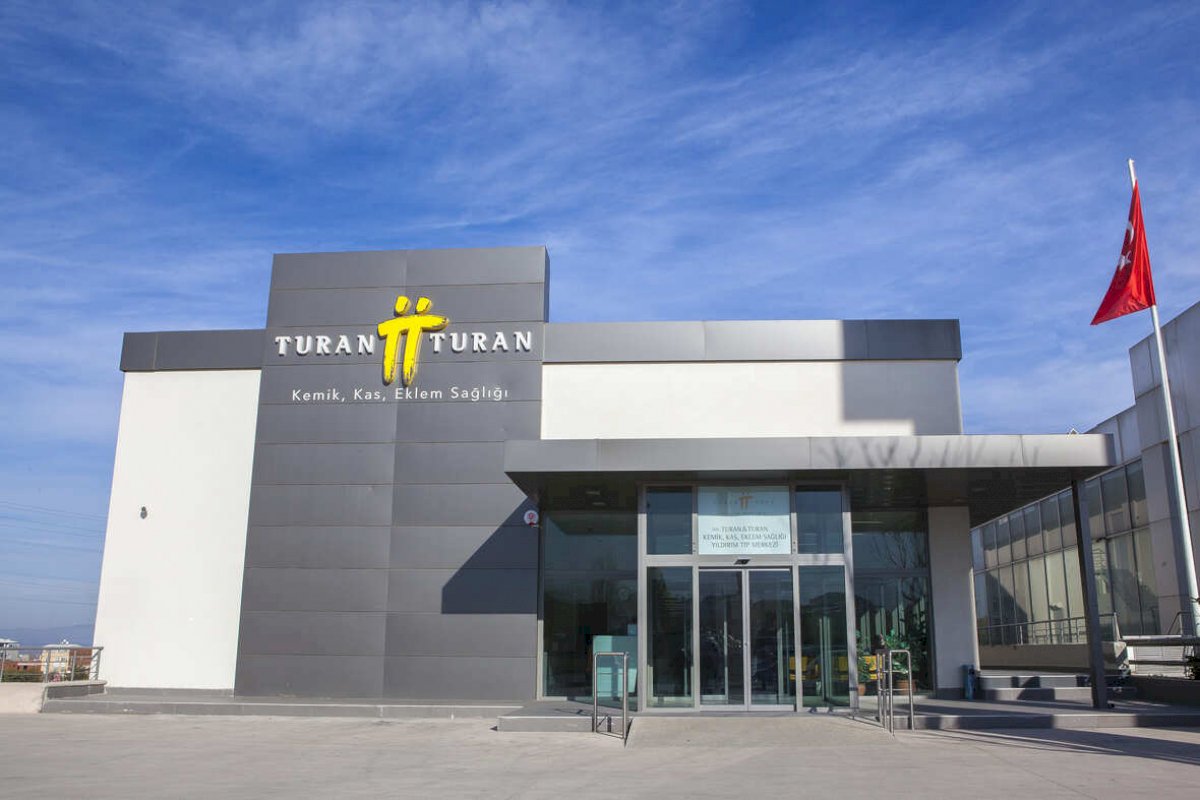
El Dr. Semih Ak se especializa en el pinzamiento posterior del tobillo en Turan Turan Health Group, combinando una amplia formación con experiencia práctica en ortopedia.
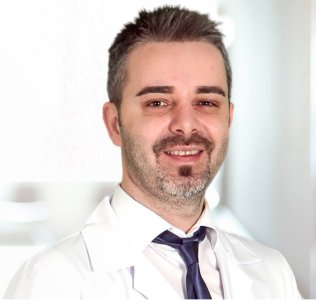
  • Haber completado la residencia en el Hospital de Formación e Investigación Fatih Sultan Mehmet de Estambul
  • Especialista actual en Ortopedia y Traumatología en el Turan&Turan Musculoskeletal Health Center
  • Haberse formado en la Universidad de Yeditepe, una de las principales facultades de medicina de Turquía
verificado

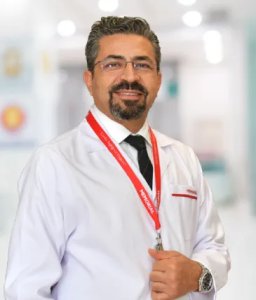
Hayrettin Kesmezacar

26 años de experiencia

El Prof. Kesmezacar aporta al Hospital Gayrettepe Florence Nightingale una formación internacional obtenida en el Hospital for Special Surgery de la Universidad de Cornell y en la Universidad de Western Ontario.

  • Especializarse en cirugía de hombro y codo con más de 24 años de experiencia ortopédica
  • Publicar múltiples estudios revisados por pares sobre trauma ortopédico y cirugías articulares
  • Profesor en la Facultad de Medicina de la Universidad de Bilim
  • Formarse en la prestigiosa Facultad de Medicina Cerrahpaşa de la Universidad de Estambul

Compartir contenido

Historias en video de pacientes de Bookimed

Dayana
Combiné mis vacaciones en Antalya con un chequeo médico.
Procedimiento: Chequeo femenino
Igor
¡Fue genial! Traslados, alojamiento, tratamiento, todo incluido.
Procedimiento: Implante dental
Clínica: WestDent Clinic
Marina
Bookimed se encargó de todo. No tuve que preocuparme por nada.
Procedimiento: Chequeo femenino
Actualizado: 10/21/2025
Escrito por
Olena Sikoza
Olena Sikoza
Сopywriter en español
Copywriter médica certificada responsable del contenido en español de Bookimed. Más de 7 años de experiencia en redacción sobre salud y turismo médico, con formación académica en edición científica y desarrollo de contenidos.
Fahad Mawlood
Editor médico y Científico de datos
Médico general. Ganador de 4 premios científicos. Sirvió en Asia Occidental. Es el ex jefe del equipo médico que soporta a pacientes de habla árabe. Ahora es responsable del procesamiento de datos y la precisión del contenido médico.
Fahad Mawlood Linkedin
Esta página puede incluir información relacionada con diversas afecciones médicas, tratamientos y servicios de salud disponibles en diferentes países. Tenga en cuenta que el contenido se proporciona sólo con fines informativos y no debe interpretarse como asesoramiento médico o orientación. Por favor consulte con su médico o con un profesional médico calificado antes de comenzar o cambiar el tratamiento médico.

Preguntas frecuentes sobre el tratamiento de Pinzamiento posterior del tobillo en Turquía

Estas preguntas frecuentes provienen de pacientes reales que buscan atención médica a través de Bookimed. Las respuestas son proporcionadas por coordinadores médicos experimentados y representantes autorizados de las clínicas.

What is the success rate of posterior ankle impingement treatment in Turkey?

Turkish orthopedic centers report a 100% success rate for endoscopic surgery in treating posterior ankle impingement. Studies show 72.2% of patients achieve excellent results, while 27.8% report good outcomes. This minimally invasive approach ensures rapid recovery with a return to activity in approximately 4.2 weeks.

  • Surgical success: Endoscopic intervention yields 100% positive outcomes in nonathletic Turkish patient cohorts.
  • Conservative recovery: Non-surgical methods including physical therapy effectively resolve 60.9% of cases.
  • Recovery timeline: Patients typically return to work or sports activities within 4.2 weeks.
  • Symptom improvement: Procedures significantly enhance ankle function while effectively reducing mechanical pain.

Bookimed Expert Insight: While general orthopedists are common, seeking specialists with international fellowships improves outcome predictability. Dr. Halil Buldu and Dr. Burcin Kececi have specific training from top institutions in the Netherlands and France. Their refined techniques in ankle surgery help maintain a 99% rate of procedures without long-term nerve irritation.

Patient Consensus: Patients note that success depends on clear mechanical lesions rather than vague pain. They emphasize sticking to rehab to address lingering stiffness or swelling after surgery.

Does posterior ankle impingement require open surgery, or can it be performed arthroscopically?

Posterior ankle impingement does not require open surgery. It is commonly treated arthroscopically through small incisions. This minimally invasive approach reduces trauma and allows for a faster return to activity. Specialists use an arthroscope to remove bone growths or loose bodies.

  • Procedure choice: Turkish specialists perform arthroscopic decompression to remove the os trigonum effectively.
  • Surgical access: Open surgery remains an option only for severe or anatomically complex cases.
  • Recovery benefits: Minimally invasive techniques lead to less scarring and fewer post-operative complications.
  • Conservative care: Surgeons typically recommend surgery after physical therapy or injections fail to help.

Bookimed Expert Insight: Turkish orthopedic specialists like Dr. Burcin Kececi and Dr. Burak Gunaydin maintain memberships in the Turkish Sports Injuries Arthroscopy and Knee Surgery Association. This specific credential signals a high volume of endoscopic procedures. When selecting a clinic, confirm the surgeon focuses on posterior ankle arthroscopy specifically. This ensures they have the specialized equipment for thin-joint navigation.

Patient Consensus: Patients note that posterior ankle pain is often misidentified as Achilles issues. They emphasize that while recovery is faster than open surgery, returning to sports takes longer than most expect.

What is the expected recovery timeline after posterior ankle impingement surgery in Turkey?

Most patients achieve full recovery from posterior ankle impingement surgery in Turkey within 6 to 8 weeks. Specialists generally use arthroscopic techniques to allow immediate light movement. Full weight-bearing typically begins by week 4. Elite athletes often return to training within 35 days.

  • Initial phase: Patients use crutches with touch-weight bearing for the first 14 days.
  • Transition period: Movement increases as stitches are removed between weeks 2 and 4.
  • Work return: Office-based tasks are manageable within 2 to 4 weeks after surgery.
  • Sport resumption: High-impact activities and sports usually require 8 to 12 weeks for safety.

Bookimed Expert Insight: Turkish orthopedic surgeons, such as Dr. Halil Buldu, often specialize in complex ankle malleolar fractures and impingement. This specific expertise is documented in academic publications. Choosing a surgeon with this technical depth ensures the postoperative protocol is tailored to the exact bone or tissue work performed.

Patient Consensus: Patients note that while walking returns quickly, swelling and stiffness can linger for months. Many emphasize that feeling fully confident during jumping or sprinting takes longer than technical clearance suggests.

What clinical criteria identify posterior ankle (os trigonum) impingement versus other posterior heel problems?

Clinical identification of posterior ankle impingement relies on deep posterior pain triggered by forced passive plantar flexion. This condition creates a nutcracker effect where the os trigonum accessory bone is compressed. It is distinguished from Achilles issues which typically cause superficial pain during dorsiflexion.

  • Pain location: Deep posterior ankle pain situated anterior to the Achilles tendon.
  • Provocative testing: Positive heel thrust test where plantar flexion reproduces original symptoms.
  • Functional limit: Pain specifically occurs when pointing toes or climbing steep hills.
  • Differential relief: Significant symptom reduction when the ankle remains in a neutral position.

Bookimed Expert Insight: Turkish specialists emphasize that imaging alone often fails to diagnose os trigonum syndrome because up to 7% of healthy adults have this bone naturally. Leading surgeons like Dr. Halil Buldu prioritize clinical provocation over scans. Patients should confirm that their specialist uses dynamic physical exams to ensure the bone is truly causing the pain before considering surgery.

Patient Consensus: Patients note it is important to track if pain feels like a deep joint ache rather than a surface stretch. Many find that bringing a specific list of trigger movements helps doctors differentiate impingement from common heel pain.

Which locations or surgeons in Turkey are recognized for advanced ankle arthroscopy and sports-foot reconstruction?

Istanbul and Izmir serve as primary hubs for Turkish ankle surgery, featuring specialists with prestigious international fellowships. Key experts include Dr. Burcin Kececi and Dr. Halil Buldu, who provide advanced arthroscopic solutions for posterior ankle impingement and complex sports-related foot reconstructions.

  • Specialized expertise: Dr. Burcin Kececi underwent focused training for ankle surgery and sports injuries in France.
  • Academic precision: Dr. Halil Buldu published specific research regarding surgical results for complex ankle fractures.
  • Advanced planning: Prof. Dr. Halil Can Gemalmaz utilizes 3D patient-specific guides for complex foot deformities.
  • Hospital capacity: Memorial Goztepe Hospital operates 19 theaters across an 81,000 m facility in Istanbul.

Bookimed Expert Insight: Patients seeking relief from impingement should prioritize surgeons with high-volume arthroscopic experience rather than generalists. Dr. Halil Buldu and Dr. Burcin Kececi possess specific international training in these techniques. Selecting a specialist with 15+ years of focus ensures the precision needed for delicate posterior ankle procedures.

Patient Consensus: Patients note that finding a dedicated foot-and-ankle unit is more important than hospital size. Many suggest confirming that the surgeon routinely performs arthroscopic approaches for hindfoot issues to ensure a faster recovery.

For medical tourists, what does a typical 3- to 5-day treatment itinerary in Istanbul look like?

A typical 3- to 5-day itinerary in Istanbul centers on rapid diagnostics and specialized orthopedic intervention. Patients undergo pre-operative scans on arrival. Surgery for posterior ankle impingement often follows on Day 2. Recovery transitions from clinical monitoring to hotel rest by Day 4.

  • Arrival diagnostics: Complete blood tests and 3 Tesla MRI scans happen on Day 1.
  • Surgical intervention: Arthroscopic procedures or debridement typically occur on Day 2 in sterile environments.
  • Post-operative monitoring: Patients usually remain in the hospital for 1 night after surgical treatment.
  • Mobility assessment: Surgeons conduct final physical evaluations and wound checks on Day 4 or 5.

Bookimed Expert Insight: While many expect general orthopedists, Istanbul data shows a shift toward specialized surgeons. Professionals like Dr. Halil Buldu focus specifically on ankle malleolar fractures and complex trauma. Choosing clinicians with focused academic research in ankle anatomy ensures more precise arthroscopic outcomes.

Patient Consensus: Patients note it's helpful to stay close to the clinic. Rapid recovery depends on following early mobilization steps provided by the orthopedic team.

What core pre-operative documents or tests must a medical tourist supply before traveling to Turkey?

Patients must provide a valid passport, medical visa documents, and complete medical records to enter Turkey for surgery. Essential records include recent MRI or CT digital scans (DICOM files), surgical history, and a current list of medications. These ensure the surgical team can verify the treatment plan.

  • Digital imaging: Share actual MRI or CT DICOM files, not just the written radiology reports.
  • Medical history: Provide clinical notes detailing past ankle injuries and failed conservative treatment attempts.
  • Passport validity: Ensure your passport remains valid for at least 6 months beyond entry.
  • Pre-op labs: Prepare recent blood work, coagulation profiles, and an ECG for anesthesia clearance.

Bookimed Expert Insight: Our data shows that top specialists, such as Dr. Burcin Kececi at Medicalpoint International, hold multiple European board certifications in ankle surgery. Having your medical records organized and translated into English allows these highly decorated surgeons to confirm your surgical candidacy much faster, often reducing the time spent in preoperative wait states by 24 hours.

Patient Consensus: Patients emphasize that sending high-quality digital scans is more important than the written report. Most recommend waiting for the surgeon to confirm everything looks good before booking your flights.

Pedir una consulta gratis

Seleccione la mejor manera de contactarle