Orquidopexia en Polonia — obtén 3 clínicas con costos


Revisado médicamente por
Fahad Mawlood
¿Cuál es el precio de Orquidopexia en Polonia? Descubra ahora
Orchidopexy in Poland typically costs from $1,100 to $2,000. The total price depends on the surgical approach, clinic location, and procedure complexity. Basic costs usually cover the surgery and necessary anesthesia during the hospital stay.
- Bilateral orchidopexy: Often costs about 20-30% more than a single-sided procedure.
- Laparoscopic approach: May carry a premium over open surgery for specialized equipment.
- Major medical hubs: Main destinations for this surgery include Warsaw, Kraków, and Poznań.
- Regional variations: Prices in Warsaw often run higher than in cities like Jelenia Góra.
Bookimed Expert Insight: Choosing Warsaw clinics provides access to highly certified experts like Dr. Artur Antoniewicz. He holds Fellowship of the European Board of Urology (FEBU) status and has 20 years of experience. For those seeking cost-effective care, KCM Clinic in Jelenia Góra offers ISO-accredited services. This clinic provides coordinated care from diagnostics through surgery for about 2,500 international and local patients annually.
| Polonia | España | Turquía | |
|---|---|---|---|
| Orquidopexia | ≈ $1,100 | de $4,500 | ≈ $1,300 |
Sus beneficios y garantías con Bookimed
Precios directos
Bookimed no añade cargos adicionales a los precios de Orquidopexia. Las tarifas proceden de las listas de precios oficiales de las clínicas. Pagará directamente en la clínica por su Orquidopexia a su llegada al país.
Sólo clínicas y médicos verificados
Bookimed está comprometido con su seguridad. Solo trabajamos con las clínicas que mantienen altos estándares internacionales en Orquidopexia y tienen las licencias necesarias para atender a pacientes internacionales en todo el mundo.
Asistencia 24/7 gratuita
Bookimed ofrece asistencia experta gratuita. Un coordinador médico personal le apoya antes, durante y después del tratamiento, resolviendo cualquier problema. Nunca estará solo en su viaje médico de Orquidopexia.

Su coordinador médico personal de Bookimed
- Le apoya en cada etapa
- Ayuda a elegir la clínica y el médico adecuados
- Asegura un acceso rápido y conveniente a la información
Descubra las mejores clínicas de Orquidopexia en Polonia: 1 opciones verificadas y Precios



Descripción general de Orquidopexia en Polonia
- Circuncisión - de $640Esta operación elimina el prepucio, a menudo por razones de higiene, religiosas o de salud, lo que promueve la disminución del riesgo de infección.
- Depósito de Bookimed: 200 $ o 200 €.
- Depósito de la clínica: Pague un porcentaje fijo por adelantado.
Obtenga una evaluación médica para Orquidopexia en Polonia: Elija su especialista entre los mejores en el campo
Ver todos los médicos
Katarzyna Balaz
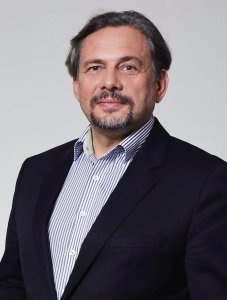
Artur Antoniewicz
El Dr. Artur A. Antoniewicz, MD, PhD, es urólogo con más de 20 años de experiencia. Ha dirigido el Servicio de Urología del Hospital Especializado Międzyleski de Varsovia durante 7 años. Está vinculado al hospital desde hace más de 20 años. Desde 2018 realiza procedimientos asistidos por robot en el Centro de Tratamiento del Cáncer de Próstata.
Se graduó en la Primera Facultad de Medicina de la Universidad Médica de Varsovia. Es especialista en urología y en cirugía general (1992). Ha
Historias en video de pacientes de Bookimed
Reseñas
Todas las reseñasCompartir contenido
 Olena Sikoza
Preguntas frecuentes sobre Orquidopexia en Polonia
¿Qué es la orquidopexia y por qué se realiza?
La orquidopexia es un procedimiento quirúrgico que reubica un testículo no descendido en el escroto y lo fija de forma permanente. Principalmente trata la criptorquidia en bebés para preservar la fertilidad y facilitar las pruebas de detección de cáncer. Los cirujanos también la realizan como tratamiento de emergencia para la torsión testicular a fin de evitar la pérdida permanente del órgano.
- Preservación de la fertilidad: La reubicación en el escroto, que es más fresco, asegura una producción y desarrollo saludables de espermatozoides.
- Monitoreo de cáncer: El posicionamiento adecuado permite exámenes físicos más sencillos para detectar posibles tumores.
- Prevención de torsión: Los puntos de sutura aseguran el testículo para evitar la torsión y la pérdida del suministro sanguíneo.
- Reparación de hernia: Los cirujanos a menudo reparan hernias inguinales acompañantes durante el mismo procedimiento ambulatorio.
Perspectiva de expertos de Bookimed: Los urólogos expertos en Polonia, incluidos los de la Clínica KCM, a menudo utilizan técnicas mínimamente invasivas para estos procedimientos. Si bien muchas familias se centran en la cirugía principal, especialistas destacados como el Dr. Artur Antoniewicz enfatizan el gran valor de la corrección simultánea de la hernia. Este enfoque de doble acción reduce la necesidad de futuras cirugías y minim
¿Cuál es la edad recomendada para que un niño se someta a una orquidopexia en Polonia?
Las directrices médicas en Polonia recomiendan la orquidopexia entre los 6 y los 18 meses de edad. La ventana ideal para la cirugía es de 6 a 12 meses. Los especialistas buscan finalizar el tratamiento antes de los 18 meses para proteger la fertilidad futura y prevenir daños celulares permanentes en el testículo.
- Ventana quirúrgica: La mayoría de los procedimientos ocurren entre los 6 y 12 meses para una preservación óptima.
- Límite superior: Las directrices establecen que la cirugía debe completarse a más tardar a los 2 años de edad.
- Estándares nacionales: El cronograma se alinea con las recomendaciones de la Sociedad Polaca de Cirugía Pediátrica y la EAU.
- Bebés prematuros: Los cirujanos calculan la fecha del procedimiento utilizando la edad gestacional corregida en lugar de la edad cronológica.
Perspectiva del experto de Bookimed: Aunque muchos cirujanos generales realizan orquidopexias, elegir a un miembro del European Board of Urology (FEBU) garantiza una experiencia especializada. Expertos como el Dr. Artur Antoniewicz en Varsovia aportan décadas de experiencia quirúrgica. Esta especialización de alto nivel a menudo ayuda a los padres a sortear los cuellos de botella en las derivaciones locales y asegurar fechas de cirugía más rápidas.
Consenso de los pacientes: Los padres enfatizan que los retrasos en la pro
¿Cuál es la tasa de éxito de la orquidopexia?
Las tasas de éxito de la orquidopexia oscilan entre el 75 % y más del 95 %, dependiendo en gran medida de la ubicación inicial del testículo. Los casos inguinales logran tasas de éxito superiores al 95 %, mientras que los casos abdominales más complejos oscilan entre el 75 % y el 90,3 % utilizando técnicas laparoscópicas modernas.
- Éxito inguinal: La reparación quirúrgica estándar para testículos ubicados en la ingle mantiene una tasa de éxito ponderada del 96,4 %.
- Éxito abdominal: Los procedimientos laparoscópicos de Fowler-Stephens en dos etapas arrojan tasas de éxito entre el 86 % y el 90,3 %.
- Tasa de recurrencia: El reascenso testicular ocurre solo en el 1,5 % al 6 % de los casos quirúrgicos documentados.
- Riesgo de atrofia: La atrofia significativa ocurre en el 1 % al 3 % de los procedimientos estándar menos complejos.
Perspectiva del experto de Bookimed: El éxito en Polonia está impulsado por una especialización de alto nivel entre los urólogos. El Dr. Artur Antoniewicz y el profesor Jakub Dobruch en Varsovia poseen credenciales de Fellow of the European Board of Urology (FEBU). Su amplia experiencia con sistemas asistidos por robot y laparoscópicos cumple con los estándares globales para la cirugía urológica reconstructiva compleja.
Consenso de los pacientes: Los padres se centran en el éxito anatómico: ver
¿Realizan los cirujanos polacos rutinariamente una orquidopexia en el testículo sano (contralateral) durante una emergencia por torsión?
Los cirujanos polacos realizan rutinariamente una orquidopexia contralateral en el 69% de las emergencias por torsión testicular. Esta práctica sigue las directrices de la Asociación Europea de Urología para prevenir futuras torsiones en el lado sano. La mayoría de los cirujanos ejecutan esto como un procedimiento bilateral de un solo paso durante la exploración de emergencia inicial.
- Protocolo estándar: El 69% de los cirujanos fija rutinariamente el testículo sano durante las emergencias.
- Fijación condicional: El 28% fija el segundo lado solo si el testículo afectado requiere extirpación.
- Estrategia de tiempo: La mayoría realiza la cirugía bilateral inmediatamente, mientras que el 30% prefiere un segundo paso electivo diferido.
- Credenciales de especialistas: Los centros principales cuentan con miembros del European Board of Urology (FEBU).
Perspectiva del experto de Bookimed: Aunque el 69% de los cirujanos polacos siguen los protocolos bilaterales estándar, el 30% que opta por un procedimiento de dos pasos crea una posible brecha de seguridad. Los pacientes deben confirmar si su cirujano utiliza el enfoque inmediato de un solo paso. Los especialistas de alto volumen como el Dr. Artur Antoniewicz en el Hospital Especializado Międzyleski mantienen los estándares internacionales a través de la certificación FEBU.
Consenso d
¿Cuáles son los enfoques quirúrgicos estándar para la torsión testicular/orquidopexia en los hospitales polacos?
Los hospitales polacos manejan la torsión testicular mediante un acceso escrotal estandarizado, principalmente a través de incisiones bilaterales individuales en el 80% de los casos. Los cirujanos priorizan la detorsión y fijación rápidas, a menudo empleando los estándares del Fellow of the European Board of Urology (FEBU) para garantizar que la orquidopexia prevenga futuras recurrencias mediante la estabilización con sutura.
- Acceso quirúrgico: Las incisiones bilaterales independientes son estándar para la evaluación visual directa de ambos testículos.
- Método de fijación: Los especialistas utilizan una fijación con sutura de 2 o 3 puntos para asegurar el tejido testicular viable.
- Material de sutura: La práctica se divide entre hilos absorbibles y no absorbibles para una estabilidad a largo plazo.
- Enfoque contralateral: La fijación sincrónica ocurre en el 69% de los casos para abordar los riesgos anatómicos bilaterales.
Perspectiva de expertos de Bookimed: Los datos clínicos indican que los centros polacos de alto nivel, como el Hospital Carolina o la Clínica KCM, aprovechan a urólogos con una amplia formación europea. El profesor Jakub Dobruch y el Dr. Artur Antoniewicz, Fellow of the European Board of Urology (FEBU), representan un estándar de atención donde las técnicas mínimamente invasivas y los protocolos internacionales son la nor
¿Qué deben esperar los padres durante la recuperación postoperatoria tras una orquidopexia en Polonia?
Los padres deben esperar que la orquidopexia en Polonia sea un procedimiento ambulatorio realizado el mismo día. La recuperación implica el manejo de una leve somnolencia postoperatoria y una inflamación local. Los cirujanos pediátricos polacos siguen las estrictas directrices de la Asociación Europea de Urología (EAU), garantizando un cuidado de heridas estandarizado y protocolos de manejo del dolor multimodal para un alta segura.
- Manejo del dolor: Los cirujanos utilizan regímenes rotativos de paracetamol e ibuprofeno para molestias leves a moderadas.
- Apariencia física: La inflamación y los hematomas escrotales son normales y suelen desaparecer en un plazo de 2 semanas.
- Cuidado de heridas: La mayoría de las clínicas utilizan puntos de sutura autodisolubles que desaparecen de forma natural en 2 a 3 semanas.
- Límites de actividad: Los niños deben evitar juguetes para montar, bicicletas y deportes de contacto durante 4 a 6 semanas.
Perspectiva del experto de Bookimed: Aunque muchos padres se centran en el día de la cirugía, nuestros datos muestran que la recuperación alcanza su punto máximo alrededor de las 48 horas. Los pacientes tratados por expertos como un miembro del European Board of Urology (FEBU) se benefician de técnicas avanzadas. Estos especialistas suelen utilizar pegamento tisular, lo que permite una higiene más temprana y red
¿Qué tan alta es la calidad de la neurocirugía en Polonia?
La neurocirugía en Polonia ofrece atención de alta calidad en centros con certificación JCI e ISO. Los neurocirujanos polacos se adhieren a estrictos estándares de formación adoptados por la Unión Europea. Muchos han completado becas en Estados Unidos o Alemania. Tecnologías avanzadas, como CyberKnife, Gamma Knife y sistemas robóticos, están ampliamente disponibles en centros privados.
- Cualificaciones especializadas: Los médicos suelen ser miembros de la Asociación Europea de Sociedades de Neurocirugía.
- Tecnologías avanzadas: Las clínicas utilizan sistemas CyberKnife y ultrasonido enfocado guiado por resonancia magnética para el tratamiento cerebral no invasivo.
- Volumen clínico: Centros líderes como el Hospital Universitario de Cracovia tratan a más de 455.000 pacientes al año.
- Cirujanos experimentados: El Dr. Maciej Bujko del Hospital Carolina ha realizado más de 2.500 cirugías por su cuenta.
Opinión experta de Bookimed: Los datos muestran una fuerte correlación entre la especialización de una clínica y el origen de sus pacientes. La Clínica KCM atiende a más de 700 pacientes internacionales al año. Se especializa en cirugía de columna mínimamente invasiva. Este volumen de trabajo le permite ofrecer paquetes de servicios especializados, que a menudo incluyen bloques de diagnóstico e implantes específicos, como el DIAM de Medtronic.
¿Cuáles son las cualificaciones de los neurocirujanos polacos?
Los neurocirujanos polacos son especialistas altamente cualificados que han completado al menos 13 años de rigurosa formación médica. Esto incluye seis años de estudios de medicina, 13 meses de prácticas y seis años de residencia. Deben aprobar el Examen Estatal de Especialización (PES) y suelen estar certificados por la Asociación Europea de Sociedades de Neurocirugía (EANS).
- Educación: Los médicos reciben educación médica (medicina) después de 6 años de estudio en la universidad.
- Especialización: La residencia incluye 6 años de formación modular en neurocirugía clínica y neurorradiología.
- Volumen quirúrgico: Los residentes a menudo realizan más de 1.000 cirugías, lo que excede el volumen de capacitación promedio en otras regiones.
- Certificados: Muchos especialistas son miembros de AO Spine o de la Sociedad Polaca de Cirugía de Columna.
Opinión experta de Bookimed: Los datos muestran que los neurocirujanos polacos suelen especializarse en tecnologías altamente especializadas, como el sistema ApiFix o el sistema de endoscopia lumbar SED-YESS. Especialistas como el Dr. Stanisław Kwek, de la Clínica KCM, combinan la investigación postdoctoral con una práctica quirúrgica activa. Esta combinación de profundos conocimientos académicos y un alto volumen quirúrgico los hace especialmente eficaces en cirugías de columna complejas y mínimamente in
¿Cuáles son las mejores clínicas neuroquirúrgicas en Polonia?
Entre las mejores clínicas neuroquirúrgicas de Polonia se encuentran el Hospital Carolina, la Clínica KCM y centros académicos de primer nivel como el Hospital Universitario de Cracovia. Estas instituciones ofrecen tratamientos de vanguardia para enfermedades de la columna vertebral y el cerebro que cumplen con los estándares de calidad ISO y emplean a especialistas miembros de organizaciones internacionales como AO Spine.
- Hospital Carolina: Centro Médico de Excelencia FIFA, especializado en cirugías de columna complejas y mínimamente invasivas.
- Clínica KCM: Reconocida internacionalmente por la calidad de sus procedimientos endoscópicos de columna, atendiendo a más de 700 pacientes internacionales anualmente.
- Hospital Universitario de Cracovia: un gran centro multidisciplinario que realiza más de 800 operaciones neuroquirúrgicas al año desde 1788.
- Luxmed: un reconocido centro médico privado en Varsovia especializado en cirugía de columna avanzada para pacientes internacionales.
Opinión experta de Bookimed: Si bien muchos buscan los hospitales más grandes, los datos muestran que clínicas como el Hospital Carolina ofrecen mayor eficiencia para cirugías electivas. Con más de 40 médicos especialistas en este centro de 30 camas, la proporción médico-paciente es significativamente mayor que en los centros universitarios públicos. Esto se traduc
¿Qué procedimientos neuroquirúrgicos se realizan con más frecuencia en Polonia?
En Polonia, la neurocirugía se centra principalmente en cirugías de columna y extirpación de tumores cerebrales. Los hospitales realizan con frecuencia microdiscectomías, fusiones espinales y estimulación cerebral profunda. Centros como el Hospital Carolina y la Clínica KCM utilizan técnicas mínimamente invasivas para tratar hernias discales, lesiones de columna y trastornos neurológicos complejos.
- Cirugía de columna: La discectomía y la laminectomía son tratamientos comunes para los discos herniados.
- Neurooncología: Los especialistas realizan cirugías para extirpar tumores cerebrales utilizando equipos modernos como la tecnología CyberKnife.
- Neurocirugía funcional: la estimulación cerebral profunda (ECP) se utiliza ampliamente para los trastornos del movimiento.
- Técnicas mínimamente invasivas: Los cirujanos utilizan técnicas endoscópicas para descomprimir la columna y tratar tumores pituitarios.
Opinión experta de Bookimed: Polonia se ha convertido en un centro de estabilización espinal especializada. Clínicas como el Hospital Carolina colaboran con equipos deportivos nacionales, lo que refleja su alto nivel de experiencia en el tratamiento de lesiones espinales complejas. Nuestros datos muestran que estas instituciones suelen integrar la rehabilitación directamente en el tratamiento quirúrgico. Esta combinación reduce el riesgo de compl