Orquidopexia en Alemania — obtén 3 clínicas con costos


Revisado médicamente por
Fahad Mawlood
¿Cuál es el precio de Orquidopexia en Alemania? Descubra ahora
| Alemania | España | Turquía | |
|---|---|---|---|
| Orquidopexia | ≈ $3,200 | de $4,500 | ≈ $1,300 |
Sus beneficios y garantías con Bookimed
Precios directos
Bookimed no añade cargos adicionales a los precios de Orquidopexia. Las tarifas proceden de las listas de precios oficiales de las clínicas. Pagará directamente en la clínica por su Orquidopexia a su llegada al país.
Sólo clínicas y médicos verificados
Bookimed está comprometido con su seguridad. Solo trabajamos con las clínicas que mantienen altos estándares internacionales en Orquidopexia y tienen las licencias necesarias para atender a pacientes internacionales en todo el mundo.
Asistencia 24/7 gratuita
Bookimed ofrece asistencia experta gratuita. Un coordinador médico personal le apoya antes, durante y después del tratamiento, resolviendo cualquier problema. Nunca estará solo en su viaje médico de Orquidopexia.

Su coordinador médico personal de Bookimed
- Le apoya en cada etapa
- Ayuda a elegir la clínica y el médico adecuados
- Asegura un acceso rápido y conveniente a la información
Descubra las mejores clínicas de Orquidopexia en Alemania: 1 opciones verificadas y Precios
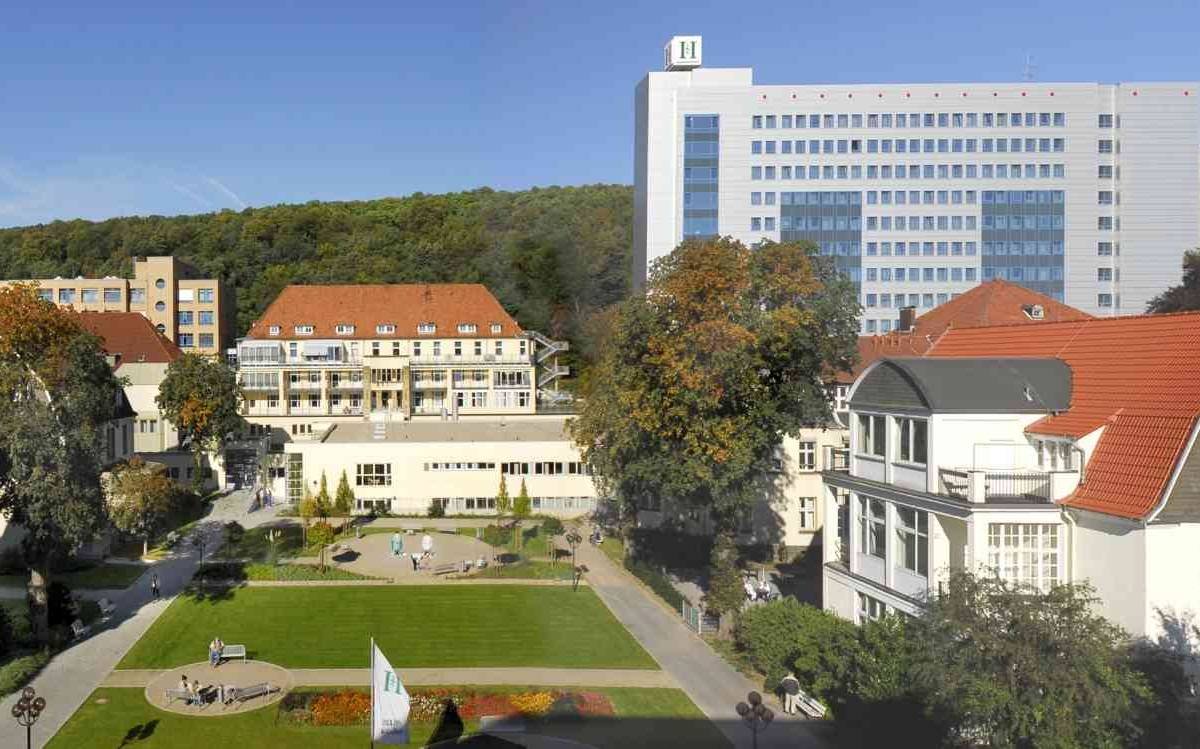


Descripción general de Orquidopexia en Alemania
- Circuncisión - de $750Esta operación elimina el prepucio, a menudo por razones de higiene, religiosas o de salud, lo que promueve la disminución del riesgo de infección.
- Depósito de Bookimed: 200 $ o 200 €.
- Depósito de la clínica: Pague un porcentaje fijo por adelantado.
Historias en video de pacientes de Bookimed
Reseñas
Todas las reseñasCompartir contenido
 Olena Sikoza
Preguntas frecuentes sobre Orquidopexia en Alemania
¿Cuál es la edad recomendada para la orquidopexia en Alemania?
Las directrices médicas en Alemania recomiendan realizar la orquidopexia entre los 6 y 12 meses de edad. Los cirujanos tienen como objetivo completar el procedimiento antes del primer cumpleaños del niño. Este momento es fundamental para preservar la fertilidad futura y reducir los riesgos a largo plazo de cáncer testicular.
- Ventana quirúrgica: Los protocolos alemanes apuntan a la intervención entre los 6 y 12 meses de edad.
- Protección de la fertilidad: La cirugía temprana mejora significativamente el crecimiento testicular y la futura producción de espermatozoides.
- Prevención del cáncer: Completar el procedimiento antes de la edad de 1 año reduce los riesgos futuros de malignidad.
- Atención especializada: Los urólogos pediátricos en centros como el Hospital Universitario Helios Wuppertal gestionan estos casos.
Perspectiva del experto de Bookimed: Aunque las directrices alemanas exigen la cirugía antes del año de edad, los grandes hospitales universitarios a menudo atienden a niños mayores. Centros como el Hospital Universitario Helios Wuppertal tratan a 150,000 pacientes al año, incluidos casos internacionales. Si su hijo tiene más de 12 meses, busque una consulta de inmediato para evitar daños celulares adicionales.
Consenso de los pacientes: Los padres informan que la cirugía generalmente se discute si el desce
¿Por qué se enfatiza la cirugía temprana (antes de los 12 meses) en Alemania?
Los cirujanos alemanes priorizan la orquidopexia antes de los 12 meses para proteger la fertilidad futura y la salud testicular. Operar durante este período evita daños relacionados con el calor en las células germinales. Este enfoque proactivo minimiza los riesgos a largo plazo, como la torsión o la malignidad, al tiempo que garantiza resultados funcionales óptimos para los bebés.
- Preservación de la fertilidad: La cirugía antes de los 12 meses evita la exposición prolongada a altas temperaturas abdominales.
- Momento estratégico: Los clínicos alemanes enfatizan una ventana de tiempo estrecha y sensible para obtener resultados funcionales superiores.
- Reducción de complicaciones: La intervención temprana simplifica el procedimiento y reduce los riesgos de torsión testicular futura.
- Calidad de la infraestructura: Los centros académicos como el Hospital Universitario Helios Wuppertal utilizan estándares especializados de urología pediátrica.
Perspectiva del experto de Bookimed: La intensidad de la regla de los 12 meses en Alemania proviene de un fuerte enfoque en la densidad de las células germinales. Mientras que algunos países esperan más tiempo, los hospitales universitarios alemanes utilizan un gran volumen de casos pediátricos (Helios Wuppertal atiende a 150,000 pacientes al año) para justificar la intervención temprana como el estándar
¿Qué es la orquidopexia (orchiopexia)?
La orquidopexia es un procedimiento quirúrgico para mover un testículo no descendido hacia el escroto. Los cirujanos alemanes utilizan puntos permanentes para fijarlo a la pared escrotal con el fin de corregir la criptorquidia o la torsión testicular. Esta operación necesaria preserva la fertilidad y reduce los riesgos al anclar el testículo permanentemente en su posición correcta.
- Objetivos del tratamiento: Corrige los testículos no descendidos (criptorquidia) o la torsión testicular potencialmente mortal.
- Técnica quirúrgica: Los cirujanos usan puntos permanentes para anclar el testículo a la pared escrotal.
- Reparación de hernias: Los médicos a menudo reparan las hernias asociadas durante la misma sesión quirúrgica.
- Cronograma de recuperación: Por lo general, los niños faltan de 2 a 3 días a la escuela después del procedimiento.
Perspectiva del experto de Bookimed: Los hospitales universitarios alemanes como Helios Wuppertal tratan a 150,000 pacientes al año. Priorizan la orquidopexia preventiva para la deformidad en "badajo de campana". Esta fijación quirúrgica dirigida evita futuras emergencias de torsión. Protege eficazmente la función testicular antes de que ocurran complicaciones.
Consenso de los pacientes: Los padres consideran que el descanso de 2 semanas sin nadar es esencial para la curación de la incis
¿Se realiza alguna vez una orquidopexia para la torsión testicular?
La orquidopexia es el tratamiento quirúrgico estándar para la torsión testicular. Los cirujanos la realizan para destorcer el cordón espermático y fijar permanentemente el testículo al escroto. Esta fijación previene torsiones futuras y, por lo general, se realiza en ambos lados durante el mismo procedimiento de emergencia.
- Momento quirúrgico: La intervención de emergencia dentro de las 6 horas ofrece la mayor probabilidad de salvar el testículo.
- Fijación bilateral: Los cirujanos aseguran ambos testículos porque el riesgo anatómico subyacente suele afectar a ambos lados.
- Medida preventiva: La fijación sigue siendo necesaria incluso si un testículo se destuerce naturalmente para evitar la recurrencia.
- Corrección anatómica: El procedimiento corrige con éxito la deformidad en "badajo de campana" (bell-clapper) que permite que el testículo gire.
Perspectiva del experto de Bookimed: Los hospitales universitarios alemanes como Helios Wuppertal manejan volúmenes masivos de pacientes, tratando 150,000 casos al año. Esta alta frecuencia crea una competencia vital en emergencias urológicas que requieren rapidez. Sus departamentos de urología especializados priorizan la fijación bilateral incluso si solo un lado está torcido actualmente.
Consenso de los pacientes: Los pacientes enfatizan que los resultados de la ecografía n
¿Qué criterios distinguen un testículo retráctil de un verdadero testículo no descendido?
La distinción entre un testículo retráctil y un verdadero testículo no descendido depende de la palpación manual y la apariencia escrotal. Un testículo retráctil se mueve libremente hacia el escroto y permanece allí brevemente. Los testículos verdaderamente no descendidos permanecen altos en la ingle o el abdomen y no pueden alcanzar la base escrotal.
- Movilidad manual: Los cirujanos pueden bajar los testículos retráctiles. Los testículos no descendidos permanecen fijos o vuelven a subir.
- Apariencia escrotal: Las rugosidades normales sugieren un testículo retráctil. Un escroto plano y liso indica criptorquidia.
- Reflejo cremastérico: El frío o el tacto activan el movimiento retráctil. Los testículos no descendidos no responden de esta manera.
- Frecuencia de posición: Los testículos retráctiles a menudo descienden durante el sueño o baños calientes. Los testículos no descendidos nunca lo hacen.
Perspectiva del experto de Bookimed: Los hospitales universitarios alemanes como Helios Wuppertal tratan a 150.000 pacientes anualmente. Priorizan el monitoreo no quirúrgico para casos retráctiles. Solo recomiendan la orquidopexia si el testículo deja de descender durante la pubertad. Este enfoque conservador evita cirugías infantiles innecesarias.
Consenso del paciente: Los padres sienten alivio cuando los médicos demuestran
¿Cómo es la recuperación postoperatoria?
La recuperación de la orquidopexia en Alemania generalmente requiere de 1 a 2 días de hospitalización para observación. Los pacientes suelen volver a una actividad escolar o laboral ligera en un plazo de 3 días. La cicatrización completa de la incisión escrotal toma alrededor de 2 semanas. Durante este tiempo, los pacientes deben evitar deportes y natación.
- Manejo del dolor: Los analgésicos de venta libre como el paracetamol suelen ser suficientes para manejar las molestias.
- Actividad física: Evite deportes, levantar objetos pesados y movimientos bruscos durante al menos 2 semanas.
- Cuidado de la herida: Mantenga la incisión seca y evite baños o nadar hasta que esté completamente curada.
- Signos de movilidad: Espere movimientos incómodos o una ligera cojera durante la primera semana postoperatoria.
Perspectiva del experto de Bookimed: Los hospitales universitarios alemanes como Helios Wuppertal tratan a 150.000 pacientes anualmente. Priorizan la atención integrada tanto para niños como para adultos. Nuestros datos muestran que estos grandes centros ofrecen una experiencia superior en oncología urológica y casos de torsión. Este alto volumen de pacientes garantiza que los cirujanos mantengan habilidades especializadas para procedimientos pediátricos delicados.
Consenso del paciente: Muchos pacientes consideran la pr
¿Dónde se realiza la orquidopexia en Alemania?
La orquidopexia se realiza en departamentos especializados de cirugía pediátrica y clínicas universitarias de urología en toda Alemania. Los centros médicos clave incluyen Frankfurt, Stuttgart, Hamburgo y Wuppertal. Las operaciones se realizan en grandes hospitales municipales como el Hospital Universitario Helios de Wuppertal y centros pediátricos dedicados para garantizar una atención especializada.
- Ubicaciones disponibles: Las instalaciones incluyen centros médicos universitarios en Mannheim, Hamburgo-Eppendorf y Jena.
- Entornos especializados: Los cirujanos operan en el Hospital Olga de Stuttgart y en el Hospital Municipal de Karlsruhe.
- Departamentos principales: Los pacientes reciben atención en cirugía pediátrica o unidades especializadas de urología pediátrica.
- Acceso regional: Baden-Wurtemberg y Renania del Norte-Westfalia ofrecen una alta concentración de servicios quirúrgicos.
Perspectiva del experto de Bookimed: Si bien los grandes hospitales universitarios son prestigiosos, clínicas como el Hospital Universitario Helios de Wuppertal atienden a 150.000 pacientes anualmente. Este volumen sugiere una alta competencia quirúrgica. Busque instalaciones que cuenten con departamentos de urología tanto para adultos como pediátricos. Estos centros a menudo cuentan con más de 500 médicos para un seguimiento postoperatorio integral.
¿Qué hospitales en Alemania tienen las calificaciones más altas en neurocirugía?
Alemania alberga algunos de los departamentos de neurocirugía más prestigiosos del mundo, liderados por la Charité – Universitätsmedizin Berlin y el Hospital Universitario de Heidelberg. Estos centros destacan en el tratamiento de tumores cerebrales complejos y enfermedades cerebrovasculares. Para maximizar la eficacia de sus procedimientos, utilizan tecnologías de vanguardia como la resonancia magnética intraoperatoria y la neuronavegación asistida por computadora.
- Charité Berlín: Realiza más de 5000 cirugías al año. La clínica está dirigida por el reconocido neurocirujano Dr. Peter Vaikoczy.
- Centro Médico Solingen: El Dr. Ralf Buhl ha realizado más de 4.000 cirugías, incluidas cirugías de columna mínimamente invasivas.
- Clínica Asklepios Nord: equipada con el único sistema de resonancia magnética intraoperatoria bilateral de Alemania para garantizar precisión quirúrgica en tiempo real durante la extirpación del tumor.
- Clínica Nordwest: reconocida por la revista Newsweek como un hospital líder por su innovación en tecnología de ultrasonido 3D.
Opinión experta de Bookimed: Los datos muestran que elegir centros con un alto volumen quirúrgico suele llevar a recomendaciones de tratamiento más conservadoras. En el Centro Médico Solingen, que atiende a más de 60.000 pacientes al año, los cirujanos suelen sugerir fisioterapia en lugar de cirugía
¿Cuáles son las tasas de éxito de los procedimientos neuroquirúrgicos complejos en Alemania?
En Alemania, los procedimientos neuroquirúrgicos de alta complejidad demuestran una seguridad excepcional. Las tasas de éxito en las fusiones espinales alcanzan el 99 %. La tasa de supervivencia en las resecciones de tumores cerebrales primarios es del 97 %. La independencia funcional es alta. Más del 82 % de los pacientes reciben el alta inmediatamente después del tratamiento. Los centros alemanes priorizan la preservación de la función neurológica mediante técnicas modernas de mapeo.
- Resección de tumores: los cirujanos logran una resección tumoral completa en el 87,2% de los casos de metástasis cerebrales.
- Éxito en el tratamiento de enfermedades vasculares: los hospitales alemanes informan de una tasa de supervivencia del 98,7% para aneurismas no rotos.
- Mejora del estado neurológico: casi el 43% de los pacientes experimentan una mejora de los parámetros funcionales después de resecciones complejas.
- Seguridad de las intervenciones quirúrgicas: En grandes centros quirúrgicos, las tasas de supervivencia de los pacientes después de la cirugía de columna son del 98-99%.
Opinión experta de Bookimed: Cirujanos experimentados como el Dr. Uwe Köhler, de la Clínica Asklepios Altona, realizan más de 2000 cirugías al año. Los datos muestran que estos especialistas mantienen tasas de éxito de hasta el 90 %, incluso en los tumores cerebrales más comp
¿Qué tecnologías avanzadas suelen estar disponibles en las clínicas neuroquirúrgicas alemanas?
Las clínicas neuroquirúrgicas alemanas incorporan regularmente instrumentos digitales de alta precisión y visualización en tiempo real a la práctica quirúrgica. Entre las tecnologías clave se encuentra la neuronavegación computarizada para cirugías de cerebro y médula espinal. Instituciones como la Clínica Asklepios Nord utilizan la resonancia magnética intraoperatoria para verificar la extirpación de tumores en tiempo real. Estos sistemas proporcionan a los cirujanos navegación GPS 3D.
- Neuronavegación: proporciona visualización 3D y seguimiento de instrumentos en tiempo real para lograr precisión quirúrgica hasta el nivel submilimétrico.
- Imágenes intraoperatorias: sistemas como iMRI y O-arm CT permiten la confirmación inmediata de una resección exitosa.
- Neuromonitorización: Monitorea las funciones motoras y sensoriales durante la cirugía para proteger el sistema nervioso.
- Diagnóstico de fluorescencia: se utiliza el colorante 5-ALA para resaltar los bordes del tumor para una eliminación más completa.
- Asistencia robótica: Sistemas como el Da Vinci mejoran la precisión en procedimientos complejos y mínimamente invasivos.
Opinión experta de Bookimed: Grandes centros como la Charité – Universitätsmedizin de Berlín realizan más de 4000 procedimientos neuroquirúrgicos al año, lo que crea un entorno rico en datos para p