Tratamiento de Non-surgical slimming program en Corea del Sur — obtenga 3 coincidencias personalizadas de clínicas


Revisado médicamente por
Fahad Mawlood
Cómo funciona
¿Cuál es el precio del diagnóstico y los tratamientos de Non-surgical slimming program en Corea del Sur? Descubra ahora
Descubra las mejores clínicas de tratamiento de Non-surgical slimming program en Corea del Sur: 7 opciones verificadas y Precios



URBAN Plastic Surgery
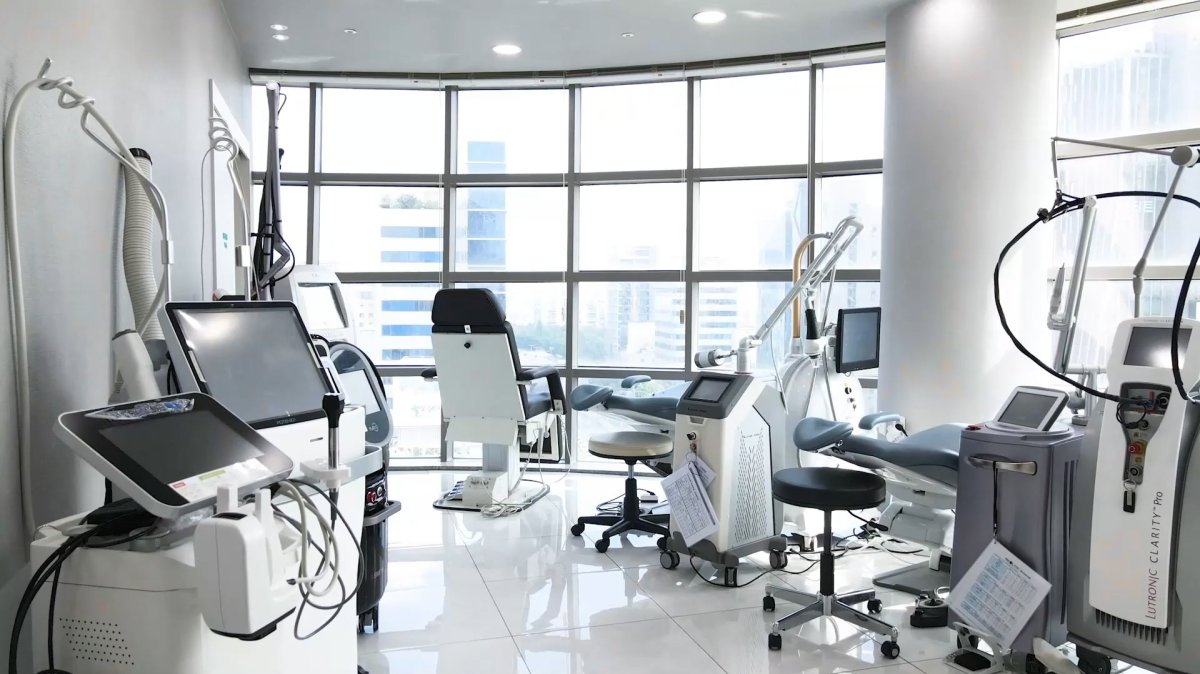


Obtenga una evaluación médica de tratamiento de Non-surgical slimming program en Corea del Sur: haga una consulta con 11 médicos experimentados ahora
Ver todos los médicos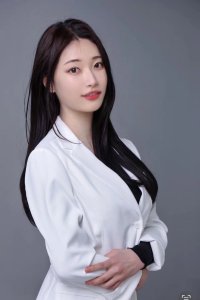
Yeom Jihye
La Dra. Yeom Jihye se especializa en adelgazamiento no quirúrgico, con una amplia formación en la UCLA y membresía en las principales sociedades estéticas.
- Miembro titular de la Sociedad Coreana para la Obesidad y la Medicina Estética
- Miembro vitalicio de la Sociedad Coreana de Dermatología Láser
- Haber completado el prestigioso Programa de Observación Clínica de la UCLA
- Exdirectora en múltiples clínicas estéticas líderes
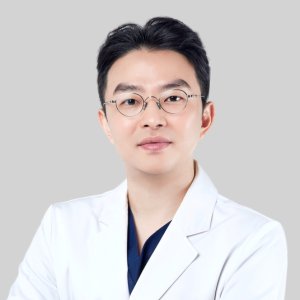
Lim Yoon Min
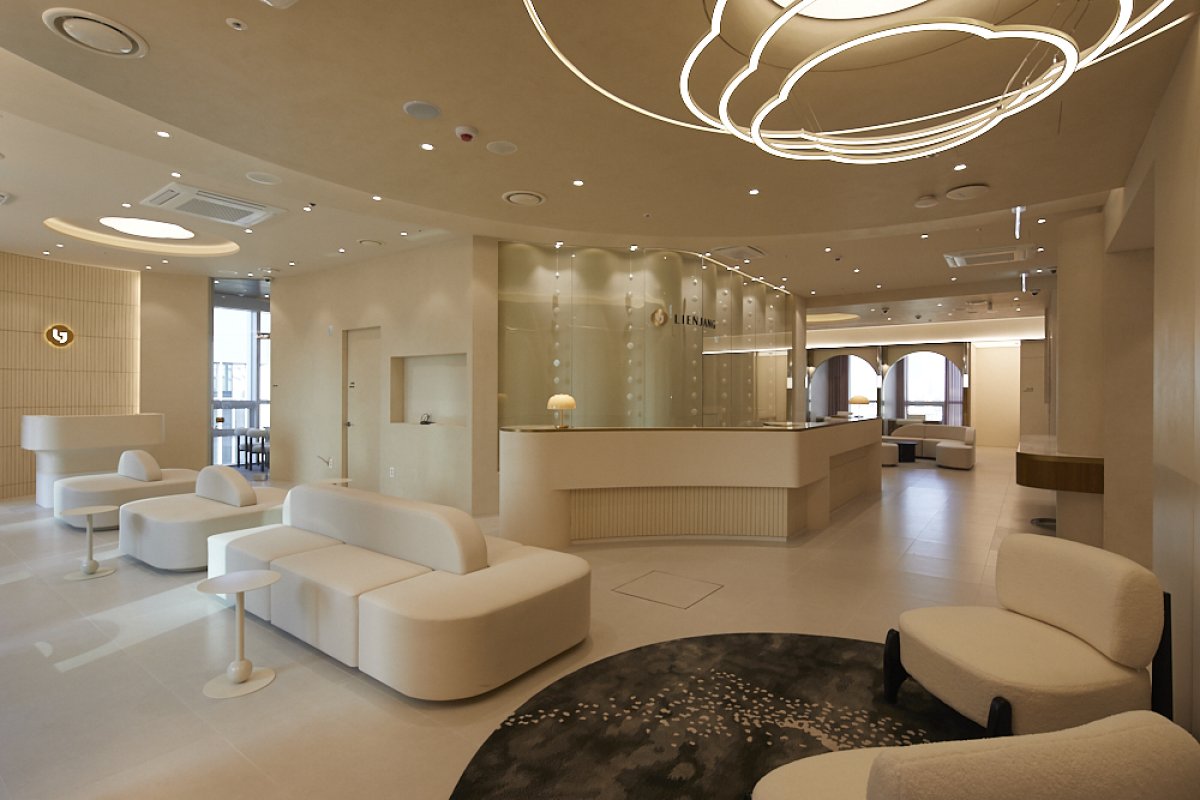
Lim Yoon Min — cirugía plástica, Lienjang.
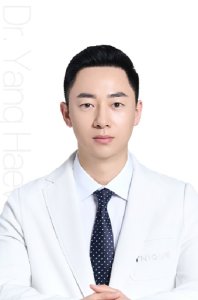
Haewon Yang
El Dr. Haewon Yang, MD, es un cirujano plástico certificado con amplia experiencia en procedimientos faciales y estéticos. Completó formación especializada en el Samsung Medical Center. Es profesor clínico adjunto en la Facultad de Medicina de la Universidad Sungkyunkwan.
Realizó formación internacional avanzada, incluido el Curso de Anatomía Facial Avanzada en el Royal Australasian College of Surgeons, en Melbourne. Su enfoque clínico incluye el contorno facial, la rinoplastia, la cir
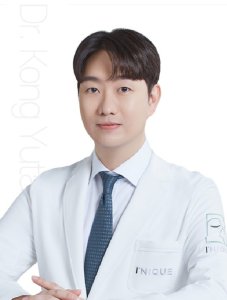
Yootaek Kong
El Dr. Yootaek Kong, MD, es un cirujano plástico certificado por la junta. Se graduó de la Escuela de Medicina de la Universidad Sungkyunkwan y completó la formación como especialista en el Samsung Medical Center.
Tiene amplia experiencia en cirugía plástica facial y procedimientos estéticos. Planifica la atención según la anatomía y las proporciones faciales de cada paciente. Su prioridad es la seguridad y lograr resultados de aspecto natural.
El Dr. Kong ha realizado más de 8.
Compartir contenido
Historias en video de pacientes de Bookimed
 Olena Sikoza
Preguntas frecuentes sobre el tratamiento de Non-surgical slimming program en Corea del Sur
¿Qué tipos de programas de adelgazamiento no quirúrgicos están disponibles en Corea?
Corea del Sur ofrece diversos programas de adelgazamiento no quirúrgicos centrados en la criolipólisis, inyecciones para disolver grasa y contorno corporal basado en energía. Estos programas se dirigen a la grasa localizada en el abdomen y las extremidades mediante ultrasonido o radiofrecuencia. Los centros acreditados por la JCI en Seúl ofrecen estos tratamientos con un tiempo de inactividad mínimo y sin incisiones.
- Tecnología de criolipólisis: Congela las células grasas para eliminar los bultos rebeldes en el abdomen y la barbilla.
- Ultrasonido Ulfit: Emite ultrasonidos enfocados de alta intensidad para destruir la grasa y estimular el colágeno de la piel.
- Inyecciones de contorno: Descomponen la grasa localizada en la mandíbula o los brazos mediante fosfatidilcolina.
- Protocolos combinados: Combinan control del apetito, asesoramiento metabólico y sesiones basadas en dispositivos para obtener mejores resultados.
Opinión del experto de Bookimed: Aunque muchos buscan máquinas específicas, las clínicas coreanas más eficaces, como BIOFACE Clinic o VG Plastic Surgery, favorecen la especialización de alto volumen. La Dra. Yeom Jihye de Forena Clinic ha realizado 14,000 procedimientos estéticos y de obesidad. Este volumen asegura que los proveedores entiendan matices como los cambios en la elasticidad de la piel después de la reducción de grasa
¿Son permanentes los resultados del adelgazamiento no quirúrgico?
Los resultados del adelgazamiento no quirúrgico son permanentes porque las células grasas tratadas se destruyen y eliminan de forma natural. Tecnologías como Body Thermage o la congelación de grasa reducen el recuento de células entre un 20% y un 25%. Sin embargo, las células vecinas aún pueden expandirse. Mantener un peso estable es esencial para preservar el nuevo contorno corporal.
- Destrucción de grasa: Los procedimientos eliminan permanentemente las células grasas objetivo mediante energía láser o térmica.
- Expansión celular: Las células grasas restantes pueden crecer si experimenta un aumento de peso significativo en el futuro.
- Cronograma de resultados: Las mejoras visibles en el contorno suelen aparecer entre 6 y 12 semanas después del tratamiento.
- Necesidades de mantenimiento: Las formas duraderas requieren hábitos de vida saludables para prevenir la acumulación de nueva grasa.
Opinión de experto de Bookimed: Las clínicas coreanas de gran volumen como BIOFACE, que atiende a 25.000 visitantes al año, a menudo utilizan tecnologías especializadas como Body Thermage o Ulthera Gold. Aunque estos procedimientos destruyen la grasa eficazmente, nuestros datos muestran que los pacientes obtienen mejores resultados a largo plazo cuando eligen clínicas con especialistas certificados. Por ejemplo, la Dra. Yeom Jihye ha realizado más de 14.000
¿Cuántas sesiones se requieren habitualmente y cuándo veré resultados?
Los programas de adelgazamiento no quirúrgicos en Corea suelen requerir una serie de 3 a 6 sesiones para obtener resultados visibles. Los pacientes suelen notar mejoras iniciales en el contorno después de 4 semanas. Los resultados completos suelen aparecer de 3 a 6 meses después de completar el ciclo de tratamiento a medida que el cuerpo procesa las células grasas.
- Frecuencia de las sesiones: La mayoría de los planes de tratamiento implican varias visitas programadas cada 2 a 4 semanas.
- Cambios iniciales: Los primeros efectos, como el estiramiento de la piel o la reducción de la hinchazón, suelen aparecer en un mes.
- Resultados máximos: La reducción significativa de grasa y el contorno corporal suelen alcanzar su punto máximo entre 12 y 24 semanas después del tratamiento.
- Objetivo del tratamiento: Estos procedimientos se centran en un contorno moderado en lugar de una pérdida de peso importante para los pacientes.
Perspectiva del experto de Bookimed: Las clínicas de alto volumen en Seúl a menudo se especializan en áreas corporales específicas para maximizar la eficiencia. Por ejemplo, la Dra. Yeom Jihye en la Clínica Forena ha realizado más de 14,000 procedimientos centrados en medicina de la obesidad y estética. Esta alta especialización significa que los médicos pueden predecir mejor cuántas sesiones necesita según su densidad tisular
¿Se requiere algún tiempo de inactividad?
Los programas de adelgazamiento no quirúrgicos en Corea del Sur requieren de cero a tres días de inactividad clínica. La mayoría de los pacientes regresan al trabajo inmediatamente después de procedimientos como el lifting corporal Ulthera. Pueden ocurrir efectos visibles como hinchazón o hematomas temporales. Especialistas certificados realizan estos tratamientos en instalaciones acreditadas de Seúl.
- Estancia hospitalaria: Ninguna. Son procedimientos ambulatorios que permiten el alta el mismo día para las rutinas diarias.
- Recuperación física: La mayoría de los pacientes informan solo de un dolor leve o entumecimiento temporal en las áreas tratadas.
- Inactividad social: Espere 3 días de hinchazón o hematomas visibles antes de regresar a eventos.
- Seguridad clínica: Instalaciones como la Clínica BIOFACE reportan cero incidentes médicos durante los tratamientos corporales no quirúrgicos.
Perspectiva del experto de Bookimed: Aunque estos tratamientos no son invasivos, la experiencia del médico influye significativamente en su tiempo de recuperación visible. Especialistas como la Dra. Yeom Jihye han realizado más de 14,000 procedimientos. Los inyectores altamente experimentados utilizan técnicas que minimizan los hematomas, que es el factor principal en el tiempo de inactividad social.
Consenso de los pacientes: Los pa
¿Es doloroso el adelgazamiento no quirúrgico?
El adelgazamiento no quirúrgico en la República de Corea es generalmente cómodo, pero implica sensaciones leves en lugar de dolor quirúrgico. La mayoría de los procedimientos no requieren tiempo de inactividad. Los pacientes pueden sentir frío intenso, calor profundo u hormigueo dependiendo de si utilizan criolipólisis, láseres o dispositivos de radiofrecuencia.
- Sensación de criolipólisis: Experimente frío, tirantez o ligeros calambres mientras se congelan las células grasas.
- Tratamientos basados en calor: Sienta un calor profundo u hormigueo durante las sesiones de láser o ultrasonido.
- Métodos inyectables: Espere un escozor temporal durante las inyecciones seguido de algo de sensibilidad o hinchazón.
- Período de recuperación: La mayoría de los pacientes regresan a sus actividades diarias inmediatamente después de estos tratamientos rápidos.
Perspectiva del experto de Bookimed: El panorama competitivo de Corea significa que médicos como la Dra. Yeom Jihye han realizado más de 14.000 procedimientos. El alto volumen de pacientes permite a clínicas como Bioface invertir en diversas tecnologías como Ulthera y Body Thermage. Esta variedad permite a los especialistas elegir un dispositivo específicamente adaptado a su tolerancia al dolor.
Consenso de los pacientes: Los pacientes señalan que las sensaciones se sienten co
¿Qué áreas del cuerpo se pueden tratar?
Los programas de adelgazamiento no quirúrgicos en Corea del Sur se enfocan en la grasa localizada en la cara, el cuello y el cuerpo. Los especialistas tratan la papada, el abdomen, los flancos, los muslos y los brazos utilizando tecnologías inyectables o láser. Estos procedimientos buscan un contorno preciso en lugar de una pérdida de peso general para mejorar la silueta.
- Contornos faciales: Los expertos tratan la papada y la línea de la mandíbula para definir el perfil.
- Parte superior del cuerpo: Los procedimientos se enfocan en los brazos, los rollitos de la espalda y las áreas debajo del sujetador para un mejor ajuste de la ropa.
- Sección media: Los programas se centran en la parte baja del abdomen, los flancos y la cintura para mejorar la forma.
- Parte inferior del cuerpo: Los especialistas contornean los muslos internos, las áreas debajo de los glúteos y las pantorrillas para una apariencia más estrecha.
Perspectiva del experto de Bookimed: Las clínicas surcoreanas como la clínica BIOFACE atienden a más de 25,000 pacientes al año utilizando tecnologías específicas de contorno corporal como Body Thermage. Los datos muestran que, aunque muchos buscan tratamiento abdominal, el gran volumen de procedimientos en centros especializados a menudo se centra en la papada. Este contorneado facial es una piedra angular de la medicina estética co