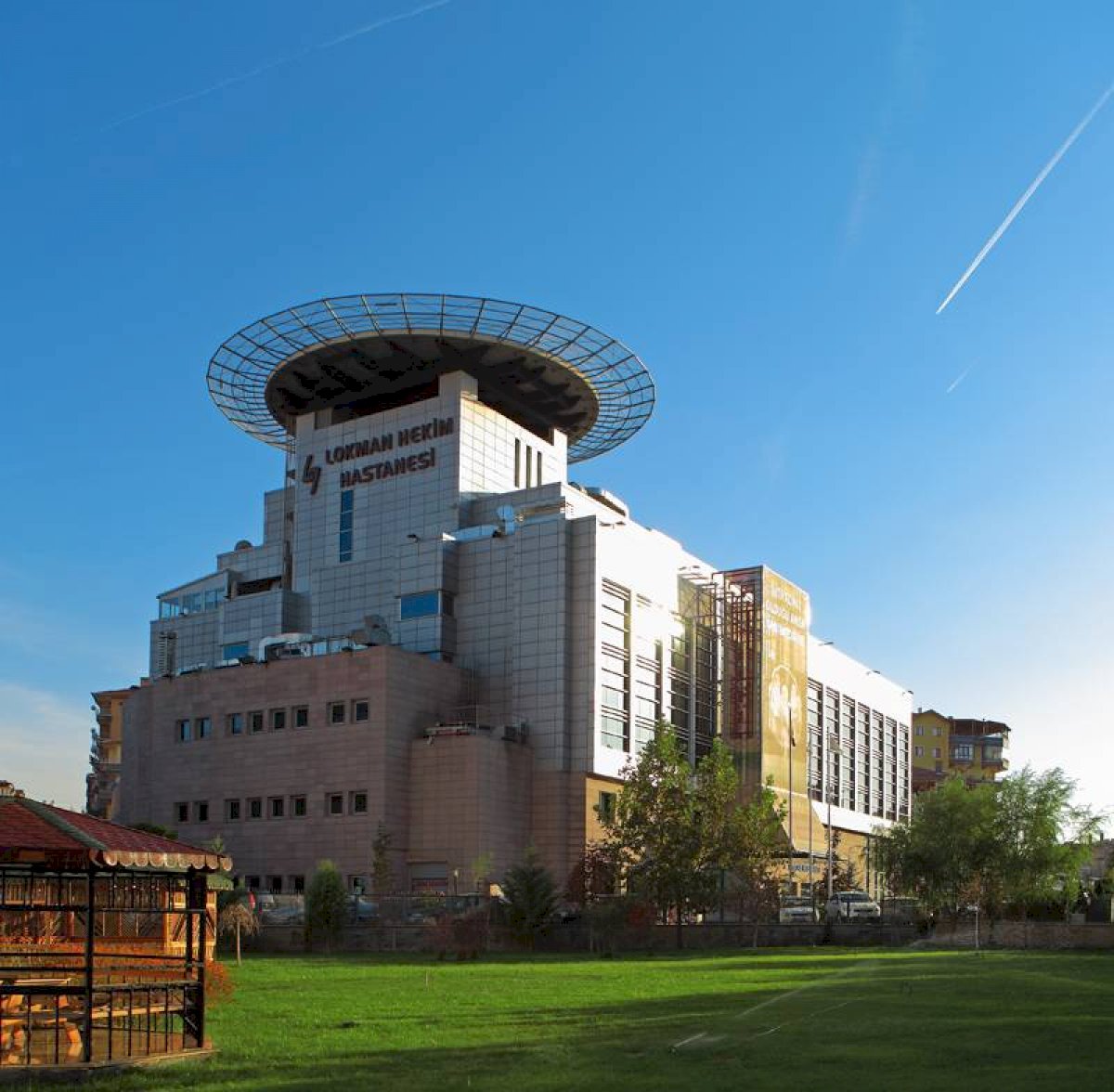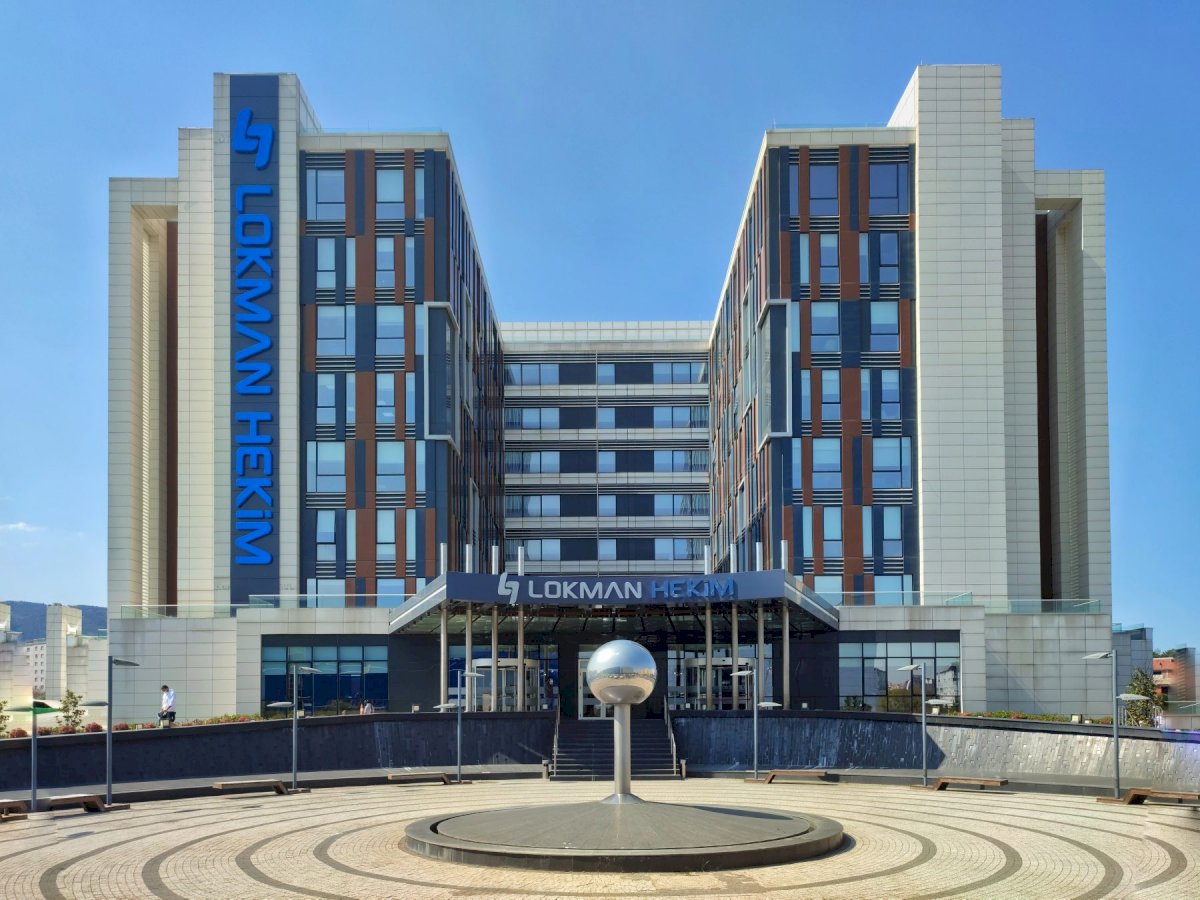
Hospital Lokman Hekim de Estambul (Lokman Hekim Istanbul Hospital)
Turquía, Estambul
Clínica certificada por : 



Revisado médicamente por
Fahad Mawlood
De $1,500. Los precios dependen del nivel de amputación (por debajo o por encima de la rodilla/brazo), la clínica, la experiencia del cirujano y si se requiere cuidado avanzado de heridas o adaptación de prótesis. UU.
Los hospitales turcos suelen incluir en el precio las pruebas preoperatorias, anestesia, el procedimiento quirúrgico, el cuidado de la herida después de la operación, la estancia hospitalaria, los medicamentos y las visitas iniciales de seguimiento. En EE. UU., muchos de estos elementos—como la anestesia, las tarifas hospitalarias y el cuidado postoperatorio—suelen cobrarse por separado. Se debe confirmar siempre exactamente qué está incluido en el precio cotizado en cada clínica.
| España | Turquía | México | |
|---|---|---|---|
| Amputación | ≈ $6,500 | de $1,500 | ≈ $5,500 |
Bookimed no añade cargos adicionales a los precios de Amputación. Las tarifas proceden de las listas de precios oficiales de las clínicas. Pagará directamente en la clínica por su Amputación a su llegada al país.
Bookimed está comprometido con su seguridad. Solo trabajamos con las clínicas que mantienen altos estándares internacionales en Amputación y tienen las licencias necesarias para atender a pacientes internacionales en todo el mundo.
Bookimed ofrece asistencia experta gratuita. Un coordinador médico personal le apoya antes, durante y después del tratamiento, resolviendo cualquier problema. Nunca estará solo en su viaje médico de Amputación.

Día 1 - Llegada:
Día 2 - Preoperatorio:
Día 3 - Amputación:
Día 4-7 - Postoperatorio:
Semana 1-4 - Rehabilitación:
Semana 4-8 - Rehabilitación:
Semana 8 y posteriores - Resultados finales:
Tenga en cuenta que el cronograma y el proceso de recuperación de cada paciente son únicos y pueden variar según una serie de factores, incluido el tipo de amputación, la salud general del individuo y la velocidad de su recuperación.

El Dr. Olcay Guler es especialista en ortopedia y traumatología en el Hospital Memorial Şişli de Estambul. Gestiona afecciones óseas y articulares complejas dentro de un centro acreditado por la JCI. El Dr. Guler ocupó anteriormente cargos académicos en la Universidad Altınbaş y la Universidad Medipol. Trata a pacientes en uno de los centros médicos privados más activos de Turquía.

La Dra. Balcioglu se especializa en cirugía general con enfoque en dolor mamario, hemorroides y fisuras anales. Se formó en la Universidad de Mármara y la Universidad de Estambul.

El Dr. Kinas se especializa en casos quirúrgicos complejos, incluidas amputaciones, con un enfoque en procedimientos relacionados con el cáncer.

El profesor asociado Burak Özkan se especializa en cirugía plástica y reconstructiva en el Hospital Medipol Acibadem, con una amplia formación en Japón, Bélgica y Corea.
 Olena Sikoza
La diabetes mellitus y las enfermedades vasculares son los principales factores de las amputaciones de miembros inferiores en Turquía, representando hasta el 68% de los casos no traumáticos. Los traumatismos graves por accidentes de tráfico, lesiones industriales con maquinaria pesada y desastres naturales como terremotos también requieren la extirpación de emergencia de extremidades para prevenir complicaciones potencialmente mortales.
Perspectiva del experto de Bookimed: Los datos de centros de alto volumen como el Anadolu Medical Center y el Hospital Memorial Şişli sugieren un cambio hacia la cirugía de salvamento de extremidades. Aunque los traumatismos siguen siendo elevados, estas instalaciones acreditadas por la JCI ahora utilizan tecnología robótica y microcirugía para reconstruir extremidades que antes
Los hospitales turcos están ampliamente acreditados para pacientes internacionales, y el país alberga más de 50 instalaciones certificadas por la Joint Commission International (JCI). Esta clasificación sitúa a Turquía en segundo lugar a nivel mundial en centros de salud acreditados por la JCI. Las clínicas también deben poseer un Certificado de Autorización del Ministerio de Salud para tratar legalmente a pacientes extranjeros.
Perspectiva del experto de Bookimed: Las señales de calidad en Turquía a menudo se correlacionan con altos volúmenes de pacientes y certificaciones especializadas más allá de la JCI. Para casos ortopédicos complejos como amputaciones, busque clínicas como el Anadolu Medical Center, que cuenta con las certificaciones ESMO y Planetree Bronze. Estos honores específicos indican un mayor nivel de atención centrada en la perso
Turquía ofrece una gama completa de soluciones protésicas de alta tecnología, incluyendo miembros biónicos controlados por microprocesador, brazos mioeléctricos con sensores EMG y osteointegración. Los centros especializados en Estambul y Ankara utilizan marcas internacionales como Ottobock y Össur, ofreciendo sistemas avanzados de respuesta dinámica de fibra de carbono y prótesis personalizadas impresas en 3D.
Perspectiva del experto de Bookimed: Aunque muchos se centran en soluciones para miembros inferiores, la tecnología para miembros superiores en Turquía está excepcionalmente desarrollada. Centros como el Hospital Lokman Hekim de Estambul utilizan control de 4 canales para brazos mioeléctricos. Este enfoque especializado en neuroprótesis con sensores EMG a menudo resulta en un co
El proceso de rehabilitación para amputaciones en Turquía es una estrategia médica por fases que se centra en la cicatrización de heridas, la integración protésica y la independencia funcional. Comienza con una estancia hospitalaria de 1 a 2 semanas para el manejo del dolor agudo y el moldeado del muñón, seguida de una fisioterapia intensiva que dura de 3 a 12 meses.
Perspectiva del experto de Bookimed: Los datos de centros acreditados por la JCI, como el Anadolu Medical Center y Memorial Şişli, muestran que los resultados exitosos dependen de una intervención temprana. Muchas clínicas turcas introducen la terapia de espejo desde el tercer día para controlar de forma proactiva el dolor del miembro fantasma. Este compromiso neurológico temprano a menudo acorta
La amputación en Turquía requiere normalmente una estancia hospitalaria de 4 a 7 días para el seguimiento y el cuidado especializado de las heridas. La recuperación inicial centrada en la curación quirúrgica suele durar de 4 a 8 semanas antes de que comience la adaptación de la prótesis, mientras que la adaptación completa suele durar de 3 a 12 meses.
Perspectiva del experto de Bookimed: Aunque una amputación básica comienza en $1,500, los casos de trauma a menudo duplican el tiempo de recuperación en comparación con la cirugía electiva. Los centros líderes de Estambul, como Memorial Şişli, mantienen altas tasas de éxito al integrar la rehabilitación temprana directamente en la estancia hospitalaria de 1 semana. Este enfo