Rehabilitación cardiológica en Corea del Sur — obtén 3 clínicas con costos


Revisado médicamente por
Fahad Mawlood
¿Cuál es el precio de Rehabilitación cardiológica en Corea del Sur? Descubra ahora
La rehabilitación cardiológica en la República de Corea suele costar entre $1,800 y $4,000 para pacientes internacionales. El precio final depende de la duración del programa, el estado de hospitalización frente a la atención ambulatoria y el nivel del centro en ciudades como Seúl, Seongnam o Incheon. Los programas generalmente incluyen supervisión médica, monitoreo de ejercicios y asesoramiento sobre el estilo de vida.
- Rehabilitación hospitalaria: Por lo general, comienza alrededor de $8,500 para estancias integrales en hospitales digitales avanzados.
- Programas de ejercicio supervisado: A menudo cuestan entre un 20 y un 25% más en Seúl en comparación con los centros regionales.
- Supervisión médica: Por lo general, representa la mayor parte de la tarifa diaria ambulatoria.
- Terapia asistida por robótica: Añade aproximadamente un 30% al costo base cuando se utiliza equipo especializado.
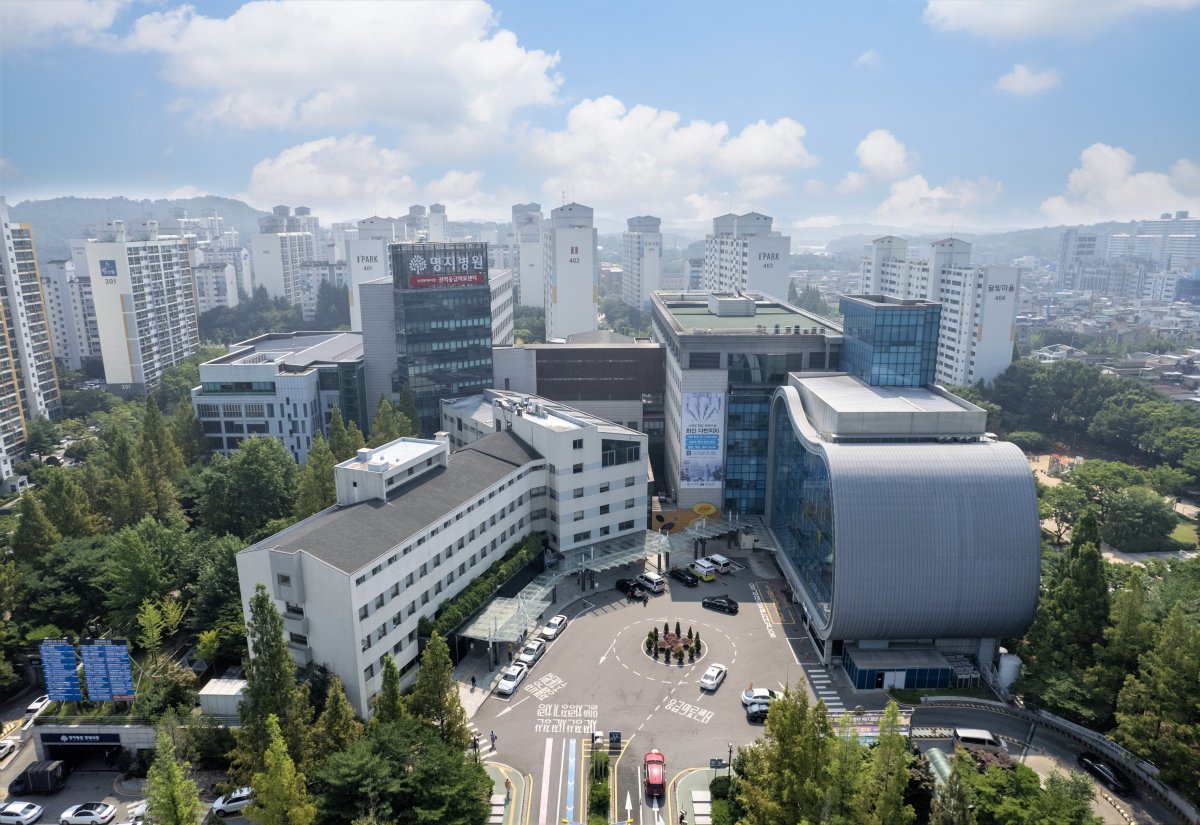
Perspectiva del experto de Bookimed: Elegir una institución de larga trayectoria como el Hospital Severance ofrece un valor excepcional gracias a su acreditación JCI y sus clasificaciones en Newsweek. Si bien las estancias hospitalarias son de primera calidad, la integración de IA y tecnología de edificios inteligentes garantiza vías de recuperación altamente eficientes. Los pacientes pueden acceder a expertos de clase mundial como Sang Hoon Shin, quienes lideran equipos multidisciplinarios en 3,700 camas. Este alto volumen a menudo resulta en estructuras de precios más estandarizadas y predecibles para los visitantes internacionales.
Beneficios clave
¿Por qué eligen los pacientes la República de Corea para la rehabilitación cardiológica?
- Clínicas acreditadas: Hospitales certificados por JCI aseguran atención de alta calidad y cumplimiento con estándares internacionales.
- Últimas tecnologías: El uso de dispositivos como el Sistema CardioMEMS HF y monitores ECG portátiles como el KardiaMobile 6L proporciona un monitoreo preciso y una gestión efectiva de las condiciones cardíacas.
- Altas tasas de éxito: La rehabilitación cardiológica en Corea del Sur muestra una tasa de eficacia del 85%. Esto mejora los resultados de los pacientes, incluyendo la reducción de readmisiones hospitalarias y una mejor calidad de vida.
- Practicantes expertos: Los cardiólogos líderes, muchos con certificaciones de la Sociedad Coreana de Cardiología, han gestionado exitosamente más de 10,000 casos de rehabilitación. Esto demuestra su experiencia y conocimiento.
Acceda a soluciones avanzadas de rehabilitación cardiológica en clínicas de confianza de $1,800.
| Corea del Sur | España | Turquía | |
|---|---|---|---|
| Rehabilitación cardiológica | ≈ $1,800 | ≈ $1,100 | de $210 |
Sus beneficios y garantías con Bookimed
Precios directos
Bookimed no añade cargos adicionales a los precios de Rehabilitación cardiológica. Las tarifas proceden de las listas de precios oficiales de las clínicas. Pagará directamente en la clínica por su Rehabilitación cardiológica a su llegada al país.
Sólo clínicas y médicos verificados
Bookimed está comprometido con su seguridad. Solo trabajamos con las clínicas que mantienen altos estándares internacionales en Rehabilitación cardiológica y tienen las licencias necesarias para atender a pacientes internacionales en todo el mundo.
Asistencia 24/7 gratuita
Bookimed ofrece asistencia experta gratuita. Un coordinador médico personal le apoya antes, durante y después del tratamiento, resolviendo cualquier problema. Nunca estará solo en su viaje médico de Rehabilitación cardiológica.

Su coordinador médico personal de Bookimed
- Le apoya en cada etapa
- Ayuda a elegir la clínica y el médico adecuados
- Asegura un acceso rápido y conveniente a la información
Descubra las mejores clínicas de Rehabilitación cardiológica en Corea del Sur: 3 opciones verificadas y Precios





Descripción general de Rehabilitación cardiológica en Corea del Sur
- Esta terapia mejora las habilidades motoras y la cognición a través de movimientos de la cabeza guiados por computadora.
- Terapia de caricias - de $180Esta terapia es una técnica de estimulación sensorial, que favorece la relajación y la alegría, frecuentemente utilizada para personas con discapacidad.
- Terapia Vojta - de $1,100Esta terapia ayuda a mejorar la motricidad a través de movimientos específicos, adecuados para condiciones neurológicas, ofreciendo una recuperación más rápida y una mejor coordinación.
- Terapia bobath - de $1,800Esta terapia es un enfoque especializado para condiciones neurológicas, refinando la movilidad y la función a través de ejercicios personalizados.
- Terapia bruta - de $2,200Esta terapia ayuda a mejorar las habilidades motoras a través de la repetición de movimientos, el entrenamiento muscular y el juego creativo.
- Rehabilitación de la esclerosis múltiple - de $3,800Esta terapia ayuda a controlar los síntomas y mejorar la función en pacientes con un trastorno crónico del sistema nervioso.
- Rehabilitación cardiológica - de $1,800Esta terapia ayuda a los pacientes cardíacos a recuperar la fuerza, prevenir la progresión de la enfermedad y mejorar el bienestar general.
- La terapia ayuda a restaurar las capacidades físicas y cognitivas después del accidente cerebrovascular, e incluye sesiones de terapia y ejercicio diario personalizado.
Día 1: Llegada
- El paciente llega al aeropuerto.
- Traslado del aeropuerto al hotel.
- Descanso y aclimatación.
Día 2: Preoperatorio
- Traslado del hotel a la clínica.
- Consulta con especialistas en cardiología.
- Realización de pruebas médicas, incluido el examen vascular periférico.
- Procedimientos adicionales si es necesario.
Día 3: Rehabilitación Cardiológica
- Someterse a rehabilitación cardiológica.
- Los detalles del proceso serán explicados por el especialista.
- Se compartirá el tipo de anestesia y otros detalles.
- La rehabilitación suele durar varias horas.
Día 4: Postoperatorio
- Procedimientos postoperatorios en la clínica.
- Período de recuperación bajo supervisión médica.
- Traslado de regreso al hotel.
Semana 1 a Semana 4: Rehabilitación
- Descanso y fisioterapia bajo orientación.
- Consultas de seguimiento con los especialistas.
- Traslado del hotel a la clínica para seguimientos.
Semana 5 en adelante
- La mayoría de los pacientes regresan al trabajo.
- Regreso paulatino a las actividades deportivas.
- Cumplimiento continuo del consejo médico.
Tenga en cuenta que los plazos de recuperación individuales pueden variar según las condiciones de salud personales y los detalles del programa de rehabilitación.
- Depósito de Bookimed: 200 $ o 200 €.
- Depósito de la clínica: Pague un porcentaje fijo por adelantado.
Compartir contenido
Historias en video de pacientes de Bookimed
 Olena Sikoza
Datos сlave sobre Rehabilitación cardiológica

Rehabilitación cardiológica
Consiste en programas estructurados diseñados para mejorar la salud cardiovascular y la función física tras enfermedades relacionadas con el corazón.
Preguntas frecuentes sobre Rehabilitación cardiológica en Corea del Sur
¿Necesito una visa para Corea del Sur?
Hasta la fecha, Corea del Sur tiene acuerdos sin visado con 112 estados . No se requiere visa para estadías de menos de 90 días. Para permanecer más tiempo en este país, necesita una visa. Qué estados necesitan una visa para el tratamiento en Corea del Sur y qué países pueden cruzar las fronteras de forma gratuita y fácil de leer aquí .
¿Cuál es el nivel de la medicina en Corea del Sur?
El cuidado de la salud es un sector de desarrollo clave del gobierno coreano. Las autoridades coreanas están convencidas de que el cuidado de la salud de los ciudadanos debe ser una prioridad incondicional de la política estatal, y anualmente gastan alrededor de mil millones de dólares para atraer turistas médicos.
Según Mark Britnell , los hospitales dominan el sistema de salud. El 94% de los hospitales son de propiedad privada.
¿Cuáles son las cirugías plásticas más populares?
Según las estadísticas de la ASPS , en 2018 se realizaron 17,7 millones de cirugías estéticas y 5,8 millones de procedimientos reconstructivos. Los procedimientos cosméticos más populares incluyen:
- aumento de senos
- liposucción
- rinoplastia (cirugía de nariz)
- cirugía de párpado
- Abdominoplastia.
La extirpación de tumores, la cicatrización de desgarros, la cirugía maxilofacial, la revisión de cicatrices, la cirugía de la mano son las operaciones más comunes en el contexto de la cirugía reconstructiva.
¿Qué documentos se requieren para solicitar una visa a Corea del Sur para recibir tratamiento?
Las visas para viajar a Corea del Sur requieren una serie de documentos . La documentación necesaria se puede presentar 90 días antes de la salida prevista. La lista de documentos incluye:
- tarjeta de identificación
- confirmación del registro en línea y llenado del cuestionario
- certificado de ingresos y disponibilidad de fondos
- póliza de seguro de estancia en Corea del Sur (original y copia)
- 2 fotos (5x6)
- obtener una visa
- reserva de vuelos y hoteles
- opinión del médico sobre la necesidad de tratamiento.
¿Qué necesitas saber sobre Corea del Sur antes de viajar?
Moneda | Won surcoreano (el pago de los servicios también es posible en dólares) |
Mejor época para viajar | Abril, mayo y junio o septiembre, octubre y noviembre. |
Idioma | Coreano (la mayoría del personal médico habla inglés con fluidez) |
Visa | no requerido para estadías de hasta 90 días o menos |
Diferencia horaria con Europa | 9:00 |
Diferencia horaria de Estados Unidos | 9:00 |
Capital | Seúl |
Centro de Turismo Médico | seúl |
Estaciones populares | Gangwon-do, Gyeongju, Boseong, Jeju |
¿Qué servicios hoteleros se brindan aquí?
En Corea del Sur , hay hoteles de diferentes rangos de precios y niveles de servicio. La mayoría de los turistas eligen hoteles de 4 y 5 estrellas con régimen de todo incluido. Dichos hoteles tienen todo para una estancia confortable: comida variada, amplio territorio bien cuidado, animación para niños y adultos. Algunos hoteles tienen su propio parque acuático, que los huéspedes pueden utilizar de forma gratuita. Los viajeros con poco presupuesto pueden permitirse reservar un hotel económico de 3 estrellas con media pensión o sin comidas.