Cirugía de cataratas (ambos ojos) en Corea del Sur — reciba 3 opciones de clínicas personalizadas


Revisado médicamente por
Fahad Mawlood
Cómo funciona
¿Cuál es el precio de Cirugía de cataratas (ambos ojos) en Corea del Sur? Descubra ahora
De $3,900. El precio final depende del tipo de lente intraocular elegido, la técnica quirúrgica y la ubicación de la clínica. En los EE. Los paquetes estándar suelen incluir mapeo ocular 3D preoperatorio, la lente intraocular, los honorarios quirúrgicos y los medicamentos postoperatorios.
- Lentes multifocales: Por lo general, añaden una prima del 50-100% sobre el precio de las lentes monofocales estándar.
- Cirugía asistida por láser: A menudo cuesta entre un 30 y un 40% más que las técnicas tradicionales de facoemulsificación manual.
- Lentes tóricas: Suelen aumentar el coste total entre un 25 y un 50% para los pacientes que requieren corrección de astigmatismo.
- Nivel de las instalaciones: Las clínicas privadas en Seúl o Busan a menudo ofrecen tarifas más bajas que los hospitales universitarios.
Perspectiva del experto de Bookimed: Elegir clínicas oftalmológicas especializadas a menudo ofrece un mejor valor que los grandes hospitales multidisciplinarios. Por ejemplo, cirujanos como Chong Gi Von han realizado más de 500.000 procedimientos. Los centros de alto volumen a menudo utilizan tecnología avanzada ZEISS mientras mantienen precios competitivos para pacientes internacionales. El Hospital Severance, una instalación acreditada por la JCI fundada en 1885, ofrece una alternativa de primer nivel para casos complejos. Muchas clínicas coreanas también ofrecen devoluciones de IVA para pacientes extranjeros, lo que aumenta aún más el ahorro total.
Beneficios clave
¿Por qué eligen los pacientes la República de Corea para la cirugía de cataratas (ambos ojos)?
- Clínicas acreditadas: Hospitales certificados por JCI que garantizan altos estándares de calidad y seguridad en la atención médica.
- Últimas tecnologías: El uso de métodos como la Cirugía de Cataratas Asistida por Láser de Femtosegundo (FLACS) y lentes intraoculares premium como el AcrySof IQ Vivity de Alcon mejora la precisión y los resultados visuales.
- Altas tasas de éxito: La cirugía de cataratas en Corea del Sur tiene una notable tasa de eficacia del 98%. Esto asegura una excelente restauración de la visión para la mayoría de los pacientes.
- Cirujanos expertos: Los principales oftalmólogos, muchos con certificaciones internacionales, han realizado miles de cirugías de cataratas. Su experiencia y pericia son cruciales para manejar casos complejos.
Acceda a soluciones avanzadas de cirugía de cataratas (ambos ojos) en clínicas de confianza de $3,900.
| Corea del Sur | España | Turquía | |
|---|---|---|---|
| Cirugía de cataratas (ambos ojos) | de $3,900 | de $10,100 | de $2,300 |
Descubra las mejores clínicas de Cirugía de cataratas (ambos ojos) en Corea del Sur: 7 opciones verificadas y Precios






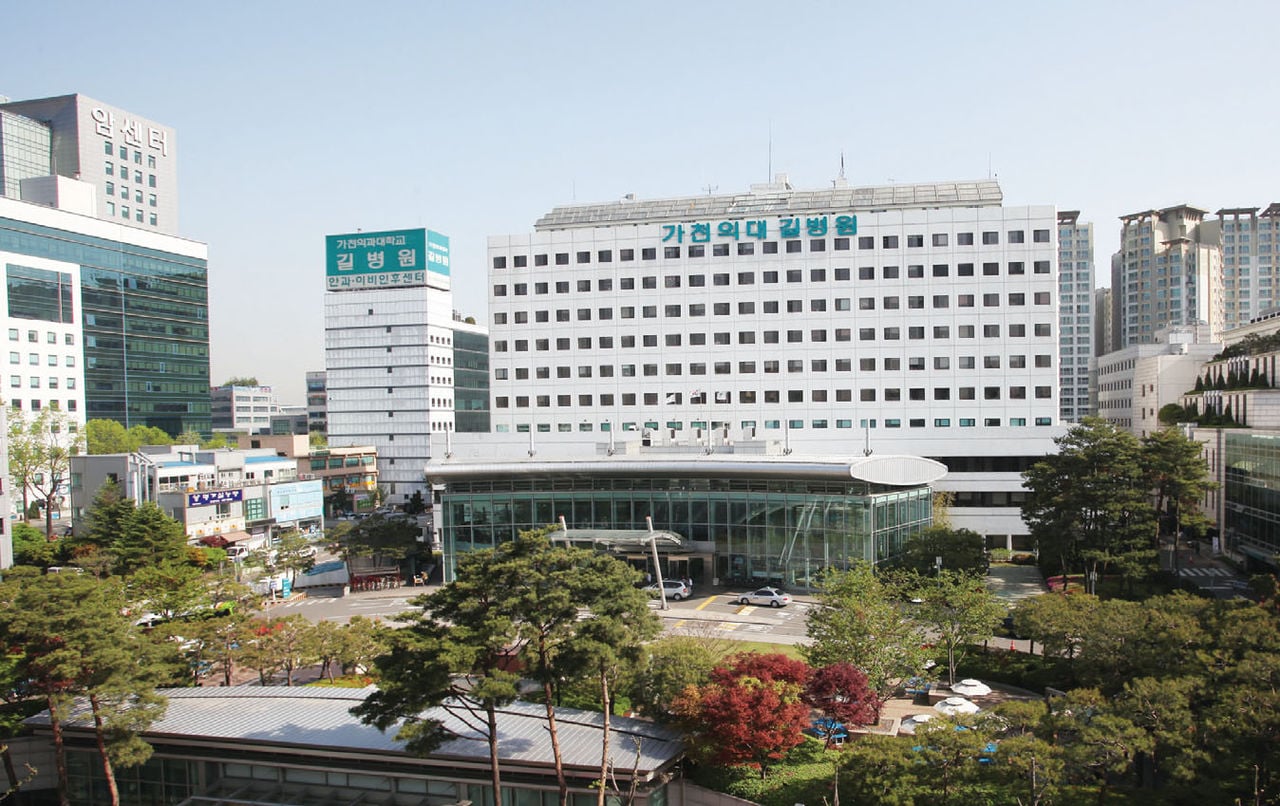



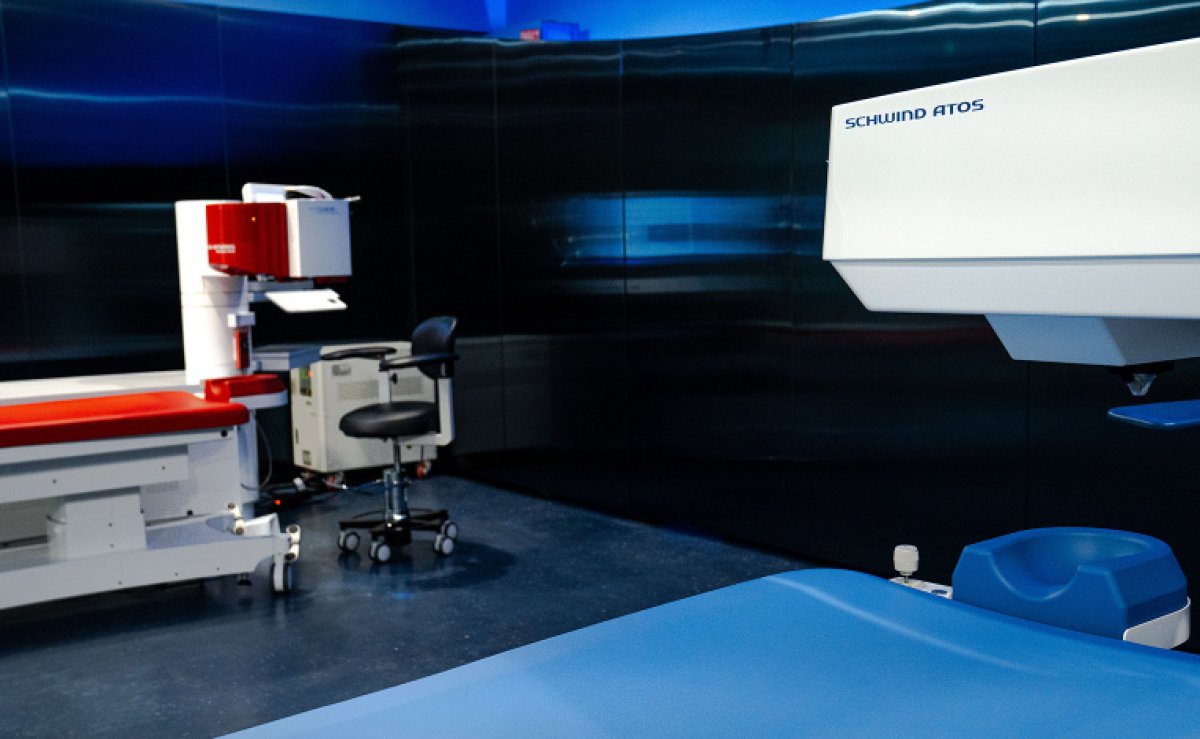
Smile Eye Clinic Korea
Descripción general de Cirugía de cataratas (ambos ojos) en Corea del Sur
- Cirugía de cataratas (un ojo) - de $1,100El procedimiento elimina un cristalino opaco en un ojo, reemplazándolo con uno artificial para restaurar la visión.
- Cirugía de cataratas (ambos ojos) - de $3,900Esta operación de doble ojo elimina los lentes nublados, reemplazándolos con lentes artificiales, mejorando la claridad y la calidad de la visión.
- La operación reemplaza el cristalino nublado con implantes multifocales, mejorando la claridad de la visión y el enfoque en múltiples distancias.
Día 1
- Llegada al país y registro en el alojamiento.
- Se proporciona traslado del aeropuerto al hotel.
- Consulta con un oftalmólogo para discutir la cirugía.
- Se proporciona ayuda con el idioma si es necesario.
Dia 2
- Exámenes médicos previos a la operación, incluido el examen de la vista.
- Reunión con un anestesiólogo para discutir las opciones de anestesia.
Día 3
- Primera operación de cataratas oculares con anestesia local.
- La cirugía dura aproximadamente 2 horas.
- Descanso y recuperación en la clínica post-cirugía.
Día 4
- Día de descanso y recuperación con controles periódicos por parte de enfermeras.
Dia 5
- Cirugía de cataratas del segundo ojo realizada.
- Descanso y recuperación en la clínica post-cirugía.
Día 6
- Día de descanso y recuperación con controles periódicos por parte de enfermeras.
Día 7
- Consulta final con oftalmólogo y alta de la clínica.
- Se proporciona traslado de la clínica al aeropuerto.
Semana 1-2 Post-operación
- Se permiten actividades livianas como leer y mirar televisión.
Semana 3-4 Post-operación
- Regreso al trabajo y actividades normales con precaución.
Semana 5-6 Post-operación
- Se puede ver el resultado final de la operación de cataratas.
Tenga en cuenta que la recuperación de cada paciente puede ser individual y puede variar.
- Depósito de Bookimed: 200 $ o 200 €.
- Depósito de la clínica: Pague un porcentaje fijo por adelantado.
Obtenga una evaluación médica de Cirugía de cataratas (ambos ojos) en Corea del Sur: haga una consulta con 13 médicos experimentados ahora
Ver todos los médicos
Sungwon Cho
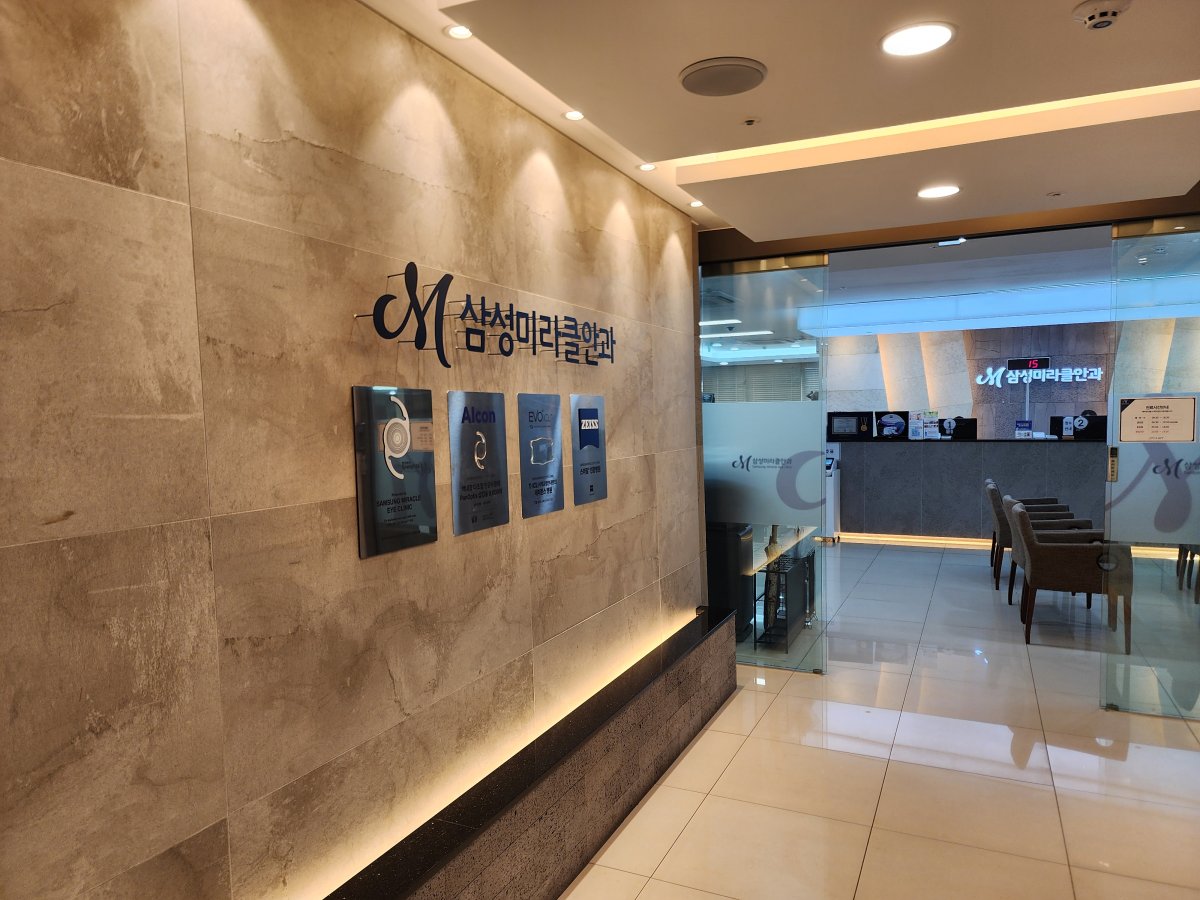
Cirujano certificado ZEISS SMILE Excellent – El Dr. Cho se especializa en corrección visual avanzada en la clínica Samsung Miracle Eye.
- Director de Oftalmología en Samsung Miracle Eye Clinic
- Miembro de sociedades estadounidenses y europeas de cirugía refractiva
- Formado en el Hospital Anam de la Universidad de Corea
- Dominio del inglés para pacientes internacionales

Seung-hun Lee
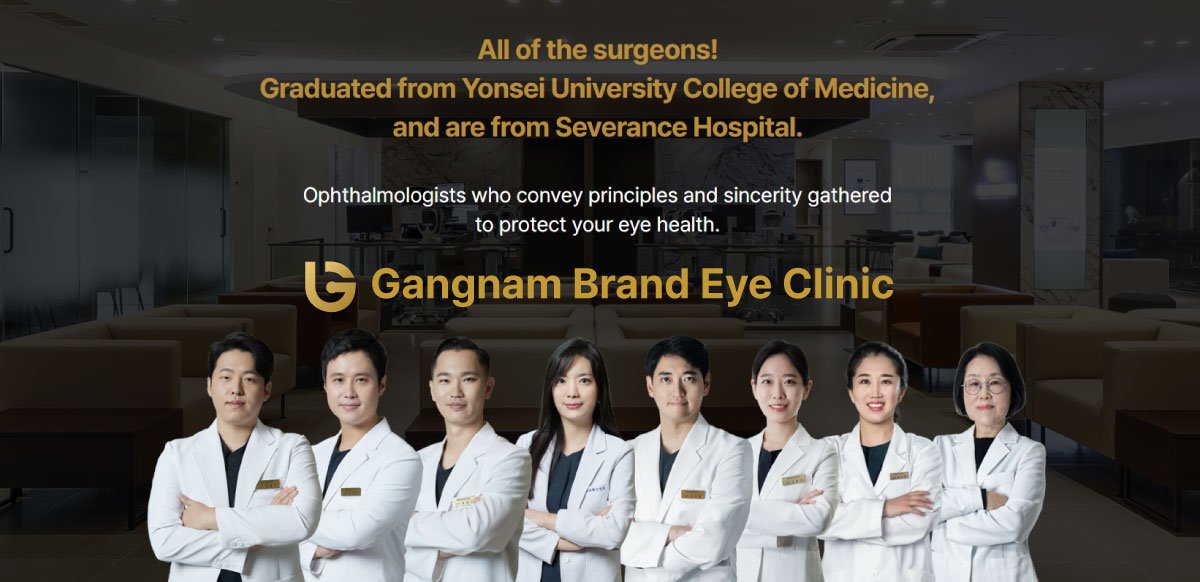
El Dr. Seung-hun Lee es oftalmólogo. Se formó en el Hospital Severance de la Universidad Yonsei y se graduó en la Facultad de Medicina de la Universidad Yonsei. Es Director Representante de Gangnam Brand Eye Clinic.
Sus cargos anteriores incluyen Director Representante en Gangnam ID Eye Clinic, Director en I Love Eye Center y Jefe de Oftalmología en National Sorokdo Hospital. También se ha desempeñado como cirujano de cataratas con Vision Care (Vision Eye Camp) en voluntariado en el ex

Chong Gi Von
Más de 500,000 procedimientos exitosos de corrección visual – El Dr. Chong Gi Von se especializa en cirugía de cataratas y cirugía refractiva en el Hospital Oftalmológico BGN.
- Cirujano certificado en técnicas SMILE, LASIK/LASEK e implantación de ICL
- Director Jefe y Cirujano Principal en el Hospital Oftalmológico BGN
- Miembro activo de múltiples sociedades oftalmológicas internacionales
- Ponente habitual en conferencias mundiales de oftalmología

Yoonjung Jo
Oftalmólogo certificado especializado en procedimientos personalizados de corrección de astigmatismo y visión en la clínica Samsung Miracle Eye.
- Cirujano certificado ZEISS SMILE Excellent
- Miembro activo de las principales sociedades de oftalmología, incluidas AAO y ASCRS
- Ex director de la clínica oftalmológica Cheonan Kim
- Profesor visitante en el Centro Médico de la Universidad de Hallym
- Especializado en SMILE LASIK y cirugía refractiva
Historias en video de pacientes de Bookimed
Reseñas
Todas las reseñas

Compartir contenido
 Olena Sikoza
Datos сlave sobre Cirugía de cataratas (ambos ojos)
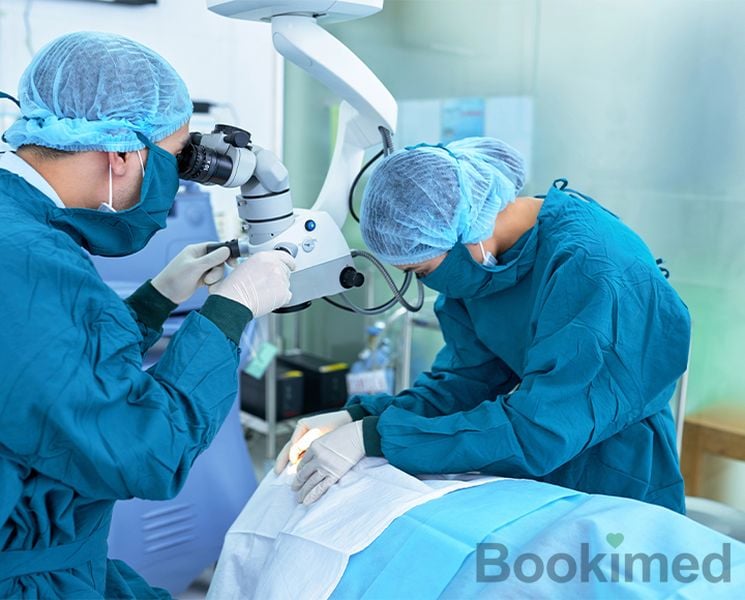
Cirugía de cataratas (ambos ojos)
Este procedimiento oftalmológico consiste en sustituir los cristalinos opacos de ambos ojos por lentes intraoculares transparentes para recuperar la visión.
Preguntas frecuentes sobre Cirugía de cataratas (ambos ojos) en Corea del Sur
¿Se pueden operar ambos ojos el mismo día?
Sí, ambos ojos pueden operarse el mismo día en la República de Corea mediante la Cirugía de Cataratas Bilateral Secuencial Inmediata (ISBCS). Los centros de gran volumen de Seúl realizan estos procedimientos de forma rutinaria, tratando cada ojo como un evento estéril independiente con instrumentos diferentes para garantizar la máxima seguridad del paciente.
- Tiempo de procedimiento: Los cirujanos suelen completar los casos bilaterales en un total de 30 a 45 minutos.
- Enfoque quirúrgico: Cada ojo recibe herramientas estériles dedicadas y lotes de medicación separados.
- Velocidad de recuperación: La visión suele estabilizarse en un plazo de 24 a 48 horas para ambos ojos simultáneamente.
- Regreso al trabajo: La mayoría de los pacientes vuelven al trabajo de oficina al día siguiente de la cirugía.
Opinión de expertos de Bookimed: Los datos clínicos de centros de gran volumen como la Samsung Miracle Eye Clinic muestran que la cirugía bilateral acelera significativamente la neuroadaptación. Cuando ambos ojos reciben lentes premium idénticas, como Clinico LISA Tri o Alcon PanOptix, el cerebro se ajusta a los nuevos puntos focales mucho más rápido que con procedimientos escalonados.
Consenso de los pacientes: Los pacientes valoran el equilibrio visual inmediato y señalan que pasar por un periodo de recuperación en lugar de
¿Cuánto tiempo deben permanecer los turistas médicos en Corea?
Los turistas médicos que viajan para una cirugía de cataratas en la República de Corea deben planificar una estancia de 7 a 10 días. Este plazo permite realizar la biometría preoperatoria, dos días de cirugía separados para ambos ojos y los controles de seguimiento esenciales para garantizar una presión ocular estable antes de volar a casa.
- Cronograma clínico: Reserve de 1 a 2 días para la evaluación inicial y las mediciones avanzadas de las lentes.
- Intervalo quirúrgico: Las clínicas suelen operar cada ojo con un intervalo de 24 a 48 horas.
- Estancia hospitalaria: Espere el alta el mismo día después del procedimiento ambulatorio de 15 a 30 minutos.
- Período de recuperación: Planifique de 3 a 5 días después de la operación para los exámenes de seguimiento obligatorios antes de la salida.
Perspectiva del experto de Bookimed: Aunque muchos creen que la corrección de la visión es un viaje de una noche, las mejores clínicas de Corea, como la Samsung Miracle Eye Clinic, priorizan la seguridad con un enfoque escalonado de 2 días. Este intervalo de 24 horas entre ojos es un protocolo de seguridad crítico utilizado por cirujanos que han realizado más de 20,000 procedimientos. Permite a los médicos confirmar que la presión del primer ojo es estable antes de continuar, lo que reduce significativamente los riesgos en comparación con la cirugía bilate
¿Cuál es el cronograma de recuperación?
La cirugía de cataratas en Corea del Sur ofrece una recuperación rápida, y la mayoría de los pacientes logran una mejora visual significativa en 24 horas. Aunque la cirugía bilateral secuencial generalmente ocurre con un intervalo de 2 a 4 días, las actividades diarias ligeras pueden reanudarse después de 48 horas, alcanzándose la estabilización óptica completa y la refracción final entre 1 y 3 meses.
- Curación inicial: La mayoría de los pacientes regresan al trabajo ligero o a conducir en 1 a 2 días.
- Programación bilateral: Los cirujanos suelen espaciar los procedimientos de 2 a 4 días para mayor seguridad y seguimiento.
- Hitos visuales: La claridad de alta definición a menudo se estabiliza en la segunda semana, especialmente con implantes de lentes intraoculares multifocales.
- Adaptación a largo plazo: La adaptación completa de cerca a lejos para lentes trifocales puede requerir 3 meses de paciencia.
Perspectiva del experto de Bookimed: Mientras que muchos protocolos occidentales sugieren esperar semanas entre ojos, las mejores clínicas de Seúl, como Samsung Miracle Eye Clinic o Gangnam Grand Eye Clinic, a menudo realizan cirugías bilaterales secuenciales dentro de las 48 a 96 horas. Este cronograma acelerado está respaldado por cirujanos de alto volumen como Lee Young Seob, quien ha realizado más de 15,000 cirugías de cataratas, garanti
¿Qué clínicas tienen más experiencia con pacientes internacionales?
El Severance Hospital y el Seoul National University Bundang Hospital (SNUBH) son las instituciones con mayor experiencia de Corea para pacientes internacionales, contando con centros internacionales dedicados y la acreditación de la Joint Commission International (JCI). Estos centros académicos gestionan millones de pacientes anualmente, proporcionando coordinación especializada de visas, soporte multilingüe y sistemas digitales avanzados de seguridad del paciente.
- Severance Hospital: Esta instalación acreditada por la JCI atiende a 4.000.000 de pacientes al año con soporte dedicado para visas internacionales.
- Experiencia del SNUBH: Como poseedores de la Acreditación Global de Salud, tratan a 1.500.000 pacientes con herramientas avanzadas de IA.
- Clínicas oftalmológicas especializadas: La Samsung Miracle Eye Clinic trata a 6.000 pacientes anualmente con cirujanos certificados por ZEISS en Seúl.
- Logística del paciente: Centros líderes como el Gachon University Gil Hospital ofrecen proximidad al Aeropuerto Internacional de Incheon.
Perspectiva del experto de Bookimed: Si bien los hospitales universitarios ofrecen una escala masiva, las clínicas especializadas más pequeñas en el distrito de Gangnam a menudo brindan un flujo más rápido. Por ejemplo, los cirujanos de la Gangnam Grand Eye Clinic han realizado más de 30.000 procedimientos cada
¿Qué tan pronto puedo volar después de una cirugía?
La mayoría de los pacientes pueden volar de forma segura entre 24 y 48 horas después de una cirugía de cataratas sin complicaciones en Corea del Sur. La visión suele estabilizarse dentro de este plazo. Sin embargo, los cirujanos a menudo recomiendan esperar de 3 a 7 días para vuelos internacionales de larga distancia para garantizar un seguimiento adecuado y controlar los síntomas de ojo seco.
- Tiempo de recuperación: La visión se estabiliza en 24-48 horas para la mayoría de los pacientes.
- Estancia hospitalaria: No se requiere, ya que el procedimiento es ambulatorio.
- Seguridad al volar: Los cambios en la presión del aire rara vez afectan los ojos después de una cirugía de cataratas estándar.
- Cuidado durante el vuelo: Use gotas sin conservantes para combatir el aire seco de la cabina.
Perspectiva del experto de Bookimed: Aunque técnicamente es seguro volar casi de inmediato, el nivel de experiencia de los cirujanos coreanos proporciona un margen de seguridad adicional. Por ejemplo, el Dr. Lee Jeong-ju de la Bright Eye Clinic ha realizado más de 20,000 procedimientos. Los pacientes a menudo eligen clínicas como la Samsung Miracle Eye Clinic porque ofrecen una planificación quirúrgica personalizada 1:1, lo que ayuda a identificar cualquier riesgo de curación específico antes de abordar su vuelo.
Consenso de los pacientes: