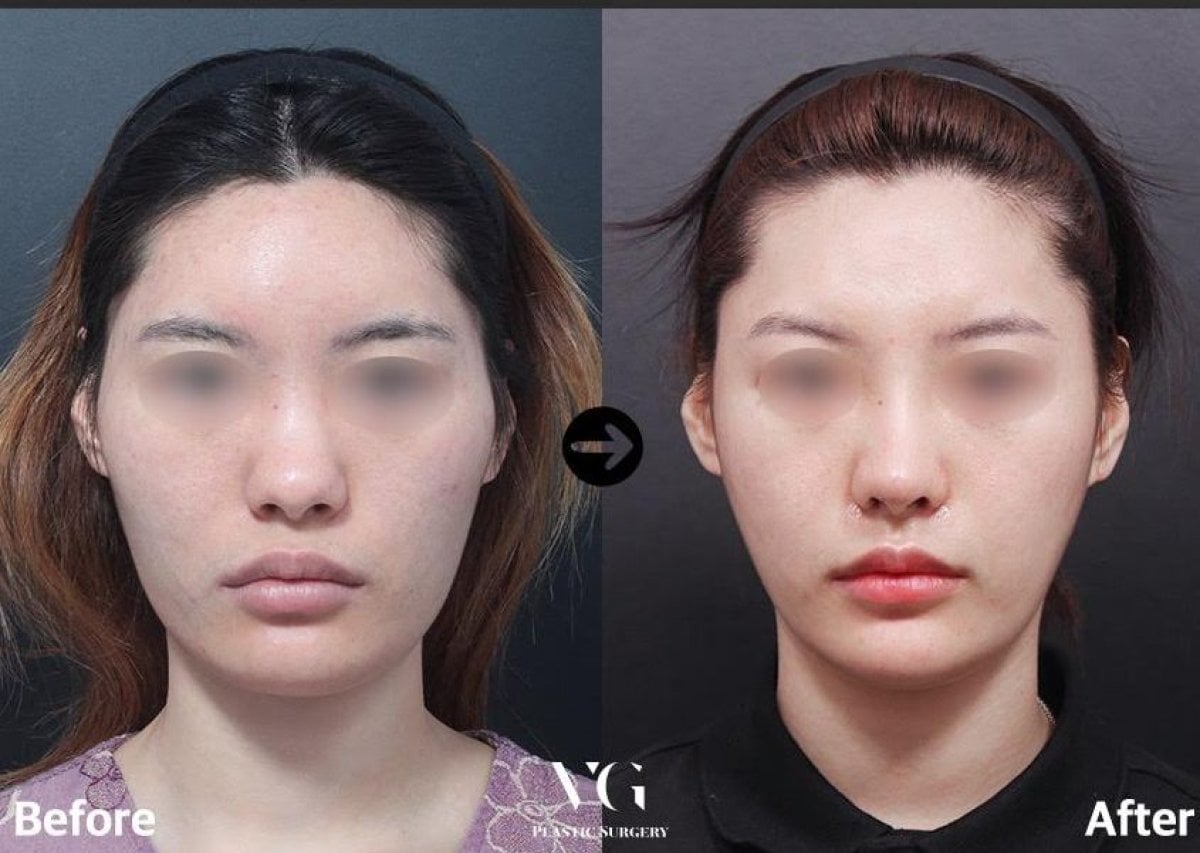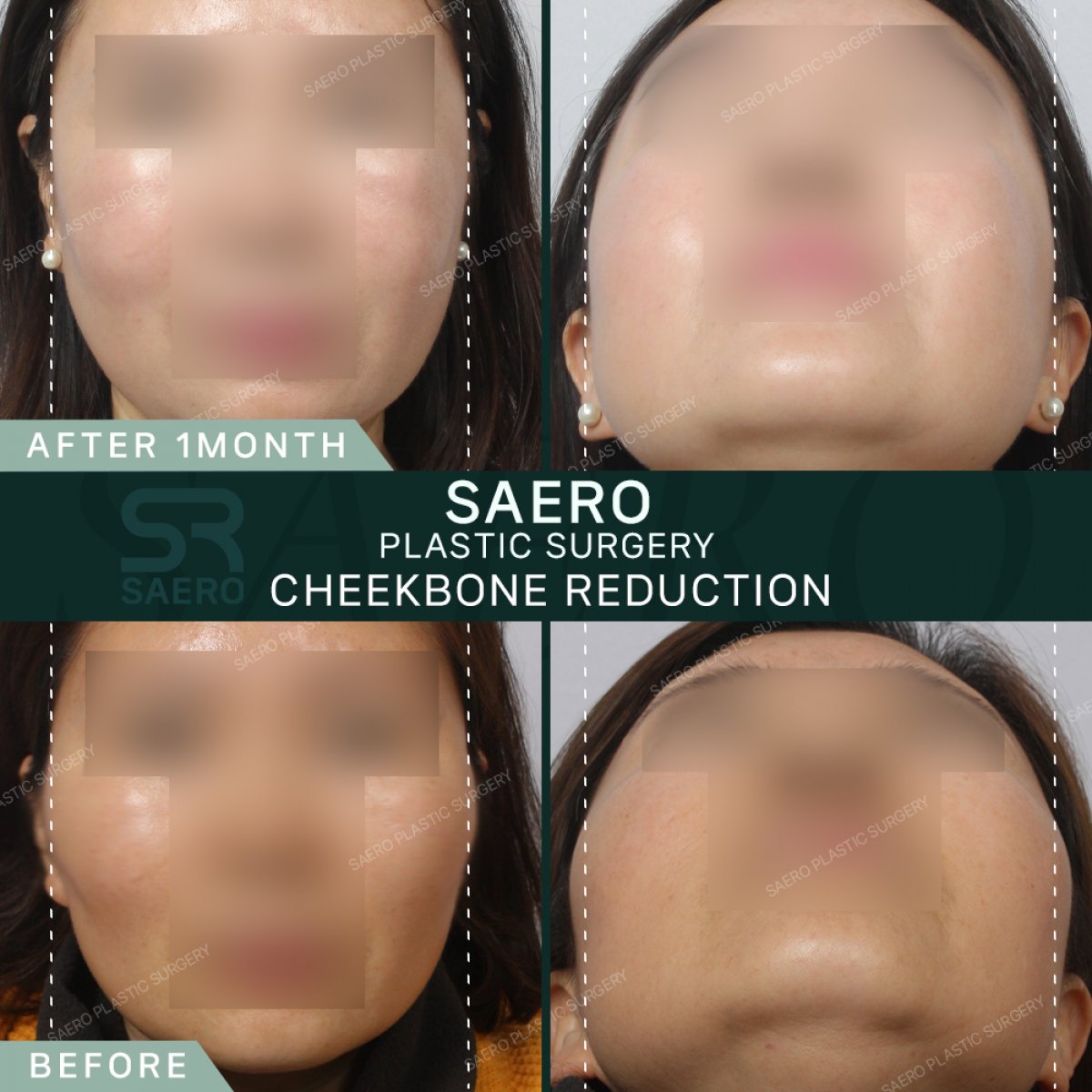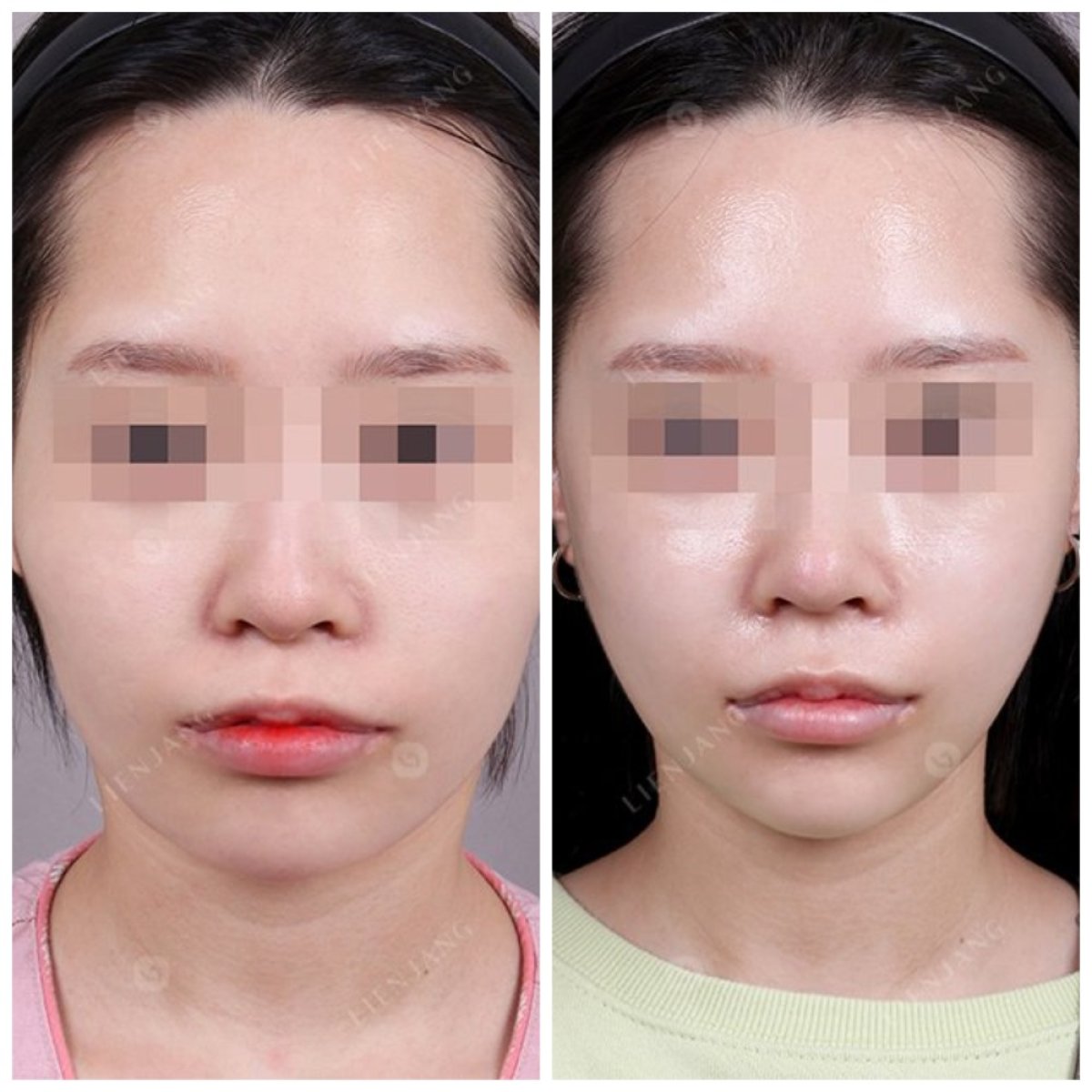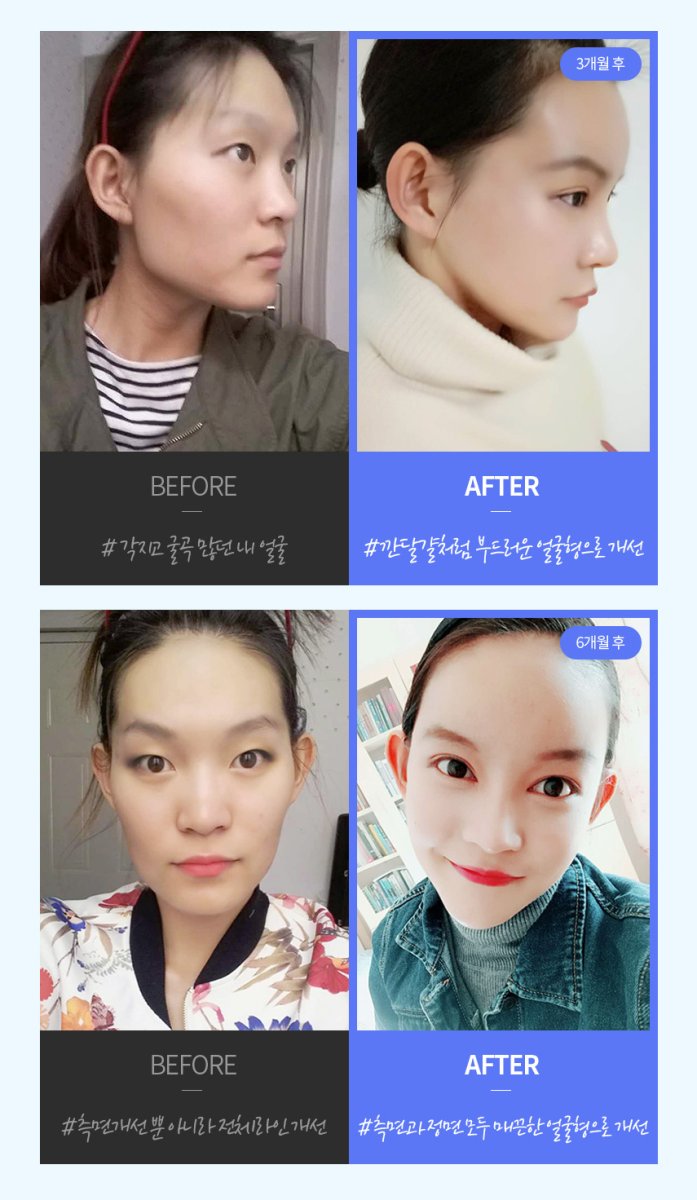
El costo de la reducción de pómulos en Corea del Sur suele oscilar entre $4,000 y $9,200. Los precios varían según la reputación de la clínica, la experiencia del cirujano en el contorno facial y la complejidad de la remodelación ósea. En Estados Unidos, el costo promedio es de $16,000 (según ASPS). La reducción de pómulos en Corea del Sur cuesta aproximadamente un 59% menos que en EE. UU.
Las clínicas coreanas suelen incluir la consulta inicial, análisis de sangre preoperatorios, medicación postoperatoria, visitas de seguimiento y atención al paciente las 24 horas. También es común contar con personal que habla inglés y comidas durante las visitas a la clínica. En EE. UU., el precio suele cubrir solo la cirugía y los honorarios del cirujano, con cargos adicionales por anestesia, pruebas y seguimientos. Siempre confirmar exactamente qué está incluido en cada clínica.
| Corea del Sur | España | Estados Unidos | |
| Reducción de pómulos | de $4,000 | de $5,000 | de $12,000 |
Bookimed, una plataforma líder mundial en turismo médico, se compromete a ayudar a los clientes que buscan una reducción de pómulos en la República de Corea ofreciéndoles asistencia experta y soluciones médicas confiables para cada situación. Se utiliza un sistema de clasificación automático inteligente para elaborar listas de clínicas transparentes, mantenidas meticulosamente por un científico de datos que utiliza IA para mayor precisión. La plataforma garantiza la autenticidad al publicar reseñas de pacientes reales después de sus tratamientos. Bookimed ofrece soluciones médicas integrales, con actualizaciones de las clínicas para garantizar la confiabilidad. El contenido sobre la reducción de pómulos en la República de Corea, elaborado por autores médicos experimentados y revisado por especialistas, cumple con las pautas editoriales de Bookimed , lo que refleja el compromiso de la plataforma de brindar información de salud clara y de alta calidad. Para obtener más detalles o consultas, no dude en contactarnos en marketing@bookimed.com o obtenga más información sobre nosotros y nuestra misión aquí .
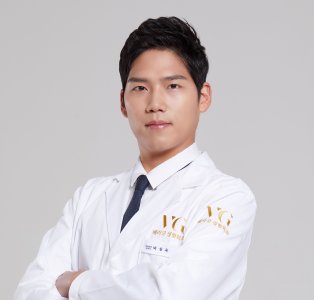
El Dr. Im Young Min es un cirujano plástico certificado (titulado) especializado en procedimientos de contorno facial, incluida la reducción de pómulos, en VG Plastic Surgery en Seúl.
Cirujano plástico certificado por la junta (board-certified) y director actual de VG Plastic Surgery, especializado en procedimientos faciales.
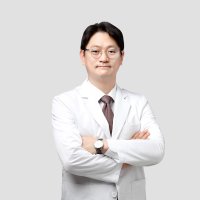
El Dr. Seung‑Hyung Noh es cirujano plástico y reconstructivo certificado. Tiene amplia experiencia en cirugía de revisión de procedimientos estéticos mayores. Se le reconoce por manejar casos complejos de revisión que requieren buen juicio y técnica precisa.
Obtuvo su título de médico en la Facultad de Medicina de la Universidad Hanyang. Completó su formación en cirugía plástica y reconstructiva en el Hospital Universitario Hanyang. También completó un programa de formación clínica en la Universidad de Columbia, en Nueva York.
Su enfoque prioriza la seguridad, el equilibrio y los resultados naturales. Evita el sobretratamiento y emplea la mínima intervención necesaria. Es miembro de pleno derecho de las principales sociedades coreanas de cirugía plástica, incluida la KSPRS.
Especialista en contorno ortognático: el Dr. Park se enfoca exclusivamente en la remodelación de la mandíbula y los pómulos en Wonjin Plastic Surgery Clinic.
Cheekbone reduction involves altering facial bone structure, carrying risks like mid-face sagging, facial asymmetry, and nerve damage causing temporary numbness. In South Korea, specialists use 3D CT-guided planning and intraoral incisions to minimize visible scarring while ensuring precise bone fixation with biocompatible plates.
Bookimed Expert Insight: Data from top Seoul clinics like VG Plastic Surgery and JK Plastic Surgery show that 3D CT pre-operative simulations are the most effective way to prevent asymmetry. Surgeons who perform over 1,000 cases annually often combine malar reduction with lateral canthoplasty. This specific combination prevents the `flat` look by maintaining natural facial dimensions while reducing width.
Patient Consensus: Many patients emphasize the necessity of a soft-food diet and specialized mouthwash for 14 days to prevent infections around internal hardware. Most survivors of the procedure suggest budgeting for a 2-week stay in Seoul because swelling peaks significantly during the first 7 days.
Cheekbone reduction results are permanent because the procedure physically reshapes or removes zygomatic bone. Once surgeons shave or reposition the bone structure, it does not grow back. South Korean clinics utilize advanced 3D CT imaging to ensure precise, lifelong structural facial contouring.
Bookimed Expert Insight: Data from major Seoul centers like JK Plastic Surgery shows that long-term satisfaction depends on conservative reduction. Leading Korean surgeons often prioritize repositioning over aggressive shaving. This technique preserves more natural bone structure, which helps support soft tissues and prevents premature sagging as patients age.
Patient Consensus: Patients report stable, slimmer facial profiles even ten years after surgery. Some suggest discussing soft tissue management early, as the permanent bone change can make mid-face aging more noticeable later.
Recovery after cheekbone reduction in South Korea usually involves 1 to 2 weeks for major swelling to subside, allowing a return to desk work. Patients typically achieve 80% to 90% of their final facial contour within 3 months, with complete bone settling and nerve regeneration finishing by 6 months.
Bookimed Expert Insight: Korean centers like JK Plastic Surgery Center and Wonjin Plastic Surgery Clinic lead in 3D-CT bone analysis, which significantly reduces recovery time. By mapping nerve paths before the first incision, surgeons minimize the elephant trunk numbness that often persists for months in less advanced facilities. This precision allows some patients to feel comfortable in public by day 10 when using a face mask.
Patient Consensus: Many patients are surprised by persistent tightness and tingling that lasts up to 4 months. Following the no-supine sleeping rule is essential, as elevated resting can reduce morning facial puffiness by nearly 30% during the first 2 weeks.
Cheek sagging, or soft-tissue ptosis, is a known risk following cheekbone reduction when the underlying bone support decreases. Most Korean surgeons mitigate this by using internal suspension techniques, though approximately 5-10% of patients may experience noticeable drooping depending on skin elasticity and surgical precision.
Bookimed Expert Insight: Data from top Seoul clinics like JK Plastic Surgery shows that sagging is often a result of `aggressive` reduction without tissue repositioning. High-volume centers performing over 1,000 surgeries annually typically bundle zygoma reduction with SMAS tightening. Choosing a package in the $4,000 to $9,200 range usually ensures these essential soft-tissue management steps are included, whereas ultra-low-cost options may skip them.
Patient Consensus: Patients emphasize that while the initial V-line look is rewarding, those with thicker skin must prioritize surgeons who provide 2-year follow-up photos. Many recommend planning for possible maintenance fillers after age 40 to address any late-stage hollow cheek effects.
Surgical techniques in Korea for cheekbone reduction focus on osteotomy methods like High-L and Low-L cuts to reposition bone rather than simple shaving. Surgeons utilize 3D rotation and zygoma gear reduction to narrow facial width while securing structures with 3D-printed titanium plates.
Bookimed Expert Insight: While many clinics offer quick shaving methods, the most successful long-term results in Seoul come from 3D rotation techniques. Clinics like VG Plastic Surgery use 3D-CT planning to ensure the bone is rotated, not just cut. This approach maintains facial volume and prevents the flat look often caused by older reduction styles.
Patient Consensus: Patients emphasize that a 2-week swelling peak is common before symmetry begins to emerge at 3 months. Many recommend combining the procedure with fat grafting to maintain a youthful, contoured appearance rather than a completely flat midface.
After cheekbone reduction surgery, patients must follow a strict liquid and no-chew diet for approximately 14 days to protect internal incisions. Most surgeons in Seoul progress patients from clear liquids to soft purees like congee or silken tofu, avoiding all hard, crunchy, or chewy foods for 6 to 8 weeks.
Bookimed Expert Insight: While many international guidelines suggest soft pasta by day 7, top-tier Seoul clinics like VG Plastic Surgery often mandate a stricter liquid-only period. Data shows that substituting rice or noodles with traditional Korean congee (rice porridge) prevents small grains from irritating intraoral stitches. This conservative approach helps maintain the 100% success rates reported by high-volume centers like JK Plastic Surgery Center.
Patient Consensus: Many patients recommend stocking up on high-protein shakes like Ensure or Orgain before surgery. They emphasize that blended soups and yogurt provide necessary nutrients without the dangerous risk of chewing too early.
Cheekbone reduction surgery in Republic of Korea is not painful during the procedure because specialists perform it under general anesthesia. Most patients describe the recovery as a period of intense pressure, tightness, and a dull ache rather than sharp pain, with discomfort peaking between days 3 and 7.
Bookimed Expert Insight: While many focus on bone pain, the real challenge in Seoul clinics is post-operative jaw restriction. Data shows that many top-tier surgeons like Dr. Im Young Min at VG Plastic Surgery emphasize that nerve zaps or electric sensations are normal during the first month. These small shocks actually signal healthy nerve regeneration rather than surgical complications.
Patient Consensus: Patients describe the initial days as feeling like a dull heavy ache rather than a sharp sting. They highlight that using straws and sticking to a liquid diet is essential because chewing triggers the most noticeable discomfort during the first week.