Sacrohisteropexia Da Vinci para el prolapso uterino en Corea del Sur — obtén 3 clínicas con costos


Revisado médicamente por
Fahad Mawlood
¿Cuál es el precio de Sacrohisteropexia Da Vinci para el prolapso uterino en Corea del Sur? Descubra ahora
| Corea del Sur | España | Turquía | |
|---|---|---|---|
| Sacrohisteropexia Da Vinci para el prolapso uterino | de $10,000 | ≈ $9,500 | de $3,400 |
Sus beneficios y garantías con Bookimed
Precios directos
Bookimed no añade cargos adicionales a los precios de Sacrohisteropexia Da Vinci para el prolapso uterino. Las tarifas proceden de las listas de precios oficiales de las clínicas. Pagará directamente en la clínica por su Sacrohisteropexia Da Vinci para el prolapso uterino a su llegada al país.
Sólo clínicas y médicos verificados
Bookimed está comprometido con su seguridad. Solo trabajamos con las clínicas que mantienen altos estándares internacionales en Sacrohisteropexia Da Vinci para el prolapso uterino y tienen las licencias necesarias para atender a pacientes internacionales en todo el mundo.
Asistencia 24/7 gratuita
Bookimed ofrece asistencia experta gratuita. Un coordinador médico personal le apoya antes, durante y después del tratamiento, resolviendo cualquier problema. Nunca estará solo en su viaje médico de Sacrohisteropexia Da Vinci para el prolapso uterino.

Su coordinador médico personal de Bookimed
- Le apoya en cada etapa
- Ayuda a elegir la clínica y el médico adecuados
- Asegura un acceso rápido y conveniente a la información
Descubra las mejores clínicas de Sacrohisteropexia Da Vinci para el prolapso uterino en Corea del Sur: 2 opciones verificadas y Precios

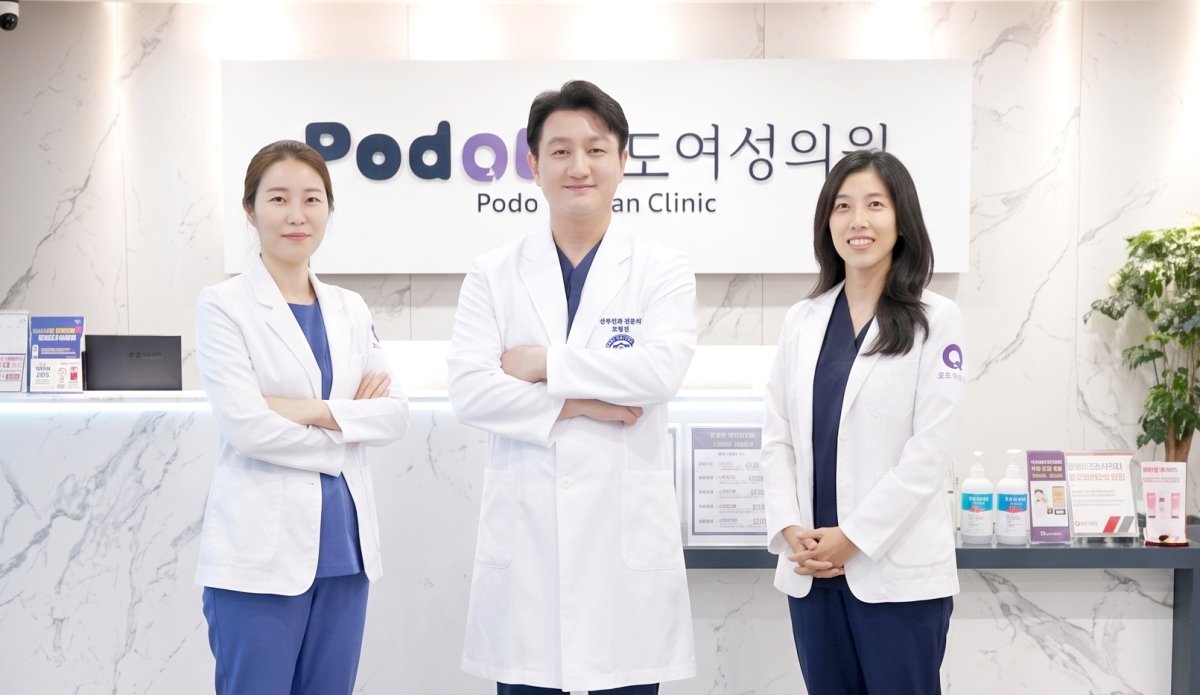
Descripción general de Sacrohisteropexia Da Vinci para el prolapso uterino en Corea del Sur
- Depósito de Bookimed: 200 $ o 200 €.
- Depósito de la clínica: Pague un porcentaje fijo por adelantado.
Obtenga una evaluación médica para Sacrohisteropexia Da Vinci para el prolapso uterino en Corea del Sur: Elija su especialista entre los mejores en el campo
Ver todos los médicos
Yeoun E Park
Profesor adjunto en varias universidades prestigiosas – el Dr. Park dirige la atención ginecológica en el Hospital Seoul Miz.
- Especialista en obstetricia y ginecología con amplia experiencia
- Director Médico en el Hospital Seoul Miz
- Miembro de la Sociedad Coreana de Obstetricia y Ginecología

Heeseok Kang
La Dra. Kang se especializa en cirugías ginecológicas mínimamente invasivas, incluida la sacrohisteropexia Da Vinci, con una amplia experiencia en el Samsung Medical Center.
- Profesora adjunta en el Samsung Medical Center
- Ha publicado múltiples estudios sobre cirugías ginecológicas laparoscópicas y robóticas
- Ganadora del premio a la tesis destacada de la Sociedad Coreana de Oncología Ginecológica
- Experta para NAVER KnowledgeiN

Na Young Bae
Na Young Bae se especializa en procedimientos ginecológicos mínimamente invasivos, incluida la sacrohisteropexia Da Vinci, en el Hospital Seoul Miz. Su experiencia combina la cirugía robótica con un enfoque en la preservación de la integridad uterina.
- Formada en el Centro Médico de la Universidad de Corea y en UC Berkeley
- Miembro de la Sociedad Coreana de Endoscopia Ginecológica
- Experta en técnicas quirúrgicas laparoscópicas y robóticas
- Enfoque especial en la preservación uterina durante la reparación de prolapso
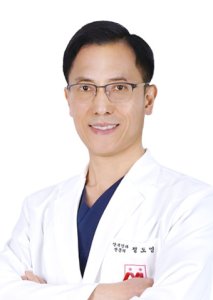
Doyoung Jeong
El Dr. Do‑young Jeong es especialista en obstetricia y ginecología, con enfoque en cirugía mínimamente invasiva, de puerto único y robótica. Realizó el internado en el Hospital de la Universidad Nacional de Seúl y la residencia y formación de posgrado en la Universidad de Corea. Posteriormente completó una subespecialización en oncología ginecológica en el Centro Nacional del Cáncer, centrada en enfermedades uterinas y ováricas. Se desempeñó como director y director médico en los hospitales M
Historias en video de pacientes de Bookimed
Reseñas
Todas las reseñasCompartir contenido
 Olena Sikoza
Preguntas frecuentes sobre Sacrohisteropexia Da Vinci para el prolapso uterino en Corea del Sur
¿Necesito una visa para Corea del Sur?
Hasta la fecha, Corea del Sur tiene acuerdos sin visado con 112 estados . No se requiere visa para estadías de menos de 90 días. Para permanecer más tiempo en este país, necesita una visa. Qué estados necesitan una visa para el tratamiento en Corea del Sur y qué países pueden cruzar las fronteras de forma gratuita y fácil de leer aquí .
¿Cuál es el nivel de la medicina en Corea del Sur?
El cuidado de la salud es un sector de desarrollo clave del gobierno coreano. Las autoridades coreanas están convencidas de que el cuidado de la salud de los ciudadanos debe ser una prioridad incondicional de la política estatal, y anualmente gastan alrededor de mil millones de dólares para atraer turistas médicos.
Según Mark Britnell , los hospitales dominan el sistema de salud. El 94% de los hospitales son de propiedad privada.
¿Cuáles son las cirugías plásticas más populares?
Según las estadísticas de la ASPS , en 2018 se realizaron 17,7 millones de cirugías estéticas y 5,8 millones de procedimientos reconstructivos. Los procedimientos cosméticos más populares incluyen:
- aumento de senos
- liposucción
- rinoplastia (cirugía de nariz)
- cirugía de párpado
- Abdominoplastia.
La extirpación de tumores, la cicatrización de desgarros, la cirugía maxilofacial, la revisión de cicatrices, la cirugía de la mano son las operaciones más comunes en el contexto de la cirugía reconstructiva.
¿Qué documentos se requieren para solicitar una visa a Corea del Sur para recibir tratamiento?
Las visas para viajar a Corea del Sur requieren una serie de documentos . La documentación necesaria se puede presentar 90 días antes de la salida prevista. La lista de documentos incluye:
- tarjeta de identificación
- confirmación del registro en línea y llenado del cuestionario
- certificado de ingresos y disponibilidad de fondos
- póliza de seguro de estancia en Corea del Sur (original y copia)
- 2 fotos (5x6)
- obtener una visa
- reserva de vuelos y hoteles
- opinión del médico sobre la necesidad de tratamiento.
¿Qué necesitas saber sobre Corea del Sur antes de viajar?
Moneda | Won surcoreano (el pago de los servicios también es posible en dólares) |
Mejor época para viajar | Abril, mayo y junio o septiembre, octubre y noviembre. |
Idioma | Coreano (la mayoría del personal médico habla inglés con fluidez) |
Visa | no requerido para estadías de hasta 90 días o menos |
Diferencia horaria con Europa | 9:00 |
Diferencia horaria de Estados Unidos | 9:00 |
Capital | Seúl |
Centro de Turismo Médico | seúl |
Estaciones populares | Gangwon-do, Gyeongju, Boseong, Jeju |
¿Qué servicios hoteleros se brindan aquí?
En Corea del Sur , hay hoteles de diferentes rangos de precios y niveles de servicio. La mayoría de los turistas eligen hoteles de 4 y 5 estrellas con régimen de todo incluido. Dichos hoteles tienen todo para una estancia confortable: comida variada, amplio territorio bien cuidado, animación para niños y adultos. Algunos hoteles tienen su propio parque acuático, que los huéspedes pueden utilizar de forma gratuita. Los viajeros con poco presupuesto pueden permitirse reservar un hotel económico de 3 estrellas con media pensión o sin comidas.