Implante Dental con Pilar en Corea del Sur: las 5 mejores clínicas y sus precios


Revisado médicamente por
Fahad Mawlood
Cómo funciona
¿Cuál es el precio de Implante Dental con Pilar en Corea del Sur? Descubra ahora
De $580. El precio final depende de la marca del implante, la ubicación de la clínica y los procedimientos preparatorios necesarios, como el injerto óseo. Los pacientes ahorran alrededor de un 87% en comparación con los EE. UU., donde el precio promedio es de $4,500. Los paquetes estándar suelen incluir la fijación de titanio, el pilar, las tomografías computarizadas 3D y una corona personalizada.
- Marcas de implantes nacionales: A menudo son entre un 30 y un 40 % más asequibles que las opciones internacionales premium como Straumann o Astra Tech.
- Principales centros médicos: Las clínicas en distritos de Seúl como Gangnam suelen tener precios más altos que las de Incheon.
- Injerto óseo: Añade un coste adicional significativo si la densidad del hueso maxilar es insuficiente para la colocación inmediata.
- Cirugía de elevación de seno: Aumenta el coste total cuando los implantes del maxilar superior requieren una elevación de membrana adicional.
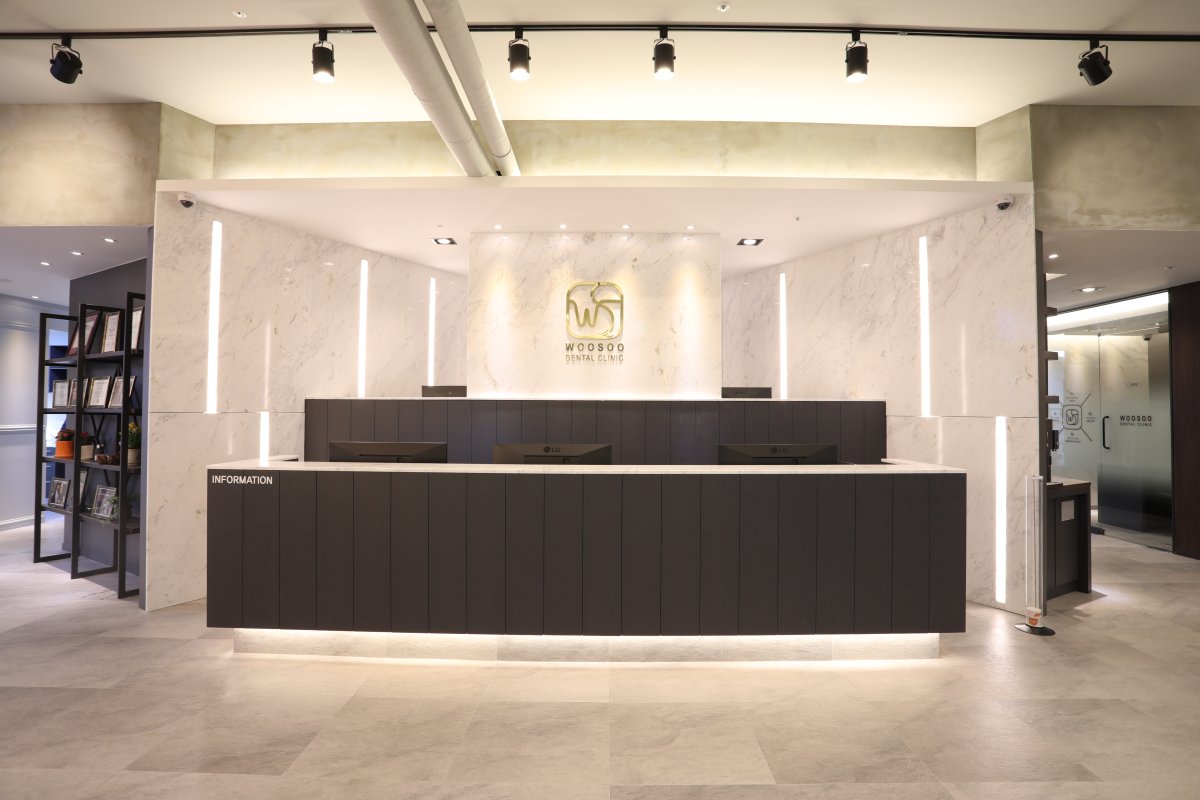
Perspectiva del experto de Bookimed: Elegir una clínica en Seúl ofrece acceso a especialistas de élite como el Dr. Kang Dong-ho, doctor en Prostodoncia. Muchos centros de gran volumen, como la Clínica Dental Woosoo, tratan a más de 2000 pacientes al año y cuentan con la acreditación de la AAID. Puede encontrar experiencia de clase mundial en la Clínica Dental Yonsei JW, donde los médicos a menudo poseen títulos tanto de la Universidad Nacional de Seúl como de instituciones estadounidenses como UPenn.
| Corea del Sur | España | Estados Unidos | |
|---|---|---|---|
| Implante Dental con Pilar | de $580 | de $890 | ≈ $3,500 |
Descubra las mejores clínicas de Implante Dental con Pilar en Corea del Sur: 5 opciones verificadas y Precios

Descripción general de Implante Dental con Pilar en Corea del Sur
- Implantes dentales All-on-4 - de $7,500Esta terapia restaura un juego completo de dientes usando cuatro implantes por maxilar, ofreciendo durabilidad, comodidad y una apariencia natural.
- Implantes dentales All-on-6 - de $6,400Esta terapia reemplaza arcos dentales completos usando solo seis implantes, ofreciendo a los pacientes estabilidad y comodidad.
- Mini-implantes - de $700Esta terapia reemplaza los dientes perdidos con pequeños postes de metal, lo que garantiza un aspecto natural y una masticación fácil.
- Instalación de un implante dental con corona - de $2,000Esta terapia consiste en colocar una raíz dental artificial y una tapa para restaurar un diente faltante, ofreciendo durabilidad y apariencia natural.
- Implante dental - de $750Esta terapia instala raíces dentales artificiales para restaurar la función y la apariencia, ofreciendo durabilidad, comodidad y una sensación natural.
- Implante Dental con Pilar - de $580El procedimiento instala una raíz de diente protésico y un conector para un diente postizo, mejorando la salud bucal y la sonrisa.
- Implantes dentales todo en 2 - de $6,500Esta terapia reemplaza los dientes perdidos con dos implantes y un puente dental completo, para una mejor calidad de vida.
Día 1
- Llegada al país y alojamiento en un hotel de 4*.
- Realice una visita turística si lo desea.
Dia 2
- Consulta inicial con especialista dental.
- Someterse a las pruebas médicas necesarias.
Día 3
- Preparación para el procedimiento de implante dental.
- Consulta final con el especialista.
Día 4
- Someterse a un procedimiento de implante dental con pilar.
- El procedimiento dura hasta 2 horas.
- Se administra anestesia local.
Dia 5
- Examen postoperatorio en la clínica.
- Descanso en el hotel.
Semana 1
- Examen de seguimiento con el especialista.
- Traslado regular para chequeos.
Semana 2-4
- Regreso gradual a las actividades normales.
- Se pueden reanudar las actividades deportivas ligeras.
Semana 4-6
- Regreso al trabajo dependiendo del progreso de la recuperación.
- Resultado final del implante dental visible.
El caso de cada paciente es individual, y estos pasos son pautas generales. Consulte con su especialista para un plan de recuperación personalizado.
- Depósito de Bookimed: 200 $ o 200 €.
- Depósito de la clínica: Pague un porcentaje fijo por adelantado.
Obtenga una evaluación médica para Implante Dental con Pilar en Corea del Sur: Elija su especialista entre los mejores en el campo
Ver todos los médicos
Ji Ho Ahn
El Dr. Ji Ho Ahn es prostodoncista y profesor adjunto en la Universidad Nacional de Seúl, con un doctorado (Ph.D.) en Prostodoncia.
- Especializado en implantes dentales con amplia formación en prostodoncia
- Trabajó en el Centro de Implantes Dentales del Hospital Dental de la Universidad Nacional de Seúl
- Miembro de la Academia Coreana de Prostodoncia
- Miembro de la Academia Coreana de Función Estomatognática y Oclusión
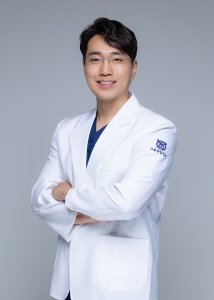
Kim Geun-il
Especialista en implantología con certificación del Ministerio de Salud y Bienestar Social – El Dr. Kim se centra en planes de tratamiento precisos sin procedimientos innecesarios.
- Graduado de la Facultad de Odontología de la Universidad Nacional de Seúl
- Completó su residencia en el Hospital Dental de la Universidad Nacional de Seúl
- Miembro certificado de la Academia Coreana de Implantología
- Miembro del International Team for Implantology (ITI)
- Amplia formación en sistemas de implantes Osstem y MegaGen
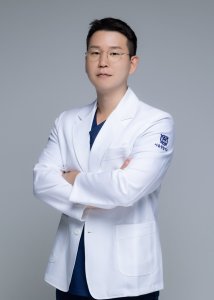
Kwon Jae-won
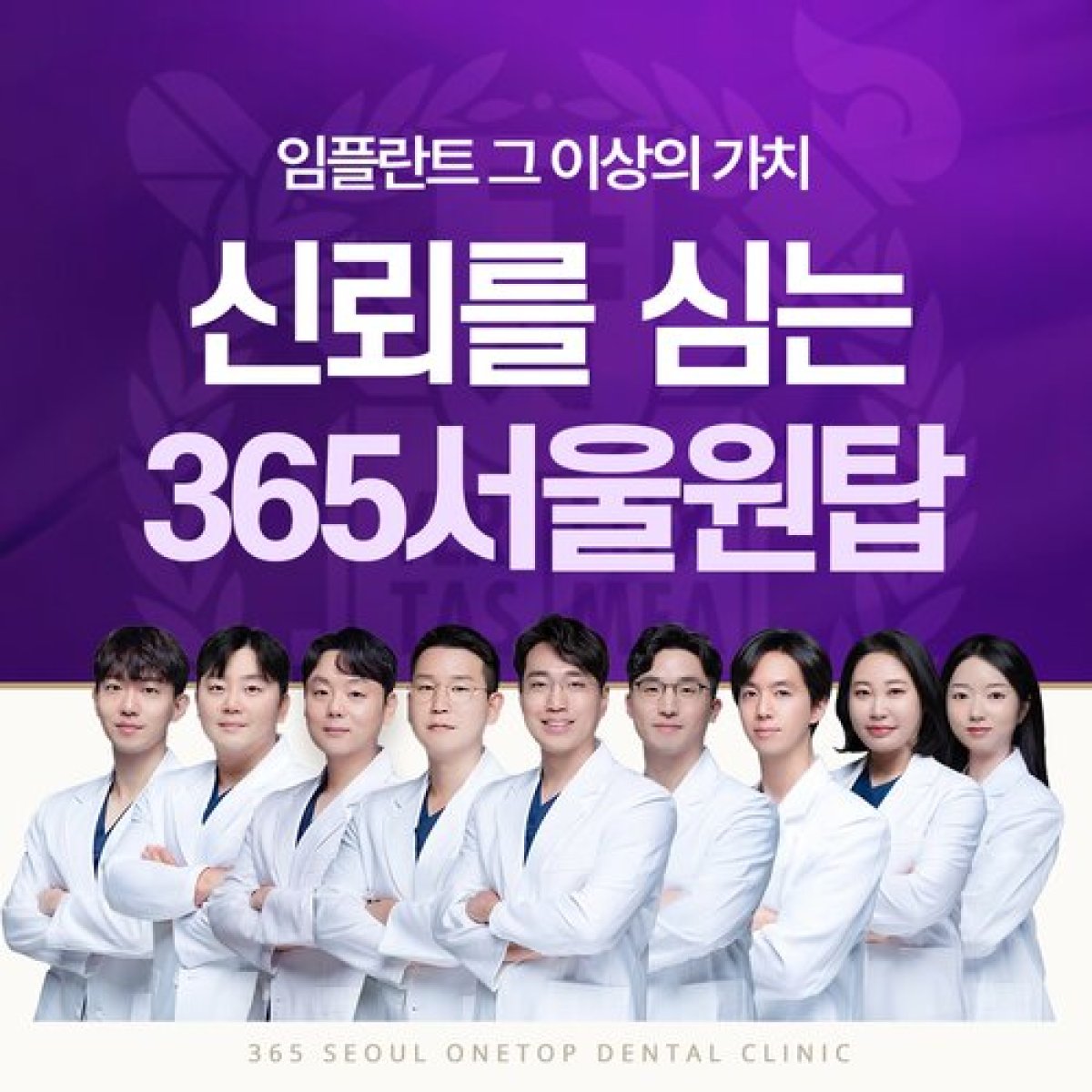
Especialista en Implantología Dental con certificaciones de Osstem y MegaGen – El Dr. Kwon se dedica exclusivamente a los implantes dentales en la clínica dental 365SeoulOneTop365.
- Graduado con honores de la Facultad de Odontología de la Universidad Nacional de Seúl
- Completó su residencia en el Hospital Dental de la Universidad Nacional de Seúl
- Posee doble especialidad en Implantología Dental y Odontología Integrada
- Miembro activo de cinco de las principales asociaciones profesionales de odontología de Corea
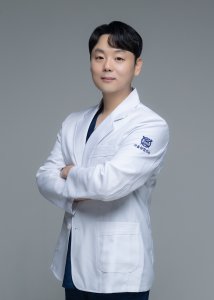
Lim Gi-hyeon
Certificado en cirugía oral y reconstrucción maxilofacial – El Dr. Lim se especializa en colocación precisa de implantes en la clínica dental 365SeoulOneTop365.
- Más de 15 años de experiencia en implantología dental
- Formado en hospitales afiliados a la Facultad de Medicina de Harvard
- Miembro del comité asesor clínico de Osstem Implant
- Miembro del ITI Implant Study Club con enfoque en técnicas avanzadas
- Realiza reconstrucciones complejas tras traumatismos o pérdida ósea
Historias en video de pacientes de Bookimed
Reseñas
Todas las reseñasCompartir contenido
 Olena Sikoza
Datos сlave sobre Implante Dental con Pilar
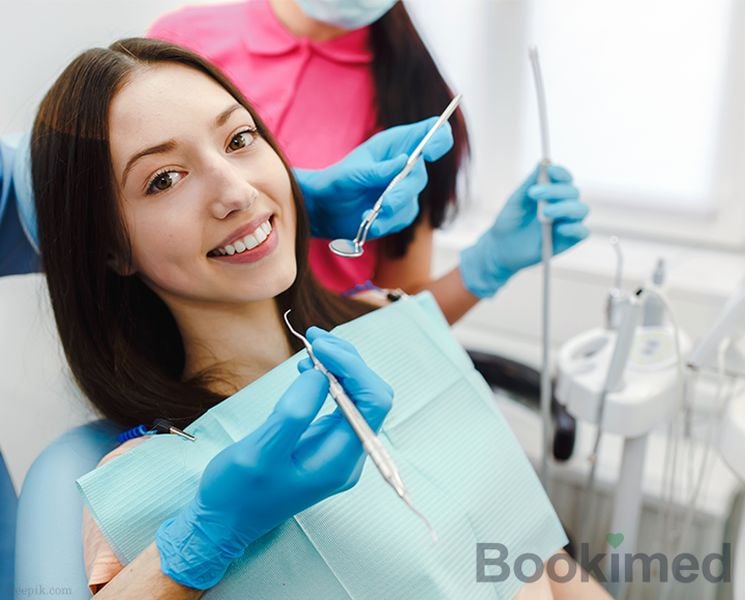
Implante Dental con Abutment
El implante dental implica colocar un poste de titanio en el hueso de la mandíbula, sirviendo como raíz para una prótesis dental como una corona.
Preguntas frecuentes sobre Implante Dental con Pilar en Corea del Sur
¿Necesito una visa para Corea del Sur?
Hasta la fecha, Corea del Sur tiene acuerdos sin visado con 112 estados . No se requiere visa para estadías de menos de 90 días. Para permanecer más tiempo en este país, necesita una visa. Qué estados necesitan una visa para el tratamiento en Corea del Sur y qué países pueden cruzar las fronteras de forma gratuita y fácil de leer aquí .
¿Cuál es el nivel de la medicina en Corea del Sur?
El cuidado de la salud es un sector de desarrollo clave del gobierno coreano. Las autoridades coreanas están convencidas de que el cuidado de la salud de los ciudadanos debe ser una prioridad incondicional de la política estatal, y anualmente gastan alrededor de mil millones de dólares para atraer turistas médicos.
Según Mark Britnell , los hospitales dominan el sistema de salud. El 94% de los hospitales son de propiedad privada.
¿Cuáles son las cirugías plásticas más populares?
Según las estadísticas de la ASPS , en 2018 se realizaron 17,7 millones de cirugías estéticas y 5,8 millones de procedimientos reconstructivos. Los procedimientos cosméticos más populares incluyen:
- aumento de senos
- liposucción
- rinoplastia (cirugía de nariz)
- cirugía de párpado
- Abdominoplastia.
La extirpación de tumores, la cicatrización de desgarros, la cirugía maxilofacial, la revisión de cicatrices, la cirugía de la mano son las operaciones más comunes en el contexto de la cirugía reconstructiva.
¿Qué documentos se requieren para solicitar una visa a Corea del Sur para recibir tratamiento?
Las visas para viajar a Corea del Sur requieren una serie de documentos . La documentación necesaria se puede presentar 90 días antes de la salida prevista. La lista de documentos incluye:
- tarjeta de identificación
- confirmación del registro en línea y llenado del cuestionario
- certificado de ingresos y disponibilidad de fondos
- póliza de seguro de estancia en Corea del Sur (original y copia)
- 2 fotos (5x6)
- obtener una visa
- reserva de vuelos y hoteles
- opinión del médico sobre la necesidad de tratamiento.
¿Qué necesitas saber sobre Corea del Sur antes de viajar?
Moneda | Won surcoreano (el pago de los servicios también es posible en dólares) |
Mejor época para viajar | Abril, mayo y junio o septiembre, octubre y noviembre. |
Idioma | Coreano (la mayoría del personal médico habla inglés con fluidez) |
Visa | no requerido para estadías de hasta 90 días o menos |
Diferencia horaria con Europa | 9:00 |
Diferencia horaria de Estados Unidos | 9:00 |
Capital | Seúl |
Centro de Turismo Médico | seúl |
Estaciones populares | Gangwon-do, Gyeongju, Boseong, Jeju |
¿Qué servicios hoteleros se brindan aquí?
En Corea del Sur , hay hoteles de diferentes rangos de precios y niveles de servicio. La mayoría de los turistas eligen hoteles de 4 y 5 estrellas con régimen de todo incluido. Dichos hoteles tienen todo para una estancia confortable: comida variada, amplio territorio bien cuidado, animación para niños y adultos. Algunos hoteles tienen su propio parque acuático, que los huéspedes pueden utilizar de forma gratuita. Los viajeros con poco presupuesto pueden permitirse reservar un hotel económico de 3 estrellas con media pensión o sin comidas.