Ir a inicio
820К+ pacientes han recibido asistencia desde 2014
50 países
1,500 clínicas
6K+ reseñas
3K+ médicos calificados

¿Cuál es el precio de Inlay/Onlay en Corea del Sur? Descubra ahora

El precio promedio de Inlay/Onlay en Corea del Sur es de $1,733, el precio mínimo es de $1,350, y el precio máximo es de $2,115.
Corea del SurEspañaEstados Unidos
Inlay/Onlayde $1,350--
Datos verificados por Bookimed a partir de August 2026, basados en solicitudes de pacientes y cotizaciones oficiales de 26 clínicas en todo el mundo. Los costos medianos se basan en facturas reales (2025–2026) y se actualizan mensualmente. Los precios reales pueden variar.

Sus beneficios y garantías con Bookimed

Precios directos

Bookimed no añade cargos adicionales a los precios de Inlay/Onlay. Las tarifas proceden de las listas de precios oficiales de las clínicas. Pagará directamente en la clínica por su Inlay/Onlay a su llegada al país.

Sólo clínicas y médicos verificados

Bookimed está comprometido con su seguridad. Solo trabajamos con las clínicas que mantienen altos estándares internacionales en Inlay/Onlay y tienen las licencias necesarias para atender a pacientes internacionales en todo el mundo.

Asistencia 24/7 gratuita

Bookimed ofrece asistencia experta gratuita. Un coordinador médico personal le apoya antes, durante y después del tratamiento, resolviendo cualquier problema. Nunca estará solo en su viaje médico de Inlay/Onlay.

¿Por qué nosotros?

Su coordinador médico personal de Bookimed

  • Le apoya en cada etapa
  • Ayuda a elegir la clínica y el médico adecuados
  • Asegura un acceso rápido y conveniente a la información

No se pierda estas ofertas exclusivas de Inlay/Onlay en Corea del Sur en agosto 2026

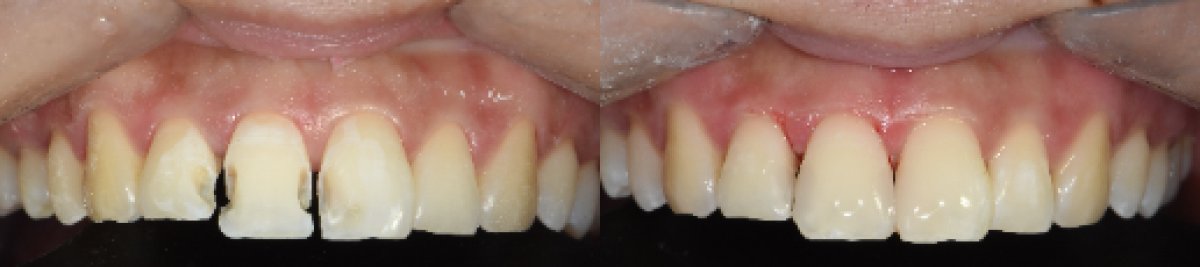
Resultados antes y después de inlay/onlay dental – mejora en la apariencia de los dientes
15 años de experiencia

Paquete de Inlay/Onlay por diente
  • Tipo de implante: Osstem
  • Kim es reconocido por su formación especializada en implantología avanzada y odontología estética, lo que garantiza una atención experta.
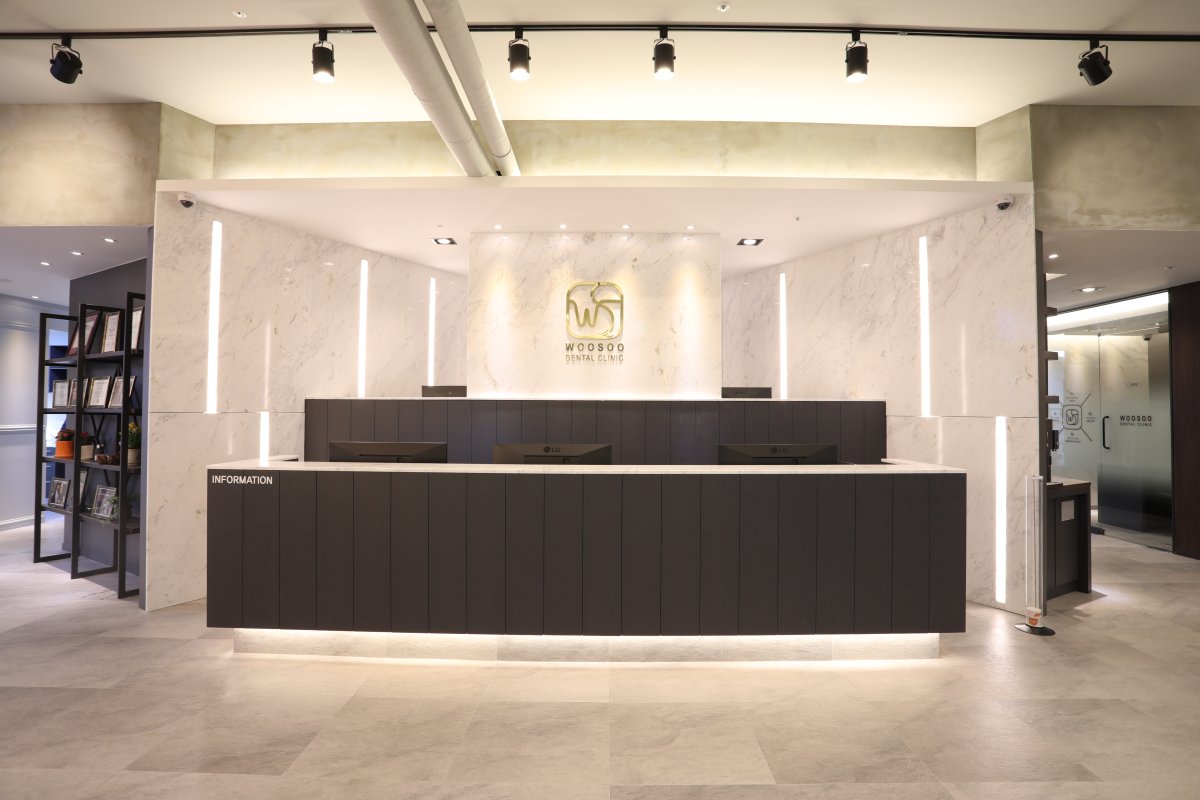
  • Woosoo Clínica Dental utiliza el estado de la técnica de imágenes 3D CT para tratamientos precisos y mínimamente invasivos inlay / onlay.
  • Servicios incluidos: Tomografía computarizada 3D de haz cónico (CBCT), tomografía computarizada 3D, radiografía panorámica, raspado y pulido dental, curetaje dental, sala VIP para pacientes, traslado aeropuerto-clínica-aeropuerto.
  • Información sobre la estancia: El precio no incluye la estancia en hotel.

Descubra las mejores clínicas de Inlay/Onlay en Corea del Sur: 3 opciones verificadas y Precios

El ranking de clínicas de Bookimed se basa en algoritmos de data science, ofreciendo una comparación confiable, transparente y objetiva. Tiene en cuenta la demanda de pacientes, las puntuaciones de reseñas (positivas y negativas), la frecuencia de actualización de opciones de tratamiento y precios, la rapidez de respuesta y las certificaciones de las clínicas.
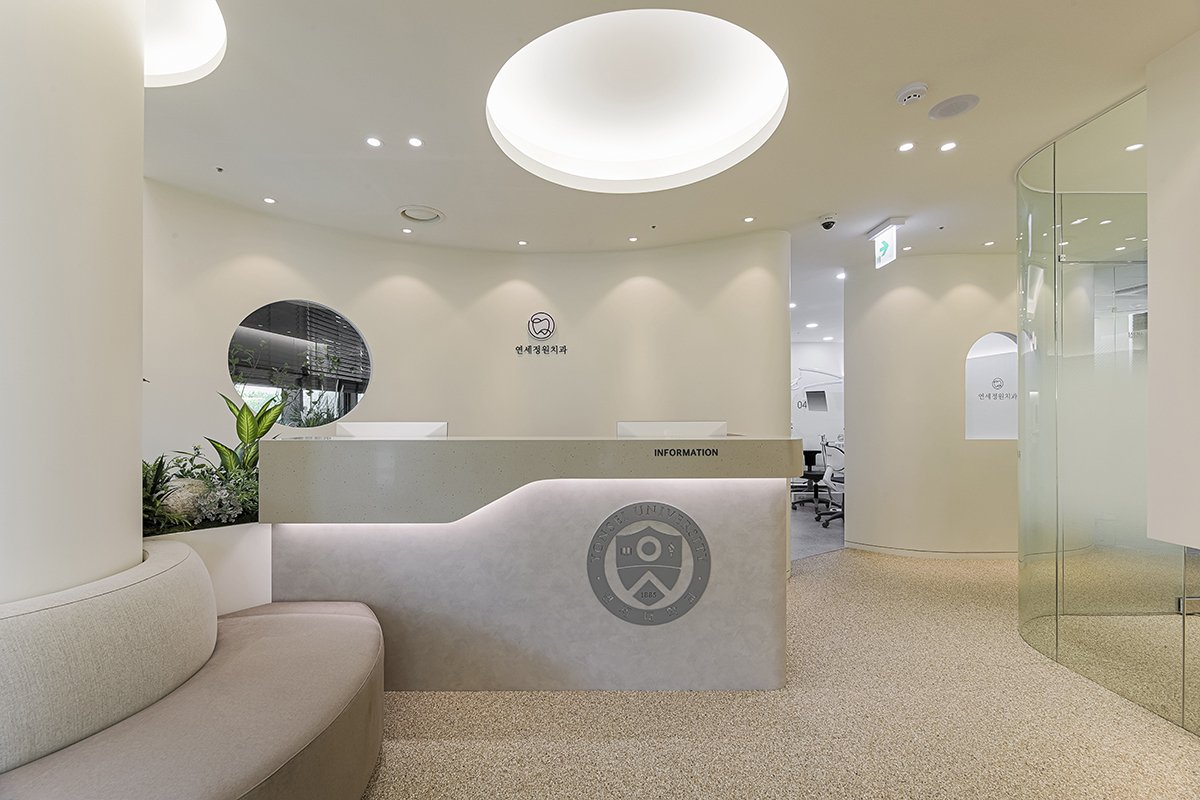
Clínica Dental Yonsei JW
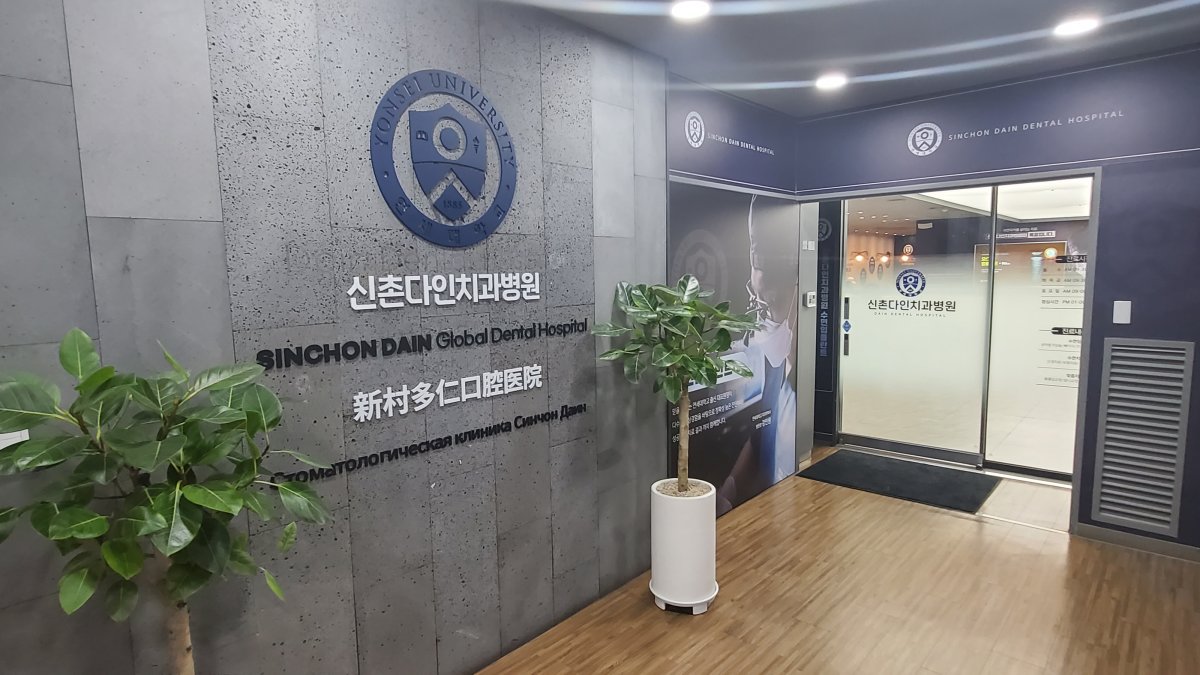
Sinchon Dain Dental Hospital

Descripción general de Inlay/Onlay en Corea del Sur

Conclusiones
Procedimientos relacionados y Precios
Cómo funciona
Ventajas
Pago
pacientes lo recomiendan -
85%
Comisiones de Bookimed - $0

Obtenga una evaluación médica para Inlay/Onlay en Corea del Sur: Elija su especialista entre los mejores en el campo

Ver todos los médicos
verificado

Ji Ho Ahn

7 años de experiencia

El Dr. Ji Ho Ahn aporta rigor académico a la prostodoncia como Profesor Adjunto en la Universidad Nacional de Seúl, especializándose en restauraciones dentales de precisión.

  • Ph.D. en Prostodoncia por la Universidad Nacional de Seúl
  • Miembro de la Academia Coreana de Prostodoncia
  • Residencia realizada en el Hospital Dental de la Universidad Nacional de Seúl
  • Amplia experiencia en el Centro de Implantes Dentales de SNUDH
verificado

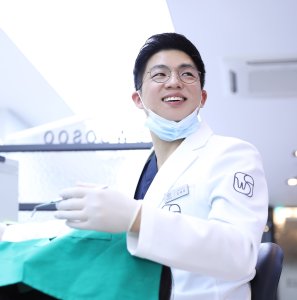
Kim

15 años de experiencia

El Dr. Jacob Kim es odontólogo especialista en implantología avanzada y odontología estética. Cuenta con una sólida trayectoria en casos complejos.

Es miembro activo de las principales asociaciones odontológicas. Contribuye al avance del campo mediante investigación clínica continua y aportes profesionales. Su clínica utiliza diagnósticos avanzados, incluida la tomografía computarizada 3D, para planificar y ofrecer tratamientos precisos.

verificado

Kang Inwon

21 años de experiencia • 80000+ tratamientos realizados

Historias en video de pacientes de Bookimed

Igor
¡Fue genial! Traslados, alojamiento, tratamiento, todo incluido.
Procedimiento: Implante dental
Clínica: WestDent Clinic
David
¿Quién diría que arreglarse los dientes podría ser unas mini vacaciones?
Procedimiento: Instalación de un implante dental con corona
Pavel
Recomiendo los servicios de Bookimed a todos, me han hecho la vida mucho más fácil.
Procedimiento: Instalación de una corona de zirconio
Clínica: WestDent Clinic
Reseña anónima • Blanqueamiento dental
Alemania
17 jun 2026
Reseña verificada.
Prevé más dinero del indicado para el tratamiento. Allí te cobran impuestos adicionales y la limpieza dental también tiene un coste extra. A mí me han salido unos 100 $ de gastos adicionales.
Fue muy fácil reservar la cita y, el día del tratamiento, todo fue muy rápido. En menos de una hora, mis dientes estaban bien blanqueados.
Un aspecto negativo fue la falta de transparencia en los costes. La descripción del tratamiento daba a entender que por 370 $ se obtenían las tres sesiones de blanqueamiento más una limpieza dental profesional. Sin embargo, una vez allí tuve que pagar un suplemento por la limpieza dental y, además, de repente se añadieron unos impuestos considerables al precio total, por lo que el coste total acabó siendo casi 100 $ más caro. Por suerte, no me fío de nada y, por eso, ya había contado con gastos adicionales en mi presupuesto. Aun así, estaría bien poder calcular los costes de antemano.
Светлана • Consulta con un dentista
Corea del Sur
5 mar 2020
Reseña verificada.
El Dr
Muy caro en la clínica, también.

Inlay/Onlay: Fotos de antes y después

Ver todos los Antes y Después
Compartir contenido

Actualizado: 06/17/2026
Escrito por
Olena Sikoza
Olena Sikoza
Сopywriter en español
Copywriter médica certificada responsable del contenido en español de Bookimed. Más de 7 años de experiencia en redacción sobre salud y turismo médico, con formación académica en edición científica y desarrollo de contenidos.
Fahad Mawlood
Editor médico y Científico de datos
Médico general. Ganador de 4 premios científicos. Sirvió en Asia Occidental. Es el ex jefe del equipo médico que soporta a pacientes de habla árabe. Ahora es responsable del procesamiento de datos y la precisión del contenido médico.
Fahad Mawlood Linkedin
Esta página puede incluir información relacionada con diversas afecciones médicas, tratamientos y servicios de salud disponibles en diferentes países. Tenga en cuenta que el contenido se proporciona sólo con fines informativos y no debe interpretarse como asesoramiento médico o orientación. Por favor consulte con su médico o con un profesional médico calificado antes de comenzar o cambiar el tratamiento médico.

Preguntas frecuentes sobre Inlay/Onlay en Corea del Sur

Estas preguntas frecuentes provienen de pacientes reales que buscan atención médica a través de Bookimed. Las respuestas son proporcionadas por coordinadores médicos experimentados y representantes autorizados de las clínicas.

What are dental inlays and onlays used in Korea?

Dental inlays and onlays in Korea repair teeth with moderate decay or fractures too large for standard fillings but too small for crowns. These custom-made restorations preserve healthy tooth structure while reinforcing the bite. Korean clinics specialise in high-precision ceramic and gold materials for durable results.

  • Restoration type: Inlays fit within cusps, while onlays cover one or more raised tooth points.
  • Durable materials: Clinics use gold, zirconia, ceramic, or composite resin based on strength and aesthetics.
  • Preservation focus: These treatments save more natural tooth than crowns, which require significant shaving.
  • Advanced diagnostics: Specialists like Dr Kim at Woosoo Dental Clinic use 3D CT imaging for fit.

Bookimed Expert Insight: While many Australian patients expect ceramic to be the premium option, gold inlays remain highly popular in Korea for their unmatched durability. Some Seoul clinics specialise in gold due to its precision fit. However, for a single tooth, complete packages like those at Woosoo Dental Clinic include 3D scanning and VIP transfers for A$2,100.

Patient Consensus: Patients in Korea value how these treatments save their original teeth compared to getting a full crown. Gold is frequently chosen for its longevity and is often more affordable than aesthetic ceramic options.

What is the recovery process for inlay/onlay treatment in Korea?

Recovery after inlay and onlay treatment in Korea is exceptionally fast. Most patients return to normal activities immediately. Clinics in Seoul and Incheon often provide 24-hour completion using 3D CT imaging and digital scanning. This eliminates the need for temporary fittings and reduces post-operative sensitivity.

  • Hospital stay: This is an outpatient procedure with no hospital stay required.
  • Initial recovery: Sensitivity to cold or biting typically resolves within 1 to 3 days.
  • Dietary care: Soft foods are recommended for 24 hours to prevent displacing the new restoration.
  • Bite adaptation: Minor adjustments might be needed for up to 2 weeks for a perfect fit.

Bookimed Expert Insight: Korean clinics such as Woosoo Dental Clinic often include VIP rooms and airport transfers in their packages. This reflects a high-volume infrastructure that handles 2,000+ patients annually. These amenities help international patients manage their recovery comfortably between appointments. This is especially true when 3D CT diagnostics are used for precision.

Patient Consensus: Treatment in Korea involves minimal downtime. Most patients resume their holiday immediately. Soft foods help with initial tenderness. A quick follow-up for bite adjustment makes the restoration feel natural during normal chewing.

Why should I choose an inlay/onlay over a filling or crown in South Korea?

South Korean dentists use inlays and onlays as a conservative middle ground between fillings and crowns. These restorations preserve more natural enamel than crowns while offering superior durability over direct fillings. Specialists in Seoul and Incheon use 3D CT imaging for a precise, bacteria-tight fit.

  • Enamel preservation: Onlays require significantly less tooth reduction than crowns, saving more natural structure.
  • Enhanced durability: Laboratory-made zirconia or ceramic materials outlast standard composite fillings by many years.
  • Structural integrity: Onlays cover weakened cusps to prevent fractures, unlike large fillings that can weaken teeth.
  • Diagnostics: Clinics like Woosoo Dental Clinic use 3D CT scans for precise, minimally invasive placement.

Bookimed Expert Insight: While inlay and onlay prices in South Korea range from $1,400 to $2,100, many patients find the long-term value superior. Clinics like Sinchon Dain Dental Hospital serve over 33,000 patients annually. Their high-volume specialists, such as Dr Kang Inwon, have performed 80,000+ procedures, so restorations last decades rather than years.

Patient Consensus: These restorations are ideal when damage is too large for a filling but doesn't require a crown. Patients in Korea appreciate the stronger protection for fractured cusps and the natural aesthetic of ceramic materials.

How long will an onlay last when performed in South Korea?

Onlays performed in South Korea typically last 10 to 30 years. Longevity depends on material choice and oral hygiene rather than location. Seoul clinics use CAD/CAM technology and 3D CT imaging for precise fits, which helps prevent bacteria from entering under the restoration.

  • Material durability: Porcelain or ceramic onlays generally last between 20 and 30 years.
  • Clinical precision: Specialists like Dr. Ji Ho Ahn use 3D scans for better seating.
  • Bite management: Lifespan decreases if patients clench or grind their teeth after placement.
  • Maintenance requirements: Twice-daily brushing and flossing are essential to reach the 30-year mark.

Bookimed Expert Insight: South Korean clinics like Sinchon Dain Dental Hospital serve over 33,000 patients annually. This massive volume means clinicians see complex cases daily. Their expertise with high-strength materials like zirconia helps restorations remain stable for decades. Choosing a Seoul clinic with English-speaking specialists improves communication about post-procedure bite adjustments.

Patient Consensus: Proper post-placement checks are vital for a comfortable bite. Patients in Korea mention that restorations are durable when the clinic handles adjustments before they return to Australia. The process is often fast and convenient within a holiday window.

What is the difference between an inlay and an onlay in South Korea?

A dental inlay fits within the tooth cusps for central damage. An onlay covers one or more cusps to restore larger biting surfaces. Both function as conservative partial crowns in South Korea. They preserve healthy structure with custom-made porcelain or gold restorations.

  • Inlay placement: Restoration sits securely within the pits and fissures between the raised tooth cusps.
  • Onlay extension: Covers the biting surface and at least one cusp to provide structural support.
  • Material options: Clinicians use aesthetic porcelain, ceramic, or high-performance gold for lab-crafted, durable results.
  • Preservation focus: Both techniques avoid aggressive enamel removal required for full dental crown preparation.
  • Procedure stages: Treatment usually involves digital scans, temporary placement, and final bonding over two visits.

Bookimed Expert Insight: South Korean dental specialists often prioritise porcelain inlays over gold due to bonding techniques that reduce post-operative sensitivity. Expert surgeons like Dr Ji Ho Ahn at Yonsei JW Dental Clinic use Ph.D.-level prosthodontic training. This helps these bonded restorations mimic natural enamel strength.

Patient Consensus: Patients in Seoul report that porcelain inlays feel more comfortable than traditional crowns. The conservative approach feels less invasive. The tooth-coloured materials look natural during daily interactions.

What materials are popular for inlays/onlays in South Korean dental clinics?

Modern South Korean dental clinics predominantly use ceramic, zirconia, and tooth-coloured composite resin for inlays and onlays. Gold remains a standard for durable back-tooth restorations. However, aesthetic demands drive the frequent use of CAD/CAM-milled porcelain and high-strength zirconia. These materials blend seamlessly with natural teeth.

  • Ceramic restorations: Favour aesthetic results with natural translucency and stain resistance for visible teeth.
  • Zirconia material: Provides exceptional durability for onlays requiring heavy chewing force in posterior areas.
  • Composite resin: Offers a cost-effective, tooth-coloured alternative for smaller or moderate-sized dental restorations.
  • Gold options: Remain a highly recommended, biocompatible choice for long-term durability in back teeth.

Bookimed Expert Insight: Many countries treat gold as a premium upgrade. However, South Korean clinics like Woosoo Dental Clinic treat it as a standard recommendation for durability. Patients often find better value in Seoul by choosing ceramic packages that include 3D CT imaging. This gives a precise fit and reduces the risk of future decay.

Patient Consensus: Clinics in South Korea offer a balance of aesthetics and longevity. Patients appreciate that gold is still a normal, functional option alongside high-tech porcelain. Patients should check which material is included in quotes to avoid surprises. Price differences between resin and zirconia are significant.

Is it possible to get digital inlays/onlays (CAD/CAM) in South Korea?

South Korea is a leading hub for digital dentistry, offering CAD/CAM inlays and onlays at centres in Seoul and Incheon. Specialists use 3D intraoral scanners and in-house milling machines to design and fit custom ceramic restorations. They often complete the full procedure in a single 90-minute appointment.

  • Same-day milling: Chairside CAD/CAM systems allow clinics to create and fit restorations in one visit.
  • Imaging: Centres like Woosoo Dental Clinic use 3D CT and panoramic X-rays for precision.
  • Diverse materials: Patients choose from durable porcelain, gold, or composite options to suit their needs.
  • Western-trained specialists: Surgeons like Dr Ji Ho Ahn hold degrees from the University of Pennsylvania.
  • All-inclusive packages: Australian patients can find deals including 3D imaging, scaling, and airport transfers.

Bookimed Expert Insight: Many Seoul clinics marketed to tourists offer same-day service. However, centres like Woosoo Dental Clinic in Incheon provide VIP patient rooms and full diagnostic imaging. These are included in their per-tooth packages. This is particularly useful for Australians who value privacy. They also want a fixed price. It covers everything from the initial 3D scan to the final fitting.

Patient Consensus: Visitors in Seoul and Gyeonggido report high satisfaction with the speed of digital dentistry. Many completed multiple treatments in around 1.5 hours per tooth. They found porcelain and gold options significantly more affordable than in Australia.

How many visits does it take to get an inlay/onlay in Korea?

A dental inlay or onlay in the Republic of Korea usually takes 1–2 visits. Modern clinics in Seoul use CAD/CAM technology for same-day restorations. Traditional lab-made pieces, however, need a 2- to 3-day gap between preparation and final fitting.

  • Clinical technology: CAD/CAM systems allow for scanning and milling ceramic restorations in a single day.
  • Lab schedules: External dental labs typically require 3 to 7 days for Zirconia or gold fabrications.
  • Detailed diagnostics: Specialists like Dr. Kim at Woosoo Dental Clinic use 3D CT imaging for precise fitting.
  • Expertise level: Major Seoul hospitals, such as Sinchon Dain Dental, handle over 33,000 patients annually.

Bookimed Expert Insight: Many Australian patients seek one-day dentistry. However, choosing a 2-visit schedule often provides better durability for complex molars. Bookimed data shows Yonsei JW Dental Clinic offers specialised prosthodontics. Led by University of Pennsylvania-trained Dr. Ji Ho Ahn, this clinic balances rapid turnaround with long-term structural integrity.

Patient Consensus: Expect two visits for exam and placement. Local labs work quickly, so confirm your travel dates early. Plan for a final adjustment appointment so your bite feels natural.

Pedir una consulta gratis

Seleccione la mejor manera de contactarle