Ir a inicio
820К+ pacientes han recibido asistencia desde 2014
50 países
1,500 clínicas
6K+ reseñas
3K+ médicos calificados

¿Cuál es el precio de Litotricia láser en Corea del Sur? Descubra ahora

El precio promedio de Litotricia láser en Corea del Sur es de $8,000, el precio mínimo es de $6,000, y el precio máximo es de $10,000.
Datos verificados por Bookimed a partir de August 2026, basados en solicitudes de pacientes y cotizaciones oficiales de 10 clínicas en todo el mundo. Los costos medianos se basan en facturas reales (2025–2026) y se actualizan mensualmente. Los precios reales pueden variar.

Sus beneficios y garantías con Bookimed

Precios directos

Bookimed no añade cargos adicionales a los precios de Litotricia láser. Las tarifas proceden de las listas de precios oficiales de las clínicas. Pagará directamente en la clínica por su Litotricia láser a su llegada al país.

Sólo clínicas y médicos verificados

Bookimed está comprometido con su seguridad. Solo trabajamos con las clínicas que mantienen altos estándares internacionales en Litotricia láser y tienen las licencias necesarias para atender a pacientes internacionales en todo el mundo.

Asistencia 24/7 gratuita

Bookimed ofrece asistencia experta gratuita. Un coordinador médico personal le apoya antes, durante y después del tratamiento, resolviendo cualquier problema. Nunca estará solo en su viaje médico de Litotricia láser.

¿Por qué nosotros?

Su coordinador médico personal de Bookimed

  • Le apoya en cada etapa
  • Ayuda a elegir la clínica y el médico adecuados
  • Asegura un acceso rápido y conveniente a la información

No se pierda estas ofertas exclusivas de Litotricia láser en Corea del Sur en agosto 2026

Tipo de procedimiento
Circuncisión

Corea del Sur, Seúl

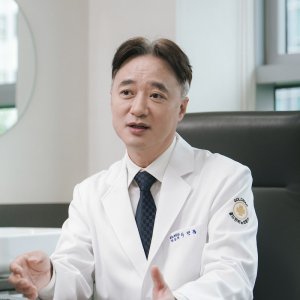
Yoon Sik Kang

36 años de experiencia
  • Yoon Sik Kang es el creador de la técnica quirúrgica «Kang Repair», sin malla, para la reparación de hernias.
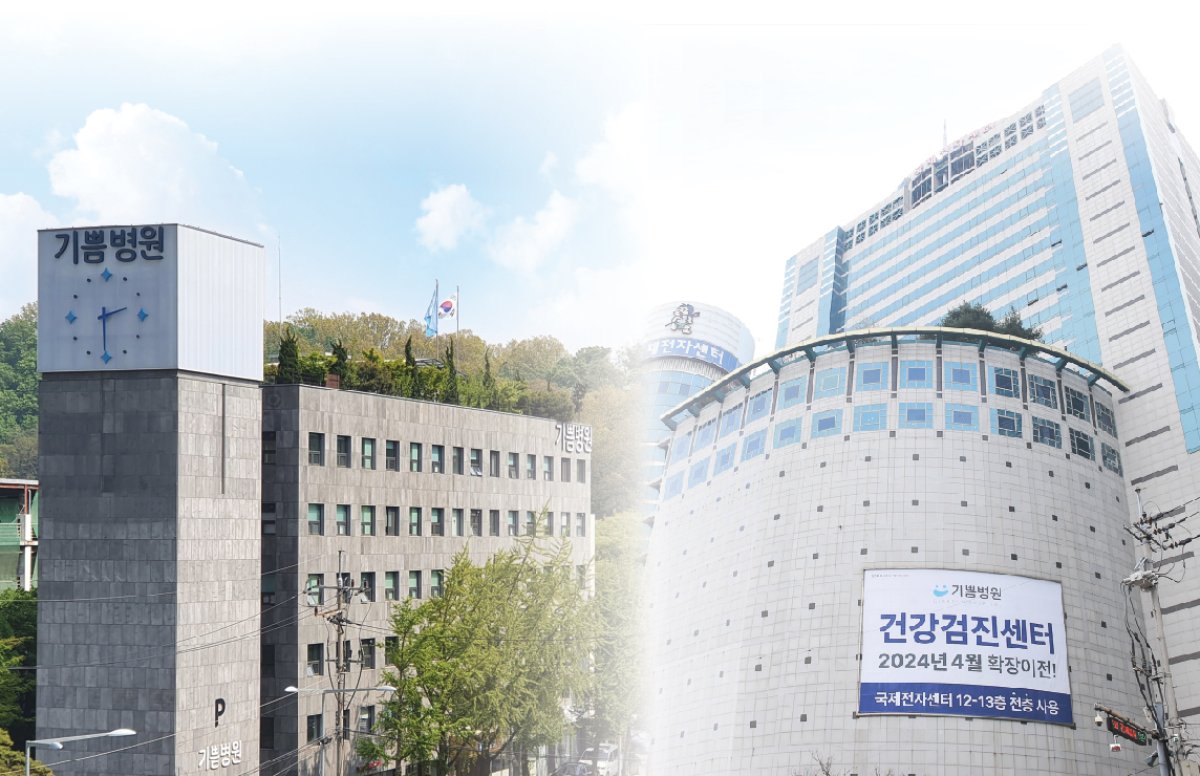
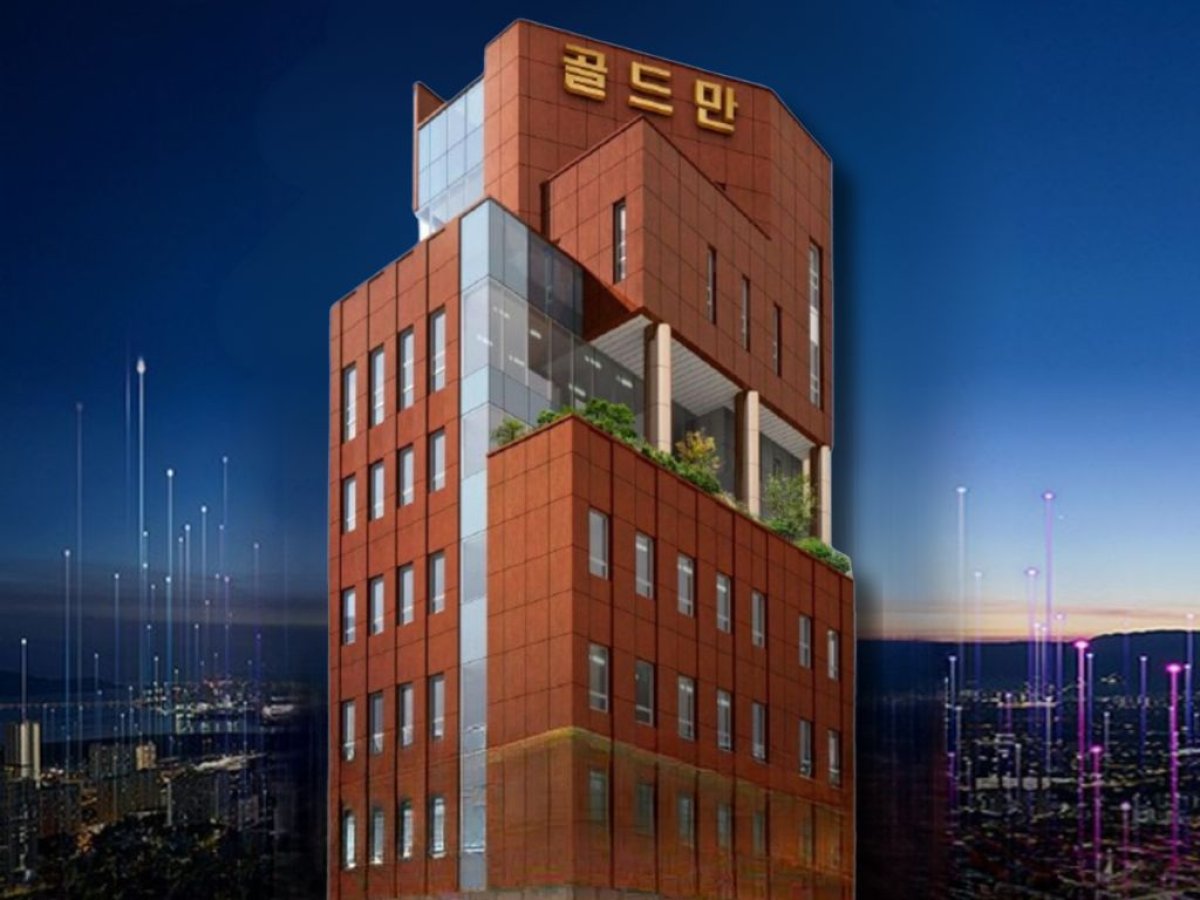
  • El Hospital General de Gibbeum atiende a pacientes internacionales procedentes de más de 56 países, entre ellos Estados Unidos y el Reino Unido.
  • Servicios incluidos: prueba de 100 Hue, tomografía computarizada (TC) en 3D, prueba del VIH, análisis de sangre, biopsia, tomografía computarizada (TC) y consulta con un urólogo.
  • Información sobre la estancia: 2 días de hospitalización y 14 días de estancia en hotel; el alojamiento no está incluido en el precio.

Descubra las mejores clínicas de Litotricia láser en Corea del Sur: 2 opciones verificadas y Precios

El ranking de clínicas de Bookimed se basa en algoritmos de data science, ofreciendo una comparación confiable, transparente y objetiva. Tiene en cuenta la demanda de pacientes, las puntuaciones de reseñas (positivas y negativas), la frecuencia de actualización de opciones de tratamiento y precios, la rapidez de respuesta y las certificaciones de las clínicas.

Descripción general de Litotricia láser en Corea del Sur

Conclusiones
Procedimientos relacionados y Precios
Cómo funciona
Ventajas
Pago
pacientes lo recomiendan -
85%
Solicitudes en curso - 10917
Comisiones de Bookimed - $0

Obtenga una evaluación médica para Litotricia láser en Corea del Sur: Elija su especialista entre los mejores en el campo

Ver todos los médicos
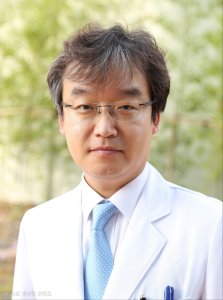
verificado

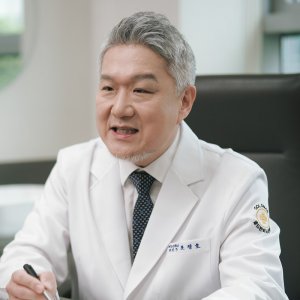
Sohn Dong-wan

31 años de experiencia

El Dr. Son Dong-wan está especializado en oncología urológica, incontinencia urinaria y disfunción sexual. Realiza cirugía prostática con láser. Ofrece tratamiento robótico y laparoscópico para cáncer de próstata, vejiga, uréter y riñón. También trata la obstrucción de la unión pieloureteral.

Su práctica mínimamente invasiva incluye nefrectomía y prostatectomía laparoscópicas. Realiza resección transuretral de tumor vesical y resección transuretral de próstata por cistoscopia. Ofrece ureteroscopia con láser para extracción de cálculos y nefrolitotomía percutánea. Trata la hiperplasia prostática benigna (HPB), prostatitis, litiasis urinaria, cáncer testicular, incontinencia urinaria de esfuerzo (IUE), vejiga hiperactiva (VHA) e infertilidad masculina.

Historias en video de pacientes de Bookimed

Jamie
Bookimed hizo que este viaje médico fuera muy fácil.
Procedimiento: Cirugía de reasignación de sexo
Niculcea
Es un camino difícil, pero no lo recorremos solos. Y eso lo es todo. Gracias de nuevo a Bookimed.
Procedimiento: Terapia con lutecio-177

Compartir contenido

Actualizado: 06/30/2026
Escrito por
Olena Sikoza
Olena Sikoza
Сopywriter en español
Copywriter médica certificada responsable del contenido en español de Bookimed. Más de 7 años de experiencia en redacción sobre salud y turismo médico, con formación académica en edición científica y desarrollo de contenidos.
Fahad Mawlood
Editor médico y Científico de datos
Médico general. Ganador de 4 premios científicos. Sirvió en Asia Occidental. Es el ex jefe del equipo médico que soporta a pacientes de habla árabe. Ahora es responsable del procesamiento de datos y la precisión del contenido médico.
Fahad Mawlood Linkedin
Esta página puede incluir información relacionada con diversas afecciones médicas, tratamientos y servicios de salud disponibles en diferentes países. Tenga en cuenta que el contenido se proporciona sólo con fines informativos y no debe interpretarse como asesoramiento médico o orientación. Por favor consulte con su médico o con un profesional médico calificado antes de comenzar o cambiar el tratamiento médico.

Preguntas frecuentes sobre Litotricia láser en Corea del Sur

Estas preguntas frecuentes provienen de pacientes reales que buscan atención médica a través de Bookimed. Las respuestas son proporcionadas por coordinadores médicos experimentados y representantes autorizados de las clínicas.

Is laser lithotripsy in the Republic of Korea safe, and what are the potential complications?

Laser lithotripsy in the Republic of Korea is exceptionally safe, with stone-free success rates reaching 98.9%. Accredited facilities like NAEUN HOSPITAL and Gibbeum General Hospital use minimally invasive ureteroscopy to break down stones without incisions. This ensures high safety standards and rapid recovery.

  • Safety certifications: KOIHA-accredited clinics meet rigorous international standards for surgical quality and patient safety.
  • Expert specialists: Doctors like Dr Sohn Dong-wan at NAEUN HOSPITAL specialise in advanced endoscopic stone removal.
  • Common side effects: Patients may experience minor blood in urine or stinging during urination for a few days.
  • Stent discomfort: Temporary ureteral stents can cause bladder spasms or flank pain during the recovery phase.
  • Technological precision: Surgeons use high-resolution imaging and low-dose CT scans to precisely target and fragment stones.

Bookimed Expert Insight: While many AU patients focus on surgeons, the KOIHA accreditation in Korea is the real safety benchmark. It requires clinics to pass strict government checks. These often exceed international baseline standards, making it a reliable signal for high-quality urological care.

Patient Consensus: Patients in the Republic of Korea find the procedure quick and manageable, though temporary stent discomfort remains the most noted part of recovery. Most suggest staying near the clinic for the first few days and confirm the importance of knowing infection warning signs before travelling home.

What is the success rate of laser lithotripsy for kidney stones in the Republic of Korea?

Laser lithotripsy in the Republic of Korea achieves a success rate between 90.2% and 93.5% for total stone clearance. Specialists in Seoul and Incheon use holmium lasers and flexible ureteroscopy to treat stones larger than 10 mm. It is more effective than traditional shockwave therapy.

  • Stone clearance: Success rates reach 96.9% for urinary stones located below the pelvic brim.
  • Clinical volume: Major centres like NAEUN HOSPITAL treat 500,000 patients annually with advanced urology units.
  • Advanced techniques: Dr Sohn Dong-wan specialises in ureteroscopic laser removal and robotic surgery at NAEUN HOSPITAL.
  • Hospital stay: Patients typically require 2 days in hospital for monitoring and initial recovery.
  • Treatment options: Clinics provide percutaneous nephrolithotomy (PCNL) and laser lithotripsy for complex, hard stones.

Bookimed Expert Insight: While many centres focus on throughput, Gibbeum General Hospital in Seoul offers comprehensive pre-op screening packages for A$1,900. These include 3D CT scans and urologist consultations to map stone density before surgery. This level of detail helps surgeons choose the exact laser frequency needed for 90%+ clearance.

Patient Consensus: Patients report that ureteroscopy with laser provides the best results for the least pain compared to other methods. Recovery often involves a temporary stent and minor bleeding, but most stones are cleared in one session.

What can I expect after laser lithotripsy in Korea, and how long does recovery take?

Laser lithotripsy in Korea typically results in a rapid recovery. Most patients return home the same day. Full recovery usually takes 3 to 5 days. Specialists use minimally invasive ureteroscopy to break stones. This allows most individuals to return to light work within 24 to 48 hours.

  • Hospital stay: Most patients undergo outpatient surgery and leave hospital on the same day.
  • Stent management: Surgeons often place a temporary ureteral stent to assist with urine flow.
  • Physical activity: Avoid strenuous exercise and heavy lifting for at least 1 to 2 weeks.
  • Hydration needs: Drinking 2 to 3 litres of water daily helps flush out stone fragments.
  • Follow-up care: Stent removal usually occurs in a clinic setting within 5 to 14 days.

Bookimed Expert Insight: Korean urologists often perform 1,000+ endoscopic procedures annually. This high volume leads to precise stent placement. Patients benefit from updated laser technology that reduces tissue trauma. This often leads to shorter hospital stays compared to traditional methods.

Patient Consensus: Patients in Korea report feeling immediate relief from stone pain. They often find the medical staff very efficient during discharge. The clear instructions on hydration and stent care support a smooth transition home.

How long does laser lithotripsy take to perform in the Republic of Korea?

Laser lithotripsy in the Republic of Korea usually takes 30–60 minutes to perform under general anaesthesia. This minimally invasive procedure often involves flexible ureterorenoscopy. It allows most patients same-day discharge within 1–2 hours of finishing their surgery.

  • Operation duration: Most surgeons complete the actual laser stone removal within 30–60 minutes.
  • Total hospital time: Expect 2–3 hours total for pre-operative preparation and post-surgical recovery.
  • Same-day discharge: Most facilities prioritise outpatient care, letting patients return home the same day.
  • In-patient care: Some packages at centres like Gibbeum General Hospital include a 2-day stay.

Bookimed Expert Insight: While the surgery is fast, Seoul clinics often perform comprehensive pre-operative testing. This includes 3D CT scans and blood tests. Dr. Yoon Sik Kang at Gibbeum General Hospital includes these in all-inclusive packages. This allows precise stone localisation before the 30-minute laser procedure.

Patient Consensus: The operation is quick and efficient. Patients often leave the hospital within an hour of waking up. Many suggest checking if a stent is required. This impacts comfort more than the short surgery time in Korea.

What is laser lithotripsy, and how is it performed in the Republic of Korea?

Laser lithotripsy is a minimally invasive procedure. It uses concentrated laser energy to fragment kidney, bladder, or ureteral stones. Surgeons in the Republic of Korea perform this with high-resolution ureteroscopes inserted through the urethra. They shatter stones into dust without incisions while patients are under general anaesthesia.

  • Ureteroscopic approach: Specialists pass flexible scopes through natural openings, avoiding external surgical cuts.
  • Laser fragmentation: Holmium or Thulium lasers break stones into tiny pieces for natural passage.
  • Basket retrieval: Surgeons use tiny Dormia baskets to remove larger fragments during the procedure.
  • Stent placement: Temporary tubes ensure ureteral drainage and prevent blockage from post-operative swelling.

Bookimed Expert Insight: South Korean university hospitals often quote A$8,300 to A$13,800. However, specialised centres like Gibbeum General Hospital offer targeted packages around A$1,900. These lower-cost options often include comprehensive 3D CT imaging and 2 nights of hospital monitoring. This is vital because Australian patients may experience stent-related urgency shortly after discharge.

Patient Consensus: Expect the first urination to sting and some blood in the urine, but these symptoms usually fade after 24 hours. Staying well-hydrated helps manage stent discomfort before the quick removal procedure in the Republic of Korea.

Why choose the Republic of Korea for laser lithotripsy?

The Republic of Korea attracts patients for laser lithotripsy due to JCI-accredited facilities and KOIHA-certified standards. Specialists like Dr Sohn Dong-wan at Naeun Hospital use flexible ureteroscopy and holmium lasers. These minimally invasive techniques offer precise stone removal, faster recovery, and high success rates.

  • Advanced technology: Clinics use thulium fibre lasers for efficient kidney stone fragmentation.
  • Expert specialists: Surgeons at Naeun Hospital manage 500,000 patients annually with specialised urology units.
  • Integrated diagnostics: Facilities provide one-stop services with low-dose CT and high-resolution imaging.
  • Proven volume: Gibbeum General Hospital has performed over 150,000 endoscopy procedures since 2005.

Bookimed Expert Insight: While basic laser lithotripsy packages at clinics like Gibbeum General Hospital start around A$1,900, this often covers only diagnostic screenings and consultations. Patients should budget for a 2-day hospital stay. The most efficient clinics in Seoul bundle 3D CT scans and blood tests into the initial surgical framework.

Patient Consensus: Success rates are high for removing 7 mm stones in a single session. Patients appreciate the clear communication via KakaoTalk and the value of bundled post-operative medications.

Which are the best clinics for laser lithotripsy in the Republic of Korea?

Top clinics for laser lithotripsy in the Republic of Korea include Gibbeum General Hospital in Seoul. NAEUN HOSPITAL in Incheon is another top choice. These KOIHA-accredited facilities specialise in minimally invasive ureteroscopic laser stone removal. Specialists use Holmium lasers to fragment kidney stones without incisions, typically requiring a 2-day hospital stay.

  • Gibbeum General Hospital: a Seoul centre serving international patients from 56 countries, with KOIHA accreditation.
  • NAEUN HOSPITAL: a large facility in Incheon treating 500,000 patients annually with urology departments.
  • Specialist expertise: Dr Sohn Dong-wan at NAEUN HOSPITAL performs complex ureteroscopic laser stone removal.
  • Technology: Centres use low-dose CT and high-resolution imaging for precise stone localisation.

Bookimed Expert Insight: While large university hospitals are prestigious, specialised general hospitals like NAEUN HOSPITAL handle massive patient volumes. They treat 500,000 patients annually. This high-frequency environment often leads to streamlined pathways for routine laser lithotripsy. This helps international patients secure theatre dates and specialist consultations. They secure these much faster than at major academic centres.

Pedir una consulta gratis

Seleccione la mejor manera de contactarle