

Ir a inicio
820К+ pacientes han recibido asistencia desde 2014
50 países
1,500 clínicas
6K+ reseñas
3K+ médicos calificados

¿Cuál es el precio de Colecistectomía robótica en Corea del Sur? Descubra ahora

El precio promedio de Colecistectomía robótica en Corea del Sur es de $13,101, el precio mínimo es de $10,208, y el precio máximo es de $15,993.
Datos verificados por Bookimed a partir de July 2026, basados en solicitudes de pacientes y cotizaciones oficiales de 7 clínicas en todo el mundo. Los costos medianos se basan en facturas reales (2025–2026) y se actualizan mensualmente. Los precios reales pueden variar.

Sus beneficios y garantías con Bookimed

Precios directos

Bookimed no añade cargos adicionales a los precios de Colecistectomía robótica. Las tarifas proceden de las listas de precios oficiales de las clínicas. Pagará directamente en la clínica por su Colecistectomía robótica a su llegada al país.

Sólo clínicas y médicos verificados

Bookimed está comprometido con su seguridad. Solo trabajamos con las clínicas que mantienen altos estándares internacionales en Colecistectomía robótica y tienen las licencias necesarias para atender a pacientes internacionales en todo el mundo.

Asistencia 24/7 gratuita

Bookimed ofrece asistencia experta gratuita. Un coordinador médico personal le apoya antes, durante y después del tratamiento, resolviendo cualquier problema. Nunca estará solo en su viaje médico de Colecistectomía robótica.

¿Por qué nosotros?

Su coordinador médico personal de Bookimed

  • Le apoya en cada etapa
  • Ayuda a elegir la clínica y el médico adecuados
  • Asegura un acceso rápido y conveniente a la información

No se pierda estas ofertas exclusivas de Colecistectomía robótica en Corea del Sur en julio 2026

Colecistectomía robótica

Corea del Sur, Seúl

Yoon Sik Kang

36 años de experiencia
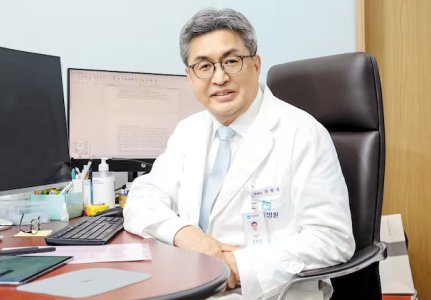
  • Yoon Sik Kang es un cirujano de renombre mundial y pionero en su campo, con más de 40 000 intervenciones quirúrgicas a sus espaldas.
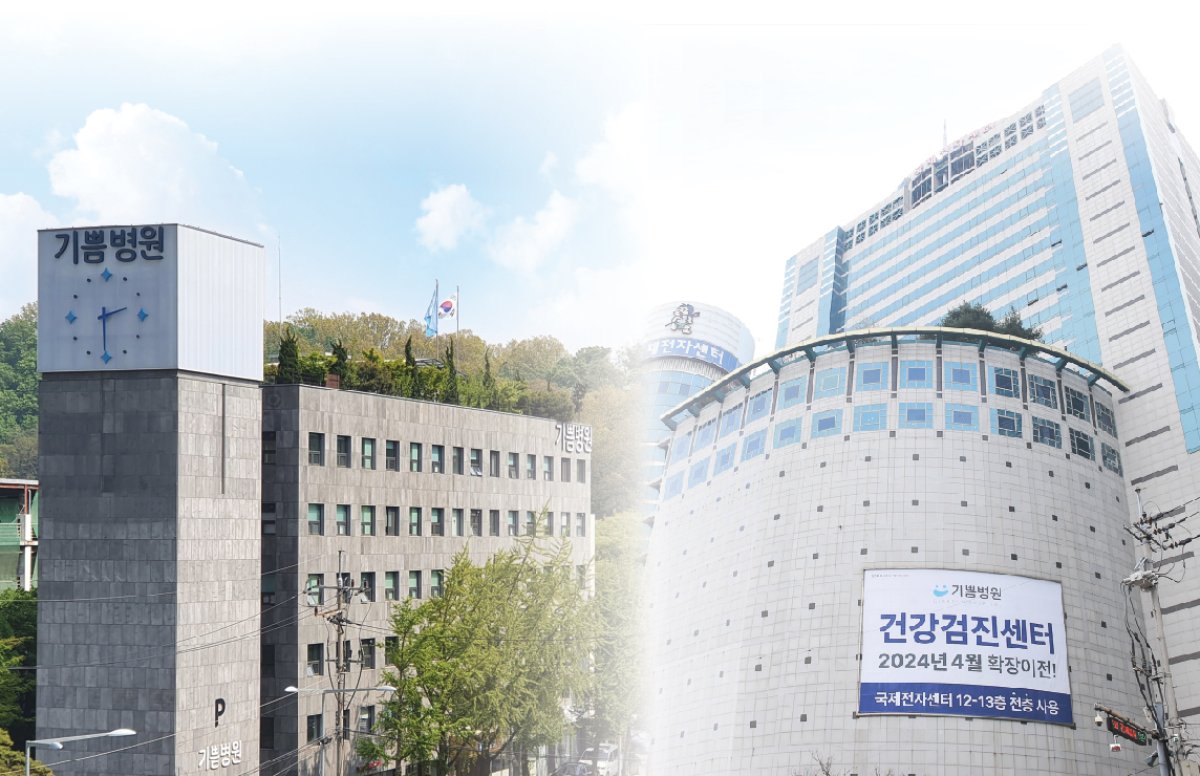
  • El Hospital General de Gibbeum atiende a pacientes internacionales procedentes de 56 países y cuenta con la acreditación de la KOIHA.
  • Servicios incluidos: análisis de sangre, consultas con un gastroenterólogo y un cirujano, y biopsia.
  • Información sobre la estancia: 3 días de hospitalización y 14 días de estancia en hotel; el alojamiento no está incluido en el precio.

Descripción general de Colecistectomía robótica en Corea del Sur

Conclusiones
Procedimientos relacionados y Precios
Cómo funciona
Ventajas
Pago
pacientes lo recomiendan -
85%
Solicitudes en curso - 9886
Comisiones de Bookimed - $0

Historias en video de pacientes de Bookimed

Valentina
Viajar desde España a Estambul para una liposucción fue una experiencia que cambió mi vida.
Procedimiento: Liposucción
Randolph
Mantente fuerte, bien informado y nunca subestimes el poder de los tratamientos de vanguardia y un buen sistema de apoyo.
Procedimiento: Radioembolización para el cáncer de hígado
Vladimir Kondratyuk • Colitis ulcerosa
Federación de Rusia
5 jun 2019
Reseña verificada.
Todo está en el nivel, personal, médicos, servicio, etc
Todo es bueno e incluso excelente, solo caro. Todo está al nivel, personal, médicos, servicio, etc. De las cámaras propuestas era por 500 pavos al día. Los trámites tampoco son baratos, pero todo es de calidad y rápido, la gente sabe qué y cómo hacer.

Compartir contenido

Actualizado: 06/05/2019
Escrito por
Olena Sikoza
Olena Sikoza
Сopywriter en español
Copywriter médica certificada responsable del contenido en español de Bookimed. Más de 7 años de experiencia en redacción sobre salud y turismo médico, con formación académica en edición científica y desarrollo de contenidos.
Fahad Mawlood
Editor médico y Científico de datos
Médico general. Ganador de 4 premios científicos. Sirvió en Asia Occidental. Es el ex jefe del equipo médico que soporta a pacientes de habla árabe. Ahora es responsable del procesamiento de datos y la precisión del contenido médico.
Fahad Mawlood Linkedin
Esta página puede incluir información relacionada con diversas afecciones médicas, tratamientos y servicios de salud disponibles en diferentes países. Tenga en cuenta que el contenido se proporciona sólo con fines informativos y no debe interpretarse como asesoramiento médico o orientación. Por favor consulte con su médico o con un profesional médico calificado antes de comenzar o cambiar el tratamiento médico.

Preguntas frecuentes sobre Colecistectomía robótica en Corea del Sur

Estas preguntas frecuentes provienen de pacientes reales que buscan atención médica a través de Bookimed. Las respuestas son proporcionadas por coordinadores médicos experimentados y representantes autorizados de las clínicas.

How successful are robotic cholecystectomy procedures in Korean hospitals?

Robotic cholecystectomy in Republic of Korea achieves clinical success rates of at least 95%. Leading Seoul institutions use platforms like the Hugo RAS and locally developed Revo-i systems. These technologies provide 3D visualisation and tremor filtration for precise gallbladder removal with minimal complications.

  • Technological precision: Robotic systems offer 3D high-definition views and enhanced manual dexterity for dissection.
  • Surgical experience: Surgeons like Dr Yoon Sik Kang have performed over 40,000 successful surgical procedures.
  • Accredited facilities: Gibbeum General Hospital holds Korean Institute for Healthcare Accreditation (KOIHA) status for safety.
  • Recovery timeframe: Procedures typically require a 3-day hospital stay for monitoring and immediate post-operative care.

Bookimed Expert Insight: While robotic surgery often involves higher equipment costs, Korean hospitals maintain competitive pricing. All-inclusive packages at KOIHA-accredited centres like Gibbeum General Hospital bundle preoperative biopsies and specialist consultations. This streamlined approach means patients receive comprehensive diagnostic staging before the robotic system is deployed.

Patient Consensus: Patients value the high-resolution imaging and precision that robotic systems provide during complex dissections. Many find the structured three-day hospital stay in South Korea provides essential support. This support helps during early recovery.

Is robotic cholecystectomy in Korea safe for complicated gallbladder cases, such as cancer?

Robotic cholecystectomy in South Korea is safe and effective for complicated gallbladder cases. Specialists use the da Vinci system to perform complex lymph node dissections and liver resections for cancer. High-volume Seoul clinics hold KOIHA accreditation. This means strict safety standards for international patients.

  • Oncologic safety: Studies show robotic techniques deliver similar cancer outcomes to traditional open surgery.
  • Reduced trauma: Patients experience lower blood loss and fewer complications than with open abdominal surgery.
  • Enhanced vision: Surgeons use 3D high-resolution imaging to navigate severe inflammation or suspected malignancy.
  • Fast recovery: Robotic systems allow for smaller incisions, typically requiring only 3 days in hospital.

Bookimed Expert Insight: While many centres focus on gallstones, Gibbeum General Hospital features surgeons with 40,000+ operations. This extreme volume and the use of no-stitch skin closure mean patients often shower the next day. Choosing such high-volume specialists is vital for complex cancer staging.

Patient Consensus: Patients report that cosmetic outcomes are excellent with barely noticeable scars. They recommend verifying that the chosen surgeon specialises in cancerous cases rather than just standard gallbladder removals.

What are the main benefits of choosing robotic cholecystectomy in Korea?

Robotic cholecystectomy in Korea offers superior 3D visualisation and precision for complex gallbladder removals. Surgeons use articulated robotic wrists with 540-degree movement to navigate tight spaces. Patients benefit from shorter hospital stays, reduced complication risks, and no-stitch closures that allow showering the next day.

  • Visualisation: Da Vinci systems provide 3D high-definition views to protect the bile duct.
  • Complex case management: Enhanced dexterity helps treat acute inflammation or Mirizzi syndrome safely.
  • Faster recovery: No-stitch skin closure techniques let patients return home sooner.
  • Safety standards: Facilities like Gibbeum General Hospital hold KOIHA accreditation, mirroring Australian hospital standards.
  • Expert surgical volume: Surgeons like Dr Yoon Sik Kang have performed over 40,000 procedures.

Bookimed Expert Insight: Korean clinics provide a unique one-stop approach for international patients. Facilities like Gibbeum General Hospital offer same-day gastroscopy and colonoscopy alongside gallbladder consultations. This efficiency is rare in Australia. It helps patients complete all diagnostic screenings in one visit.

Patient Consensus: Patients find that resuming a normal diet takes three to four weeks. A common tip is managing post-operative gas pain by rotating the hips while lying down. Using alternating doses of simple pain relief helps during the first few days. South Korea provides a very smooth experience for English-speaking travellers.

How long is the hospital stay for robotic cholecystectomy in Korea?

Hospital stay for robotic cholecystectomy in Korea typically ranges from 1 to 3 days. Most uncomplicated cases involve a single overnight stay or same-day discharge. Specialised centres like Gibbeum General Hospital offer comprehensive packages including a 3-day clinical stay for monitoring.

  • Clinical stay: Standard packages often include a 3-day hospitalisation period.
  • Efficiency: Some patients qualify for day surgery with discharge inside 12 hours.
  • Quality standards: Korean hospitals maintain strict safety protocols through KOIHA accreditation.
  • Recovery period: Patients usually resume light physical activities within 2 to 3 days.

Bookimed Expert Insight: While many centres advertise day-case surgery, leading Seoul clinics often include a 3-day stay. This lets surgeons like Dr Yoon Sik Kang monitor recovery closely. The extra time allows for better pain management before patients return to hotels.

Patient Consensus: Expect an overnight stay for most robotic surgeries in Korea. Most people feel ready for light activities within a few days of discharge. Normal eating usually returns within 3 or 4 weeks following the procedure.

How long does a robotic cholecystectomy procedure in Korea take?

Robotic cholecystectomy in the Republic of Korea typically takes between 55 and 115 minutes. This covers the surgical phase. The entire hospital process covers approximately 5 hours. This includes robotic docking, setup, and console time. During this time, specialists remove the gallbladder through tiny incisions.

  • Surgical duration: Active theatre time varies based on case complexity and robotic setup requirements.
  • Console time: Surgeons spend 17 to 60+ minutes. They perform the precise removal using robotic arms.
  • Total hospital time: Preparing for surgery through to initial recovery takes around 5 hours. This is typical in Seoul.
  • Clinic options: Facilities like Gibbeum General Hospital specialise in these minimally invasive robotic procedures.
  • Clinical experience: Specialists such as Dr Yoon Sik Kang have performed over 40,000 surgeries.

Bookimed Expert Insight: Robotic surgery takes slightly longer than standard laparoscopic methods. However, Korean KOIHA-accredited clinics deliver faster turnaround. Patients can often secure surgery within 1 week of initial contact. This is significantly faster than the 6-month waits common in Australia's public health system.

Patient Consensus: Patients report that walking helps manage post-operative gas pain under the ribs. Most return to desk-based work within 1 to 2 weeks. They avoid heavy lifting for longer.

What robotic systems are used for cholecystectomy in Korea?

South Korean surgeons perform robotic cholecystectomy using the international da Vinci Surgical System. They also use the locally developed Revo-i platform. These systems allow for single-site or multi-port surgery. Leading facilities specialise in these minimally invasive gallbladder removals. One example is the KOIHA-accredited Gibbeum General Hospital in Seoul.

  • Dominant system: The da Vinci platform remains the primary choice for precise three-dimensional imaging.
  • Local innovation: The Revo-i multiport system is a Korean-made alternative used for reduced-port surgeries.
  • Specialist expertise: Dr Yoon Sik Kang has performed over 40,000 surgeries at Gibbeum General Hospital.
  • Clinical safety: Both platforms provide 3D high-resolution imaging to assist in safer gallbladder removal.

Bookimed Expert Insight: South Korea is a unique hub for robotic surgery. Patients can access the homegrown Revo-i system alongside the standard da Vinci platform. This competition helps keep costs down. Robotic cholecystectomy starts from $10,200, which is competitive for high-technology surgery.

Patient Consensus: Patients report that post-operative gas pain is manageable with light walking. They typically return to eating solid foods like Korean BBQ. This usually happens within 3 to 4 weeks in Korea.

Pedir una consulta gratis

Seleccione la mejor manera de contactarle