Tratamiento de Anemia hemolítica en España — obtenga 3 coincidencias personalizadas de clínicas


Revisado médicamente por
Fahad Mawlood
Cómo funciona
¿Cuál es el precio del diagnóstico y los tratamientos de Anemia hemolítica en España? Descubra ahora
Descubra las mejores clínicas de tratamiento de Anemia hemolítica en España: 3 opciones verificadas y Precios



Hospital Sant Joan de Déu Barcelona




Compartir contenido
Historias en video de pacientes de Bookimed
 Olena Sikoza
Preguntas frecuentes sobre el tratamiento de Anemia hemolítica en España
¿La anemia hemolítica leve siempre se trata de inmediato?
La anemia hemolítica leve rara vez se trata de inmediato si el cuerpo compensa la pérdida de glóbulos rojos. Los hematólogos españoles priorizan la vigilancia activa para pacientes asintomáticos. La intervención inmediata se reserva para caídas rápidas de hemoglobina o desencadenantes como la toxicidad por fármacos e infecciones que interrumpen la producción de células sanguíneas.
- Hemólisis compensada: La médula ósea compensa la destrucción de glóbulos rojos, manteniendo niveles estables de hemoglobina sin medicación.
- Monitoreo diagnóstico: Las pruebas incluyen recuento de reticulocitos, bilirrubina y haptoglobina para seguir la progresión de la enfermedad.
- Condiciones hereditarias: La talasemia leve o la esferocitosis hereditaria a menudo requieren observación de por vida en lugar de cirugía.
- Identificación de desencadenantes: Suspender un medicamento causante a menudo sirve como tratamiento principal para los casos inducidos por fármacos.
Perspectiva del experto de Bookimed: España ocupa el cuarto lugar a nivel mundial en solicitudes de hematología, con centros como el Hospital Ruber Internacional que cuentan con acreditación JCI. Los datos muestran que estas clínicas de primer nivel enfatizan el diagnóstico molecular sobre el uso inmediato de esteroides. Este enfoque ayuda a evitar efectos secundarios innecesarios por la inmunosupres
¿Cuáles son los tratamientos de primera línea para la anemia hemolítica autoinmune (AHAI)?
El tratamiento de primera línea para la anemia hemolítica autoinmune (AHAI) en España se centra en corticosteroides como la prednisona para la AHAI por anticuerpos calientes. Este protocolo estándar logra tasas de respuesta del 70% al 85%. La enfermedad por aglutininas frías requiere enfoques diferentes. Los médicos se centran en la inmunosupresión, los cuidados de apoyo y las modificaciones del estilo de vida para estabilizar los niveles de hemoglobina.
- Terapia con esteroides: Los pacientes suelen recibir de 1 a 1,5 mg/kg de prednisona al día para suprimir los autoanticuerpos.
- Reducción gradual: Los médicos reducen los esteroides durante 4 a 12 meses para prevenir la recaída de la enfermedad.
- Anticuerpos monoclonales: El rituximab se utiliza para los subtipos por anticuerpos fríos o casos graves de AHAI por anticuerpos calientes.
- Suplementos de apoyo: El ácido fólico diario mantiene la producción de glóbulos rojos durante la hemólisis activa.
Perspectiva del experto de Bookimed: España se encuentra entre los 4 principales destinos mundiales para la atención especializada en Bookimed. Clínicas como Ruber Internacional y SJD Barcelona mantienen clasificaciones de JCI y Newsweek. Esta alta densidad de instalaciones clasificadas a nivel mundial significa que los pacientes tienen acceso a ensayos clínicos. Quironsalud Madrid ofrece específi
¿Qué sucede si los corticosteroides no logran la remisión?
Si los corticosteroides no logran la remisión en la anemia hemolítica, los pacientes se consideran refractarios a los esteroides. Los hematólogos españoles pasan entonces a terapias de segunda línea como el rituximab o la esplenectomía. Estos tratamientos tienen como objetivo detener la destrucción de glóbulos rojos y estabilizar eficazmente los niveles de hemoglobina.
- Terapia con rituximab: Este anticuerpo monoclonal se dirige a las células B para reducir la producción de autoanticuerpos.
- Esplenectomía: La extirpación quirúrgica del bazo evita que destruya glóbulos rojos sanos.
- Inmunosupresores: Medicamentos como la azatioprina o la ciclosporina pueden utilizarse como opciones alternativas.
- Ensayos clínicos: Los principales centros españoles ofrecen acceso a investigación molecular innovadora y nuevos fármacos.
Perspectiva del experto de Bookimed: La atención sanitaria española ocupa un lugar destacado a nivel mundial, y clínicas como Quironsalud Madrid o SJD Barcelona integran la investigación directamente en la atención. Mientras que muchos centros más pequeños dependen de protocolos estándar, estas instituciones de primer nivel a menudo brindan un acceso más temprano a la medicina molecular avanzada. Esto es particularmente vital para los casos pediátricos en SJD Barcelona, que atiende a 450.000 pacientes al año y lidera el desarrol
¿Necesitaré una biopsia de médula ósea?
Una biopsia de médula ósea no es automática para la anemia hemolítica. Los médicos en España la utilizan cuando los análisis de sangre por sí solos no pueden explicar una hemoglobina baja. Ayuda a descartar trastornos primarios de la médula. El procedimiento dura aproximadamente de 10 a 12 minutos en un entorno ambulatorio.
- Criterios de diagnóstico: Se utiliza si los laboratorios muestran recuentos de células sanguíneas inexplicablemente altos o bajos.
- Sitio del procedimiento: Los cirujanos generalmente recolectan una muestra de tejido sólido del hueso de la cadera.
- Comodidad del paciente: Los anestésicos locales adormecen el área para evitar un dolor agudo durante la inserción.
- Intención clínica: Los especialistas utilizan los resultados para evaluar las reservas de hierro o verificar si hay infecciones.
Perspectiva del experto de Bookimed: España ocupa el cuarto lugar a nivel mundial en nuestra red para solicitudes de hematología, con centros como Quironsalud Madrid liderando en volumen anual de pacientes. Si bien algunas clínicas se centran en la atención de alto volumen, otras como el Hospital Ruber Internacional mantienen la acreditación de la Joint Commission International (JCI) para la seguridad. Esto sugiere que los hematólogos españoles priorizan los protocolos de seguridad procedimental, lo cual es vital para los pacientes que
¿Están disponibles en España terapias avanzadas como la plasmaféresis o los trasplantes de médula ósea?
España ofrece terapias avanzadas como la plasmaféresis y los trasplantes de médula ósea a través de una infraestructura sanitaria altamente sofisticada. Estos procedimientos se realizan de forma rutinaria en centros acreditados por la JCI y hospitales universitarios especializados. Las tasas de éxito de los trasplantes hematológicos en España suelen oscilar entre el 70% y el 90%.
- Modalidades de trasplante: Las clínicas realizan trasplantes autólogos, alogénicos y haploidénticos avanzados.
- Aféresis avanzada: Las redes públicas y privadas proporcionan intercambio plasmático terapéutico y doble filtración.
- Centros especializados: Instalaciones como el SJD Barcelona Children's Hospital lideran en casos pediátricos complejos.
- Centros acreditados: El Hospital Ruber Internacional mantiene rigurosas certificaciones de calidad JCI e ISO.
Perspectiva del experto de Bookimed: España ocupa el cuarto lugar a nivel mundial en nuestra red para solicitudes médicas complejas. Aunque la tecnología es ampliamente accesible, nuestros datos muestran una concentración de experiencia en Madrid y Barcelona. Por ejemplo, Quironsalud Madrid es el centro más grande de su red, mientras que Ruber Internacional atiende a 25.000 pacientes al año. Elegir estos centros de alto volumen es esencial para la anemia hemolítica, ya que la toma de decisiones por parte de espe
¿Cuáles son los mejores hospitales en España reconocidos para el tratamiento de la anemia hemolítica?
España cuenta con centros de hematología de primer nivel como el SJD Barcelona Children's Hospital y Quironsalud Madrid. Estas instituciones ofrecen diagnósticos moleculares y terapias dirigidas para anemias raras. Muchos centros cuentan con la acreditación de la Joint Commission International (JCI). Laboratorios especializados apoyan el tratamiento personalizado de enfermedades autoinmunes y hereditarias.
- Atención pediátrica: SJD Barcelona atiende a 450.000 pacientes al año por trastornos eritrocitarios raros.
- Hematología de adultos: El Hospital Clinic Barcelona es un centro europeo reconocido para la investigación sanguínea.
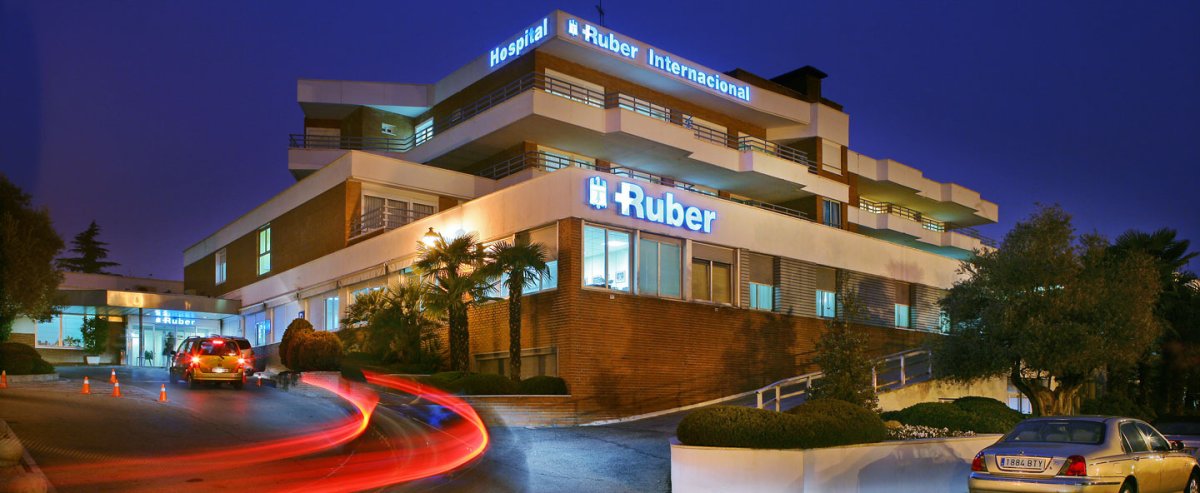
- Centros privados: El Hospital Ruber Internacional mantiene los estándares JCI con más de 40 departamentos.
- Diagnóstico avanzado: Los centros líderes utilizan medicina molecular y estudios genéticos para mayor precisión.
- Ensayos clínicos: Quironsalud Madrid ofrece acceso a estudios de investigación para trastornos sanguíneos complejos.
Perspectiva del experto de Bookimed: El volumen de pacientes a menudo indica dónde encontrar equipos especializados. El SJD Barcelona Children's Hospital trata a 450.000 pacientes anualmente y alberga un Laboratorio de Medicina Molecular dedicado. Este alto volumen permite protocolos de diagnóstico más precisos en comparación con las clínicas generales. Los
¿Pueden los pacientes internacionales encontrar hematólogos que hablen inglés en España?
Los pacientes internacionales encuentran fácilmente hematólogos que hablan inglés en España dentro de las redes hospitalarias privadas de Madrid y Barcelona. Centros importantes como el Hospital Ruber Internacional y Quironsalud Madrid emplean especialistas bilingües. Estas instalaciones proporcionan departamentos internacionales dedicados para gestionar citas en inglés, registros médicos y planes de atención especializados.
- Redes hospitalarias: Quironsalud y HM Hospitales mantienen equipos médicos multilingües dedicados en las principales ciudades.
- Apoyo lingüístico: Los departamentos internacionales proporcionan coordinadores de pacientes para traducción y documentación médica bilingüe.
- Ubicación de la clínica: Madrid y Barcelona ofrecen la mayor concentración de especialistas en hematología que hablan inglés.
- Experiencia pediátrica: El Hospital Infantil SJD de Barcelona atiende a 450.000 pacientes al año con apoyo bilingüe en hematología pediátrica.
Perspectiva del experto de Bookimed: España ocupa el cuarto lugar a nivel mundial en turismo médico en Bookimed. Centros de gran volumen como el Hospital Ruber Internacional atienden a 25.000 pacientes al año. A menudo mantienen la acreditación JCI para garantizar los estándares internacionales de seguridad. Los pacientes deben elegir clínicas con más de 40 departamentos para garantizar u