Fractura de cadera en España: las 9 mejores clínicas para su tratamiento


Revisado médicamente por
Fahad Mawlood
Cómo funciona
¿Cuál es el precio del diagnóstico y los tratamientos de Fractura de cadera en España? Descubra ahora
| España | Turquía | México | |
|---|---|---|---|
| Revisión de artroplastia de cadera | ≈ $13,500 | de $10,000 | ≈ $14,500 |
Descubra las mejores clínicas de tratamiento de Fractura de cadera en España: 9 opciones verificadas y Precios








Dr. Blum’s Biomechanics Center
Evgeniy Blum




Hospital Sant Joan de Déu Barcelona







Obtenga una evaluación médica de tratamiento de Fractura de cadera en España: haga una consulta con 9 médicos experimentados ahora
Ver todos los médicosEvgeniy Blum
Fundador del campo de la SOMATODINÁMICA, un enfoque innovador para la curación musculoesquelética. Evgeniy Blum combina la ciencia y la rehabilitación en su Centro de Biomecánica.
- Inventor galardonado con 62 patentes internacionales en tratamientos médicos
- Dirige el Departamento de Rehabilitación Clínica en la Universidad de la Amistad de los Pueblos de Rusia
- Ha formado a más de 5800 especialistas médicos en rehabilitación avanzada
- Fundó el Instituto de Investigación de Rehabilitación Clínica en 1990

Francisco Aranda Murillo
El Dr. Aranda está especializado en patologías de cadera en Quirónsalud Marbella, con una amplia experiencia desde los Juegos Olímpicos de 1992 y los Campeonatos del Mundo.
- Especializado en traumatología y ortopedia en el Instituto Dexeus
- Miembro de la Sociedad Española de Cirugía de Cadera (Secca)
- Centrado en patologías de cadera y pie
- Traumatólogo en Sociedad Sportclinic Marbella
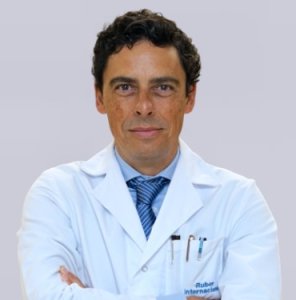
Pablo De La Cuadra
El Dr. Pablo de la Cuadra (Pablo Cuadra de la Virgili) es cirujano ortopédico y traumatólogo en Madrid. Está especializado en lesiones deportivas y cirugía de hombro en el Hospital Ruber Internacional, donde ejerce desde 1999. Cuenta con más de 25 años de experiencia. Dirige una unidad multidisciplinar y un equipo especializado en traumatología. Es un experto reconocido en trastornos complejos del hombro y utiliza técnicas artroscópicas y reconstructivas avanzadas para la inestabilidad y las

Inmaculada Gómez Arrayás
La Dra. Inmaculada Gómez Arrayás es una de las 100 mejores doctoras de España según Forbes. Ejerce como Jefa de Traumatología en el Hospital Ruber Internacional de Madrid. La Dra. Arrayás es pionera en el uso de sistemas de navegación para cirugías precisas de reemplazo articular. Se especializa en procedimientos mínimamente invasivos de cadera y rodilla y en protocolos de recuperación acelerada.
- Posee la certificación ISO 9001 de calidad en cirugías de reemplazo de cadera y rodill
Compartir contenido
Historias en video de pacientes de Bookimed
 Olena Sikoza
Preguntas frecuentes sobre el tratamiento de Fractura de cadera en España
¿Con qué rapidez se realiza la cirugía de fractura de cadera en España?
La cirugía de fractura de cadera en España suele realizarse entre 30 y 58 horas después del ingreso hospitalario. Aunque el procedimiento en sí dura solo de 1 a 2 horas, la preparación administrativa causa la mayor parte de los tiempos de espera. Actualmente, aproximadamente el 50% de los pacientes llegan al quirófano dentro del plazo recomendado de 48 horas.
- Variación regional: Aragón y las Islas Baleares reportan los tiempos de cirugía más rápidos en España.
- Estándar clínico: Los equipos especializados tienen como objetivo operar dentro de las 24-48 horas para prevenir la inmovilidad.
- Retrasos médicos: La estabilización necesaria para afecciones cardíacas o pulmonares a menudo precede a la cirugía.
- Duración quirúrgica: La reparación ortopédica activa generalmente requiere solo de 60 a 120 minutos.
Perspectiva del experto de Bookimed: El sector privado de España ofrece una ventaja de velocidad significativa para la recuperación de fracturas complejas. La Dra. Inmaculada Gómez Arrayás del Hospital Ruber Internacional utiliza protocolos ERAS para una recuperación acelerada. Si bien las esperas regionales públicas varían de 45 a 72 horas, los centros acreditados por la JCI como Teknon o Ruber priorizan la autorización médica inmediata para minimizar las complicaciones por reposo en cama.
Consenso de los pacientes:
¿Qué riesgos postoperatorios deben tener en cuenta los adultos mayores?
Los adultos mayores enfrentan riesgos que incluyen el delirio postoperatorio, que afecta hasta al 50% de los pacientes. Las principales preocupaciones incluyen insuficiencia respiratoria, estrés cardiovascular y tromboembolismo venoso debido a la inmovilidad. Centros españoles especializados como el Hospital Ruber Internacional utilizan protocolos específicos para mitigar estos riesgos y mejorar los resultados de la recuperación.
- Riesgos neurológicos: El delirio causa confusión repentina, mientras que la disfunción cognitiva puede provocar un deterioro de la memoria a largo plazo.
- Estrés cardiopulmonar: La insuficiencia cardíaca y la neumonía siguen siendo frecuentes durante la fase inicial de recuperación intensiva.
- Complicaciones por inmovilidad: El reposo prolongado en cama aumenta el riesgo de coágulos sanguíneos en las venas profundas y úlceras por presión.
- Deterioro funcional: La pérdida muscular acelerada puede comprometer la movilidad a largo plazo y la independencia futura después de la cirugía.
Perspectiva del experto de Bookimed: Los centros ortopédicos españoles enfatizan la prevención especializada de la ETV para contrarrestar los altos riesgos de movilidad en personas mayores. La Dra. Inmaculada Gómez Arrayás del Hospital Ruber Internacional lidera investigaciones clínicas específicamente sobre estos protocolos. Elegir un
¿Cuándo pueden caminar los pacientes después de una cirugía de fractura de cadera en España?
Los pacientes en España suelen comenzar a caminar dentro de las 24 horas posteriores a la cirugía de fractura de cadera. La movilización temprana es un protocolo clínico estándar para prevenir la atrofia muscular. La mayoría de los pacientes dan sus primeros pasos con la ayuda de fisioterapeutas del hospital. Una fijación estable y el control del dolor son esenciales antes de comenzar.
- Movimiento inmediato: Los cirujanos fomentan la bipedestación y los traslados cortos dentro de las primeras 48 horas.
- Caminar en el hospital: Los pacientes practican traslados de la habitación al baño durante una estancia de 3 a 5 días.
- Ayudas para caminar: La mayoría de las personas requieren un andador mecánico o barras paralelas inicialmente.
- Reglas de carga de peso: Los cirujanos determinan si los pacientes utilizan métodos de carga parcial o total.
- Cronograma de recuperación: La marcha independiente sin muletas ni bastones suele ocurrir en la semana 12.
Perspectiva del experto de Bookimed: Centros españoles como el Hospital Ruber Internacional y el Centro Médico Teknon se centran en técnicas quirúrgicas que permiten la carga de peso inmediata. Especialistas como la Dra. Inmaculada Gómez Arrayás suelen utilizar sistemas de navegación pioneros para garantizar una colocación precisa de la articulación. Esta precisión permite a
¿Cuánto tiempo duran la recuperación completa y la rehabilitación?
La recuperación completa de una fractura de cadera en España suele durar de 6 a 12 meses. Los pacientes generalmente reanudan la marcha básica en un plazo de 6 a 12 semanas. La atención hospitalaria aguda dura aproximadamente de 1 a 2 semanas. La rehabilitación estructurada comienza de inmediato para restaurar la movilidad y prevenir complicaciones.
- Movilidad inicial: La fisioterapia temprana comienza dentro de las 2 a 6 semanas.
- Curación ósea: La consolidación ósea estándar generalmente requiere de 6 a 12 semanas.
- Actividades normales: Reanudar las rutinas diarias toma aproximadamente 12 semanas.
- Funcionalidad completa: La fuerza muscular y el equilibrio continúan mejorando durante 1 a 2 años.
Perspectiva del experto de Bookimed: Centros españoles líderes como el Hospital Ruber Internacional utilizan protocolos ERAS para acelerar la recuperación. La Dra. Inmaculada Gómez Arrayás introdujo estos programas para reducir las estancias hospitalarias. Nuestros datos muestran que los centros especializados en Marbella también ofrecen rehabilitación biomecánica. Estos programas utilizan métodos patentados exclusivos para activar los procesos de regeneración natural. Este enfoque es especialmente eficaz para atletas de alto rendimiento que buscan un regreso más rápido al deporte.
Consenso de los pacientes: Los pacientes
¿Qué tipo de anestesia se utiliza para la reparación de fracturas de cadera en España?
Los hospitales españoles utilizan anestesia espinal para aproximadamente el 90% de las reparaciones de fracturas de cadera. Las directrices de la Sociedad Española de Anestesiología favorecen este enfoque neuraxial. Reduce los riesgos de insuficiencia respiratoria y ayuda a la recuperación. Los cirujanos sustituyen la anestesia general si los pacientes toman anticoagulantes actualmente.
- Anestesia neuraxial: La mayoría de los casos españoles utilizan bloqueos espinales para adormecer de la cintura para abajo.
- Anestesia general: Se utiliza como alternativa si los anticoagulantes impiden inyecciones espinales seguras.
- Bloqueos nerviosos periféricos: Los cirujanos suelen añadir bloqueos PENG o de fascia ilíaca para un alivio inmediato del dolor.
- Manejo multimodal: Los enfoques combinados minimizan el uso de opioides y mejoran la movilidad temprana de los pacientes.
Perspectiva del experto de Bookimed: Los indicadores de calidad para la cirugía ortopédica en España son excepcionalmente altos. El Hospital Ruber Internacional mantiene la certificación ISO 9001 específicamente para protocolos de reemplazo de cadera. La Dra. Inmaculada Gómez Arrayás lidera en Ruber equipos que utilizan vías de Recuperación Intensificada Después de la Cirugía (ERAS). Estos protocolos a menudo priorizan la anestesia regional para que los pacientes caminen más rápi
¿Cuánto dura la estancia hospitalaria típica tras una cirugía de fractura de cadera?
Los pacientes suelen permanecer en un hospital español de 3 a 7 días después de una cirugía de fractura de cadera. El alta se produce una vez que el dolor es manejable y se confirma la estabilidad médica. Los protocolos de movilización temprana y los hitos exitosos en la fisioterapia son esenciales para abandonar el centro de forma segura.
- Requisito de movilidad: Los pacientes deben ser capaces de ponerse de pie y caminar distancias cortas con dispositivos de asistencia.
- Control del dolor: La transición a medicamentos orales debe controlar eficazmente las molestias quirúrgicas.
- Momento de la cirugía: Las intervenciones realizadas en las primeras 48 horas reducen significativamente la duración total de la estancia hospitalaria.
- Planificación del alta: Confirmar la plaza de rehabilitación o la logística de los cuidados domiciliarios evita retrasos innecesarios en el ingreso.
Perspectiva del experto de Bookimed: Aunque las estancias agudas son breves, los centros españoles como el Hospital Ruber Internacional y el Centro Médico Teknon se centran mucho en los sistemas de navegación especializados. Estas tecnologías suelen conducir a una colocación más precisa de los implantes. Nuestros datos muestran que las clínicas que utilizan estos sistemas suelen informar de menos ajustes mecánicos, lo que ayuda a los pacientes a alcanzar los hitos de
¿Se proporcionan tratamientos de fortalecimiento óseo después de la cirugía?
Los centros ortopédicos españoles proporcionan habitualmente tratamientos de fortalecimiento óseo tras una cirugía de cadera para acelerar la curación y prevenir futuras fracturas. Los equipos especializados en instalaciones acreditadas por la JCI suelen combinar la terapia farmacológica con una rehabilitación avanzada. Los cirujanos suelen recetar calcio y vitamina D junto con agentes anabólicos de formación ósea o medicamentos antirresortivos.
- Tipos de medicamentos: Los médicos utilizan bisfosfonatos o denosumab para aumentar eficazmente la densidad mineral ósea.
- Agentes anabólicos: La teriparatida y el romosozumab estimulan la formación de hueso nuevo para tiempos de recuperación más rápidos.
- Enfoque de rehabilitación: La atención postoperatoria incluye fisioterapia dirigida para estimular la remodelación ósea natural.
- Técnicas especializadas: Expertos como el Dr. Evgeniy Blum utilizan métodos biomecánicos patentados para la renovación de tejidos.
Perspectiva del experto de Bookimed: Los datos sanitarios españoles revelan una clara división entre los centros quirúrgicos agudos y los centros de rehabilitación dedicados. Mientras que los grandes hospitales como el Hospital Ruber Internacional manejan la reconstrucción compleja, los centros especializados como el Centro de Biomecánica del Dr. Blum se centran exclusivamente en la recuper