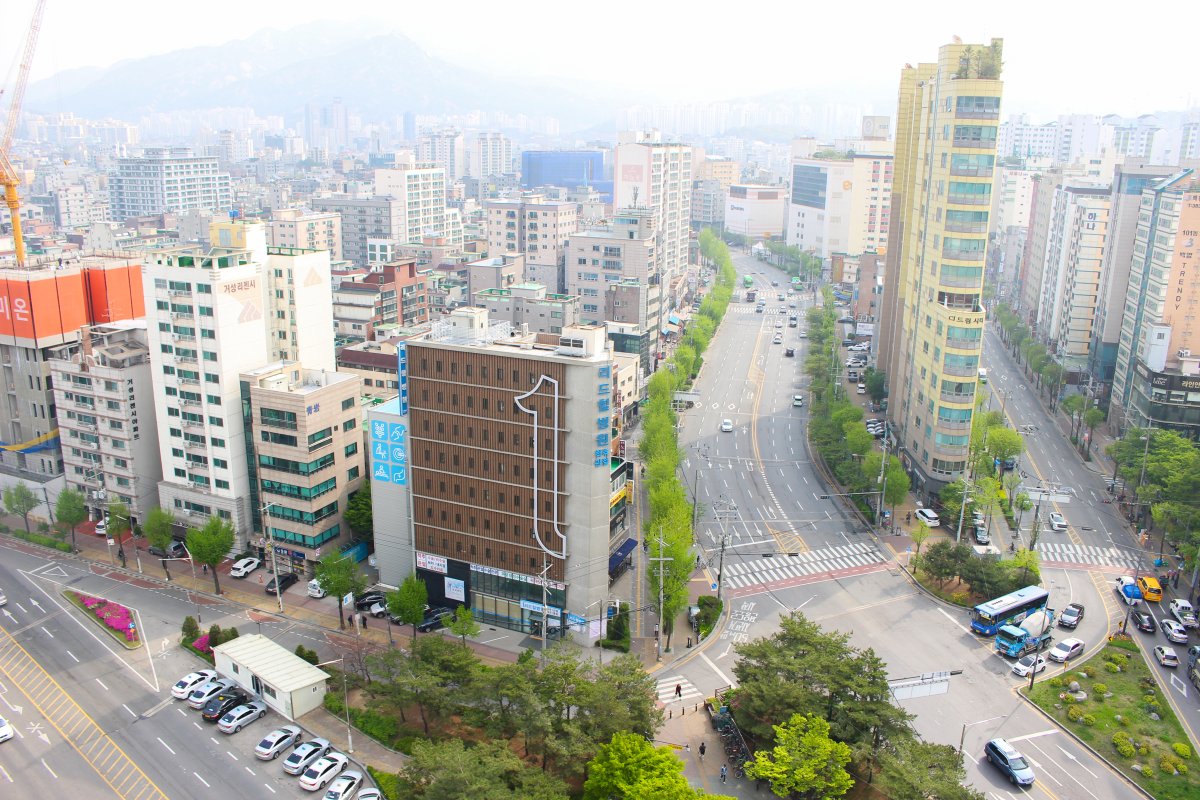
Clínica de columna y articulaciones Leadheal
Corea del Sur, Seúl


Revisado médicamente por
Fahad Mawlood
| Corea del Sur | España | Turquía | |
|---|---|---|---|
| Revisión de artroplastia de cadera | ≈ $16,000 | ≈ $13,500 | de $10,000 |
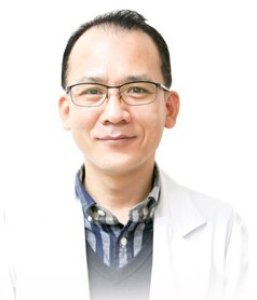
El Dr. Lee Dongyeop es cirujano ortopédico especializado en artroscopia y reemplazo articular. Realiza cirugía artroscópica (endoscopia articular) y reemplazo total de rodilla. Trata trastornos del hombro, lesiones deportivas y afecciones crónicas de la rodilla.
Credenciales: Programa combinado de M.D.-Ph.D., Escuela de Posgrado de Medicina de la Universidad Católica de Corea. Internado y residencia en cirugía ortopédica, Centro Médico Católico de la Universidad Católica de Corea. Inst
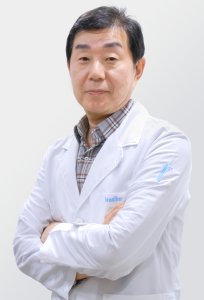
El Dr. Jang Hyo Kim es cirujano ortopédico centrado en la preservación articular y la reconstrucción compleja. Se especializa en artroscopia de hombro, rodilla, tobillo, codo y muñeca. Realiza reemplazos articulares de hombro, rodilla, tobillo, codo y cadera. En columna, realiza instrumentación y fusiones cervicales y lumbares. También efectúa discectomías, laminectomías, neuroplastias y vertebroplastias. Su práctica incluye el tratamiento de fracturas y la reparación de músculos y ligamentos
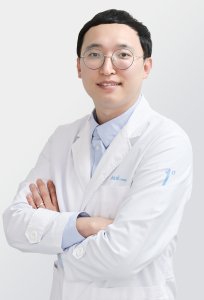
El Dr. Woo Kyung Kwak es cirujano ortopédico. Está especializado en cirugía mínimamente invasiva del pie y el tobillo (MICA para hallux valgus). También trata lesiones deportivas y realiza artroplastia total de rodilla, así como artroscopia avanzada de hombro y rodilla.
Obtuvo el título de médico (MD) y un máster en ciencias (MS) en la Universidad Nacional de Chonnam. Completó una beca de subespecialización en el Hospital de la Universidad Nacional de Chonnam. Se desempeñó como jefe de

El Dr. Kwangyeal Lee se especializa en cirugía ortopédica con enfoque en lesiones articulares y deportivas, aportando décadas de experiencia al Hospital Nanoori.
 Olena Sikoza
La cirugía de fractura de cadera en Corea del Sur es prioritaria y generalmente ocurre dentro de las 24 a 48 horas posteriores a la llegada. Los principales hospitales de Seúl enfatizan la intervención rápida para la seguridad médica. La estancia médica total generalmente dura de 10 a 14 días. Esto permite una monitorización posquirúrgica esencial y una rehabilitación inicial antes del viaje.
Perspectiva de expertos de Bookimed: Si bien las clínicas pequeñas ofrecen una programación rápida, las fracturas de cadera requieren la infraestructura de los principales centros terciarios. El Hospital Severance atiende a más de 1,6 millones de pacientes ambulatorios al año y cuenta con la acreditación JCI. Las grandes instituciones académicas de Seúl ofrecen equipos de trauma las 24 horas. Estas i
Las cirugías comunes para las fracturas de cadera incluyen la fijación interna, el reemplazo parcial de cadera o el reemplazo total de cadera. Los cirujanos seleccionan el procedimiento según la ubicación y la gravedad de la fractura. Estas operaciones urgentes suelen realizarse dentro de las 48 horas en instalaciones surcoreanas acreditadas por la JCI para garantizar una recuperación óptima.
Perspectiva del experto de Bookimed: Los principales centros ortopédicos de Corea del Sur, como el Hospital Severance y el Hospital Anam de la Universidad de Corea, se especializan en cirugía sin sangre y transfusiones mínimas. Este enfoque es fundamental para los pacientes con fractura de cadera que a menudo enfrentan una gran pérdida de sangre durante el reemplazo. Elegir una instalación con estos protocolos puede reducir los riesgos postoperatorios y a
Las estancias hospitalarias para el tratamiento de fracturas de cadera en Corea del Sur suelen oscilar entre varios días y 2 semanas. Los pacientes a menudo pasan de la atención quirúrgica aguda en centros acreditados por la JCI en Seúl a centros de rehabilitación dedicados. La duración total depende del momento de la cirugía, la movilidad y el control temprano del dolor.
Perspectiva del experto de Bookimed: Los datos de los principales centros coreanos muestran un patrón claro donde los hospitales ortopédicos especializados como Nanoori se centran en la movilización rápida. Mientras que los grandes hospitales universitarios proporcionan la cirugía inicial, las clínicas especializadas más pequeñas a menudo manejan la ventana crítica de 10 días postoperatorios. Este enfoque escalonado ayuda a gestionar el alto volumen de más de 50.000 pacientes anuales en centros específ
La rehabilitación es esencial después de una cirugía de fractura de cadera en Corea del Sur para restaurar la movilidad y la independencia. Centros especializados como el Hospital Severance combinan la intervención ortopédica con fisioterapia estructurada. Los programas se centran en la movilización temprana, el fortalecimiento muscular y el entrenamiento de la marcha para garantizar una recuperación segura y la función articular a largo plazo.
Perspectiva de expertos de Bookimed: El volumen de pacientes es un indicador importante de la competencia quirúrgica en Corea del Sur. Clínicas como el Hospital Anam de la Universidad de Corea atienden a más de 1,3 millones de pacientes al año. Esta escala masiva garantiza que cirujanos como el Dr. Seong Hyun Kim, con más de 30 años de experiencia, manejen casos de alta
Los centros médicos coreanos previenen futuras fracturas utilizando servicios de enlace de fracturas (Fracture Liaison Services) para integrar la cirugía rápida con un manejo proactivo de la osteoporosis. Equipos multidisciplinarios de cirujanos ortopédicos y endocrinólogos estabilizan las lesiones y tratan la baja densidad ósea. Este enfoque coordinado puede reducir las tasas de re-fractura en un 50% en el plazo de 1 año.
Perspectiva del experto de Bookimed: El éxito de la prevención en Corea se debe al gran volumen de pacientes y a la experiencia institucional. Centros importantes como el Hospital Anam de la Universidad de Corea tratan a más de 1.300.000 pacientes al año. Esta escala masiva permite que las instalaciones acreditadas por la JCI estandaricen los servicios de enlace de fracturas. Esto garantiza que cada pac