Fractura de cadera Tratamiento en India — Costos 2026


Revisado médicamente por
Fahad Mawlood
¿Cuál es el precio del diagnóstico y los tratamientos de Fractura de cadera en India? Descubra ahora
| India | España | Turquía | |
|---|---|---|---|
| Revisión de artroplastia de cadera | ≈ $7,500 | ≈ $13,500 | de $8,000 |
Sus beneficios y garantías con Bookimed
Precios directos
Bookimed no añade cargos extra a los precios de los tratamientos de Fractura de cadera. Las tarifas proceden de las listas de precios oficiales de las clínicas. Pagará directamente en la clínica por su tratamiento a su llegada al país.
Sólo clínicas y médicos verificados
Bookimed está comprometido con su seguridad. Solo trabajamos con las clínicas que mantienen altos estándares internacionales en el tratamiento de Fractura de cadera y cuentan con las licencias necesarias para atender a pacientes internacionales en todo el mundo.
Asistencia 24/7 gratuita
Bookimed ofrece asistencia experta gratuita. Un coordinador médico personal le apoya antes, durante y después de su tratamiento, resolviendo cualquier problema. Nunca estará solo en su viaje médico de tratamiento de Fractura de cadera.

Su coordinador médico personal de Bookimed
- Le apoya en cada etapa
- Ayuda a elegir la clínica y el médico adecuados
- Asegura un acceso rápido y conveniente a la información
Descubra las mejores clínicas de tratamiento de Fractura de cadera en India: 12 opciones verificadas y Precios












Dr. Rela Institute & Medical Centre
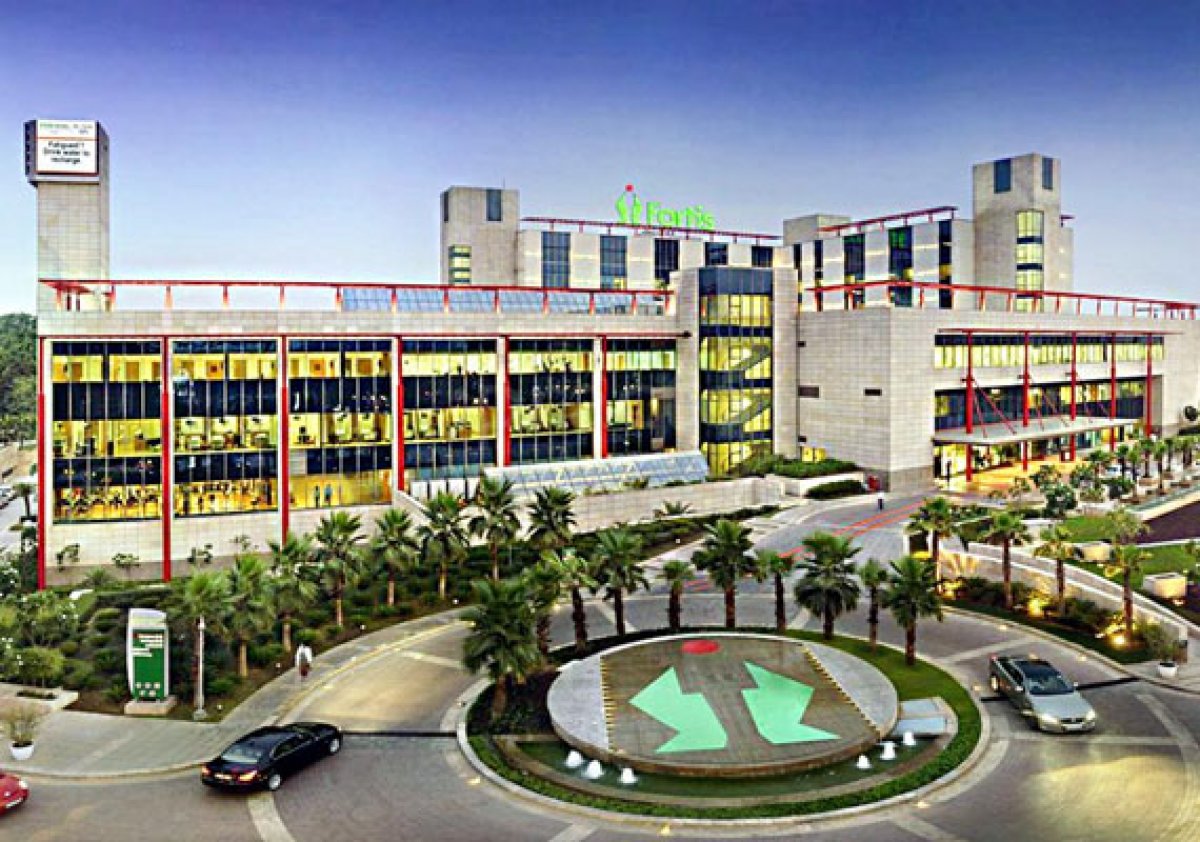
Instituto de Investigación Fortis Memorial
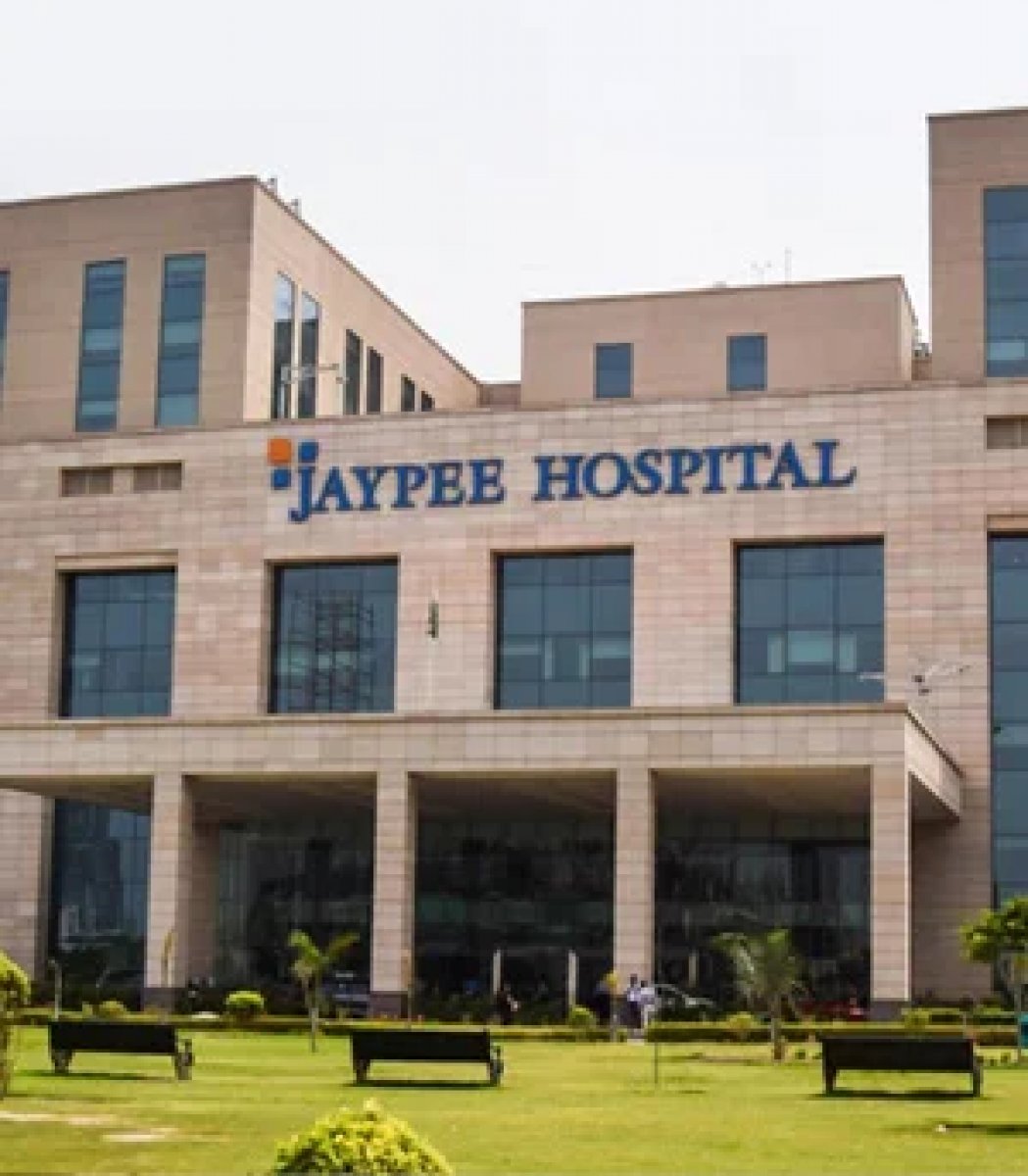
Jaypee Hospital
Obtenga una evaluación médica para Fractura de cadera en India: consulte con doctores experimentados ahora
Ver todos los médicos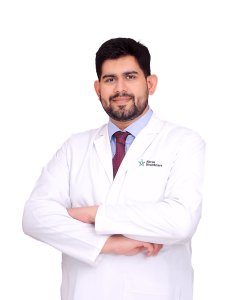
Sarthak Walia
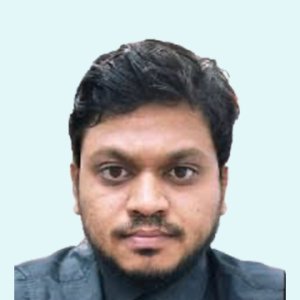
Harsh Patel
Compartir contenido
Historias en video de pacientes de Bookimed
 Olena Sikoza
Preguntas frecuentes sobre el tratamiento de Fractura de cadera en India
¿Es siempre necesaria la cirugía para una fractura de cadera?
La cirugía no siempre es necesaria para las fracturas de cadera, aunque es necesaria en el 95% al 98% de los casos. El tratamiento no quirúrgico suele limitarse a fracturas estables y no desplazadas o a pacientes con enfermedades graves. Los especialistas en la India generalmente recomiendan la cirugía para prevenir complicaciones potencialmente mortales como la neumonía.
- Necesidad quirúrgica: Obligatoria para aproximadamente el 95% de los pacientes para garantizar la movilización inmediata.
- Tratamiento conservador: Reservado para fracturas capilares que no están desplazadas o que son estables.
- Pacientes de alto riesgo: Se elige la atención no operatoria si los riesgos de la anestesia superan los beneficios quirúrgicos.
- Procedimientos estándar: Incluyen fijación interna, reemplazo parcial de cadera o reemplazo total de cadera.
Perspectiva de expertos de Bookimed: La India ocupa el octavo lugar a nivel mundial en ortopedia en Bookimed, y el volumen de cirugías en centros como los hospitales Manipal, que atienden a 2.000.000 de pacientes al año, es un indicador importante de seguridad. Clínicas como el Dr. Rela Institute utilizan impresión 3D y sistemas robóticos para personalizar los implantes. Esta experiencia de gran volumen a menudo conduce a tiempos de recuperación más rápidos en comparación con los centros con menos procedimientos a
¿Cuál es la tasa de éxito de la cirugía de cadera en la India?
La cirugía de cadera en la India mantiene una alta tasa de éxito de entre el 90% y el 98%. Los reemplazos totales de cadera logran hasta un 98% de éxito en el alivio del dolor. Los procedimientos asistidos por robot mejoran aún más la precisión hasta el 99%. Estos resultados cumplen con los estándares médicos que se encuentran en los principales países occidentales.
- Éxito por procedimiento: El reemplazo total de cadera reporta una tasa de éxito a corto plazo del 95% al 98%.
- Precisión robótica: Sistemas como MAKO logran una precisión del 97% al 99% durante la colocación del implante.
- Longevidad del implante: Alrededor del 95% de los implantes permanecen totalmente funcionales 10 años después de la cirugía.
- Control de infecciones: Los hospitales acreditados por la JCI mantienen las tasas de infección postoperatoria por debajo del 0,5% mediante protocolos estrictos.
Opinión de expertos de Bookimed: El volumen de pacientes es un indicador de calidad importante en la India. Manipal Hospitals atiende a 2.000.000 de pacientes al año. El Global Hospital Chennai realiza 18.000 operaciones cada año. Los cirujanos en estos centros de alto volumen a menudo realizan cientos de reemplazos al año. Esta repetición conduce naturalmente a mejores resultados quirúrgicos y menos complicaciones.
Consenso de los pacientes: Los pacient
¿Están disponibles las cirugías de cadera robóticas y mínimamente invasivas en la India?
La India ofrece cirugías de cadera robóticas y mínimamente invasivas avanzadas en centros acreditados por la JCI en las principales ciudades. Los cirujanos utilizan sistemas aprobados por la FDA como Mako SmartRobotics para mayor precisión. Los métodos mínimamente invasivos utilizan incisiones de 3 a 6 pulgadas. Esto reduce el daño tisular y acelera los tiempos de recuperación de los pacientes.
- Precisión robótica: El mapeo 3D basado en TC garantiza una precisión submilimétrica para la colocación del implante.
- Abordajes quirúrgicos: Los cirujanos realizan el abordaje anterior directo (DAA) para preservar el tejido muscular.
- Tamaño de la incisión: Las técnicas mínimamente invasivas reducen las cicatrices estándar de 10 pulgadas a 3-6 pulgadas.
- Centros líderes: Instalaciones de alto volumen en Delhi, Bengaluru y Chennai ofrecen estas tecnologías.
- Experiencia especializada: Cirujanos como el Dr. Anchit Uppal se especializan en reemplazo articular robótico.
Perspectiva del experto de Bookimed: Los datos de Bookimed muestran una alta concentración de experiencia robótica en Gurgaon y Bengaluru. Fortis Gurgaon y Aster CMI utilizan robótica avanzada o tecnología 3D. Aunque más de 90 clínicas indias atienden solicitudes internacionales, los pacientes deben tener en cuenta que la verdadera asistencia robótica a menudo se
¿Qué tan pronto puede caminar un paciente después de la cirugía?
La marcha inicial generalmente comienza dentro de las 24 a 48 horas posteriores a la cirugía de fractura de cadera en la India. Muchos pacientes dan sus primeros pasos con un andador la tarde del procedimiento. La movilización temprana reduce los riesgos de coágulos sanguíneos y mejora la función pulmonar durante la recuperación.
- Movimiento temprano: La mayoría de los pacientes se ponen de pie o caminan arrastrando los pies dentro de 1 día después de la operación.
- Caminar en el hospital: Se realizan caminatas supervisadas de 5 a 10 minutos durante los días 2 a 3.
- Recuperación en casa: La capacidad de caminar aumenta a 20 minutos entre las semanas 2 y 4.
- Independencia total: La marcha sin asistencia generalmente regresa después de 6 a 12 semanas.
Perspectiva de expertos de Bookimed: El volumen de pacientes a menudo indica dónde los protocolos de recuperación están más optimizados. Los hospitales Manipal atienden a 2,000,000 de pacientes anualmente y el Global Hospital Chennai trata a 2,000,000. Estos centros de alta capacidad suelen emplear vías de recuperación rápida. Estos protocolos priorizan poner a los pacientes de pie inmediatamente para prevenir la neumonía y la pérdida de masa muscular.
Consenso de los pacientes: Los pacientes señalan que los primeros pasos se sienten como un arrastre débil con un andador.
¿Cuánto dura un implante de cadera típico?
La mayoría de los implantes de cadera duran entre 15 y 20 años para la mayoría de los pacientes. Los materiales modernos de cerámica y polietileno reticulado permiten ahora que muchas prótesis funcionen durante 25 años. Las tasas de éxito siguen siendo altas, con un 89 % de los implantes funcionando perfectamente después de 15 años.
- Tasa de supervivencia: Aproximadamente el 70 % de los implantes de cadera modernos siguen siendo funcionales después de 20 años.
- Durabilidad a largo plazo: Alrededor del 58 % de los implantes duran 25 años sin necesidad de cirugía de revisión.
- Edad del paciente: Los pacientes mayores de 70 años solo enfrentan un riesgo del 5 % de por vida de necesitar un reemplazo.
- Impacto de la actividad: Los ejercicios de bajo impacto como la natación ayudan a preservar los componentes mecánicos de la articulación.
Perspectiva del experto de Bookimed: India se ha convertido en un centro mundial para revisiones articulares complejas, con centros como Manipal Hospitals tratando a 2.000.000 de pacientes al año. Si bien los implantes estándar duran 15 años, elegir un centro como el BLK Super Speciality Hospital, que utiliza equipos de diagnóstico de estándar europeo, garantiza un posicionamiento preciso para maximizar la longevidad del implante. La durabilidad de las articulaciones en India a menudo se ve mejorada por el alto
¿Puede un paciente sentarse con las piernas cruzadas (estilo indio) o ponerse en cuclillas después de un reemplazo de cadera?
Los pacientes pueden eventualmente sentarse con las piernas cruzadas y ponerse en cuclillas después de un reemplazo de cadera en la India. Sin embargo, deben evitar estrictamente estas posiciones durante 6 a 12 semanas durante la recuperación temprana. Las técnicas modernas como el abordaje anterior a menudo permiten un retorno más temprano a estas actividades.
- Abordaje quirúrgico: Las técnicas anteriores ofrecen una estabilidad más rápida que los abordajes posteriores tradicionales.
- Impacto tecnológico: Los implantes con cabezas de 36 mm o más grandes reducen significativamente los riesgos de luxación.
- Plazo de curación: Los cirujanos generalmente restringen la flexión profunda y el cruce de piernas durante 3 meses.
- Flexibilidad preoperatoria: La rigidez preexistente de los tejidos blandos puede limitar su rango final.
Perspectiva de expertos de Bookimed: Si bien la mayoría de los pacientes priorizan el costo, aquellos que requieren sentarse en el suelo deben apuntar a centros de alto volumen como el Global Hospital Chennai. Realizan 18 000 operaciones al año y utilizan sistemas robóticos para una colocación precisa del implante. La precisión es vital para sentarse al estilo indio, ya que requiere 130 grados de flexión de la cadera. Elegir un centro con robótica especializada mejora significativamente la estabilidad necesaria para esto