Tratamiento de Neuritis del nervio facial en España — obtenga 3 coincidencias personalizadas de clínicas


Revisado médicamente por
Fahad Mawlood
Cómo funciona
¿Cuál es el precio del diagnóstico y los tratamientos de Neuritis del nervio facial en España? Descubra ahora
De $130
Costes típicos del tratamiento de la neuritis del nervio facial en España
- Consulta con un neurólogo: de $130
- TC de senos paranasales: de $680
- Análisis de sangre extendido: de $200
- Coagulograma: $30 – $60
- ECG: de $110
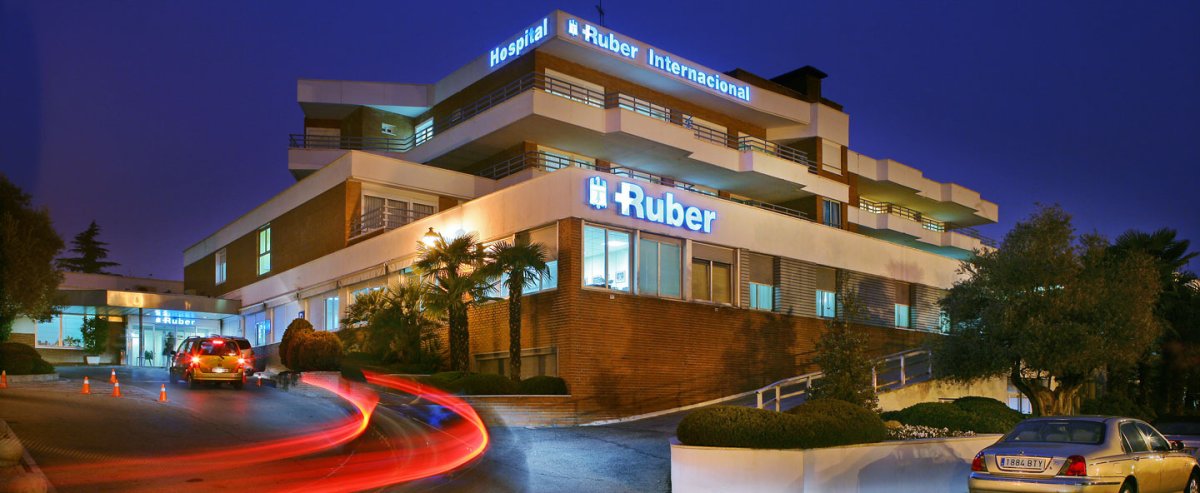
Perspectiva de los expertos de Bookimed: Los pacientes con daños nerviosos graves deben priorizar centros acreditados por la JCI como el Centro Médico Teknon. Ofrecen programas intensivos de neurorrehabilitación para una recuperación a largo plazo. Para casos complejos que requieren experiencia multidisciplinar, el Hospital Ruber Internacional atiende a un gran volumen de pacientes internacionales. La Clínica Universidad de Navarra es ideal para quienes buscan investigación clínica de primer nivel, habiendo sido clasificada repetidamente entre los mejores hospitales del mundo por Newsweek. Elegir centros con unidades de neurología dedicadas garantiza el acceso a especialistas como la Dra. Anna Pujol, quien coordina protocolos avanzados de neurorrehabilitación.
Descubra las mejores clínicas de tratamiento de Neuritis del nervio facial en España: 9 opciones verificadas y Precios









Hospital Sant Joan de Déu Barcelona









Obtenga una evaluación médica de tratamiento de Neuritis del nervio facial en España: haga una consulta con 6 médicos experimentados ahora
Ver todos los médicos
Anna Pujol
Más de 900 tratamientos neurológicos realizados – El Dr. Pujol se especializa en afecciones neurológicas complejas en el Centro Médico Teknon.
- _doctor_8193_años_ de experiencia en neurología
- Investigador y profesor en instituciones líderes
- Publicaciones en revistas nacionales e internacionales
- Miembro de la Academia Americana de Neurología

Erika María Torres San Narciso
Jefe de la Unidad de Neurociencias Avanzadas en Quirónsalud – El Dr. Torres se especializa en neurología con un enfoque en la atención centrada en el paciente.
- Dirige equipos multidisciplinarios de neurología para casos complejos
- Especializado en epilepsia y trastornos del movimiento
- Miembro de las Sociedades Española y Valenciana de Neurología
- Activo en investigación clínica y contribuciones científicas

Rafael Arroyo González
Jefe de Neurología en Quironsalud Madrid con más de _doctor_8448_ años_ de liderazgo. Investigador clave en investigación sobre esclerosis múltiple y neuroinflamación.
- Investigador principal en más de 100 ensayos clínicos de neurociencia
- Publicó 139 artículos internacionales en revistas de primer nivel
- Profesor de Medicina con acreditación nacional
- Especializado en trastornos neurológicos complejos
Irene Sánchez Miranda
Artículos relacionados

¿Cuánto cuesta el tratamiento de la neuritis facial?
Escrito por Veronika Kazina
Compartir contenido
Historias en video de pacientes de Bookimed
 Olena Sikoza
Preguntas frecuentes sobre el tratamiento de Neuritis del nervio facial en España
¿Cuáles son los principales tratamientos médicos utilizados en las clínicas españolas para la neuritis del nervio facial?
Las clínicas españolas tratan la neuritis del nervio facial utilizando corticosteroides en dosis altas y sinergia antiviral para reducir la inflamación nerviosa. Centros altamente especializados en Madrid y Barcelona brindan atención multidisciplinaria. Los tratamientos incluyen rehabilitación física, neuromoduladores y microcirugía. La intervención temprana dentro de las 72 horas sigue siendo la prioridad para una recuperación óptima.
- Terapia farmacológica: Los médicos prescriben corticosteroides como la prednisona para disminuir la inflamación del nervio.
- Enfoque viral: Se añaden antivirales, incluido el valaciclovir, ante la sospecha de infecciones por herpes zóster.
- Cuidado ocular: Los regímenes de lubricación previenen el daño corneal mediante el uso de lágrimas artificiales y cámaras húmedas.
- Reeducación neuromuscular: Los especialistas utilizan biofeedback y ejercicios específicos para reentrenar los músculos faciales.
- Reanimación quirúrgica: Los cirujanos realizan injertos nerviosos o transferencias musculares para la parálisis persistente.
Perspectiva del experto de Bookimed: Los departamentos de neurología españoles ofrecen una profundidad diagnóstica impresionante antes de comenzar el tratamiento. Clínicas como el Centro Médico Teknon o Ruber Internacional suelen realizar TC de senos paranasales y co
¿Qué hospitales y clínicas españolas tienen más experiencia en el tratamiento agudo y la rehabilitación a largo plazo de la parálisis facial periférica?
Centros médicos españoles como el Hospital Universitario La Paz y el Centro Médico Teknon brindan atención avanzada para la parálisis facial. Estas instalaciones utilizan unidades multidisciplinarias para el diagnóstico agudo y la reconstrucción microquirúrgica. Centros especializados como el Institut Guttmann ofrecen neurorrehabilitación intensiva para manejar las secuelas neurológicas a largo plazo.
- Unidades especializadas: El Hospital Universitario La Paz mantiene una unidad multidisciplinaria que cubre ocho especialidades médicas.
- Experiencia quirúrgica: El Centro Médico Teknon se especializa en microcirugía de reanimación de alto volumen para la reparación nerviosa.
- Liderazgo neurológico: El Dr. Jesús Romero Imbroda dirige unidades neurológicas en Quirónsalud Málaga y Marbella.
- Rehabilitación integrada: HM Nou Delfos colabora con el Institut Guttmann para programas complejos de recuperación neurológica.
- Acceso al diagnóstico: Las clínicas privadas ofrecen electromiografía (EMG) rápida para evaluar el daño nervioso en un plazo de 14 días.
Perspectiva del experto de Bookimed: Los datos de salud españoles muestran una clara distinción entre los centros quirúrgicos agudos y las instalaciones de recuperación. Mientras que el Hospital Ruber Internacional atiende a 25.000 pacientes al año para intervenciones quir
¿Qué tan rápido puedo esperar recuperarme y qué hitos objetivos se siguen?
Los pacientes suelen observar una recuperación inicial dentro de las 2 a 6 semanas al comenzar una intervención médica temprana. La simetría facial completa y la función nerviosa a menudo tardan de 3 a 9 meses en estabilizarse. Los centros españoles monitorean el progreso a través de métodos de diagnóstico especializados, incluyendo electromiografía y análisis de sangre detallados.
- Fase temprana: Las mejoras iniciales en el tono muscular facial suelen aparecer dentro de los 14 a 45 días.
- Diagnóstico clínico: Los expertos del Centro Médico Teknon utilizan ECG y coagulogramas para monitorear la salud sistémica.
- Seguimiento funcional: Los controles semanales de cierre ocular sirven como un hito crítico para el pronóstico a largo plazo.
- Ventana a largo plazo: La resolución de la sequedad ocular persistente o la debilidad del párpado puede tomar 12 meses.
Perspectiva de expertos de Bookimed: Los datos de las principales clínicas españolas como el Hospital HM Nou Delfos muestran una gran ventaja en su asociación con el Institut Guttmann. Esta colaboración proporciona acceso a neurorrehabilitación especializada que no está disponible en hospitales estándar. Elegir un centro con acuerdos dedicados de neurorrehabilitación a menudo conduce a una atención de seguimiento más estructurada para casos nerviosos complejos.
Consenso de lo
¿Qué opciones avanzadas existen si la recuperación se estanca o se desarrollan complicaciones como la sincinesia?
Los centros de neurología españoles ofrecen neuromodulación avanzada e intervenciones quirúrgicas para la recuperación estancada del nervio facial. Las opciones incluyen inyecciones de toxina botulínica para controlar la sincinesia y neurolisis selectiva para movimientos anormales. La reanimación microquirúrgica mediante transferencias nerviosas o injertos musculares restaura la espontaneidad en casos crónicos a través de instalaciones acreditadas por la JCI.
- Terapia con Botox: Inyecciones especializadas debilitan los músculos hiperactivos para restaurar la simetría facial y la comodidad.
- Reentrenamiento neuromuscular: Ejercicios especializados con espejo y biofeedback aíslan los movimientos intencionados de los espasmos involuntarios.
- Neurolisis selectiva: Los cirujanos recortan selectivamente ramas nerviosas para detener el cierre del ojo al sonreír.
- Transferencia muscular: Los trasplantes del músculo grácil del muslo restauran la capacidad de sonreír perdida después de años.
- Transferencias nerviosas: Los nervios maseterinos o hipoglosos se redirigen para activar los músculos faciales paralizados.
Perspectiva del experto de Bookimed: Los datos muestran que los centros españoles como el Hospital Ruber Internacional y el Centro Médico Teknon ofrecen una alta concentración de neurólogos con más de 30 años de exp
¿Qué significa "atención multidisciplinaria" en los centros españoles y qué especialidades están involucradas?
La atención multidisciplinaria en los centros españoles implica un equipo coordinado de especialistas que llegan a un consenso de tratamiento a través de reuniones periódicas. Para la neuritis del nervio facial, los equipos suelen incluir neurólogos, otorrinolaringólogos y oftalmólogos. Estos expertos colaboran para prevenir complicaciones como daños en la córnea o sincinesias.
- Neurología: Médicos como el Dr. Oriol Franch gestionan la inflamación nerviosa y la función motora.
- Otorrinolaringología (ORL): Los especialistas evalúan la afectación del oído medio o los desencadenantes virales que afectan al nervio.
- Oftalmología: Los expertos protegen el ojo si el párpado no se cierra correctamente.
- Fisioterapia: Los especialistas proporcionan rehabilitación temprana para mantener el tono muscular y prevenir la atrofia.
Perspectiva del experto de Bookimed: Los centros de salud españoles priorizan la coordinación a gran escala, y el Hospital HM Nou Delfos incluso se asocia con institutos especializados como el Institut Guttmann para la neurorrehabilitación. Los datos muestran que los principales hospitales universitarios de Madrid y Barcelona integran de 4 a 6 especialidades en una única vía asistencial para el paciente. Esta integración estructural conduce a diagnósticos más precisos, como el uso de imágenes EOS de alta precisión junto con con
¿Pueden los pacientes extranjeros obtener una opinión o un plan de tratamiento antes de viajar a España?
Los pacientes internacionales pueden obtener opiniones médicas detalladas y planes de tratamiento de especialistas españoles antes de viajar. Los centros líderes ofrecen evaluaciones remotas a través de portales seguros o consultas por video. Los médicos revisan el historial y las pruebas diagnósticas como resonancias magnéticas o tomografías computarizadas para establecer protocolos para la neuritis del nervio facial.
- Evaluaciones remotas: Los especialistas proporcionan informes escritos y segundas opiniones en un plazo de 2 a 5 días hábiles.
- Consultas por video: Clínicas como Centro Médico Teknon y la Clínica Universidad de Navarra ofrecen videollamadas directas.
- Accesibilidad lingüística: Los registros se aceptan en inglés o español en los principales centros acreditados por la JCI.
- Experiencia en neurología: Médicos como el Dr. Oriol Franch ofrecen segundas opiniones complejas para pacientes internacionales.
Perspectiva del experto de Bookimed: Aunque España ocupa el cuarto lugar a nivel mundial en solicitudes de pacientes, nuestros datos revelan un corredor especializado de alto volumen en Barcelona y Madrid. Instituciones como el Hospital Ruber Internacional y HM Madrid gestionan hasta 75.000 pacientes hospitalizados al año, lo que garantiza que los neurólogos remotos tengan una amplia experiencia con patologías nerviosas raras. P
¿Cuánto dura una estancia típica en el país para la evaluación y la terapia inicial?
Los pacientes suelen permanecer en España de 5 a 10 días para la evaluación de la neuritis del nervio facial. Los estudios diagnósticos como la electromiografía y las imágenes suelen concluir en 3 días. Los protocolos iniciales de corticosteroides o fisioterapia comienzan de inmediato. Este plazo permite una estabilización completa antes del viaje.
- Ventana de evaluación: Las pruebas diagnósticas suelen agruparse dentro de los 3 a 5 días posteriores a la llegada.
- Inicio del tratamiento: La terapia con corticosteroides o la fisioterapia suelen comenzar el segundo día.
- Estancia hospitalaria: El monitoreo hospitalario dura de 2 a 4 días si se requiere hospitalización.
- Casos complejos: Los síntomas graves o los diagnósticos complicados pueden extender las estancias hasta 14 días.
Perspectiva del experto de Bookimed: Barcelona es un centro estratégico para el diagnóstico neurológico rápido. El Centro Médico Teknon y el Hospital Quirón Barcelona mantienen un alto volumen de pacientes y una amplia capacidad de imagenología. Estos centros a menudo agrupan pruebas diagnósticas como tomografías computarizadas y consultas neurológicas. Esta eficiencia ayuda a los pacientes internacionales a completar una evaluación completa en un plazo de 5 días.
Consenso de los pacientes: Los pacientes señalan que planificar un viaje de 7 a