Centro Médico Teknon
España, Barcelona
Agusti Barnadas Molins
41 años de experiencia

Clínica certificada por : 





Revisado médicamente por
Fahad Mawlood
El costo del tratamiento del cáncer de ovario en España suele oscilar entre Precio a consultar y Precio a consultar para la intervención quirúrgica primaria. Los diagnósticos necesarios, como una tomografía PET/TC, cuestan entre $1,300 y $3,000, mientras que la quimioterapia especializada para el cáncer de ovario cuesta entre Precio a consultar y Precio a consultar. Los gastos totales dependen de la etapa de la enfermedad y los ciclos requeridos, ofreciendo un ahorro del 40-60% en comparación con los EE. UU. Los principales centros médicos incluyen Barcelona, Madrid y Pamplona.
Costos típicos del tratamiento del cáncer de ovario en España
Perspectiva de los expertos de Bookimed: Los pacientes en etapas avanzadas se benefician de la infraestructura de alta tecnología en centros acreditados por la JCI, como el Centro Médico Teknon. Para aquellos que requieren una intervención quirúrgica compleja, Teknon realiza más de 23,500 operaciones al año utilizando tecnologías robóticas. Los pacientes que buscan ensayos clínicos deben considerar Quironsalud Madrid, miembro del subgrupo español del GCIG. Esto proporciona acceso a protocolos novedosos que a menudo no están disponibles en clínicas privadas estándar.
| España | Turquía | México | |
|---|---|---|---|
| Terapia hormonal | de $600 | de $1,100 | ≈ $1,800 |
| Radioterapia para el cáncer colorrectal | de $7,500 | de $5,000 | ≈ $6,000 |
| Quimioterapia intraperitoneal hipertérmica (HIPEC) | de $81,800 | de $18,000 | ≈ $18,000 |
| Omentectomía | ≈ $9,500 | de $5,500 | ≈ $6,500 |
| Oforectomía | de $10,100 | de $2,800 | ≈ $3,800 |
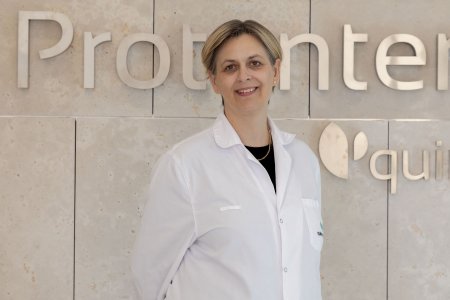
La Dra. Stephanie Lilianne E. Bolle es oncóloga radioterápica y jefa de Oncología Radioterápica del Centro de Protonterapia de Quirónsalud en Madrid. Dirige el departamento desde julio de 2024. Es el primer centro de protonterapia de España.
Doctora en Medicina, Universidad de Lieja (1998). Especialista en Oncología Radioterápica (2003). Es miembro activo de la Sociedad Europea de Oncología Pediátrica y colabora con su Grupo de Tumores Cerebrales y el Grupo de Trabajo de Oncología Radi
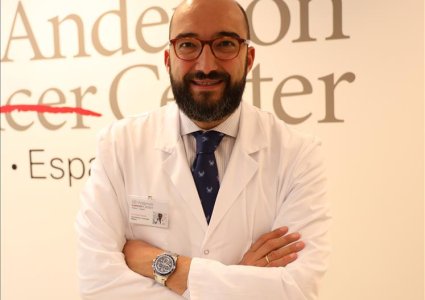
El Dr. Enrique Grande, MD, PhD, MSc, es oncólogo médico con más de 20 años de experiencia y experto internacional en tumores genitourinarios y neuroendocrinos. Dirige el Servicio de Oncología Médica y el programa One Oncology Madrid en QuirónSalud, la mayor red privada de salud de España. Lidera un modelo integrado y multidisciplinar con acceso a terapias dirigidas y ensayos clínicos.
Es pionero en oncología de precisión. Emplea la caracterización molecular y la atención basada en biom
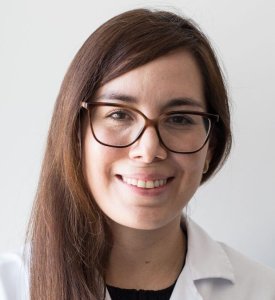
El doctor es un oncólogo médico altamente cualificado especializado en cáncer de mama en todas las etapas clínicas, incluyendo cuidados curativos y paliativos. Con un título de medicina de la Pontificia Universidad Católica del Ecuador y una residencia de cinco años en el Hospital de la Santa Creu i Sant Pau, el doctor posee un Máster en Oncología Médica por la Sociedad Española de Oncología Médica (SEOM).
Actualmente ejerce en el International Breast Cancer Center (IBCC) y en el IOB In
 Olena Sikoza
Los principales centros españoles para el cáncer de ovario incluyen la Clínica Universidad de Navarra y el Centro Médico Teknon. Estas instalaciones cuentan con acreditación JCI y ofrecen tecnologías avanzadas como HIPEC y cirugía robótica DaVinci. Especialistas como la Dra. Ana Oaknin y la Dra. Lucía González Cortijo lideran ensayos clínicos para terapias personalizadas.
Perspectiva del experto de Bookimed: España ocupa el cuarto lugar a nivel mundial en solicitudes de pacientes a través de nuestra plataforma, lo que refleja una gran confianza en su infraestructura oncológica. Mientras que los grandes centros como la Clínica Universidad de Navarra atienden a 140.000 pacientes al año, las unidades especializadas más pequeñas a menudo brindan un acceso más rápido a los sistemas robóticos. La Dra. Ana Oaknin en el Hospital Quirón Barc
Los centros oncológicos españoles utilizan sistemas asistidos por robot como Da Vinci Xi y quimioterapia hipertérmica (HIPEC) para mejorar la precisión quirúrgica. Estas tecnologías permiten a los cirujanos realizar citorreducciones complejas preservando el tejido sano. Los centros suelen contar con acreditación JCI y clasificaciones de Newsweek por su excelencia clínica.
Perspectiva del experto de Bookimed: Los datos muestran una concentración de experiencia quirúrgica en Barcelona y Madrid. Centros como el Centro Médico Teknon y HM Hospitales Madrid realizan más de 23.000 operaciones al año. Este alto volumen permite a estas instalaciones mantener una infraestructura avanzada como el sistema Da Vinci Xi. Los pacientes deben priorizar las clínicas con múltiples acreditaciones, como JCI y EFQM,
Los centros oncológicos españoles reportan una tasa de supervivencia a 5 años del 90% al 95% para el cáncer de ovario en estadio I. Los casos avanzados muestran una supervivencia de aproximadamente el 30% al 41% en el estadio III. La eficacia se debe a la cirugía especializada y a terapias dirigidas como el Olaparib, que reduce el riesgo de progresión en un 70%.
Perspectiva del experto de Bookimed: El panorama oncológico de España se define por grandes volúmenes de pacientes y una investigación académica especializada. Solo el HM Madrid atiende a 2,3 millones de pacientes ambulatorios al año. Este alto volumen permite que médicos como la Dra. Ana Oaknin lideren más de 100 ensayos revisados por pares. Tal experiencia es vital porque los datos españoles muestran que la supervivencia a 5 años cae del 70% en mujeres jóvenes al 19% en personas m
Las pacientes deben planear quedarse en España de 14 a 21 días después de una cirugía mayor de cáncer de ovario. Esto incluye de 3 a 7 días de hospitalización seguidos de observación local. La mayoría de las aerolíneas requieren un certificado médico de aptitud para volar si se viaja dentro de los 14 días posteriores a procedimientos abdominales.
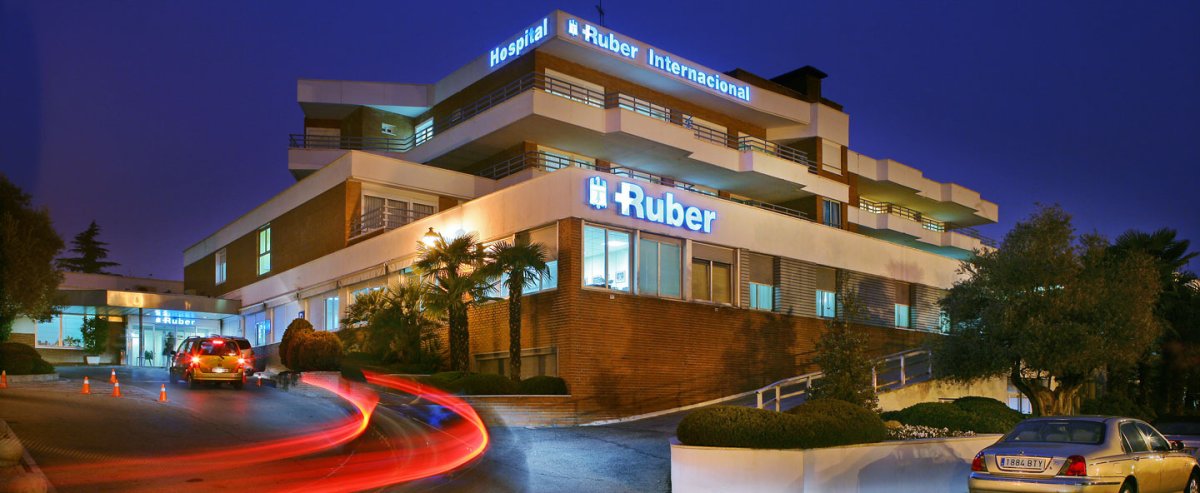
Perspectiva del experto de Bookimed: Aunque las pautas médicas generales sugieren una estancia de 14 días, los paquetes especializados en Madrid, como los del Hospital Ruber Internacional, recomiendan hasta 45 días para una recuperación compleja. Este período extendido tiene en cuenta el perfil molecular avanzado y la coordinación de terapias sistémicas que a menudo siguen a la cirugía de citorreducción.
Consenso de las pacientes: Las pacientes en
Los pacientes internacionales pueden unirse a ensayos clínicos de cáncer de ovario en España si cumplen con protocolos de ensayo específicos. Instalaciones como Quironsalud Madrid ofrecen tratamiento gratuito a través de ensayos para candidatos elegibles. El éxito depende de los marcadores tumorales, tratamientos previos y la capacidad de permanecer en España para un seguimiento a largo plazo.
Perspectiva del experto de Bookimed: Los centros oncológicos españoles manejan volúmenes masivos de pacientes, con la Clínica Universidad de Navarra atendiendo a 700,000 personas anualmente. Este alto rendimiento convierte a España en un centro principal para ensayos de Fase II y III. Los pacientes deben apuntar a clínicas como Quironsalud Madrid, donde los ensayos clínicos son una característica destacada. Estas instituciones a menudo tienen la
La cirugía mínimamente invasiva es una opción ampliamente disponible para el cáncer de ovario en etapa temprana en España. Los cirujanos utilizan técnicas laparoscópicas o asistidas por robot para realizar procedimientos de estadificación y preservación de la fertilidad. Centros como el Centro Médico Teknon y el Hospital Quirón Barcelona utilizan el sistema Da Vinci Xi para operaciones oncológicas de alta precisión.
Perspectiva del experto de Bookimed: Si bien los principales centros como el Hospital Universitario HM Madrid atienden a más de 70,000 pacientes hospitalizados al año, la experiencia robótica específica varía según la ciudad. Los datos muestran que Barcelona y Madrid albergan la mayor concentración de instalaciones acreditadas por la JCI, donde los cirujanos a menudo combinan cirugías robotizadas con diagnósticos avanzados como PET-CT para garantizar una estadificaci
Barcelona y Madrid albergan la mayor concentración de equipos de oncología de habla inglesa en España. Estas ciudades cuentan con centros acreditados por la JCI como el Centro Médico Teknon y el Hospital Ruber Internacional. Los departamentos especializados suelen emplear a especialistas formados en EE. UU. Esto garantiza una comunicación fluida para tratamientos complejos de cáncer de ovario y ensayos clínicos.
Perspectiva de expertos de Bookimed: Aunque Madrid y Barcelona son los centros principales, la Clínica Universidad de Navarra en Pamplona atiende a 700.000 pacientes internacionales. Posee el primer certificado JCI equivalente al de EE. UU. en España. Esto indica un alto nivel de infraestructura en inglés a pesar de estar fuera de las áreas metropolitanas más grandes. Este centro reporta una alta tasa de curación del 74% para sarcomas complejos.
Consenso de los pacientes: Los pacientes señalan que elegir centros privados ayuda a