Tratamiento de Cáncer de ovarios en Corea del Sur — obtenga 3 coincidencias personalizadas de clínicas


Revisado médicamente por
Fahad Mawlood
Cómo funciona
¿Cuál es el precio del diagnóstico y los tratamientos de Cáncer de ovarios en Corea del Sur? Descubra ahora
El costo del tratamiento del cáncer de ovario en la República de Corea oscila entre Precio a consultar y Precio a consultar para la intervención quirúrgica primaria. El diagnóstico integral, que incluye una tomografía por emisión de positrones (PET-CT), suele oscilar entre $1,100 y $1,300. Los gastos totales dependen de la etapa del cáncer, el uso de tecnología como sistemas robóticos y el nivel del hospital, ofreciendo ahorros del 35-50% en comparación con los EE. UU. Los principales centros de tratamiento se encuentran en Seúl e Incheon.
Costos típicos del tratamiento del cáncer de ovario en la República de Corea
- PET-CT: $1,100 – $1,300
- Biopsia: de $370
- Consulta con un oncólogo: $50 – $75
- Cirugía de cáncer de ovario: Precio a consultar
- Quimioterapia intraperitoneal hipertérmica (HIPEC): de $18,000
- Histerectomía con robot DaVinci: de $12,000
- Ooforectomía laparoscópica: Precio a consultar
- Gamma Knife: de $10,000
- Revisión histopatológica: de $350
- Tomografía computarizada (TC): $300 – $330
Perspectiva de los expertos de Bookimed: Para las pacientes que buscan una cicatriz mínima, el Hospital Anam de la Universidad de Corea se especializa en técnicas robóticas pioneras a nivel mundial. Los casos avanzados se benefician del Centro Médico Asan, la instalación multidisciplinaria más grande con altos volúmenes de oncología. Las mujeres que priorizan la privacidad y los resultados estéticos a menudo eligen el Centro Médico de la Universidad Femenina Ewha. El Hospital de la Universidad Nacional de Seúl (SNUH) es la mejor opción para casos complejos que requieren las estadísticas clínicas más altas.
| Corea del Sur | España | Turquía | |
|---|---|---|---|
| Terapia hormonal | ≈ $2,500 | de $600 | de $1,100 |
| Radioterapia para el cáncer colorrectal | ≈ $9,000 | de $7,500 | de $5,000 |
| Quimioterapia intraperitoneal hipertérmica (HIPEC) | de $18,000 | de $81,900 | de $18,000 |
| Omentectomía | ≈ $6,500 | ≈ $9,500 | de $5,500 |
| Oforectomía | ≈ $5,500 | de $10,100 | de $2,800 |
Descubra las mejores clínicas de tratamiento de Cáncer de ovarios en Corea del Sur: 11 opciones verificadas y Precios










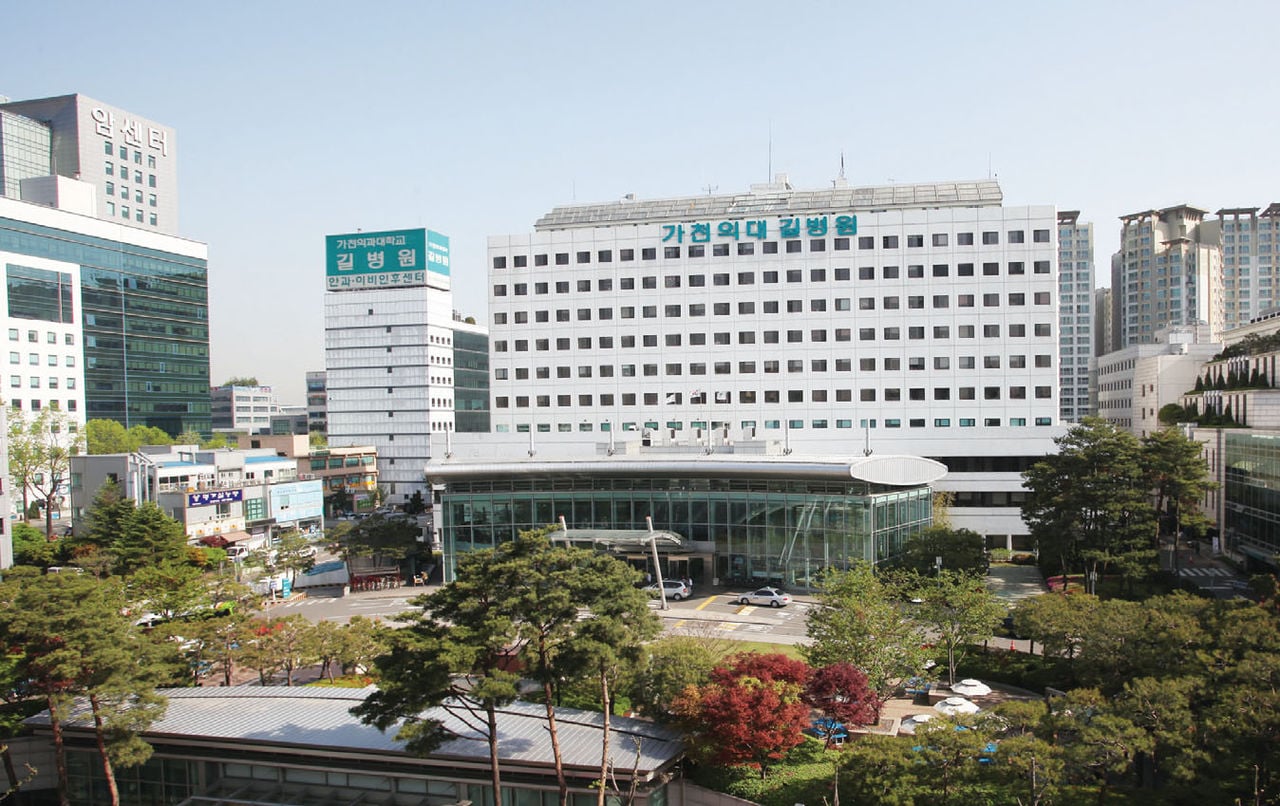


Obtenga una evaluación médica de tratamiento de Cáncer de ovarios en Corea del Sur: haga una consulta con 7 médicos experimentados ahora
Ver todos los médicos
An Song-yeol

Lee Jeong Won
La Dra. Lee Jeong Won es una experimentada oncoginecóloga en el Samsung Medical Center, especializada en cáncer de ovario.
- Especializada en el tratamiento integral del cáncer de ovario
- Trabaja en uno de los centros médicos líderes de Corea del Sur
- Centrada en planes de tratamiento personalizados

Kim Byoung Gie
El Dr. Kim Byoung Gie es un oncoginecólogo dedicado en el Samsung Medical Center, especializado en cáncer de ovario.
- Se centra exclusivamente en la oncología ginecológica
- Trabaja en uno de los centros médicos líderes de Corea del Sur
- Especializado en el cuidado integral del cáncer de ovario

Lee Kwang Beom
El Dr. Lee Kwang Beom es oncoginecólogo y especialista en operaciones laparoscópicas en el Gachon University Gil Medical Center.
- Como oncoginecólogo, está capacitado para realizar cirugías oncológicas
- Especializado en técnicas quirúrgicas laparoscópicas mínimamente invasivas
- Sus habilidades se centran en realizar operaciones para cánceres ginecológicos
Compartir contenido
Historias en video de pacientes de Bookimed
 Olena Sikoza
Preguntas frecuentes sobre el tratamiento de Cáncer de ovarios en Corea del Sur
¿Cuáles son los hospitales mejor valorados para el tratamiento del cáncer de ovario en Corea del Sur?
El Samsung Medical Center y el Asan Medical Center son hospitales de primer nivel para el tratamiento del cáncer de ovario en Corea del Sur. Estas instituciones cuentan con certificaciones JCI e ISO y se encuentran entre las mejores del mundo en oncología. Ofrecen terapias avanzadas como HIPEC, terapia de protones y cirugía robótica.
- Samsung Medical Center: Clasificado en el 3er lugar a nivel mundial en oncología por Newsweek por su atención oncológica avanzada.
- Asan Medical Center: Realiza el mayor volumen de cirugías ginecológicas en Corea del Sur anualmente.
- Seoul National University: Conocido por sus protocolos basados en la investigación y opciones especializadas de preservación de la fertilidad para pacientes.
- Severance Hospital: Centro acreditado por la JCI que ofrece servicios especializados para pacientes internacionales y experiencia en HIPEC.
Perspectiva del experto de Bookimed: El Korea University Anam Hospital ofrece una ventaja distintiva para las pacientes preocupadas por las cicatrices quirúrgicas. Aunque muchos centros utilizan el sistema Da Vinci, este hospital fue pionero en técnicas robóticas que reducen el tamaño de la cicatriz en un 90%. Sus protocolos de cirugía sin sangre también contribuyen a una recuperación más rápida y a menores riesgos de infección en casos oncológicos complejos.
Consenso de l
¿Qué opciones de tratamiento avanzado están disponibles para el cáncer de ovario en Corea del Sur?
Corea del Sur ofrece tratamientos ultramodernos para el cáncer de ovario, incluyendo cirugía de citorreducción asistida por robot y quimioterapia intraperitoneal hipertérmica (HIPEC). Los principales centros de Seúl integran el perfil genómico para prescribir inhibidores de PARP dirigidos y terapia de iones pesados. Equipos de oncología especializados utilizan el sistema Da Vinci para mejorar la precisión y acelerar la recuperación.
- Cirugía robótica: Los sistemas Da Vinci permiten la extirpación precisa de tumores a través de incisiones mínimas.
- Protocolo HIPEC: Se aplica quimioterapia caliente durante la cirugía para eliminar células cancerosas microscópicas.
- Terapia de iones pesados: Los haces de iones de carbono tratan tumores resistentes en el centro del Hospital Severance.
- Terapia dirigida: Los inhibidores de PARP como el Olaparib tratan casos BRCA-positivos tras pruebas genéticas.
- Ensayos de inmunoterapia: Los principales hospitales académicos brindan acceso a ensayos de CAR-T e inhibidores de puntos de control.
Perspectiva del experto de Bookimed: Corea del Sur es un líder mundial en tecnología quirúrgica, con el Hospital Severance albergando a más de 2.000 médicos especialistas. Mientras que muchos países se centran únicamente en la quimioterapia, centros coreanos como el Hospital Anam de la Universidad
¿Cuáles son las tasas de éxito y supervivencia reportadas para el tratamiento del cáncer de ovario en Corea del Sur?
Corea del Sur reporta una tasa de supervivencia relativa general a 5 años del 65,9 % para el cáncer de ovario. Los casos localizados muestran un alto éxito con una supervivencia que alcanza el 92,5 %. Los tratamientos avanzados, incluyendo HIPEC y la cirugía robótica, contribuyen a estos resultados. La mayoría de los procedimientos se realizan en centros terciarios acreditados por la JCI en Seúl.
- Supervivencia localizada: Las tasas de supervivencia a 5 años para tumores localizados alcanzan del 90,7 % al 92,5 %.
- Supervivencia regional: La supervivencia para el cáncer que se ha propagado a órganos cercanos es del 72,8 % al 74,7 %.
- Eficacia quirúrgica: Los centros oncológicos especializados reportan una tasa de eficacia quirúrgica del 85 % al 90 %.
- Resultados por subtipo: El carcinoma de células claras muestra aproximadamente un 74,9 % de supervivencia en los informes clínicos coreanos.
Perspectiva del experto de Bookimed: El Samsung Medical Center y el Asan Medical Center manejan volúmenes masivos de pacientes, superando a menudo los 2 millones anuales. Esta alta frecuencia se correlaciona directamente con las tasas de éxito quirúrgico del 90 % observadas. Centros especializados como el Korea University Anam Hospital incluso ofrecen protocolos de cirugía sin sangre. Estos protocolos ayudan a los pacientes con restricciones personales o m
¿Cuánto dura la estancia hospitalaria típica y la recuperación después de una cirugía de cáncer de ovario en Corea del Sur?
Las estancias hospitalarias para la cirugía de cáncer de ovario en Corea del Sur suelen oscilar entre 3 y 10 días. Los procedimientos mínimamente invasivos robóticos o laparoscópicos a menudo permiten el alta en un plazo de 3 a 7 días. Las cirugías citorreductoras complejas para casos avanzados pueden requerir de 9 a 17 días de seguimiento hospitalario.
- Estancia en cirugía robótica: Las pacientes suelen permanecer en el hospital entre 6 y 7 días.
- Estancia en cirugía laparoscópica: La hospitalización suele durar entre 3 y 4 días para muchas pacientes.
- Recuperación inicial: Las actividades diarias ligeras generalmente se pueden reanudar en un plazo de 4 a 6 semanas.
- Recuperación completa: La mayoría de las pacientes retoman todas sus actividades normales en un plazo de 8 a 12 semanas.
Opinión de expertos de Bookimed: Los datos de centros importantes como el Severance Hospital y el Samsung Medical Center muestran una tendencia hacia la movilización ultrarrápida. Si bien una cirugía de reducción tumoral estándar puede llevar 10 días, cirujanos de primer nivel como el Dr. Kim Young Tae utilizan sistemas robóticos para apuntar a estancias de 3 días. Esta eficiencia permite a las pacientes internacionales pasar a la atención ambulatoria más rápido que en muchos centros europeos.
Consenso de las pacientes: Las pacientes