Enfermedad de Raynaud Tratamiento en España — Costos 2026


Revisado médicamente por
Fahad Mawlood
¿Cuál es el precio del diagnóstico y los tratamientos de Enfermedad de Raynaud en España? Descubra ahora
De $210
Costes típicos del tratamiento de la enfermedad de Raynaud en España
- Análisis de sangre exhaustivo: de $210
- Consulta con un neurólogo: de $130
- ECG: de $110
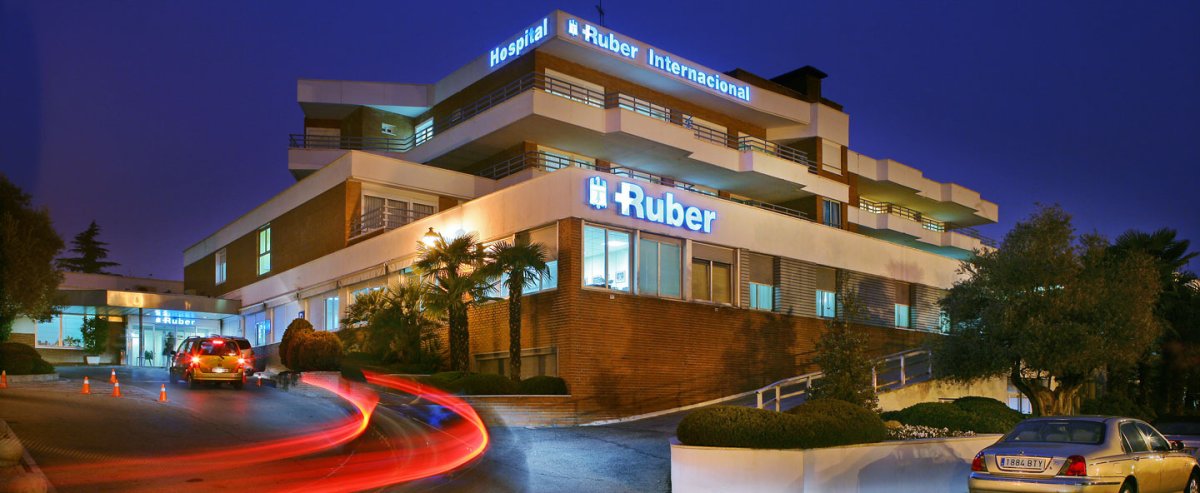
Perspectiva de los expertos de Bookimed: Los pacientes que requieren una mayor claridad diagnóstica se benefician de los centros multidisciplinares. El Hospital Ruber Internacional atiende a más de 25.000 pacientes al año. Este centro cuenta con la acreditación de la Joint Commission International (JCI). Es el más adecuado para pacientes internacionales de EE. UU. y Europa. Su equipo ofrece atención especializada en neurología y cardiología. Esto garantiza una evaluación exhaustiva para afecciones vasculares complejas.
Sus beneficios y garantías con Bookimed
Precios directos
Bookimed no añade cargos extra a los precios de los tratamientos de Enfermedad de Raynaud. Las tarifas proceden de las listas de precios oficiales de las clínicas. Pagará directamente en la clínica por su tratamiento a su llegada al país.
Sólo clínicas y médicos verificados
Bookimed está comprometido con su seguridad. Solo trabajamos con las clínicas que mantienen altos estándares internacionales en el tratamiento de Enfermedad de Raynaud y cuentan con las licencias necesarias para atender a pacientes internacionales en todo el mundo.
Asistencia 24/7 gratuita
Bookimed ofrece asistencia experta gratuita. Un coordinador médico personal le apoya antes, durante y después de su tratamiento, resolviendo cualquier problema. Nunca estará solo en su viaje médico de tratamiento de Enfermedad de Raynaud.

Su coordinador médico personal de Bookimed
- Le apoya en cada etapa
- Ayuda a elegir la clínica y el médico adecuados
- Asegura un acceso rápido y conveniente a la información
Descubra las mejores clínicas de tratamiento de Enfermedad de Raynaud en España: 1 opciones verificadas y Precios


Compartir contenido
Historias en video de pacientes de Bookimed
 Olena Sikoza
Preguntas frecuentes sobre el tratamiento de Enfermedad de Raynaud en España
¿Qué herramientas de diagnóstico utilizan las clínicas españolas para confirmar el fenómeno de Raynaud?
Las clínicas españolas diagnostican la enfermedad de Raynaud mediante capilaroscopia del lecho ungueal, análisis de sangre y pruebas de provocación al frío. Los centros acreditados por la JCI en Madrid priorizan la imagen microvascular para distinguir entre las formas primaria y secundaria. Los especialistas utilizan capilaroscopios digitales para examinar los capilares de las uñas en busca de signos de daño microvascular estructural.
- Capilaroscopia del lecho ungueal: La imagen microscópica identifica bucles capilares agrandados o distorsionados que indican afecciones secundarias.
- Detección de autoanticuerpos: Los análisis de sangre incluyen anticuerpos antinucleares (ANA) y perfiles reumatológicos específicos.
- Tecnología de imagen: La termografía infrarroja y la flujometría láser Doppler mapean la velocidad del flujo sanguíneo.
- Evidencia clínica: Los médicos utilizan fotografías de los pacientes de los cambios de color trifásicos para confirmar los episodios.
Perspectiva del experto de Bookimed: Aunque el diagnóstico a menudo comienza con la historia clínica, los centros de alto volumen como el Hospital Ruber Internacional involucran equipos multidisciplinarios. Nuestros datos muestran que las instalaciones españolas suelen integrar consultas de neurología y cardiología en el proceso de diagnóstico. Esto asegura que los espasmos vascul
¿Qué especialistas médicos debo consultar para el fenómeno de Raynaud en España?
En España, los pacientes consultan principalmente a reumatólogos y especialistas vasculares para tratar el fenómeno de Raynaud. Los reumatólogos buscan enfermedades autoinmunes subyacentes como el lupus. Los especialistas vasculares abordan los problemas de flujo sanguíneo y las úlceras digitales. Los médicos de cabecera gestionan los análisis de sangre iniciales y coordinan las derivaciones a atención especializada.
- Reumatólogo: Realiza una capilaroscopia del lecho ungueal para revisar los vasos sanguíneos de las uñas.
- Especialista vascular: Evalúa la estructura de los vasos sanguíneos mediante ecografía Doppler.
- Dermatólogo: Se consulta si desarrolla llagas en las puntas de los dedos o úlceras cutáneas.
- Neurólogo: Se incluye en los planes de diagnóstico para evaluar problemas de circulación relacionados con los nervios.
Opinión de expertos de Bookimed: Mientras que muchos pacientes se centran en clínicas locales, el Hospital Ruber Internacional atiende a más de 25.000 pacientes al año y cuenta con la acreditación JCI. Cierra la brecha para casos complejos de Raynaud al ofrecer 42 departamentos especializados bajo un mismo techo. Esto permite una coordinación más rápida entre reumatología y cirugía vascular que las redes de clínicas descentralizadas.
Consenso de los pacientes: Los pacientes señalan que es import
¿Cuáles son los medicamentos recetados de primera línea disponibles en España?
Los medicamentos recetados de primera línea para la enfermedad de Raynaud en España incluyen principalmente los bloqueadores de los canales de calcio. Los médicos recetan frecuentemente nifedipino o amlodipino para reducir la frecuencia y la gravedad de los vasoespasmos. Estos medicamentos están regulados por la Agencia Española de Medicamentos y Productos Sanitarios (AEMPS) y requieren receta médica.
- Bloqueadores de los canales de calcio: El nifedipino es el tratamiento base para los ataques de Raynaud frecuentes o dolorosos.
- Medicamentos alternativos: El amlodipino sirve como una opción secundaria común si aparecen efectos secundarios.
- Analgésicos de dosis alta: El paracetamol (1g) o el ibuprofeno (600mg) bajo receta médica ayudan a controlar el dolor secundario.
- Diagnóstico especializado: Los pacientes a menudo se someten a un ECG y análisis de sangre antes de comenzar una terapia a largo plazo.
Opinión del experto de Bookimed: Aunque España cuenta con más de 80 clínicas que manejan casos complejos, la medicación suele ir precedida de una consulta con un neurólogo. Grandes centros como el Hospital Ruber Internacional en Madrid atienden a 25.000 pacientes al año. Se centran en descartar afecciones subyacentes mediante análisis de sangre exhaustivos antes de confirmar un protocolo farmacológico de primera línea.
Consenso
¿Qué terapias de segunda línea o avanzadas se ofrecen para casos graves?
Los centros médicos españoles ofrecen terapias avanzadas para casos graves de Raynaud cuando los bloqueadores de los canales de calcio estándar fallan. El tratamiento se orienta hacia vasodilatadores potentes y neuromodulación para restaurar el flujo sanguíneo. Los especialistas en Madrid y Barcelona utilizan procedimientos dirigidos para prevenir daños tisulares y curar úlceras digitales.
- Inhibidores de la PDE-5: Los médicos pueden recetar sildenafilo o tadalafilo para síntomas refractarios.
- Toxina botulínica: Las inyecciones en la mano reducen el dolor y la sensibilidad al frío.
- Simpatectomía química: Los bloqueos nerviosos proporcionan un alivio temporal de los vasoespasmos graves y dolorosos.
- Simpatectomía quirúrgica: Los especialistas realizan este procedimiento para mejorar el flujo sanguíneo en casos extremos.
Perspectiva del experto de Bookimed: España ocupa el primer lugar a nivel mundial en nuestras métricas internas para solicitudes vasculares especializadas. Clínicas como el Hospital Ruber Internacional en Madrid integran experiencia en cardiología y neurología para tratar casos complejos de Raynaud secundario. Este enfoque multidisciplinario es vital para los pacientes cuya condición proviene de trastornos autoinmunes subyacentes.
Consenso de los pacientes: Los pacientes señalan que es esencial deter
¿Cuáles son los mejores centros médicos para el tratamiento del síndrome de Raynaud en España?
Los mejores centros médicos para el tratamiento del síndrome de Raynaud en España incluyen el Hospital Ruber Internacional y el Centro Médico Teknon. Estas instalaciones utilizan la capilaroscopia del lecho ungueal para diagnósticos precisos. Los departamentos especializados en reumatología y vascular gestionan tanto los síntomas primarios como los secundarios. La atención al paciente se centra en el cribado de enfermedades autoinmunes subyacentes y el control de la circulación.
- Hospital Ruber Internacional: Este centro de Madrid, acreditado por la JCI, trata a 25.000 pacientes al año.
- Excelencia diagnóstica: Los centros utilizan la capilaroscopia del lecho ungueal para distinguir entre casos primarios y secundarios.
- Unidades especializadas: El Hospital Universitario Vall d'Hebron alberga una respetada Unidad de Enfermedades Autoinmunes Sistémicas.
- Terapias avanzadas: Centros privados como el Ruber Internacional ofrecen tratamientos localizados como inyecciones de Botox.
Opinión del experto de Bookimed: Aunque muchas clínicas privadas ofrecen consultas rápidas, el Hospital Ruber Internacional destaca por su red de 800 médicos. Esta alta proporción de médicos por cama a menudo acelera las revisiones multidisciplinarias. Los pacientes con sospecha de Raynaud secundario se benefician de este enfoque colaborativo. Los expertos pueden involu
¿Mudarse a España mejora naturalmente los síntomas de Raynaud?
Trasladarse a España puede reducir la frecuencia de Raynaud al minimizar los desencadenantes inducidos por el frío. Los síntomas a menudo disminuyen a medida que las temperaturas se acercan a los 25°C. Sin embargo, los climas más cálidos no curan la afección subyacente. Centros de alto volumen como el Hospital Ruber Internacional en Madrid proporcionan análisis neurológicos y sanguíneos para un manejo integral.
- Desencadenantes climáticos: Los inviernos costeros más suaves disminuyen los vasoespasmos primarios en comparación con los climas del norte.
- Riesgo por calor: Los síntomas pueden empeorar cuando las temperaturas exteriores superan los 35°C en algunas regiones.
- Refrigeración interior: El aire acondicionado agresivo en los centros comerciales españoles provoca choques repentinos en el sistema nervioso.
- Métodos de diagnóstico: Las clínicas acreditadas por la JCI utilizan ECG y análisis de sangre extendidos para la estadificación.
Perspectiva del experto de Bookimed: Elegir una región es más crítico que mudarse a España en general. Si bien las áreas costeras del sur ofrecen estabilidad, las ciudades centrales como Madrid tienen variaciones de temperatura significativas. Los datos sugieren que centros como el Hospital Ruber Internacional atienden a 25,000 pacientes anualmente porque las variaciones regionales a menudo requieren un seg