Ir a inicio

Cómo funciona

Hemos transformado el proceso de búsqueda de clínicas, haciéndolo simple, rápido y personalizado.
Responda algunas preguntasComplete un breve formulario para contarnos sobre su estado de salud y necesidades médicas.
Obtenga ofertas personalizadas3 clínicas seleccionadas especialmente según sus respuestas le proporcionan planes de tratamiento personalizados y presupuestos.
Elija la mejor opciónCompare ofertas y elija la clínica que más le convenga.
También puede consultar las 4 clínicas a continuación.
820К+ pacientes han recibido asistencia desde 2014
50 países
1,500 clínicas
6K+ reseñas
3K+ médicos calificados

¿Cuál es el precio del diagnóstico y los tratamientos de Perforación timpánica en España? Descubra ahora

El precio se proporciona bajo petición

Descubra las mejores clínicas de tratamiento de Perforación timpánica en España: 4 opciones verificadas y Precios

El ranking de clínicas de Bookimed se basa en algoritmos de data science, ofreciendo una comparación confiable, transparente y objetiva. Tiene en cuenta la demanda de pacientes, las puntuaciones de reseñas (positivas y negativas), la frecuencia de actualización de opciones de tratamiento y precios, la rapidez de respuesta y las certificaciones de las clínicas.
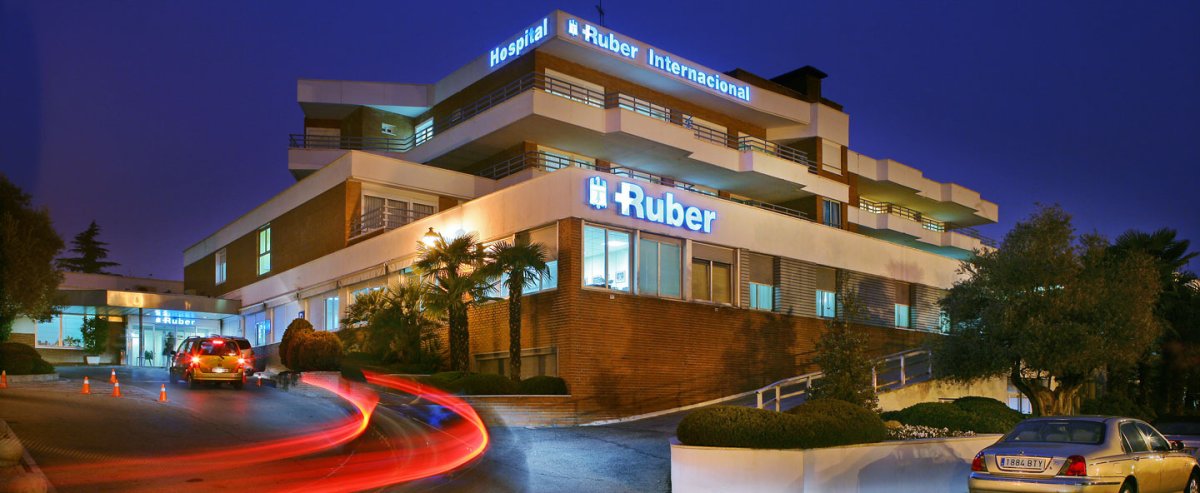
Hospital Ruber Internacional
4.5
Precio a consultar
Más información
Clinica Universidad de Navarra (Navarra Hospital)
4.77 reseñas
Precio a consultar
Más información
Anuncio
Centro Médico Teknon
Hospital HM Nou Delfos
4.65 reseñas
Precio a consultar
Más información

Obtenga una evaluación médica para Perforación timpánica en España: consulte con doctores experimentados ahora

Ver todos los médicos
verificado

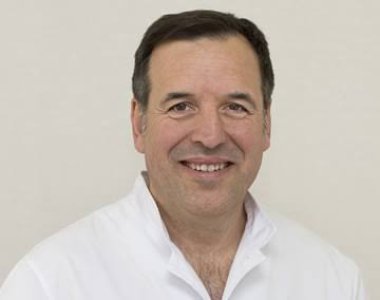
Carlos Pollan

38 años de experiencia • 435+ tratamientos realizados

El Dr. Pollán se especializa en cirugía de oído, incluida la timpanoplastia, un procedimiento clave para los tímpanos perforados, con 37 años de experiencia en otorrinolaringología y más de 435 intervenciones realizadas.

  • Experto en técnicas endoscópicas mínimamente invasivas
  • Formado en instituciones de primer nivel como la Universidad de Pittsburgh
  • Cirujano consultor de ORL en el Centro Médico Teknon
  • Autor publicado y conferenciante habitual en cirugía otorrinolaringológica
verificado

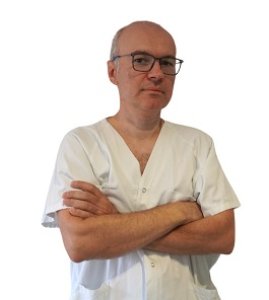
Volkert Boudewijn Wreesmann

15 años de experiencia • 5000+ tratamientos realizados

El Dr. Wreesmann aporta más de 20 años de experiencia especializada en otorrinolaringología y cirugía de cabeza y cuello, con un enfoque en soluciones quirúrgicas precisas.

  • Realizar 1200 resecciones oncológicas mayores de cabeza y cuello en el Memorial Sloan-Kettering Cancer Center
  • Presidente de Otorrinolaringología en el Centro Médico Teknon de Barcelona
  • Miembro de la American Head and Neck Society
  • Formarse en instituciones de primer nivel, incluidas la Universidad de Ámsterdam y la UCSF
verificado

Karin Petra Quirina Oomen

15 años de experiencia • 5000+ tratamientos realizados

El Dr. Oomen es un cirujano otorrinolaringólogo altamente especializado con amplia experiencia en procedimientos de oído, nariz y garganta para niños y adultos, incluida la reparación de la rotura del tímpano.

  • Completar una especialización en otorrinolaringología pediátrica en el Weill Cornell Medical College
  • Publicar múltiples artículos revisados por pares sobre técnicas quirúrgicas de ORL
  • Poseer licencias y certificaciones médicas en varios países
  • Dominar cinco idiomas, lo que garantiza una comunicación clara con los pacientes internacionales

Compartir contenido

Historias en video de pacientes de Bookimed

Dayana
Combiné mis vacaciones en Antalya con un chequeo médico.
Procedimiento: Chequeo femenino
Igor
¡Fue genial! Traslados, alojamiento, tratamiento, todo incluido.
Procedimiento: Implante dental
Clínica: WestDent Clinic
Marina
Bookimed se encargó de todo. No tuve que preocuparme por nada.
Procedimiento: Chequeo femenino
Actualizado: 12/09/2024
Escrito por
Olena Sikoza
Olena Sikoza
Сopywriter en español
Copywriter médica certificada responsable del contenido en español de Bookimed. Más de 7 años de experiencia en redacción sobre salud y turismo médico, con formación académica en edición científica y desarrollo de contenidos.
Fahad Mawlood
Editor médico y Científico de datos
Médico general. Ganador de 4 premios científicos. Sirvió en Asia Occidental. Es el ex jefe del equipo médico que soporta a pacientes de habla árabe. Ahora es responsable del procesamiento de datos y la precisión del contenido médico.
Fahad Mawlood Linkedin
Esta página puede incluir información relacionada con diversas afecciones médicas, tratamientos y servicios de salud disponibles en diferentes países. Tenga en cuenta que el contenido se proporciona sólo con fines informativos y no debe interpretarse como asesoramiento médico o orientación. Por favor consulte con su médico o con un profesional médico calificado antes de comenzar o cambiar el tratamiento médico.

Preguntas frecuentes sobre el tratamiento de Perforación timpánica en España

Estas preguntas frecuentes provienen de pacientes reales que buscan atención médica a través de Bookimed. Las respuestas son proporcionadas por coordinadores médicos experimentados y representantes autorizados de las clínicas.

Will my ruptured eardrum heal on its own, or should I expect to need surgery?

Most ruptured eardrums heal naturally within 2 to 8 weeks. Small tears often close without medical intervention. You may only need surgery like tympanoplasty if the membrane fails to repair after several months. Professional monitoring at JCI-accredited Spanish centers ensures proper tissue regeneration.

  • Healing timeframe: Small-to-medium perforations typically close spontaneously within 60 days.
  • In-office patching: Specialists may apply a medicated paper patch to guide growth.
  • Surgical triggers: Surgery is recommended for large tears or persistent hearing loss.
  • Specialist care: Spanish ENT surgeons frequently manage complex cases using endoscopic techniques.

Bookimed Expert Insight: While many patients expect immediate surgery, Spanish clinics like Hospital Ruber Internacional focus on high-volume diagnostic consultations first. Specialists such as Dr. Volkert Boudewijn Wreesmann emphasize observation because natural healing preserves better long-term hearing. Choosing a surgeon with over 5,000 procedures ensures they can accurately distinguish between a self-healing tear and one requiring intervention.

Patient Consensus: Patients are often surprised that doctors prefer watchful waiting over immediate repair. They note it is critical to keep the ear completely dry and avoid forceful nose-blowing to prevent delaying the healing process.

How do Spanish specialists diagnose a perforated eardrum?

Spanish ENT specialists diagnose a perforated eardrum using high-magnification visual exams and functional tests. Specialists like Dr. Carlos Pollan at Centro Medico Teknon utilize advanced otomicroscopy to map tear size. These centers follow European standards to assess hearing loss and middle ear health immediately.

  • Visual otoscopy: Specialists use handheld otoscopes to identify visible tears in the membrane.
  • High-magnification otomicroscopy: Doctors use specialized microscopes for 3D visualization of the eardrum edges.
  • Tympanometry: This pressure test evaluates eardrum vibration and confirms a potential perforation.
  • Audiometry: Soundproof booth testing determines the extent of conductive hearing loss present.

Bookimed Expert Insight: Spain ranks 4th globally in ENT care popularity on our platform. Specialists here often prioritize minimally invasive diagnostics using technologies like those at Hospital Ruber Internacional. While many smaller tears heal naturally, clinics in Barcelona and Madrid leverage high patient volumes to refine precise surgical planning during the initial visit.

Patient Consensus: Patients note that specialists focus heavily on keeping the ear canal dry during the diagnostic phase. They emphasize that while some small tears are monitored, visible fluid or dizziness usually triggers more detailed infection cultures.

What must I avoid during the healing period?

Patients recovering from a ruptured eardrum in Spain must strictly avoid water submersions and forceful nose blowing. Preventing infection stays the top priority. Spanish ENT specialists at JCI-accredited centers emphasize keeping the canal bone-dry. You must also avoid pressure changes from diving or flying.

  • Water protection: Avoid swimming or allowing shower water to enter the ear canal.
  • Pressure management: Do not blow your nose. Sneeze with your mouth open instead.
  • Mechanical safety: Avoid inserting cotton swabs or fingers into the ear during healing.
  • Medication caution: Use only prescribed ear drops. Non-approved drops can damage internal structures.

Bookimed Expert Insight: Spain ranks highly for complex ENT care, with clinics like Hospital Ruber Internacional performing over 6,000 surgeries yearly. Data shows that top clinicians, such as Dr. Carlos Pollan with over 25 years of experience, often advocate for a minimalist approach. This means avoiding any physical manipulation or over-cleaning, as the eardrum frequently heals naturally when left completely undisturbed in a controlled, dry environment.

Patient Consensus: Patients note it is helpful to use cotton balls coated in petroleum jelly when showering to keep the canal dry. Most emphasize that skipping flights and avoiding heavy lifting during the first few weeks prevents painful pressure spikes.

Can I safely fly home with a ruptured eardrum?

Flying with a ruptured eardrum is generally safe and often less painful than flying with a healthy ear. The perforation allows air pressure to equalize naturally between the middle and outer ear. This prevents painful pressure buildup during takeoff and landing. You must avoid flying if you have an active infection or had recent ear surgery.

  • Surgery restrictions: Avoid flying after tympanoplasty until a surgeon confirms the graft is stable.
  • Infection warning: Fever, severe pain, or vomiting indicate infections that make flying unsafe.
  • Ear protection: Keep the ear canal dry to prevent bacteria from entering the middle ear.
  • Gentle equalization: Use yawning or swallowing instead of forceful nose-blowing to clear your ears.
  • Medication tip: Use nasal decongestant sprays before takeoff if you have mild nasal congestion.

Bookimed Expert Insight: Spain ranks highly for ENT care, with clinics like Hospital HM Nou Delfos serving 400,000 patients annually. While many assume a rupture requires immediate surgery, high-volume centers often observe small perforations first. Specialists like Dr. Volkert Boudewijn Wreesmann have performed over 5,000 procedures, providing the expertise needed to decide if you need a temporary patch or a permanent surgical repair before your flight.

Patient Consensus: Patients note that flying with a rupture often causes less discomfort than expected. They emphasize keeping the ear dry and seeking a quick ENT exam if they notice fluid drainage or dizziness before boarding.

What are the surgical options if the eardrum fails to close spontaneously?

Surgical repair for a non-healing eardrum in Spain includes paper patching, myringoplasty, and tympanoplasty. ENT specialists recommend these when perforations persist beyond three months. These procedures restore hearing and prevent chronic infections. Spanish JCI-accredited centers utilize microscopic or endoscopic techniques for precise grafting.

  • Paper patching: Office-based procedure using specialized surgical paper to stimulate tissue growth.
  • Myringoplasty: Outpatient surgery using fat or fascia grafts for small eardrum holes.
  • Tympanoplasty: Formal microsurgery to repair large tears and address middle ear issues.
  • Ossiculoplasty: Reconstruction of tiny hearing bones performed alongside tympanoplasty if needed.

Bookimed Expert Insight: Spanish ENT centers like Centro Médico Teknon and Hospital Ruber Internacional offer a high level of surgical volume. For example, Dr. Volkert Boudewijn Wreesmann has performed over 5,000 procedures. This experience is vital since large or complex perforations require precise graft placement. Choosing a high-volume surgeon often ensures better long-term hearing restoration.

Patient Consensus: Patients note it is important to stay patient during the initial waiting period. They emphasize that keeping the ear dry is crucial to support healing before surgery.

What is the expected success rate and outcome of eardrum repair in Spain?

Eardrum repair in Spain achieves success rates between 85% and 95% for standard procedures. Most patients see significant hearing restoration and permanent closure of the tympanic membrane. Highly specialized ear, nose, and throat centers utilize minimally invasive endoscopic techniques to avoid external incisions and ensure rapid recovery.

  • Anatomical success: Most surgeries result in permanent closure of the perforated membrane.
  • Hearing restoration: Outcome goals include reducing the air-bone gap to normal levels.
  • Minimally invasive: Spanish centers like Hospital Ruber Internacional utilize advanced endoscopic tools.
  • Surgeon expertise: Specialists like Dr. Carlos Pollan perform precise robotic-assisted ear surgeries.

Bookimed Expert Insight: While many patients focus on large academic hospitals, data suggests that specialized clinics like ANDSURGEONS in Barcelona offer significant surgical depth. Dr. Volkert Boudewijn Wreesmann and Dr. Karin Petra Quirina Oomen have each performed approximately 5,000 procedures. This high volume often correlates with better precision in delicate reconstructions compared to centers with lower procedural frequency.

Pedir una consulta gratis

Seleccione la mejor manera de contactarle