Mesorrectomia laparoscopica en España — obtén 3 clínicas con costos


Revisado médicamente por
Fahad Mawlood
¿Cuál es el precio de Mesorrectomia laparoscopica en España? Descubra ahora
Laparoscopic mesorectumrctonomy in Spain typically costs from $14,500 to $21,000. Final pricing depends on the surgical technique, hospital stay duration, and the city location. These costs generally include the surgical team fees, specialized equipment use, and inpatient ward stay in major hubs like Madrid and Barcelona.
- Hospital stay duration: Costs increase with multi-day admissions and mandatory post-operative monitoring in the ICU.
- Robotic-assisted surgery: Utilizing Da Vinci Xi systems typically adds 20-30% over standard laparoscopic approaches.
- Geographic location: Private facility fees in Madrid may be 15-20% higher than in regional cities.
- Specialist expertise: Fees for oncological surgeons with international certifications vary based on clinical experience.
Bookimed Expert Insight: Spain offers elite surgical quality at a fraction of US costs. Hospital Ruber Internacional is JCI-accredited and ranked among the top 6 hospitals by Forbes. Specialists like Dr. Xavier Centeno Fornies bring Mayo Clinic training to Barcelona. Patients benefit from advanced Da Vinci robotic gastrectomies and rapid recovery protocols. Choosing clinics with ISO 9001 certification ensures standardized safety for complex rectal resections.
| España | Turquía | México | |
|---|---|---|---|
| Mesorrectomia laparoscopica | ≈ $14,500 | de $37,900 | ≈ $11,500 |
Sus beneficios y garantías con Bookimed
Precios directos
Bookimed no añade cargos adicionales a los precios de Mesorrectomia laparoscopica. Las tarifas proceden de las listas de precios oficiales de las clínicas. Pagará directamente en la clínica por su Mesorrectomia laparoscopica a su llegada al país.
Sólo clínicas y médicos verificados
Bookimed está comprometido con su seguridad. Solo trabajamos con las clínicas que mantienen altos estándares internacionales en Mesorrectomia laparoscopica y tienen las licencias necesarias para atender a pacientes internacionales en todo el mundo.
Asistencia 24/7 gratuita
Bookimed ofrece asistencia experta gratuita. Un coordinador médico personal le apoya antes, durante y después del tratamiento, resolviendo cualquier problema. Nunca estará solo en su viaje médico de Mesorrectomia laparoscopica.

Su coordinador médico personal de Bookimed
- Le apoya en cada etapa
- Ayuda a elegir la clínica y el médico adecuados
- Asegura un acceso rápido y conveniente a la información
Descubra las mejores clínicas de Mesorrectomia laparoscopica en España: 3 opciones verificadas y Precios
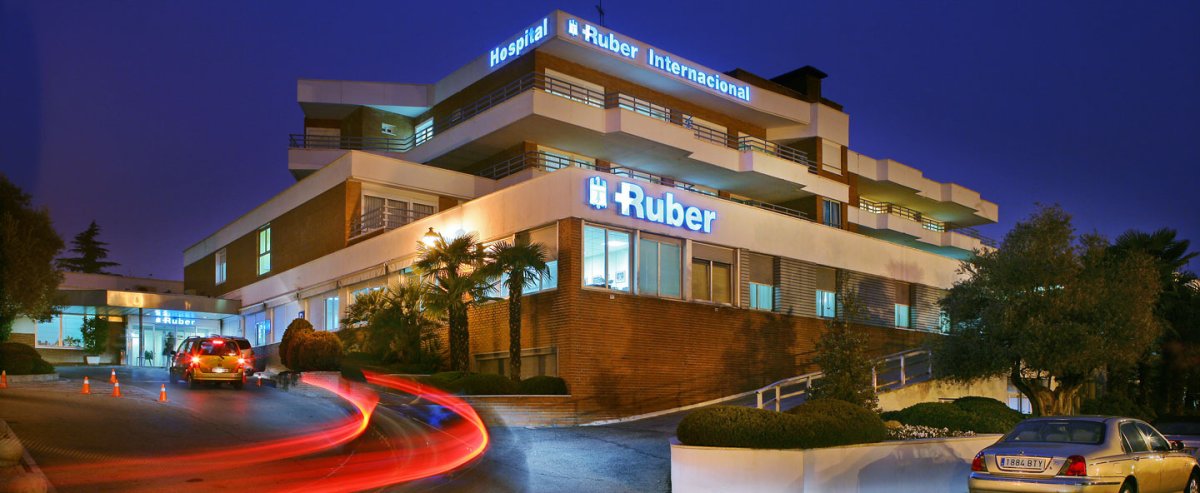







Descripción general de Mesorrectomia laparoscopica en España
- Eliminación de cáncer de colon - de $20,700Esta operación elimina los crecimientos malignos del colon, mejorando la calidad de vida y previniendo la metástasis.
- Mesorrectectomía total robótica - de $15,500La operación es una extracción del recto asistida por robot, lo que mejora la precisión, reduce el trauma y acelera la recuperación del paciente.
- Fotocoagulación - de $2,200Esta terapia utiliza el calor de la luz para encoger o sellar los vasos sanguíneos, a menudo curando afecciones como el desprendimiento de retina.
- Colectomía (resección del intestino grueso) - de $20,000El procedimiento elimina parte o la totalidad del colon para tratar enfermedades, mejorar la digestión y la salud en general.
- Resección rectal - de $29,000El procedimiento elimina una parte del recto para tratar afecciones como el cáncer, lo que garantiza una mayor tasa de supervivencia.
- Mesorrectomia laparoscopica - de $14,500La operación implica una cirugía mínimamente invasiva para extirpar el recto, por lo general para el cáncer de recto; ofrece una recuperación rápida y menos dolor.
- Hemicolectomía - de $12,300Esta operación elimina la mitad del colon para tratar enfermedades colorrectales, lo que ayuda a la recuperación del paciente y minimiza los riesgos futuros.
Día 1 - Llegada
- Check-in en la recepción del centro médico.
- Complete el papeleo necesario y los formularios de historial médico.
Día 2 - Preoperatorio
- Consulta con oncólogo quirúrgico y anestesista.
- Se realizan análisis de sangre y exploraciones por imágenes.
- Exploración física y valoración del riesgo anestésico.
- Se dan instrucciones dietéticas para la preparación intestinal.
Día 3 - Cirugía
- La mesorrectomía laparoscópica se realiza bajo anestesia general.
- El procedimiento suele durar de 2 a 4 horas.
- Durante la cirugía, se extirpan el recto y el mesorrecto afectados.
- Se puede crear una colostomía temporal si es necesario.
Día 4 - Postoperatorio
- Recuperación en la unidad de cuidados postanestésicos.
- Se proporcionan instrucciones para el manejo del dolor y el cuidado de heridas.
- Comienzan las sesiones de fisioterapia para la movilización temprana.
Día 5-10 - Estancia en el hospital
- Vigilancia de signos vitales y cicatrización de heridas.
- Ajuste del plan de manejo del dolor si es necesario.
- Reintroducción paulatina a alimentos sólidos.
- Planificación del alta con un equipo sanitario.
Semana 2-6 - Rehabilitación
- Aumento gradual de la actividad física.
- Cuidado de la colostomía y manejo de la dieta.
- Visitas de seguimiento con el cirujano y el oncólogo.
- Para la semana 6, a menudo es posible regresar al trabajo.
Semana 6-12 - Resultado final
- La mayoría de los pacientes ven el resultado final en la semana 12.
- Reanudación de la mayoría de los deportes y actividades normales.
Tenga en cuenta que los tiempos de recuperación individuales pueden variar según factores personales y médicos. Consulte siempre a su proveedor de atención médica para recibir asesoramiento personalizado.
- Depósito de Bookimed: 200 $ o 200 €.
- Depósito de la clínica: Pague un porcentaje fijo por adelantado.
Obtenga una evaluación médica para Mesorrectomia laparoscopica en España: Elija su especialista entre los mejores en el campo
Ver todos los médicos
Lana Bijelic
La Dra. Lana Bijelic se especializa en carcinomatosis peritoneal y se formó bajo la tutela del Prof. Paul Sugarbaker en el Washington Hospital Center.
- Certificada por el American Board of Surgery
- Miembro de múltiples sociedades quirúrgicas prestigiosas
- Posee premios académicos por excelencia quirúrgica e investigación
- Profesora asociada en la Virginia Commonwealth University
Historias en video de pacientes de Bookimed
Reseñas
Todas las reseñas


Compartir contenido
 Olena Sikoza
Preguntas frecuentes sobre Mesorrectomia laparoscopica en España
¿Cuál es la ventaja de la TME laparoscópica sobre la cirugía abierta?
La escisión total del mesorrecto (ETM) laparoscópica ofrece ventajas de recuperación superiores mediante incisiones más pequeñas, menor pérdida de sangre operatoria y estancias hospitalarias más cortas en comparación con la cirugía abierta. Este enfoque mínimamente invasivo utiliza cámaras de alta definición para una precisión que preserva los nervios, manteniendo las funciones urinarias y sexuales críticas al tiempo que conserva la eficacia de la eliminación del cáncer.
- Tamaño de la incisión: Los cirujanos operan a través de 3 a 5 pequeños puertos en lugar de grandes aberturas abdominales.
- Control del dolor: Los pacientes generalmente reducen o suspenden la medicación para el dolor dentro de los 4 días posteriores a la cirugía.
- Velocidad de movilidad: La mayoría de las personas comienzan a caminar a las pocas horas, lo que reduce significativamente los riesgos de trombosis venosa profunda.
- Preservación funcional: La visualización pélvica mejorada ayuda a prevenir daños nerviosos y evita las mallas quirúrgicas.
Perspectiva del experto de Bookimed: Si bien la cirugía abierta a menudo requiere hospitalizaciones de una semana, los centros españoles como el Hospital Ruber Internacional y el Centro PAD utilizan protocolos laparoscópicos que facilitan un alta mucho más temprana. Cirujanos especializados como la Dra. Lana Bijelic han realizado
¿El cirujano realiza todo el procedimiento por vía laparoscópica?
Los cirujanos en España suelen realizar toda la mesorrectectomía laparoscópica a través de 4 a 5 pequeñas incisiones utilizando instrumentos especializados y cámaras de alta definición. Aunque está diseñado como un procedimiento mínimamente invasivo, los cirujanos mantienen la opción de convertir a un abordaje abierto si surgen anatomías complejas o problemas de seguridad durante la cirugía.
- Visualización de alta definición: Los laparoscopios brindan a los cirujanos una visión clara de las estructuras pélvicas profundas en los monitores.
- Instrumentación avanzada: Las herramientas especializadas de eje largo permiten una disección precisa del tejido rectal a través de puertos.
- Robótica quirúrgica: Clínicas como el Hospital Ruber Internacional utilizan la tecnología Da Vinci Xi para una mayor precisión.
- Credenciales de expertos: Especialistas como la Dra. Lana Bijelic han realizado más de 1,300 cirugías oncológicas complejas.
Perspectiva del experto de Bookimed: Aunque muchas clínicas ofrecen técnicas laparoscópicas, los centros líderes como el Centro PAD se centran en los protocolos ERAS (Recuperación Intensificada Después de la Cirugía). Los datos muestran que elegir un especialista acreditado por ERAS, como el Dr. Xavier Centeno Fornies, a menudo se correlaciona con una movilización más rápida. Estos cirujanos priorizan el mantenimient
¿Quiénes son algunos de los mejores especialistas para este procedimiento en España?
Los mejores especialistas en mesorrectectomía laparoscópica en España incluyen a la Dra. Lana Bijelic y al Dr. Xavier Centeno Fornies en el Centro Médico Teknon de Barcelona. Estos cirujanos mantienen credenciales internacionales del American Board of Surgery y la Mayo Clinic, enfocándose en procedimientos oncológicos y colorrectales mínimamente invasivos.
- Dra. Lana Bijelic: Realizó más de 1,300 cirugías complejas de cáncer; entrenada por Sugarbaker en el Medstar Washington Hospital.
- Dr. Xavier Centeno Fornies: Especializado en cirugía colorrectal laparoscópica con formación avanzada en la Mayo Clinic.
- Centro Médico Teknon: Centro de Barcelona que cuenta con especialistas formados en centros de oncología e investigación de primer nivel en EE. UU.
- Centro PAD: Hospital inteligente con sede en Madrid centrado en la recuperación rápida mediante cirugía asistida por robot Da Vinci.
Perspectiva del experto de Bookimed: Aunque muchos cirujanos generales ofrecen laparoscopia, los resultados más exitosos en España se correlacionan con cirujanos capacitados en la técnica Sugarbaker. La experiencia de la Dra. Lana Bijelic con más de 1,300 casos en el Centro Médico Teknon proporciona una ventaja significativa para la oncología pélvica y colorrectal compleja.
Consenso del paciente: El éxito depende de un mapeo preoperatorio e
¿Qué preparación se necesita antes de una TME en España?
La preparación para la Escisión Total del Mesorrecto (ETM) en España implica imágenes especializadas, limpieza intestinal y exámenes preoperatorios. Los pacientes se someten a resonancias magnéticas o tomografías computarizadas de alta resolución para estadificar el tumor antes de que los cirujanos en centros acreditados por la JCI en Madrid o Barcelona realicen el procedimiento utilizando técnicas laparoscópicas o asistidas por robot.
- Protocolos de imagen: Las resonancias magnéticas o tomografías computarizadas pélvicas avanzadas confirman la estadificación y ubicación del tumor.
- Preparación intestinal: Las dietas líquidas y los laxantes suelen comenzar de 24 a 48 horas antes.
- Revisión de medicamentos: Los pacientes deben dejar de tomar anticoagulantes de 5 a 7 días antes.
- Pruebas preoperatorias: Los hemogramas completos y los perfiles de coagulación garantizan la seguridad y la preparación quirúrgica.
Perspectiva del experto de Bookimed: Especialistas españoles líderes como la Dra. Lana Bijelic utilizan a menudo protocolos ERAS (Recuperación Intensificada Después de la Cirugía). Este enfoque prioriza la movilidad temprana y una nutrición específica sobre el ayuno tradicional a largo plazo. Elegir un centro con certificación ISO 45001 o JCI garantiza que estos modernos caminos de recuperación se sigan estrictamente.
Cons
¿Cuál es el tiempo típico de recuperación después de un procedimiento de mesorrecto laparoscópico?
La recuperación de una mesorrectectomía laparoscópica suele implicar una estancia hospitalaria de 2 a 7 días, con pacientes caminando al día siguiente. La mayoría de las personas retoman actividades ligeras y el trabajo en un plazo de 2 a 4 semanas, aunque la curación total de los tejidos y la regulación intestinal tardan de 3 a 6 meses.
- Estancia hospitalaria: Se esperan de 2 a 3 días para casos estándar, extendiéndose a 5 a 7 días.
- Cronograma de movilidad: Se alienta a los pacientes a levantarse de la cama y caminar dentro de las 24 horas.
- Restricciones físicas: Se deben evitar las cargas pesadas y el ejercicio extenuante durante al menos 6 a 8 semanas.
- Curación a largo plazo: La función nerviosa e intestinal continúa estabilizándose hasta 12 meses después de la cirugía.
Perspectiva del experto de Bookimed: Los centros españoles como el Centro Médico Teknon se centran en los protocolos de Recuperación Intensificada Después de la Cirugía (ERAS) para reducir las estancias. Aunque el dolor suele desaparecer en 3 semanas, los datos muestran que la fatiga es el obstáculo de recuperación más persistente. Se aconseja programar al menos 4 semanas para volver al trabajo y gestionar los niveles de energía de manera efectiva.
Consenso del paciente: Muchos pacientes descubren que, aunque pueden caminar pronto, la urgencia i
¿El cirujano tomará fotos o videos del procedimiento?
Los cirujanos en España a menudo toman fotos o videos intraoperatorios durante la mesorrectectomía laparoscópica para fines de documentación, garantía de calidad o educación. Los pacientes deben proporcionar consentimiento explícito para la grabación. La documentación es frecuente en procedimientos mínimamente invasivos ya que los laparoscopios y los sistemas robóticos Da Vinci ya utilizan cámaras de alta definición.
- Documentación rutinaria: Los cirujanos a menudo capturan imágenes fijas para documentar el progreso del procedimiento y los hallazgos anatómicos.
- Tecnología mínimamente invasiva: Sistemas como Da Vinci Xi facilitan la grabación dentro de los sistemas de imágenes médicas digitales.
- Requisitos de consentimiento: Los hospitales requieren formularios firmados para información de identificación o uso fuera de la atención directa al paciente.
- Revisión postoperatoria: Los especialistas pueden mostrar imágenes a los pacientes durante la recuperación para explicar el resultado quirúrgico.
Perspectiva del experto de Bookimed: Si bien muchas cirugías laparoscópicas se graban para los equipos quirúrgicos, los pacientes rara vez reciben archivos de video automáticamente. Clínicas como Centro PAD utilizan enfoques de recuperación rápida donde la documentación de la precisión es común. Para obtener los mejores resultados, solicite imágene