El costo de la extirpación del cáncer de colon en España suele oscilar entre $18,000 y $30,000. Los precios varían según el hospital, la experiencia del cirujano, la complejidad del tumor y si se realiza una cirugía mínimamente invasiva o abierta. En Estados Unidos, el costo promedio es de $70,000 (según ACS). Esto significa que la extirpación del cáncer de colon en España es aproximadamente un 66% menos costosa que en EE. UU.
Los paquetes en España suelen incluir la consulta inicial, análisis de sangre preoperatorios, medicación postoperatoria, visitas de seguimiento, personal que habla inglés, planes de atención personalizados, instrucciones de cuidados postoperatorios, comidas durante las visitas a la clínica y soporte 24/7. En EE. UU., el precio base a menudo cubre solo la cirugía, con facturas separadas para pruebas, medicamentos y seguimientos. Siempre confirmar exactamente qué está incluido en cada clínica.
¿Por qué eligen los pacientes España para la extirpación del cáncer de colon?
Acceda a soluciones avanzadas para la extirpación del cáncer de colon en clínicas de confianza .
Bookimed no añade cargos adicionales a los precios de Eliminación de cáncer de colon. Las tarifas proceden de las listas de precios oficiales de las clínicas. Pagará directamente en la clínica por su Eliminación de cáncer de colon a su llegada al país.
Bookimed está comprometido con su seguridad. Solo trabajamos con las clínicas que mantienen altos estándares internacionales en Eliminación de cáncer de colon y tienen las licencias necesarias para atender a pacientes internacionales en todo el mundo.
Bookimed ofrece asistencia experta gratuita. Un coordinador médico personal le apoya antes, durante y después del tratamiento, resolviendo cualquier problema. Nunca estará solo en su viaje médico de Eliminación de cáncer de colon.
Día 1 - Llegada
Día 2 - Preoperatorio
Día 3 - Día de la operación
Día 4 - Postoperatorio
Día 5 a 7 - Estancia hospitalaria
Semana 1 a 3 - Rehabilitación en casa
Semana 4 - Regreso al trabajo
Semana 6 - Regreso a las actividades deportivas
Tenga en cuenta que el cronograma de recuperación y la experiencia de cada paciente pueden variar, según las circunstancias individuales y los detalles de la cirugía realizada.
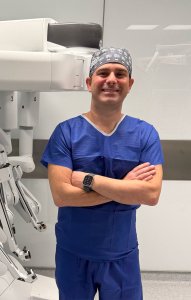
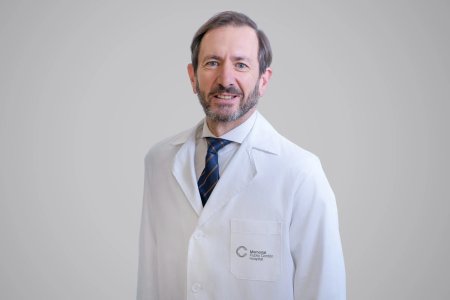
El Dr. Jaume Capdevila se especializa en cánceres digestivos en Centro Médico Teknon, con un enfoque en los tratamientos para el cáncer de páncreas y de colon.
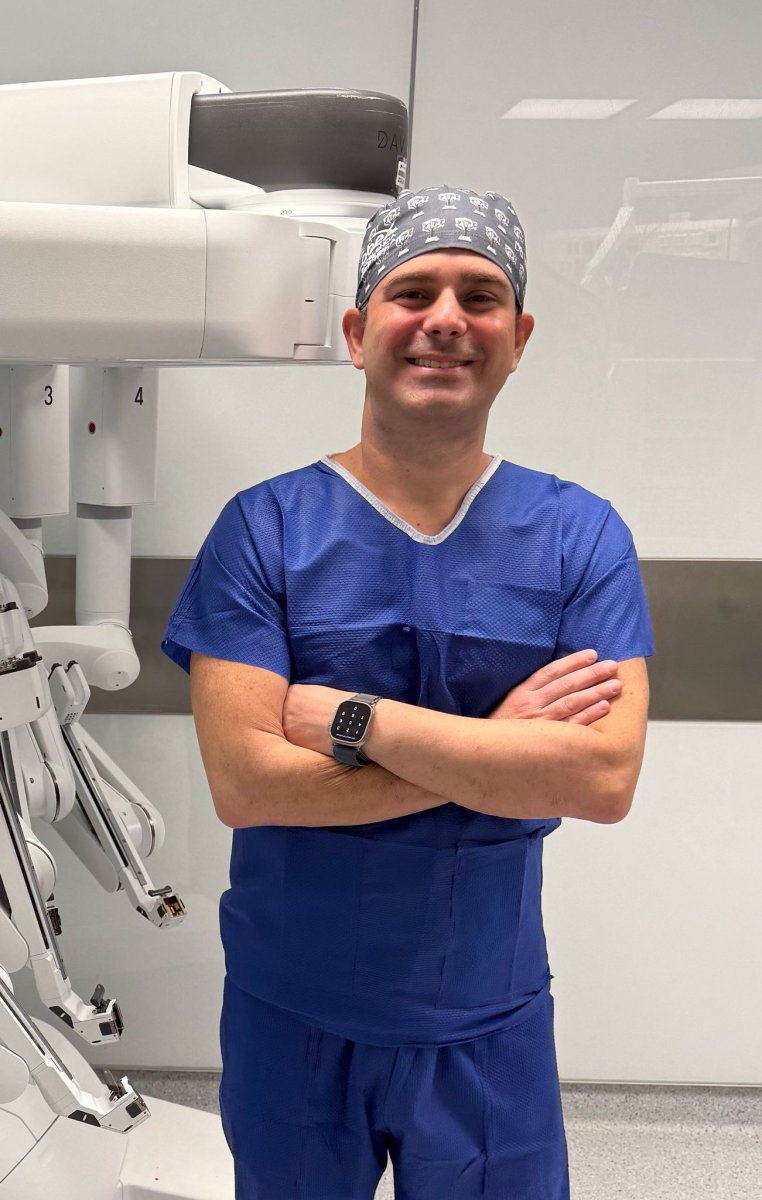
Se especializa en cirugía avanzada para el cáncer peritoneal y abdominal en el Centro Médico Teknon, con una amplia experiencia en casos complejos.
Patients undergoing colon cancer surgery in Spain typically stay in the hospital for 3 to 7 days. This timeframe varies based on surgical technique, with minimally invasive laparoscopic or robotic approaches often allowing for discharge within 2 to 3 days compared to longer stays for open surgery.
Bookimed Expert Insight: Spanish clinics like Centro Médico Teknon and Hospital Quiron Barcelona utilize Da Vinci Xi robotic systems to minimize trauma. Data shows these top-tier centers handle over 23,000 operations annually, maintaining high safety standards. Choosing a JCI-accredited facility in Spain ensures that discharge protocols strictly follow international recovery benchmarks rather than just hospital bed availability.
Patient Consensus: While 3 to 7 days is standard, recovery depends on hitting milestones like bowel function and mobility. Many patients emphasize that getting out of bed early is the fastest way to get home.
Spain utilizes advanced surgical approaches for colon cancer removal, primarily focusing on minimally invasive laparoscopic and robotic-assisted colectomies. Leading oncology centers in Barcelona and Madrid integrate Da Vinci Xi technology for high-precision resections, effectively reducing recovery times while maintaining strict European medical standards.
Bookimed Expert Insight: Spanish centers like Centro Médico Teknon and Hospital Ruber Internacional stand out by offering molecular staging alongside surgery. This data-driven approach allows surgeons to identify microscopic disease spread during the procedure, which is a level of detail often missing in standard surgical packages. Choosing a clinic with this capability can significantly refine your post-operative treatment plan.
Patient Consensus: Many patients find that early detection via stool tests allows for simple endoscopic removal, avoiding major surgery entirely. For those requiring resection, the primary concern is often whether a stoma will be temporary or permanent.
Spain reports a high 5-year survival rate of 62.6% for colon cancer, with early-stage cure rates exceeding 90%. Quality care is maintained through JCI-accredited facilities and surgeons holding European Board of Surgery qualifications. Advanced technologies like Da Vinci robotic-assisted surgery and laparoscopic techniques ensure high precision.
Bookimed Expert Insight: Spain’s private sector offers a significant speed advantage, with treatment typically starting within 14 days. While leading centers like Hospital Quiron Barcelona maintain massive patient volumes, smaller specialized units like Centro PAD focus on robotic-assisted recovery. This makes Spain a top choice for patients needing immediate, high-tech surgical intervention.
Patient Consensus: Survivors emphasize that pathology results, specifically clear margins and negative lymph nodes, are the true markers of surgical success. Many credit Spain’s national screening programs for catching tumors early enough to avoid chemotherapy entirely.
A colostomy can often be avoided or reversed after colon cancer surgery depending on tumor location and surgical technique. Temporary stomas typically remain for 6 weeks to 6 months. Specialized approaches like sphincter-saving surgery and robotic-assisted resection help preserve normal bowel function and prevent permanent bags.
Bookimed Expert Insight: Spanish oncology centers like Centro Médico Teknon integrate robotic platforms like Da Vinci Xi specifically to improve precision during low rectal resections. While many patients fear a permanent bag, the focus in Madrid and Barcelona clinics is on secondary reconnection. Data from specialists like Dr. Fadrique shows that using cytoreduction and HIPEC for complex cases can sometimes manage advanced stages while still prioritizing bowel continuity.
Patient Consensus: While many found the initial stoma emotionally challenging, they reported returning to activities like hiking and swimming within months. Patients emphasize asking exactly which muscles will be removed before surgery to set realistic expectations for reversal.
A hospital stay for a colectomy in Spain typically lasts 10 days for medical tourists. This period includes the surgical procedure and initial inpatient recovery. While most patients stabilize within 3 to 7 days, specialized clinics often extend the stay to facilitate rehabilitation and monitor bowel function.
Bookimed Expert Insight: Spanish centers like Hospital Ruber Internacional and Centro Médico Teknon prioritize advanced technologies like the Da Vinci Xi robot. Our data shows that high-volume surgeons, such as Dr. Alfonso García Fadrique who has over 12,000 procedures, achieve faster recovery milestones. This expertise combined with Spanish public health coordination ensures transitions from hospital to rehabilitation are seamless for international patients.
Patient Consensus: Recovery depends heavily on hitting personal milestones like walking and eating after surgery. Most patients recommend clearing discharge criteria with the surgeon early to plan travel after major colon procedures.
Barcelona and Madrid are Spain's primary hubs for colorectal surgery, featuring Joint Commission International (JCI) accredited facilities. Top hospitals include Centro Médico Teknon and Hospital Quirónsalud Barcelona, renowned for surgical oncology. These centers utilize Da Vinci robotic systems and advanced treatments like HIPEC to ensure precise cancer removal.
Bookimed Expert Insight: While Madrid and Barcelona are standard choices, Centro PAD in Madrid stands out as a World's Best Smart Hospital 2023. This facility specifically focuses on rapid recovery protocols using the Da Vinci Xi robot. Choosing `Smart` designated facilities often ensures access to the newest laparoscopic techniques that minimize abdominal scarring.
Patient Consensus: Patients prioritize university-affiliated hospitals because they provide multidisciplinary teams including stoma nurses and radiologists. Successful recovery often depends on choosing clinics that offer prompt post-operative monitoring and clear colon cancer pathways.