Brackets de autoligado en España — encuentre las 3 mejores clínicas con costos


Revisado médicamente por
Fahad Mawlood
Cómo funciona
¿Cuál es el precio de Brackets de autoligado en España? Descubra ahora
Los brackets autoligables en España suelen costar entre $2,300 y $3,500. Los precios dependen del material de los brackets, la complejidad del caso y la ubicación de la clínica en ciudades como Madrid o Barcelona. Los pacientes ahorran aproximadamente un 49% en comparación con los EE. UU., donde el costo promedio es de $5,700. La mayoría de los presupuestos dentales españoles incluyen consultas, imágenes, ajustes y retenedores postratamiento.
- Brackets metálicos autoligables H4: de $1,200 a $1,900 por una arcada.
- Brackets SmartClip: de $2,600 a $3,700 por tecnología avanzada de baja fricción.
- Brackets estéticos de cerámica: suelen añadir un suplemento del 15-25% sobre los sistemas metálicos estándar.
- Variaciones regionales de precios: los presupuestos en Barcelona y Madrid pueden ser entre un 15 y un 20% más altos que en Almería.
Perspectiva del experto de Bookimed: España ofrece una ventaja única gracias a su sector dental altamente regulado y a sus clínicas con certificación ISO. Elegir un centro como Clinica Dental - Dr. Joan Ramis Matas o Clinica Dental El Cedro garantiza estándares de calidad internacionales. Muchos pacientes prefieren las clínicas españolas porque a menudo ofrecen precios con todo incluido. Este enfoque transparente evita las tarifas incrementales por ajustes que se encuentran comúnmente en otros países.
| España | Estados Unidos | México | |
|---|---|---|---|
| Brackets de autoligado | ≈ $2,300 | ≈ $4,500 | de $1,000 |
| Brackets metálicos autoligables H4 (EE. UU.), 1 mordaza | ≈ $1,200 | ≈ $3,000 | de $1,200 |
| Brackets cerámicos de autoligado Clarity (EE. UU.), 1 mordaza | ≈ $1,100 | ≈ $2,800 | de $1,300 |
| Brackets SmartClip | ≈ $2,600 | ≈ $4,500 | ≈ $2,200 |
Descubra las mejores clínicas de Brackets de autoligado en España: 14 opciones verificadas y Precios
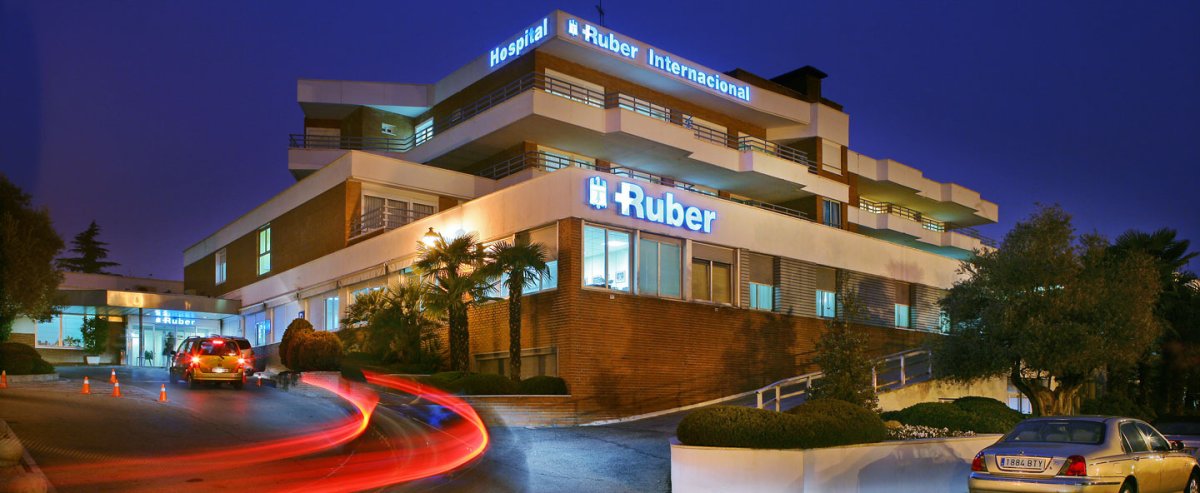



Hospital Sant Joan de Déu Barcelona







Fernandez & Ayora Dental
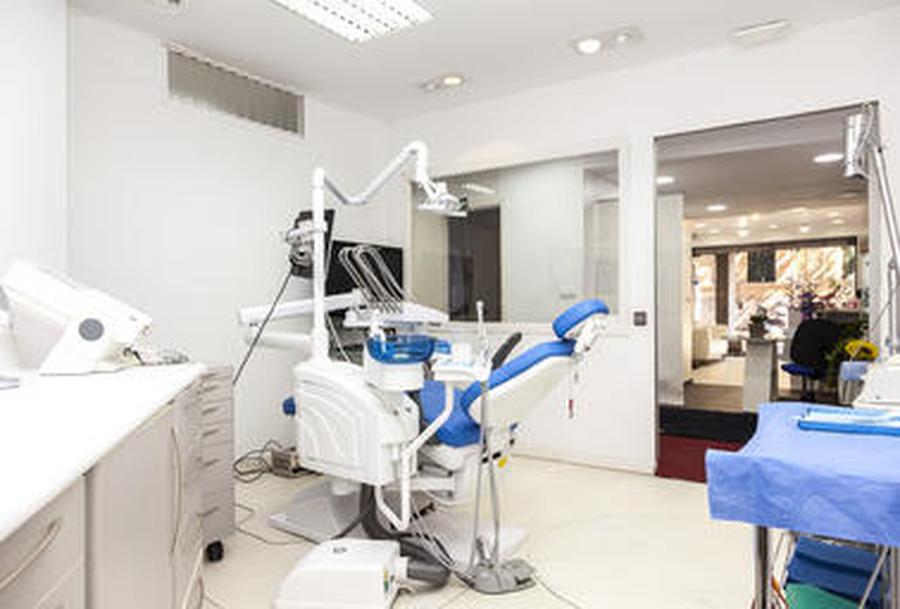
Disseny de Somriures


Face Clinic

Castellanos Centro Odontologico

Descripción general de Brackets de autoligado en España
- Brackets de autoligado - de $2,300La terapia consiste en aparatos de ortodoncia fijos que se aprietan automáticamente para enderezar los dientes de manera más cómoda y eficiente.
- Brackets SmartClip - de $2,600Este procedimiento utiliza brackets de autoligado para un enderezamiento efectivo de los dientes, reduciendo el tiempo de tratamiento y las molestias.
Día 1
- Llegada al país.
- Traslado del aeropuerto al hotel.
Dia 2
- Consulta con ortodoncista.
- Realizar pruebas médicas como radiografías.
Día 3
- Procedimiento de colocación de aparatos ortopédicos de autoligado, que suele tardar entre 1 y 2 horas.
- No se requiere anestesia para este procedimiento.
Día 4
- Control postoperatorio con el ortodoncista.
- Se dan instrucciones sobre el cuidado y la limpieza de los aparatos ortopédicos.
Dia 5
- Consulta final con el ortodoncista.
- Traslado del hotel al aeropuerto.
Semana 1-2
- Ajuste inicial de ortodoncia en casa.
- Limpieza y cuidado regular de los brackets.
Semana 3-4
- Regreso al trabajo y otras actividades.
- Revisiones periódicas con un ortodoncista local para ajuste.
Mes 6-24
- Alineación gradual de los dientes.
- El resultado final se puede ver después de 1-2 años, dependiendo del caso.
Tenga en cuenta que cada caso es individual y la línea de tiempo puede variar.
- Depósito de Bookimed: 200 $ o 200 €.
- Depósito de la clínica: Pague un porcentaje fijo por adelantado.
Obtenga una evaluación médica para Brackets de autoligado en España: Elija su especialista entre los mejores en el campo
Ver todos los médicos
Ana Ledesma Pavón
Cristina Martínez-Almoyna Rifá
Historias en video de pacientes de Bookimed
Reseñas
Todas las reseñasCompartir contenido
 Olena Sikoza
Preguntas frecuentes sobre Brackets de autoligado en España
¿Qué son los brackets de autoligado?
Los brackets de autoligado son dispositivos de ortodoncia avanzados que utilizan un mecanismo deslizante integrado especializado o un sistema de puertas para asegurar el arco. A diferencia de los brackets tradicionales, eliminan las ligaduras elásticas, lo que reduce la fricción para una mayor comodidad y una higiene más sencilla en clínicas españolas acreditadas por la JCI.
- Sin gomas: Utiliza clips metálicos o puertas en lugar de elásticos para sujetar los arcos.
- Menor mantenimiento: La ausencia de ligaduras elásticas minimiza la acumulación de placa y simplifica el cepillado diario.
- Menos ajustes: Las citas de seguimiento suelen realizarse cada 2 meses en lugar de cada mes.
- Opciones de tratamiento: Disponibles en diseños activos o pasivos utilizando marcas como Damon o H4.
Opinión del experto de Bookimed: Aunque los pacientes a menudo priorizan la velocidad, el verdadero valor aquí es la flexibilidad social. Los datos muestran que estos brackets cuestan en promedio $2,300 en España, pero el programa de seguimiento bimestral es el principal atractivo para los pacientes internacionales que viajan a ciudades como Barcelona o Madrid.
Consenso de los pacientes: Los pacientes destacan con frecuencia la reducción significativa de las llagas en la boca y la comodidad de limpiarse los dientes sin que la co
¿Duelen más los brackets autoligables que los tradicionales?
Los brackets autoligables generalmente causan menos molestias que los tradicionales porque utilizan un mecanismo de deslizamiento en lugar de ligaduras elásticas. Este diseño reduce la fricción y aplica fuerzas más suaves y constantes a los dientes. Los pacientes a menudo experimentan un dolor más leve y menos llagas en la boca debido al perfil más pequeño y suave de los brackets.
- Reducción de la fricción: Los clips integrados permiten que los arcos se deslicen libremente, minimizando la presión dolorosa durante el movimiento.
- Niveles de dolor: La mayoría de los pacientes reportan una molestia leve en lugar de un dolor agudo después de la colocación inicial.
- Irritación de los tejidos: Los brackets más pequeños, como el sistema H4, causan menos lesiones en la parte interna de los labios.
- Frecuencia de ajuste: La reducción de la fricción generalmente extiende los intervalos de seguimiento a cada 8 semanas en España.
Perspectiva del experto de Bookimed: Si bien muchos eligen sistemas autoligables por comodidad, la verdadera ventaja en España es la eficiencia de los sistemas de alta tecnología como SmartClip y H4. Los datos muestran que estas clínicas priorizan la precisión quirúrgica de alto volumen, combinando a menudo la atención ortodóncica con experiencia multidisciplinaria. Seleccionar un centro acreditado por la JCI en Madrid o Barce
¿Cuál es la diferencia entre los brackets autoligables activos y pasivos?
Los brackets autoligables activos utilizan un clip de resorte para presionar el arco contra la ranura del bracket, asegurando un control preciso del torque. Los sistemas pasivos utilizan una puerta deslizante que sostiene el arco sin presión directa, reduciendo la fricción para facilitar un movimiento dental inicial más rápido durante la fase de nivelación.
- Mecanismo activo: El clip ejerce una presión constante para un posicionamiento y rotación detallados de los dientes en la etapa final.
- Mecanismo pasivo: La puerta deslizante crea una ranura similar a un tubo para una menor resistencia y mayor comodidad.
- Expresión de torque: Los brackets activos como In-Ovation proporcionan un control superior durante las etapas de acabado.
- Niveles de fricción: Los sistemas pasivos como Damon minimizan la fricción, ayudando en el desarrollo rápido del arco dental.
Perspectiva del experto de Bookimed: Aunque los pacientes a menudo se centran en los tipos de brackets, nuestros datos indican que la elección de la clínica en España es en realidad el principal factor de rendimiento. Los centros especializados como Castellanos Centro Odontologico o Clinica Dental Dr. Joan Ramis Matas tratan a un gran volumen de pacientes internacionales, donde la estrategia biomecánica del ortodoncista importa más que si un bracket es activo o pasivo.
Consens
¿Cuánto dura el tratamiento con brackets autoligables en España?
El tratamiento con brackets autoligables en España suele durar de 12 a 24 meses, y muchos casos finalizan en menos de 18 meses. Los sistemas de alta eficiencia como Damon o SmartClip utilizan mecanismos deslizantes para reducir la fricción, lo que a menudo acelera el movimiento dental y acorta el tiempo total de corrección.
- Eficiencia del sistema: La tecnología autoligable puede reducir el tiempo total de tratamiento entre un 15 y un 30% en comparación con los brackets tradicionales.
- Marcas clínicas: Las clínicas utilizan sistemas avanzados como Damon, H4 y SmartClip para obtener resultados más rápidos.
- Factores de complejidad: Las sobremordidas graves, las mordidas profundas o las extracciones necesarias pueden prolongar el tratamiento hasta los 24 meses.
- Frecuencia de citas: Los brackets pasivos permiten menos visitas al consultorio y un ajuste manual menos frecuente.
Opinión del experto de Bookimed: Mientras que los brackets tradicionales requieren visitas mensuales, las clínicas en Madrid y Barcelona suelen programar los ajustes de los brackets autoligables cada 8 a 10 semanas. Este intervalo extendido es posible porque los arcos de alta tecnología mantienen una presión constante y suave sin necesidad de ligaduras manuales. Esto convierte a España en una excelente opción para pacientes internacionales que no pueden viajar para chequ
¿Cuáles son las principales ventajas de los brackets de autoligado?
Los brackets de autoligado utilizan un mecanismo especializado de puerta o clip para sujetar los arcos, reemplazando las bandas elásticas tradicionales. Este sistema proporciona una mayor comodidad al reducir la fricción, permite una higiene bucal superior y puede reducir potencialmente la duración del tratamiento de 24 meses a aproximadamente 18 meses.
- Velocidad de tratamiento: Algunos pacientes obtienen resultados 6 meses más rápido que con los métodos de ortodoncia tradicionales.
- Reducción de la fricción: Los clips deslizantes aplican una presión más suave, lo que reduce significativamente las molestias físicas diarias.
- Higiene bucal: La ausencia de ligaduras elásticas evita la acumulación de placa y facilita el cepillado rutinario.
- Menos visitas: Los intervalos de ajuste suelen extenderse a 2 meses, lo que requiere menos citas en la clínica.
Perspectiva del experto de Bookimed: Las clínicas españolas como Fernandez & Ayora Dental o Clinica Dental El Cedro prefieren sistemas premium como Damon y SmartClip. Estas marcas permiten ajustes más rápidos en el sillón dental. Aunque la tecnología es avanzada, la habilidad de su ortodoncista sigue siendo el factor principal para lograr un arco de sonrisa más amplio de forma segura.
Consenso de los pacientes: Los pacientes destacan con frecuencia el alivio de no ten
¿Están disponibles los brackets de autoligado en cerámica?
Los brackets de autoligado están disponibles en cerámica, combinando el aspecto discreto de los materiales translúcidos del color de los dientes con un mecanismo de deslizamiento de baja fricción. Estos sistemas, incluidos los brackets 3M estándar de la industria, eliminan la necesidad de ligaduras elásticas, facilitando un movimiento dental más rápido mientras mantienen un perfil estético casi invisible para los pacientes.
- Ventaja del material: Los brackets de cerámica translúcida se mezclan naturalmente con los dientes para proporcionar una apariencia discreta.
- Eficiencia mecánica: Los clips de autoligado de baja fricción simplifican los ajustes del arco y reducen la duración del tratamiento.
- Durabilidad: Los brackets de cerámica pulida están diseñados para resistir la acumulación de placa y evitar atascos.
- Comodidad mejorada: Las aletas redondeadas de los brackets minimizan la irritación de los tejidos blandos durante el proceso de alineación.
Opinión del experto de Bookimed: Aunque los brackets de cerámica en sí son resistentes a las manchas, muchos pacientes pasan por alto que las ligaduras elásticas transparentes utilizadas en los brackets tradicionales se decoloran fácilmente. Al elegir sistemas de cerámica autoligables como los de Clinica Dental - Dr. Joan Ramis Matas, evitas estas ligaduras por completo, manteniendo tus bracket