Ir a inicio
820К+ pacientes han recibido asistencia desde 2014
50 países
1,500 clínicas
6K+ reseñas
3K+ médicos calificados

¿Cuál es el precio de Discectomía endoscópica en Tailandia? Descubra ahora

El costo de la discectomía endoscópica en Tailandia suele oscilar entre $3,500 / 129,500฿ y $6,500 / 240,500฿. Los precios pueden variar según el hospital, la experiencia del cirujano, la complejidad del problema de columna y si se requieren estudios de imagen adicionales o anestesia. En Estados Unidos, el costo promedio es de $25,000 / 925,000฿ (según NASS). Esto significa que la discectomía endoscópica en Tailandia cuesta aproximadamente un 80% menos que en EE. UU.

Los paquetes hospitalarios tailandeses suelen incluir consultas preoperatorias, resonancia magnética o tomografía computarizada, anestesia general o espinal, el procedimiento endoscópico, estancia hospitalaria (1–2 noches), medicamentos y atención básica de seguimiento. En EE. UU., el precio cotizado a menudo cubre solo los honorarios del cirujano y del hospital, con cargos separados por imágenes, anestesia y cuidados postoperatorios. Siempre confirmar exactamente qué está incluido con la clínica elegida.

Datos verificados por Bookimed a partir de June 2026, basados en solicitudes de pacientes y cotizaciones oficiales de 31 clínicas en todo el mundo. Los costos medianos se basan en facturas reales (2025–2026) y se actualizan mensualmente. Los precios reales pueden variar.

Sus beneficios y garantías con Bookimed

Precios directos

Bookimed no añade cargos adicionales a los precios de Discectomía endoscópica. Las tarifas proceden de las listas de precios oficiales de las clínicas. Pagará directamente en la clínica por su Discectomía endoscópica a su llegada al país.

Sólo clínicas y médicos verificados

Bookimed está comprometido con su seguridad. Solo trabajamos con las clínicas que mantienen altos estándares internacionales en Discectomía endoscópica y tienen las licencias necesarias para atender a pacientes internacionales en todo el mundo.

Asistencia 24/7 gratuita

Bookimed ofrece asistencia experta gratuita. Un coordinador médico personal le apoya antes, durante y después del tratamiento, resolviendo cualquier problema. Nunca estará solo en su viaje médico de Discectomía endoscópica.

¿Por qué nosotros?

Su coordinador médico personal de Bookimed

  • Le apoya en cada etapa
  • Ayuda a elegir la clínica y el médico adecuados
  • Asegura un acceso rápido y conveniente a la información

No se pierda estas ofertas exclusivas de Discectomía endoscópica en Tailandia en junio 2026

Paquete Endospine (Cirugía Endoscópica de Columna Vertebral)
Discectomía endoscópica

Tailandia, Bangkok

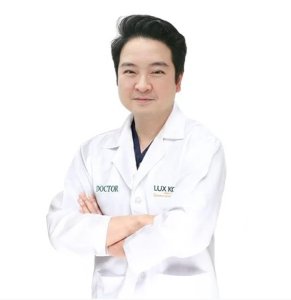
Yosawat Tangtrongchit

11 años de experiencia
  • Yosawat Tangtrongchit está completando actualmente una beca clínica en cirugía de la columna vertebral en el King Chulalongkorn Memorial Hospital.
  • El Hospital LUX KOR es elegido con mayor frecuencia por pacientes de EE.UU., Canadá y Australia para someterse a procedimientos ortopédicos.
  • Servicios incluidos: Servicios de enfermería 24 horas, 3 comidas al día a cargo de un nutricionista, hospitalización y traslado a la clínica.
  • Información sobre la estancia: 3 días de estancia en la habitación del hospital incluidos; la estancia en el hotel no está incluida.
  • Tipo de implante: CD Horizon Solera Spinal System (Medtronic) utilizado para cirugía endoscópica de columna.

Descubra las mejores clínicas de Discectomía endoscópica en Tailandia: 4 opciones verificadas y Precios

El ranking de clínicas de Bookimed se basa en algoritmos de data science, ofreciendo una comparación confiable, transparente y objetiva. Tiene en cuenta la demanda de pacientes, las puntuaciones de reseñas (positivas y negativas), la frecuencia de actualización de opciones de tratamiento y precios, la rapidez de respuesta y las certificaciones de las clínicas.

Descripción general de Discectomía endoscópica en Tailandia

Conclusiones
Procedimientos relacionados y Precios
Cómo funciona
Ventajas
Pago
pacientes lo recomiendan -
85%
Tiempo de la cirugía - 1 horas
Quedarse en el país - 10 días
Rehabilitación - 14 días
Anestesia - Anestesia local
Solicitudes en curso - 23249
Reseñas verificadas de pacientes - 15
Comisiones de Bookimed - $0

Obtenga una evaluación médica de Discectomía endoscópica en Tailandia: haga una consulta con 7 médicos experimentados ahora

Ver todos los médicos
verificado

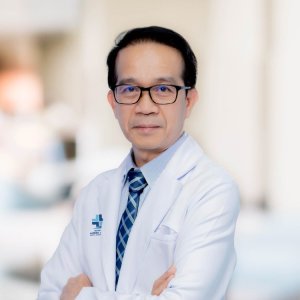
Dr Piya Assawaboonyadej

18 años de experiencia

El Dr. Piya se especializa en procedimientos de columna mínimamente invasivos en el Hospital Intrarat, incluida la discectomía endoscópica.

  • Formado en cirugía ortopédica en el Hospital General Lerdsin
  • Beca (Fellowship) en Oncología Ortopédica en la Universidad de Iowa
  • Miembro del Royal College of Orthopaedic Surgeons of Thailand
  • Investigación publicada sobre técnicas artroscópicas para tumores óseos
verificado

Dr Thongchai Theerajumyaporn

36 años de experiencia

El Dr. Thongchai se especializa en cirugía de columna mínimamente invasiva, incluida la discectomía endoscópica, con una amplia formación en UC Davis y el Hospital Siriraj.

  • Formación de subespecialidad (Fellowship) en cirugía de columna en UC Davis, California
  • Experto en columna degenerativa del adulto y deformidad espinal
  • Certificado en cirugía de columna asistida por robot en Florida
  • Ha publicado múltiples artículos de investigación sobre técnicas de fusión espinal
  • Realiza estabilización dinámica y cirugías de reemplazo total de disco
verificado

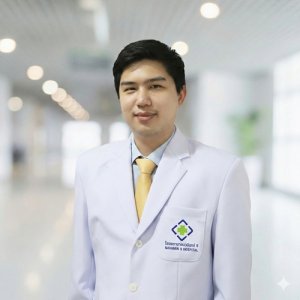
Panyajarn Laohapornsvan

6 años de experiencia

El Dr. Panyajarn Laohapornsvan es cirujano ortopédico. Se especializa en cirugía de columna, técnicas mínimamente invasivas y endoscópicas, y traumatología.

Acreditaciones: Consejo Tailandés de Cirugía Ortopédica (2020). Becas de subespecialización en columna en el Hospital Ramathibodi, Bangkok (2024), y en la Universidad de Akita, Japón (2024). Formación en cirugía endoscópica de columna en el Hospital Harrison Spinartus, Seúl (2024). Los certificados incluyen Cirugía Ortopédica de la Columna, Endoscopia uniportal (Joimax), XLIF y MIS-TLIF (NuVasive), y MIS Spine Expert (Aesculap).

Educación: BMedSci, Universidad de Nottingham (2013). MD, Universidad de Srinakarinwirot (2016). Membresías: Real Colegio de Cirujanos Ortopédicos de Tailandia y Sociedad de Columna de Tailandia. Revisor de la revista Journal of Minimally Invasive Spine Surgery and Techniques.

verificado

Jirachai Pisutbenya

19 años de experiencia

Se especializa en cirugía de columna endoscópica y mínimamente invasiva en el Hospital Ortopédico Especializado KDMS.

  • Formado en la Facultad de Medicina de la Universidad Mahidol
  • Experto en deformidad espinal adulta y cirugías de columna cervical
  • Realiza procedimientos precisos y menos invasivos para una recuperación más rápida

Historias en video de pacientes de Bookimed

Elissa
Definitivamente es un proceso largo, ¡pero estoy emocionado/a de ver cómo aparecen los resultados!
Procedimiento: Rinoplastia
Tess Raunig • Cirugía del síndrome del túnel carpiano
Estados Unidos
25 jun 2025
Reseña verificada.
Me estoy curando más rápido de lo que esperaba y, 10 días después, he vuelto a trabajar con el ordenador y el piano
La clínica Menness es muy profesional y la recomiendo encarecidamente para la liberación del túnel carpiano. Tuve una liberación bilateral abierta hecha por el Dr. Big, el cirujano ortopédico en el personal de la clínica Menness. Estaba nerviosa porque mi STC era grave y tengo parálisis cerebral. Me alegró saber que el Dr. Big había operado anteriormente a personas con parálisis cerebral y sabía exactamente qué esperar y cómo operarme para obtener el mejor resultado posible. Me estoy curando más rápido de lo que esperaba, y estoy de vuelta a mi ordenador, y el trabajo basado en el piano 10 días más tarde.
Iain • Terapia con células madre para las rodillas
Australia
9 ago 2025
Reseña verificada.
No puedo elogiar lo suficiente este procedimiento
Absolutamente encantado con el trato y el servicio. Yo no estaba ex No esperaba sentir ningún resultado durante al menos unos meses. Dos días más tarde estoy casi libre de dolor y me dijeron que no se sentirá Los beneficios durante al menos 2 meses . Manténgase en sintonía . Cualquier persona que está pensando en las células madre en contacto conmigo si quieres una revisión honesta . No puedo alabar este procedimiento lo suficiente. Si consigo 5 años libres de dolor voy a volver defo para una recarga. Personal y tratamiento de cinco estrellas ❤️
Myriam • Consulta con un ortopedista
Bélgica
25 ene 2026
Reseña verificada.
Ambiente de confianza
Un coche te recoge y te lleva de vuelta, lo cual es muy conveniente dada la ubicación del hospital. Clima de confianza.
Excelente acogida y profesionalidad del personal.
Reseña anónima • Terapia con células madre
Australia
16 oct 2024
Reseña verificada.
Las cosas parecen ir bien, sin problemas
Las cosas parecen ir bien, sin problemas, me gustaría ser conocido en las críticas como gjj987,, porque soy sobre todo persona privada
Puedes ponerme como gjj987 como soy una persona sobre todo privada, gracias
Acerca del servicio de Bookimed
Bueno, no sabré si el procedimiento ha tenido éxito hasta dentro de un año, pero espero que así sea.
Reseña anónima
Federación de Rusia
4 sept 2019
Reseña verificada.
Todo es de alta calidad, rápido y ordenado
Todo es de alta calidad, rápido y preciso. De la administración al médico. Yo aconsejo.

Compartir contenido

Actualizado: 01/25/2026
Escrito por
Olena Sikoza
Olena Sikoza
Сopywriter en español
Copywriter médica certificada responsable del contenido en español de Bookimed. Más de 7 años de experiencia en redacción sobre salud y turismo médico, con formación académica en edición científica y desarrollo de contenidos.
Fahad Mawlood
Editor médico y Científico de datos
Médico general. Ganador de 4 premios científicos. Sirvió en Asia Occidental. Es el ex jefe del equipo médico que soporta a pacientes de habla árabe. Ahora es responsable del procesamiento de datos y la precisión del contenido médico.
Fahad Mawlood Linkedin
Esta página puede incluir información relacionada con diversas afecciones médicas, tratamientos y servicios de salud disponibles en diferentes países. Tenga en cuenta que el contenido se proporciona sólo con fines informativos y no debe interpretarse como asesoramiento médico o orientación. Por favor consulte con su médico o con un profesional médico calificado antes de comenzar o cambiar el tratamiento médico.

Preguntas frecuentes sobre Discectomía endoscópica en Tailandia

Estas preguntas frecuentes provienen de pacientes reales que buscan atención médica a través de Bookimed. Las respuestas son proporcionadas por coordinadores médicos experimentados y representantes autorizados de las clínicas.

What specific board certifications and training do endoscopic discectomy doctors in Thailand hold?

Endoscopic discectomy doctors in Thailand hold national board certifications in orthopedic or neurological surgery. These specialists complete rigorous residencies at top institutions like Mahidol or Chulalongkorn University. Many pursue international fellowships in the USA, South Korea, or Japan to master minimally invasive techniques.

  • Board certification: Surgeons typically hold Thai Board of Orthopedic Surgery or Neurological Surgery diplomas.
  • International fellowships: Top doctors complete advanced training at Yale, UCLA, or UC Davis.
  • Technical certifications: Leading specialists hold specific Spinal Uniportal Endoscopic Surgery certifications from Joimax.
  • Professional memberships: Many belong to the Royal College of Orthopaedic Surgeons of Thailand.

Bookimed Expert Insight: Thai spine surgeons often blend local expertise with diverse international methodologies. For example, Dr. Wuttichai Sutantavibul at KDMS Hospital trained in both Seoul and Japan. This multi-country exposure allows surgeons to offer both uniportal and biportal endoscopic approaches tailored to specific disc conditions. Over 20 years of experience is common among these globally trained specialists.

Patient Consensus: Patients note that surgeons here often use advanced interlaminar approaches learned during fellowships abroad. They say these techniques lead to much faster recovery times and less pain. many were impressed by doctors who could show video demos of their endoscopic procedures.

What are the reported success and complication rates for Thai surgeons performing endoscopic discectomy?

Thai surgeons report success rates for endoscopic discectomy between 87% and 95%. Complication rates generally stay below 6% under experienced practitioners. Outcomes depend on specialized training and the clinical learning curve. Most patients experience relief from sciatic pain immediately after this minimally invasive procedure.

  • Success benchmarks: Clinical studies show excellent or good results in over 87% of cases.
  • Complication monitoring: Reported risks include transient numbness in 6.5% and recurrent herniation in 4.3% of patients.
  • Safety standards: Leading Bangkok centers maintain surgical site infection rates as low as 0.22%.
  • Recovery time: Patients typically ambulate within 24 hours with hospital stays under 4 days.

Bookimed Expert Insight: Data shows Thai spine specialists often possess extensive international credentials from the US, Japan, and South Korea. For example, Dr. Gun Keorochana at KDMS Specialized Orthopedic Hospital trained at UCLA, while Dr. Panyajarn Laohapornsvan at Navamin 9 Hospital holds certifications from Akita University and Seoul. This global training exposure ensures surgeons are proficient in various endoscopic approaches, ranging from standard Joimax techniques to robotic-assisted methods.

Patient Consensus: Patients note that quick recoveries are common, often mirroring success rates of 85-95% seen globally. Some emphasize that complications like nerve irritation are rarer than expected when choosing surgeons with high procedure volumes. Many suggest staying in Bangkok long enough for follow-ups to keep the recovery path safe before flying home.

Will the consulting surgeon personally perform the entire endoscopic discectomy, or are trainees involved?

In Thailand, leading orthopedic surgeons at specialized private hospitals personally perform every critical step of an endoscopic discectomy. While academic centers involve trainees, private specialists focus on direct care to ensure precision. These experts typically hold international fellowships from prestigious US institutions like Yale or UCLA.

  • Specialized expertise: Qualified surgeons often have fellowships from UCLA or Yale School of Medicine.
  • Direct oversight: Leading doctors like Dr. Thongchai Theerajumyaporn personally manage complex spinal procedures.
  • Focused caseloads: Specialists at private facilities typically work without surgical residents or student assistants.
  • Advanced training: Many Thai surgeons are certified in robotic-assisted spine surgery from Florida institutes.

Bookimed Expert Insight: Data shows Thai spine specialists often possess multiple international fellowships, totaling over 10 years of post-graduate training. For example, Dr. Gun Keorochana at KDMS Specialized Orthopedic Hospital combines training from UCLA with specialized endoscopic fellowships from the Desert Institute for Spine Care. This level of individual dedication ensures your primary surgeon leads the entire surgical process.

Patient Consensus: Patients note they felt much safer knowing their specific surgeon was in the room the whole time. They often mention that the staff at hospitals like Intrarat or KDMS clearly explained who was on the surgical team before the procedure. It was a relief for many to see their doctor immediately after waking up.

Do Thai endoscopic discectomy surgeons work within a multidisciplinary team?

Thai endoscopic discectomy surgeons work in multidisciplinary teams at accredited hospitals to integrate specialized spinal care. Orthopedic surgeons and neurosurgeons collaborate with pain specialists and rehabilitation experts. This teamwork starts with precise surgical planning and continues through personalized recovery protocols in Bangkok clinics.

  • Surgical leadership: Orthopedic surgeons like Dr. Gun Keorochana lead teams at specialized spine centers.
  • Global training: Surgeons such as Dr. Panyajarn Laohapornsvan hold certifications from international bodies like Joimax.
  • Integrated recovery: Teams often include physical therapists to manage post-surgical mobilization and long-term spine health.
  • Advanced diagnostics: Radiologists provide detailed spinal imaging to guide surgeons during minimally invasive endoscopic procedures.

Bookimed Expert Insight: Data shows that top Thai surgeons often hold dual fellowships from diverse clinical environments. For example, Dr. Wuttichai Sutantavibul completed specialized endoscopic training in both South Korea and Japan in 2023. This exposure allows them to bring refined, multidisciplinary techniques from the world's leading spine hubs back to Thai hospitals.

Patient Consensus: Patients note that their care feels very focused on the surgeon's specific expertise. Some find they need to proactively ask about coordinating follow-up physical therapy after returning home. Those at larger hospitals say the transition from diagnosis to the procedure is very smooth.

How many endoscopic discectomies have Thailand’s most experienced surgeons completed?

Thailand's most experienced surgeons have completed over 1,100 individual endoscopic discectomies, with some hospital teams reaching collective volumes of 3,500 operations. Leading specialists often possess 20+ years of experience and hold fellowships from top institutions in the United States, Japan, and South Korea.

  • Surgical experience: Individual specialists like Dr. Chanon Panyangam have performed 1,100+ endoscopic discectomies.
  • Team expertise: The spine team at Vejthani Hospital has completed over 3,500 decompression surgeries.
  • Specialized training: Dr. Thongchai Theerajumyaporn holds dual spine fellowships from the University of California, Davis.
  • Global certifications: Dr. Panyajarn Laohapornsvan is certified in Joimax uniportal endoscopic surgery from South Korea.

Bookimed Expert Insight: Data shows that Thailand's leading spine specialists prioritize international sub-specialization. Dr. Gun Keorochana at KDMS Hospital and Dr. Thongchai Theerajumyaporn at Intrarat Hospital both completed rigorous fellowships at the University of California. This high level of North American training combined with local surgical volumes creates a unique overlap of academic precision and practical expertise.

Patient Consensus: Patients note that choosing surgeons who have performed thousands of cases often leads to same-day discharge. Those who selected established specialists say they noticed minimal scarring and felt immediate relief from nerve pain. Many emphasize that high-volume experience is the most important factor for a quick recovery.

What are the potential complications of endoscopic discectomy in Thailand?

Potential complications for endoscopic discectomy in Thailand include nerve root injury, dural tears, and recurrent herniation. Thai specialists at JCI-accredited facilities maintain high standards. However, patients must manage risks like postoperative dysesthesia or deep vein thrombosis (DVT) during travel to Australia.

  • Nerve root injury: Small risk of temporary numbness or weakness from instrument contact.
  • Dural tears: Protective membrane damage can cause spinal fluid leaks or persistent headaches.
  • Recurrent herniation: Disc material can re-protrude if movement restrictions are not strictly followed.
  • Postoperative dysesthesia: Temporary burning sensations may occur in legs as compressed nerves heal.
  • Vascular risks: Rare injury to nearby blood vessels can lead to excessive bleeding.

Bookimed Expert Insight: Thai spine specialists often hold multiple international certifications in specific technologies. For example, Dr Panyajarn Laohapornsvan at Navamin 9 Hospital holds Joimax, NuVasive, and Aesculap certificates. This expertise is vital because different disc types may require specific instrument brands.

Patient Consensus: Symptom volatility is common during the first two weeks as local steroids wear off. Plan for uncomfortable sitting on the flight home. Follow lifting restrictions to prevent re-injury.

What are the success rates for endoscopic discectomy in Thailand?

Endoscopic discectomy in Thailand maintains a success rate between 87% and 95%. JCI-accredited hospitals in Bangkok perform this procedure with infection rates as low as 0.22%. Specialised surgeons use high-definition systems and 3D navigation for precision and rapid recovery within 4 days.

  • Clinical outcomes: Over 87% of patients report excellent or good results after surgery.
  • Low complication risk: Serious complications remain below 6% for most Thai clinical cases.
  • Specialised techniques: Specialists use Uniportal Joimax systems and Medtronic CD Horizon Solera spinal implants.
  • Rapid mobilisation: Most patients start walking within 24 hours of their endoscopic spine procedure.

Bookimed Expert Insight: Thai specialists like Dr Thongchai Theerajumyaporn at Intrarat Hospital bring unique perspectives after training in Melbourne, Australia. The A$15,900 to A$20,700 packages often include 3–4 days of hospitalisation. This extra oversight helps identify the 4.3% of potential re-herniations before the long flight home.

Patient Consensus: Patients in Thailand recommend getting a second opinion and exhausting physiotherapy before choosing surgery. They find the 6–8 week recovery window realistic for returning to light daily activities.

Who is a suitable candidate for endoscopic discectomy in Thailand?

Suitable candidates for endoscopic discectomy in Thailand include people with confirmed herniated, ruptured, or bulging discs. These issues must cause leg pain, numbness, or weakness. This procedure suits those who found no relief through physiotherapy or medication. It provides a minimally invasive solution with a quick recovery.

  • Confirmed nerve compression: MRI scans must show a disc level matching the patient's neurological leg symptoms.
  • Failed conservative care: Ideal candidates have tried rest, physiotherapy, or pain management without success.
  • Specific pain profile: The surgery targets radicular leg pain rather than isolated lower back pain.
  • Rapid recovery needs: Patients often return to light activity within days using uniportal endoscopic techniques.

Bookimed Expert Insight: Thai specialists like Dr Thongchai Theerajumyaporn at Intrarat Hospital bring unique value to Australians. He completed clinical training in Melbourne. This bridges the gap between Thai surgical skills and Australian healthcare expectations. Choosing a surgeon with this background simplifies the communication of your medical history.

Patient Consensus: Patients in Thailand report that bringing recent, high-quality MRI scans speeds up the process significantly. Many feel that clear imaging of the compressed nerve leads to better surgical outcomes.

Why should Australians consider Thailand for an endoscopic discectomy?

Australians choose Thailand for endoscopic discectomy to access specialised spine surgeons and significant savings. Highly trained specialists at JCI-accredited hospitals like Navamin 9 Hospital use uniportal techniques. These minimally invasive procedures offer faster recovery and lower infection rates than traditional open surgeries.

  • Cost savings: Procedures cost from $3,500 to $6,500. This saves up to 80% over Australian private averages.
  • Specialised training: Surgeons like Dr Wuttichai Sutantavibul hold endoscopic fellowships from leading South Korean and Japanese medical centres.
  • Premium technology: Facilities use recognised medical hardware, including the CD Horizon Solera Spinal System by Medtronic.
  • Hospital stays: All-inclusive packages often provide 3–4 days of inpatient monitoring and 24-hour nursing care.

Bookimed Expert Insight: Thai spine specialists often possess unique cross-continental credentials. For example, Dr Thongchai Theerajumyaporn at Intrarat Hospital completed clinical training in Melbourne, Australia. This familiarity with Australian medical standards helps support seamless follow-up care with your GP after returning home.

Patient Consensus: Patients value the less invasive approach for preserving muscle tissue. They suggest getting an Australian second opinion first. They also recommend planning travel assistance for the return flight to stay comfortable during recovery.

What is the typical recovery time for an endoscopic discectomy in Thailand?

Recovery after endoscopic discectomy in Thailand is typically rapid. Most patients return to light activities within a few days. Desk-bound work is usually manageable within 4 to 6 weeks. Full recovery for sports or heavy lifting typically takes 2 to 3 months.

  • Clinical stay: Patients usually remain in hospital for 3–4 days for monitoring.
  • Initial mobility: Walking and basic movement often return within the first 24 hours.
  • Work timeline: Desk-based duties are generally resumed after 4 to 6 weeks.
  • High-impact activity: Heavy lifting and intense exercise require 6 to 12 weeks.
  • Nerve healing: Numbness or weakness can take 3+ months to resolve fully.

Bookimed Expert Insight: While patients often walk within hours, long periods of sitting are the main hurdle. Australian patients should stay 10–14 days in Thailand before flying home. This helps manage cabin pressure and avoid discomfort during the long flight.

Patient Consensus: Basic mobility in Thailand returns quickly after surgery. Patients suggest building in extra recovery time before flying. Sitting and driving comfort often take longer to return than walking ability.

Which hospitals are recommended for endoscopic discectomy in Thailand?

Navamin 9 Hospital and LUX KOR Hospital are recommended for endoscopic discectomy in Thailand. These Bangkok-based facilities specialise in minimally invasive spine surgery. They use uniportal endoscopic techniques and Medtronic systems to treat herniated discs. This approach reduces tissue damage and speeds up recovery.

  • Navamin 9 Hospital: JCI-accredited facility treating 30,000 patients annually with specialised endoscopic surgery centres.
  • LUX KOR Hospital: Orthopaedic specialist centre frequently chosen by Australians for complex joint and spine care.
  • Specialised techniques: Surgeons perform uniportal endoscopic spine surgery to minimise scarring and postoperative pain.
  • Technology: Centres use Joimax systems and CD Horizon Solera Spinal System for precise interventions.

Bookimed Expert Insight: Thai specialists like Dr Thongchai Theerajumyaporn at Intrarat Hospital often hold Australian clinical certifications. This shared medical training aligns surgical protocols and patient communication with Australian healthcare standards. This provides a familiar experience for travelling patients.

Patient Consensus: Patients in Thailand report rapid relief. They often leave the hospital pain-free within 2 days. Efficient coordination allows for imaging, consultation, and surgery to occur within a single week.

¿Qué necesitas saber sobre Tailandia antes de tu viaje?

Nombre oficial

El reino de Tailandia

Moneda

Baht tailandés (también puedes pagar los servicios en dólares)

Mejor época para viajar

noviembre-principios de abril

Idioma

Tailandés (la mayoría del personal médico habla inglés con fluidez)

Visa

requerido para un viaje de 3-6 meses

Diferencia horaria con Europa

7:00

Diferencia horaria de Estados Unidos

12 horas

Capital

bangkok

Centro de Turismo Médico

bangkok

Estaciones populares

Koh Samui, Phuket, Chiang Mai, Koh Chang, Hua Hin

¿Cuál es el nivel de la medicina en Tailandia?

El cuidado de la salud es un sector de desarrollo clave para el gobierno tailandés. Las autoridades tailandesas están convencidas de que el cuidado de la salud de los ciudadanos debe ser una prioridad incondicional de la política estatal y gastan anualmente alrededor de 25 mil millones de baht en atención médica.

Como resultado, 36.673 establecimientos médicos brindan una excelente atención médica en el país. 64 centros médicos en el Reino están certificados por JCI (Joint Commission International) , un organismo internacional para mejorar la calidad y seguridad de los servicios médicos en todo el mundo. El índice de certificados recibidos es el más grande. A modo de comparación, hay 20 instituciones acreditadas por la JCI en Israel y solo 10 clínicas de este tipo en Alemania.

¿Qué servicios hoteleros se brindan aquí?

En el Reino de Tailandia existen hoteles de diferentes rangos de precios y niveles de servicio. El nivel de los hoteles tailandeses es comparable al de los hoteles de Túnez, Marruecos o Egipto. La mayoría de los turistas eligen hoteles de 4 y 5 estrellas con comidas todo incluido. Dichos hoteles tienen todo para una estancia confortable: comida variada, amplio territorio bien cuidado, animación para niños y adultos. Algunos hoteles tienen su propio parque acuático, que los huéspedes pueden utilizar de forma gratuita. Los viajeros con poco presupuesto pueden permitirse reservar un hotel económico de 3 estrellas con media pensión o sin comidas.

¿Cuándo es el mejor momento para ir a Tailandia?

La principal ventaja de los resorts tailandeses es una larga temporada de playa. El clima es diferente en las costas este y oeste, así que tenlo en cuenta cuando planifiques tu viaje. La mejor época para viajar es durante la estación fresca y seca, de noviembre a principios de abril. Una gran afluencia de turistas se produce en marzo-mayo, cuando la temperatura del aire alcanza los +30°C.

¿Necesito una visa?

Por el momento, el Reino de Tailandia requiere diferentes regímenes de visa para diferentes estados. Algunos extranjeros pueden permanecer en el país sin control de visa durante 60 días, algunos, solo 14 días.

Cuánto tiempo puede permanecer en Tailandia y qué países pueden cruzar la frontera lea fácilmente aquí .

¿Qué documentos se requieren para solicitar una visa a Tailandia para recibir tratamiento?

Para solicitar una visa a Tailandia, se requieren una serie de documentos. La documentación necesaria se puede presentar 90 días antes de la salida prevista. La lista de documentos incluye :

  • tarjeta de identificación
  • confirmación del registro en línea y llenado del cuestionario
  • certificado de ingresos y fondos (20.000 baht por persona / 40.000 baht por familia)
  • póliza de seguro para el período de estancia en Tailandia (original y copia)
  • 2 fotos (4x6)
  • obtener una visa
  • pasaje aéreo de ida y vuelta (pagado en su totalidad) y reserva de hotel
  • opinión del médico sobre la necesidad de tratamiento.

Pedir una consulta gratis

Seleccione la mejor manera de contactarle