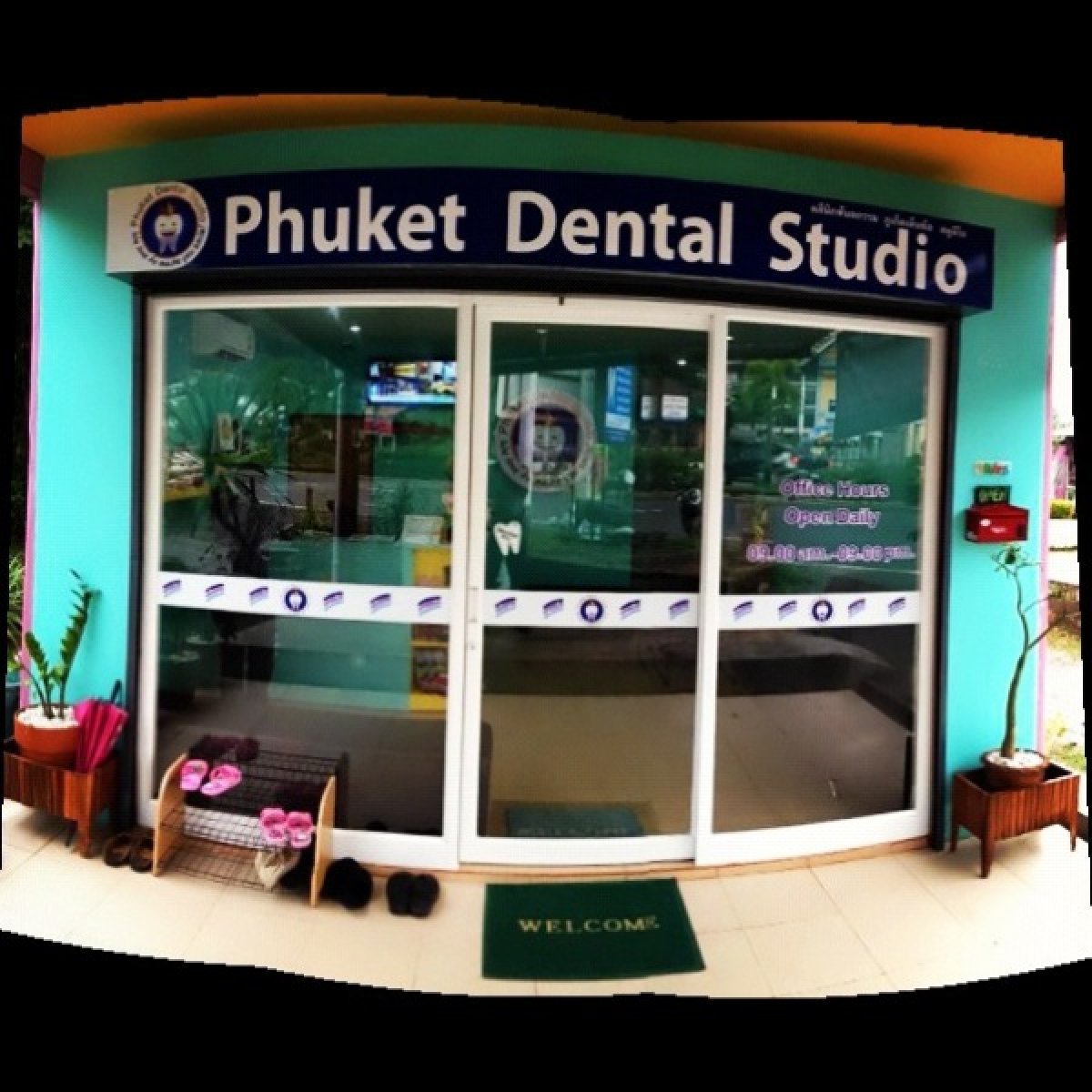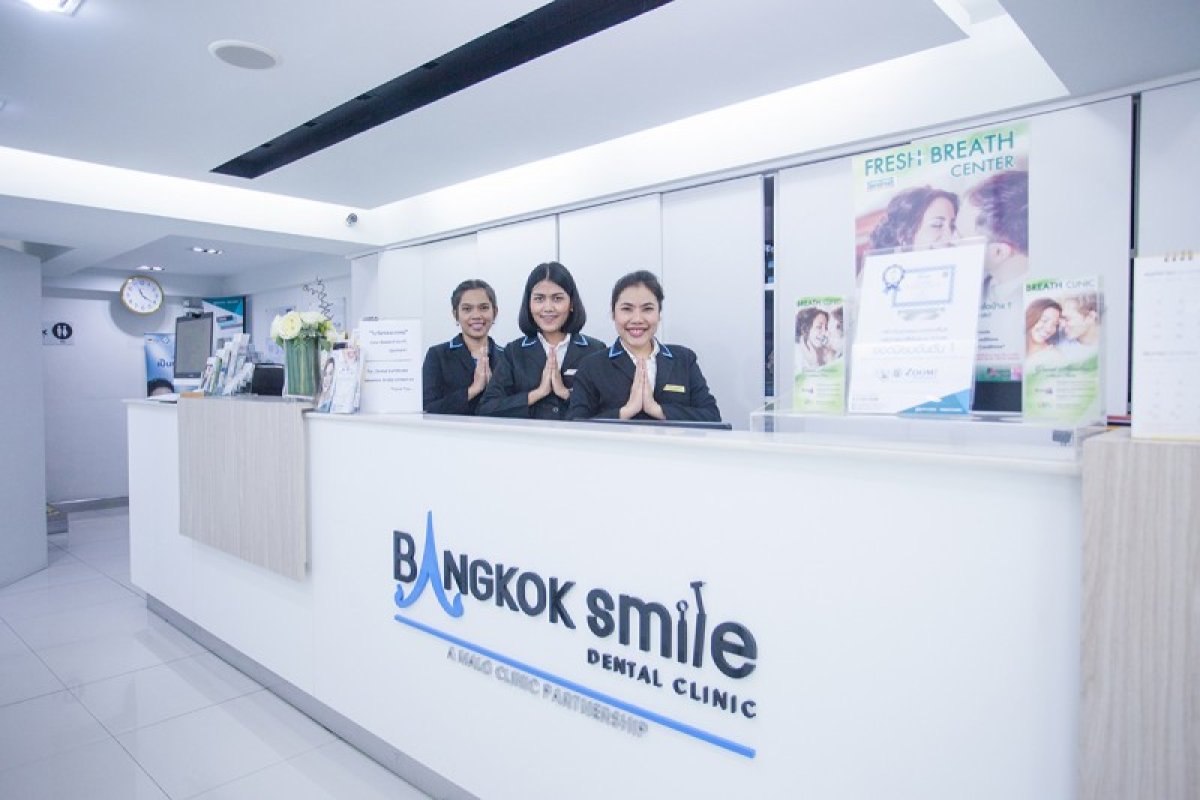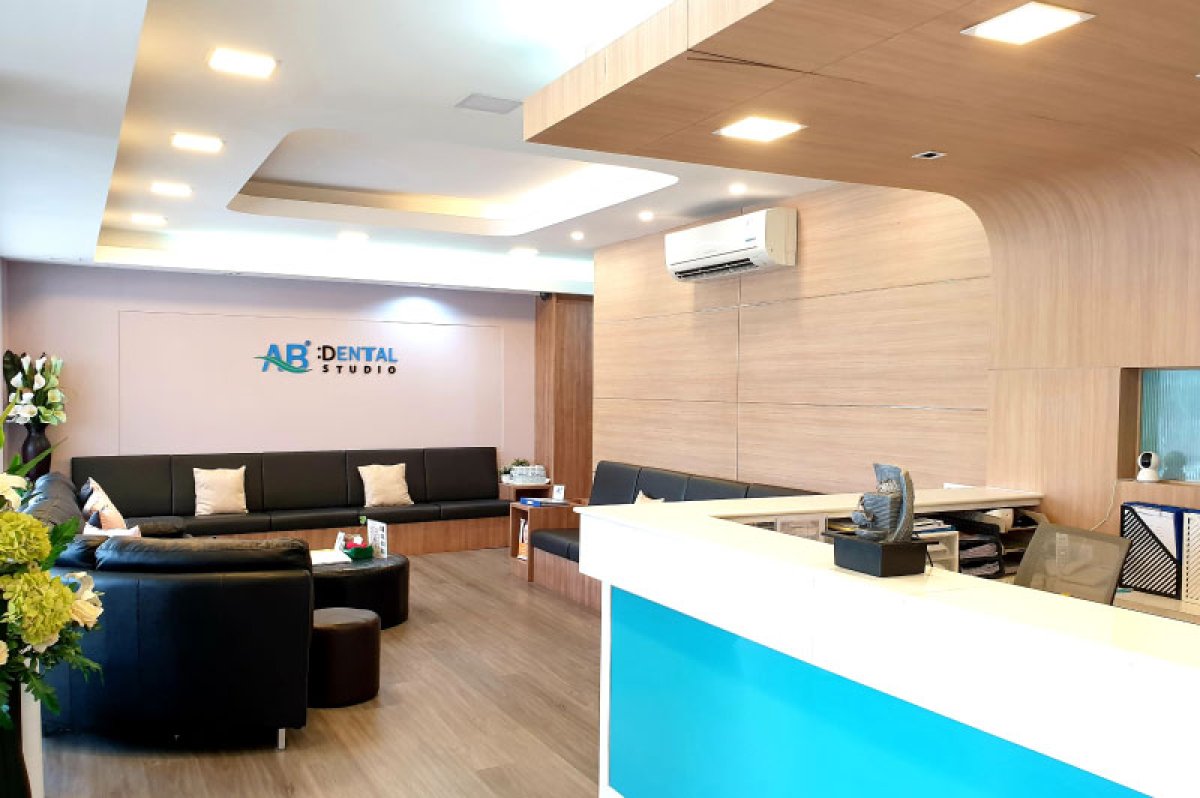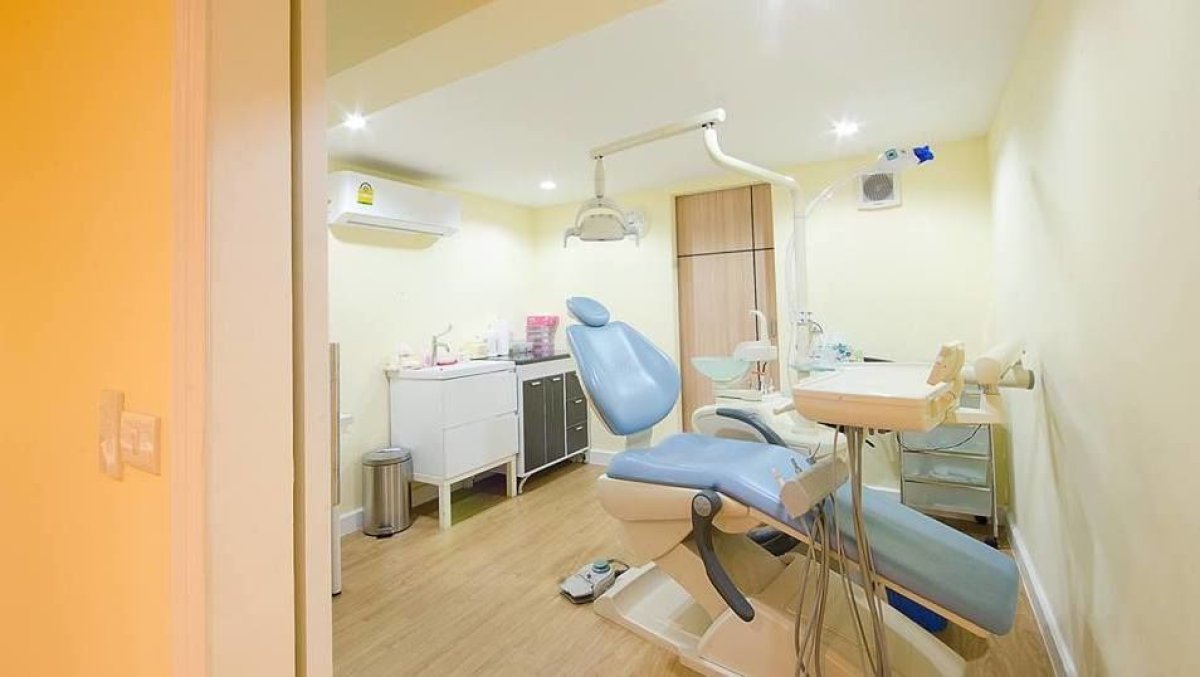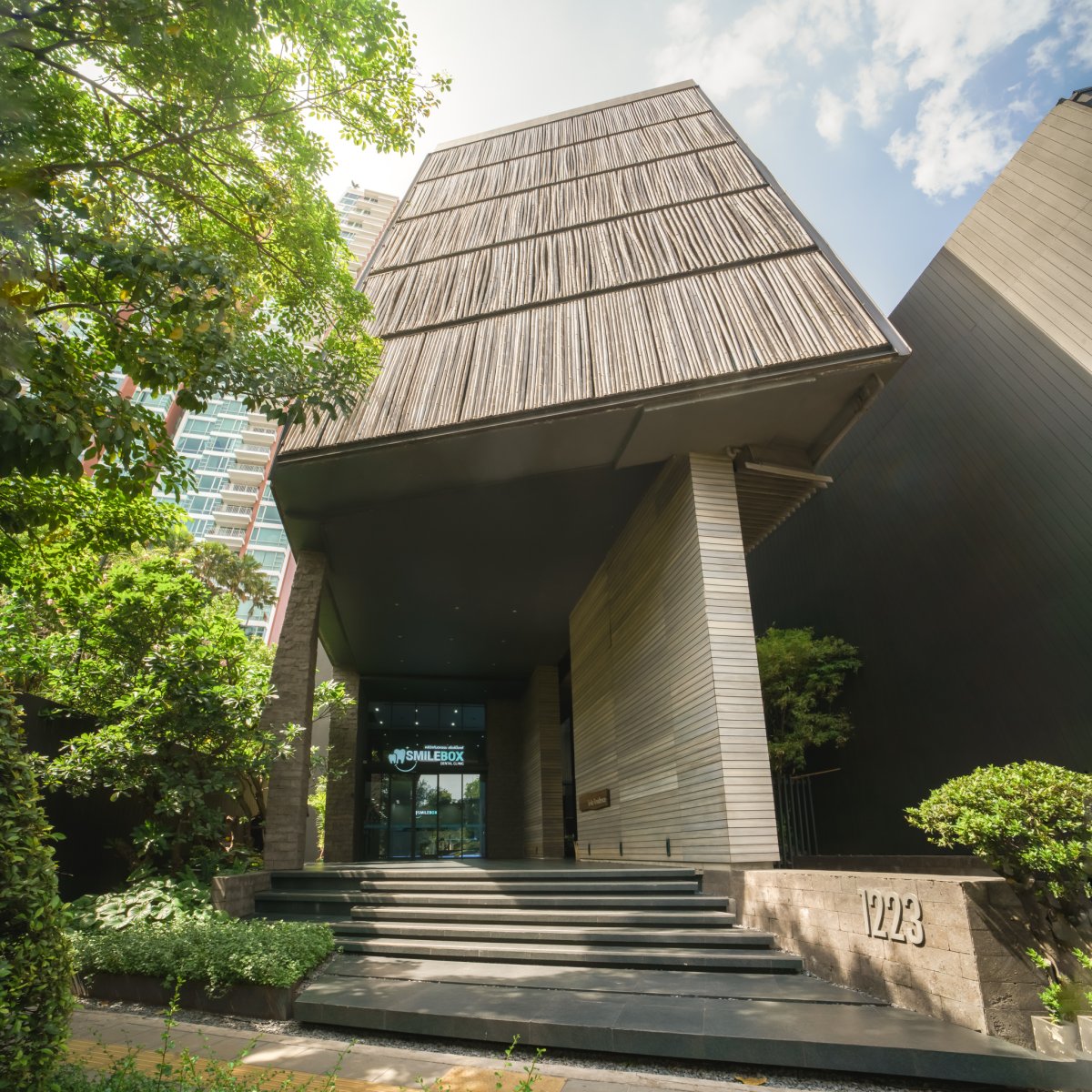
Clínica Dental SmileBox - Thonglor, Sukhumvit Branch
Tailandia, Bangkok
Thanapon Suwanapong
16 años de experiencia

Clínica certificada por : 



Revisado médicamente por
Fahad Mawlood
De $150 / 5,600฿. Los pacientes ahorran alrededor de un 67% en comparación con los EE. UU., donde el costo promedio es de $450 / 16,700฿. La mayoría de los paquetes dentales tailandeses incluyen la consulta inicial y la anestesia local, aunque las imágenes de diagnóstico, como las radiografías panorámicas, pueden facturarse por separado.
Perspectiva del experto de Bookimed: Elegir clínicas con un alto volumen de pacientes, como Deezy Dental Home, que atiende a 10,000 pacientes al año, garantiza cirujanos con gran experiencia. Muchas clínicas de primer nivel en Bangkok y Chiang Mai, como Kitcha Dental Clinic, son proveedores oficiales de materiales suizos Straumann y cuentan con acreditaciones de la Asociación Dental Americana (ADA). Para casos pediátricos, SmileBox Dental Clinic ofrece técnicas especializadas adaptadas a los niños que reducen la ansiedad durante los procedimientos quirúrgicos.
| Tailandia | España | Estados Unidos | |
|---|---|---|---|
| Extracción quirúrgica de diente /raíz del diente | de $150 / 5,600฿ | ≈ $130 / 4,800฿ | ≈ $250 / 9,300฿ |
Día 1: Llegada
Día 2: Preoperatorio
Día 3: Extracción quirúrgica
Día 4: Postoperatorio
Semana 1-2: Rehabilitación
Semana 3-4: Regreso a las actividades normales
Semana 5: Resultado Final
Tenga en cuenta que las experiencias individuales pueden variar según la salud general, la complejidad de la extracción y las capacidades de curación personal.

El Dr. Vikram Bhatia combina técnicas precisas de extracción quirúrgica con formación avanzada en implantología en la Universidad de Bangkok Thonburi.

El Dr. Vishal Sehgal combina su experiencia en cirugía dental avanzada con formación en atención psicológica obtenida en Johns Hopkins y Yale.
El Dr. Thanapon Suwanapong es un cirujano oral y maxilofacial con licencia, formado en la Universidad Mahidol, la mejor escuela de odontología de Tailandia.

Especializado exclusivamente en odontopediatría, el Dr. Piyawut crea un entorno cómodo para el cuidado dental de los niños en la clínica SmileBox Dental.


 Olena Sikoza
Los dentistas y cirujanos orales tailandeses están altamente cualificados para extracciones complejas, incluidos los dientes del juicio retenidos y las extracciones quirúrgicas de raíces. Los especialistas realizan una rigurosa formación de 6 años para obtener el título de Doctor of Dental Surgery, seguida de residencias de varios años en cirugía oral y maxilofacial acreditadas por el Consejo Dental de Tailandia.
Perspectiva de experto de Bookimed: Aunque muchos dentistas generales realizan extracciones simples, los pacientes que necesitan cirugía del extremo de la raíz o extracción microscópica de cuerpos extraños deben buscar clínicas con especialistas maxilofaciales en el lugar. Nuestros datos muestran que en las clínicas de primer nivel de Bangkok, a menudo el 90 % del personal se ha formado
La extracción quirúrgica en Tailandia normalmente no es dolorosa porque los dentistas utilizan anestesia local moderna y opciones de sedación. Las principales clínicas de Bangkok y Chiang Mai siguen protocolos internacionales, lo que garantiza que los pacientes solo sientan presión o vibraciones. Cualquier molestia postoperatoria se controla con analgésicos y antibióticos recetados.
Perspectiva de un experto de Bookimed: En clínicas tailandesas como Silom Dental Building, más del 90% de los dentistas se han formado en Estados Unidos, Reino Unido o Australia. Esta formación internacional explica por qué sus protocolos quirúrgicos y el manejo del dolor reflejan los estándares occidentales. Elegir una clínica con imágenes 3D ayuda a los cirujanos a evitar las trayectorias nerviosas, lo que a me
La recuperación después de una extracción quirúrgica de diente o raíz en Tailandia requiere de 3 a 7 días iniciales de reposo. La mayoría de los pacientes se sienten normales en 1 a 2 semanas, mientras que los alvéolos de extracción y las encías se estabilizan completamente después de 2 a 3 semanas. Las principales clínicas de Bangkok y Phuket siguen protocolos internacionales de seguimiento postoperatorio.
Información de expertos de Bookimed: Los datos sobre el volumen de pacientes sugieren elegir clínicas con un alto número anual de casos para extracciones complejas. Kitcha Dental Clinic, en Chiang Mai, atiende a 10.000 pacientes al año, lo que indica una experiencia considerable con casos diversos. Este volumen suele traducirse en técnicas quirúrgicas eficientes que ayudan a minimizar el periodo total de recuperación.
Consenso de pacientes: Los pacientes destacan que se deben evitar las pajitas y fumar du
No se recomienda volar inmediatamente después de una extracción quirúrgica en Tailandia. Los pacientes deben esperar de 3 a 7 días antes de abordar un vuelo. Este período permite que los coágulos de sangre se estabilicen, lo que reduce el riesgo de alveolitis seca, dolor intenso o sangrado causado por cambios en la presión de la cabina.
Perspectiva de un experto de Bookimed: Las clínicas tailandesas como Kitcha Dental Clinic y SmileBox atienden a más de 1.600 a 10.000 pacientes al año. Sus cirujanos suelen utilizar imágenes 3D para planificar las extracciones. Debido a que la presión del aire afecta la cicatrización, estos centros de gran volumen suelen sugerir realizar las cirugías al comienzo de su viaje.
Consenso de los pacientes: Las primeras 24 horas suelen ser las más difíciles. Los pacientes acon