Cavernoma en Turquía: las 36 mejores clínicas para su tratamiento


Revisado médicamente por
Fahad Mawlood
Cómo funciona
¿Cuál es el precio del diagnóstico y los tratamientos de Cavernoma en Turquía? Descubra ahora
El costo del tratamiento de cavernoma en Turquía varía según el procedimiento y las especificaciones de cada caso. La extirpación quirúrgica utilizando métodos microquirúrgicos asistidos por neuronavegación puede costar hasta 20.800 €. Para opciones no invasivas, la radiocirugía estereotáctica cuesta alrededor de 2.840 €, y el procedimiento Gamma Knife cuesta alrededor de 6.630 €. Cada plan de tratamiento se adapta después de una evaluación exhaustiva por parte del equipo médico, asegurando el enfoque más efectivo para la condición del paciente.
| España | Turquía | México | |
|---|---|---|---|
| Gamma Knife | de $13,500 | de $5,500 | ≈ $9,500 |
Descubra las mejores clínicas de tratamiento de Cavernoma en Turquía: 36 opciones verificadas y Precios


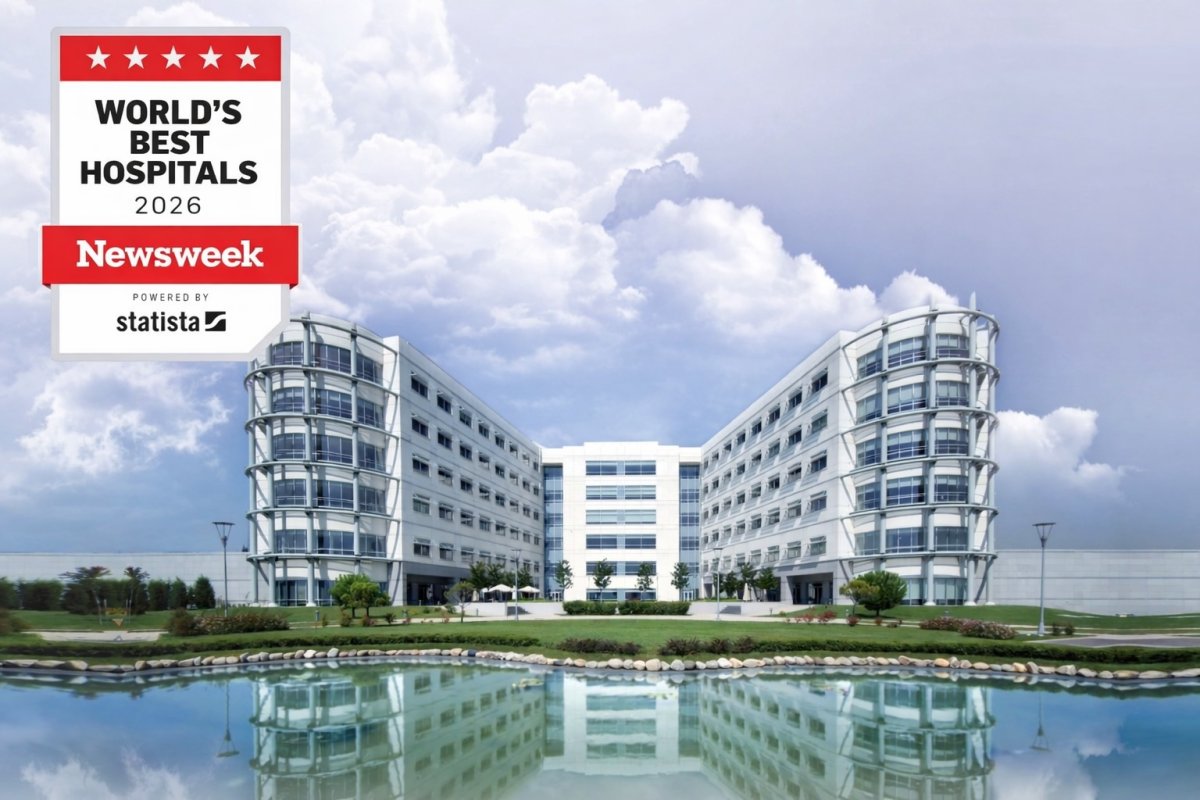





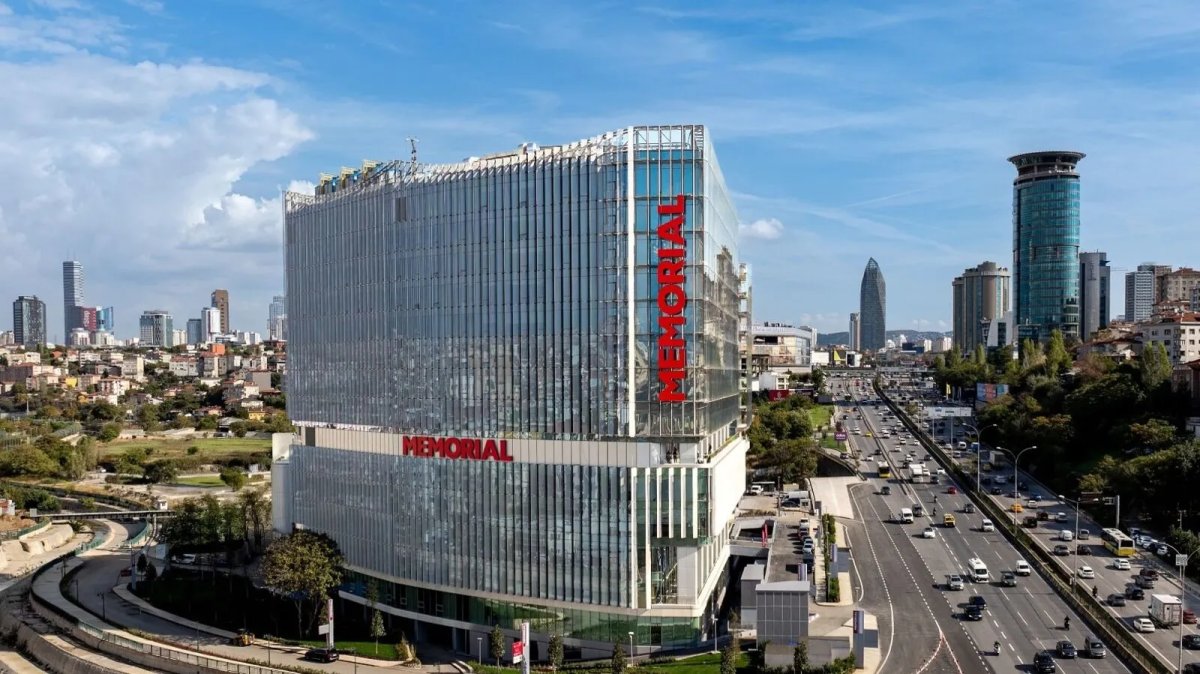
Memorial Göztepe Hospital



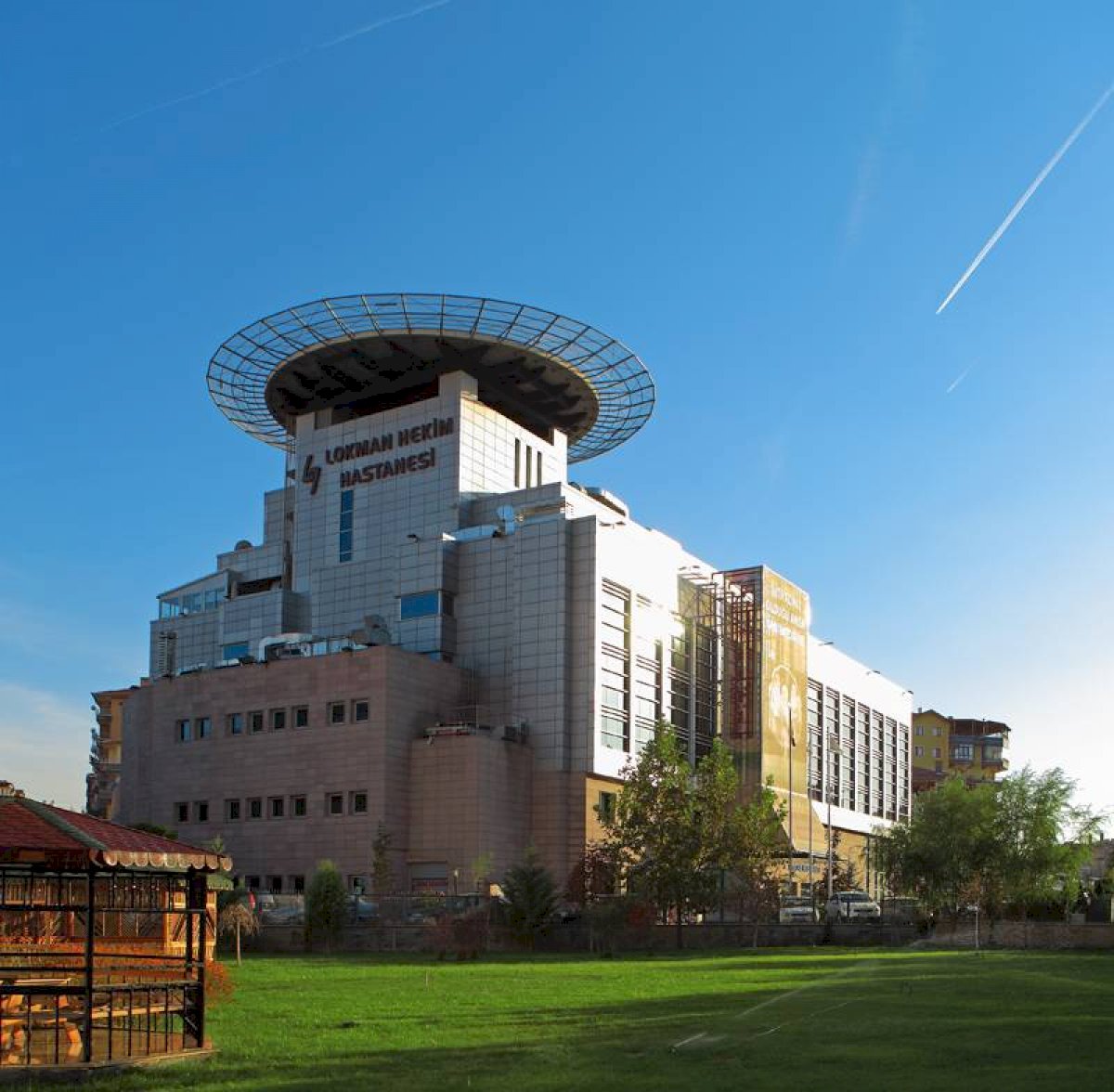
Hospital Lokman Hekim de Estambul (Lokman Hekim Istanbul Hospital)



Obtenga una evaluación médica de tratamiento de Cavernoma en Turquía: haga una consulta con 44 médicos experimentados ahora
Ver todos los médicos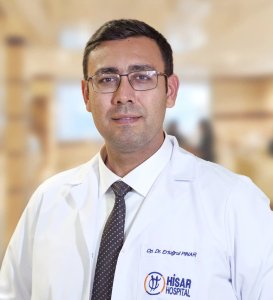
Ertugrul Pinar
El Dr. Ertugrul Pinar trata diversas afecciones del cerebro y la columna vertebral, con un enfoque especial en los cavernomas. Su experiencia incluye casos de neurocirugía tanto en adultos como pediátricos.
- Formarse en la Universidad de Marmara, una institución médica líder
- Especializarse en afecciones cerebrales complejas, incluidas las anomalías vasculares
- Trabajar en el Hisar Hospital Intercontinental, un centro especializado en neurocirugía
- Tratar tanto tumores cerebrales como afecciones vasculares como los cavernomas
- Contar con experiencia en casos de neurocirugía pediátrica y de adultos

Mustafa Sakar
El Dr. Mustafa Sakar es especialista en neurocirugía en el Hospital Memorial Göztepe de Estambul (2025–presente). Anteriormente trabajó en el Hospital de Formación e Investigación de la Universidad de Marmara (Pendik) (2013–2025) y en el Hospital Estatal de Kahramanmaraş Elbistan (2011–2012).
Obtuvo el título de médico (MD) en la Facultad de Medicina de la Universidad Hacettepe, en Ankara (1997–2003). Completó allí la residencia en neurocirugía (2004–2010).
Afiliaciones profesio
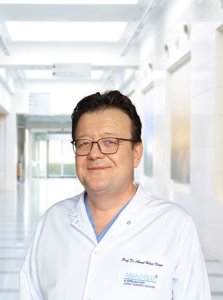
Ahmet Hilmi Kaya
El Prof. Dr. Ahmet Hilmi Kaya es profesor de neurocirugía en el Centro Médico Anadolu, en Gebze (Turquía). Obtuvo el título de médico (MD) en la Universidad de Estambul, Cerrahpaşa (programa en inglés), donde realizó la residencia en neurocirugía entre 1996 y 2003. Fue nombrado profesor en 2015. Realizó estancias de observación en la Universidad de Maastricht en 2007 y 2009.
Su actividad clínica abarca la neurocirugía funcional y estereotáxica, incluida la estimulación cerebral profund

Hasan Ozgur Ozdemir
El Prof. Dr. Hasan Ozgur Ozdemir se especializa en cirugía cerebral endoscópica y operaciones vasculares en el complejo hospitalario Medical Park Antalya.
- Más de _doctor_9311_años_ de experiencia en neurocirugía
- Experto en técnicas mínimamente invasivas para afecciones cerebrales y de la columna vertebral
- Primer lugar en el examen de competencia de la Sociedad Turca de Neurocirugía
- Miembro de la Sociedad Turca de Neurocirugía y de la Asociación Médica Turca
Compartir contenido
Historias en video de pacientes de Bookimed
 Olena Sikoza
Preguntas frecuentes sobre el tratamiento de Cavernoma en Turquía
¿Cuál es la mejor opción de tratamiento para mi cavernoma?
La resección microquirúrgica es el tratamiento principal para los cavernomas sintomáticos que causan hemorragias o convulsiones. Ofrece una cura definitiva al extirpar la lesión vascular. Los casos asintomáticos generalmente requieren observación mediante monitoreo con resonancia magnética (RM). Turquía ofrece centros especializados que utilizan la radiocirugía Gamma Knife para lesiones profundas, inaccesibles quirúrgicamente.
- Resección quirúrgica: Se recomienda la extirpación mediante craneotomía para lesiones que causan sangrado recurrente o convulsiones.
- Protocolo de monitoreo: Los cavernomas estables, encontrados incidentalmente, requieren resonancias magnéticas regulares para detectar cambios de tamaño.
- Gamma Knife: Esta radiocirugía de precisión se dirige a lesiones profundas en áreas cerebrales críticas sin necesidad de cirugía abierta.
- Manejo farmacológico: Los neurólogos prescriben medicamentos anticonvulsivos cuando la cirugía no es inmediatamente necesaria o segura.
Opinión de experto de Bookimed: Los centros turcos de alto volumen, como el Hospital Istanbul Florence Nightingale, reportan una clara ventaja de experiencia para los cavernomas complejos. El Prof. Dr. Ilhan Elmaci y el Prof. Dr. Salih Murat Imer tienen más de 30 años de experiencia. Esta veteranía es vital, ya que los cavernomas a menudo se sitúan cerca de vías n
¿Cómo elijo al mejor neurocirujano en Turquía?
Para elegir al mejor neurocirujano en Turquía para el tratamiento de cavernoma, priorice a especialistas certificados con becas de instituciones estadounidenses o europeas. Busque expertos en centros acreditados por la JCI en Estambul que utilicen microcirugía y tecnología Gamma Knife. Verifique su experiencia específicamente en procedimientos neurovasculares y de base de cráneo.
- Credenciales del cirujano: Priorice a profesores con becas internacionales de instituciones como Yale o la Universidad de Florida.
- Acreditación hospitalaria: Seleccione instalaciones con certificaciones JCI e ISO para garantizar los estándares de seguridad.
- Tecnología especializada: Confirme el acceso a Gamma Knife, resonancia magnética de 3 Tesla asistida por IA y herramientas microquirúrgicas.
- Experiencia clínica: Elija cirujanos con más de 20 años de experiencia en enfermedades neurovasculares y cerebrovasculares.
Perspectiva del experto de Bookimed: Los departamentos de neurocirugía turcos en centros importantes como Memorial Şişli o Anadolu están diseñados para una alta complejidad. El Dr. Cevdet Gokcek en Medipol tiene más de 30 años de experiencia, incluyendo específicamente cavernomas. Elegir un especialista en un centro afiliado a Johns Hopkins garantiza que los protocolos cumplan con los puntos de referencia clínicos internacionales.
Co
¿Es el Gamma Knife/CyberKnife mejor que la cirugía?
El Gamma Knife y el CyberKnife son alternativas no invasivas para cavernomas profundos o de alto riesgo. La cirugía tradicional a menudo se prefiere para lesiones accesibles para asegurar la extirpación inmediata. Los centros de neurocirugía turcos utilizan ambos enfoques según la ubicación de la lesión, el tamaño y la gravedad de los síntomas para maximizar la seguridad del paciente.
- Enfoque no invasivo: La radiocirugía no requiere incisiones, reduciendo riesgos como infecciones o complicaciones de anestesia.
- Precisión del tratamiento: Las dosis de radiación dirigidas evitan el tejido cerebral sano utilizando coordenadas estereotácticas precisas.
- Preferencia quirúrgica: La cirugía abierta sigue siendo el estándar de oro para grandes lesiones que causan presión.
- Velocidad de recuperación: Los pacientes de radiocirugía suelen volver a sus actividades normales en un plazo de 24 a 48 horas.
Perspectiva del experto de Bookimed: Los centros turcos como Medipol Mega y Gayrettepe Florence Nightingale ofrecen ambas tecnologías. Una tendencia notable es la alta disponibilidad de neurocirujanos especializados como el Dr. Cevdet Gokcek, quien cuenta con más de 30 años de experiencia. Esta experiencia permite a las clínicas ofrecer paquetes de Gamma Knife por alrededor de $7,000, incluyendo traslados VIP y especialistas con 19 años de experiencia.<
¿Cuánto tiempo dura la recuperación después de una cirugía de cavernoma?
La recuperación inicial después de la cirugía de cavernoma suele durar 6 semanas. Los pacientes suelen permanecer en el hospital de 3 a 7 días. La mayoría de las personas retoman sus actividades diarias en un plazo de 2 a 3 meses. Alcanzar niveles completos de energía y la estabilización neurológica puede requerir tiempo adicional dependiendo de la ubicación de la lesión.
- Estancia hospitalaria: Los pacientes suelen permanecer ingresados de 3 a 7 días para una estrecha monitorización neurológica.
- Ventana crítica: Las primeras 2 semanas a menudo incluyen el manejo del dolor, la inflamación y una fatiga significativa.
- Límites de actividad: Los cirujanos suelen restringir la conducción y levantar objetos pesados durante al menos 6 semanas.
- Curación a largo plazo: La recuperación completa puede tardar 3 meses si ocurrieron convulsiones o debilidad antes de la operación.
Perspectiva del experto de Bookimed: Elegir el Gamma Knife para lesiones accesibles puede reducir la estancia hospitalaria a 0 días. Los datos de paquetes de Gayrettepe Florence Nightingale muestran que los pacientes a menudo se alojan en un hotel durante 4 días en su lugar. Esto acorta significativamente el período de recuperación clínica intensa en comparación con la microcirugía tradicional.
Consenso de los pacientes: Los pacientes señalan que la fa
¿Cuánto tiempo debo planificar para mi estancia en Turquía?
La mayoría de los pacientes requieren de 7 a 14 días en Turquía para el tratamiento de un cavernoma. Esto permite tiempo para las resonancias magnéticas preoperatorias, el procedimiento quirúrgico y la monitorización postoperatoria. La radiocirugía de precisión como el Gamma Knife suele requerir solo 4 días para la consulta y la sesión ambulatoria.
- Preparación preoperatoria: Llegue 1-2 días antes para la resonancia magnética con contraste y las consultas con el neurocirujano.
- Estancia hospitalaria: Los casos quirúrgicos suelen implicar de 2 a 3 noches de monitorización y cuidados hospitalarios.
- Tiempo del Gamma Knife: La radiocirugía no invasiva permite el alta inmediatamente después de la sesión de tratamiento de precisión.
- Margen de recuperación: Permanezca en Estambul de 3 a 5 días después del alta antes de tomar vuelos internacionales.
Perspectiva del experto de Bookimed: Aunque el Gamma Knife es un procedimiento ambulatorio, nuestros datos muestran que clínicas como Gayrettepe Florence Nightingale incluyen una recomendación de hotel de 4 días. Esto no es por el tratamiento en sí, sino para garantizar una observación neurológica estable. Incluso si el procedimiento termina en horas, quedarse esos días adicionales evita riesgos durante cambios repentinos de altitud en los vuelos.
Consenso de los pacientes: Los
¿El hospital proporciona servicios de apoyo (intérprete, transporte)?
Los hospitales turcos acreditados por la JCI proporcionan servicios de apoyo integrales para pacientes con cavernomas. Los departamentos internacionales dedicados ofrecen asistencia de intérpretes multilingües y traslados VIP al aeropuerto. Muchos centros incluyen esta logística en sus paquetes de Gamma Knife o neurocirugía. Bookimed gestiona todas las citas y necesidades de traducción.
- Asistencia lingüística: Los hospitales ofrecen servicios de interpretación las 24 horas del día, los 7 días de la semana, mediante personal presente o enlaces de video.
- Logística de transporte: Los traslados VIP suelen cubrir todos los viajes entre aeropuertos, hoteles y clínicas.
- Coordinación internacional: Los departamentos especializados ayudan con los registros médicos, la programación de imágenes y la logística de recuperación.
- Reconocimiento de pacientes: El Hospital Hisar Intercontinental obtuvo las mejores clasificaciones por sus servicios de asistencia al paciente internacional.
Opinión del experto de Bookimed: Los paquetes de neurocirugía turcos a menudo se centran en la logística de alta movilidad para la recuperación. En Gayrettepe Florence Nightingale, el paquete Gamma Knife de $7,000 incluye específicamente traslados en vehículos premium. Esto es crucial para los pacientes de cirugía cerebral que no pueden conducir después del procedimiento
¿Con qué frecuencia necesitaré citas de seguimiento?
El seguimiento de un cavernoma en Turquía implica una revisión inicial de la herida dentro de las 2 semanas posteriores a la cirugía o al tratamiento con Gamma Knife. Las resonancias magnéticas cerebrales posteriores suelen realizarse a los 3, 6 y 12 meses. El control a largo plazo pasa a realizarse mediante imágenes anuales para garantizar la estabilidad vascular y controlar posibles síntomas neurológicos.
- Revisión inicial: Los cirujanos suelen realizar evaluaciones de la herida dentro de los 14 días posteriores al alta.
- Frecuencia de imágenes: Las resonancias magnéticas cerebrales con contraste suelen repetirse cada 6 a 12 meses.
- Control de síntomas: Es necesaria una consulta inmediata si aparecen nuevas convulsiones o dolores de cabeza.
- Programación de viajes: Los pacientes internacionales suelen permanecer 4 días para la recuperación y las revisiones iniciales.
Opinión del experto de Bookimed: Los pacientes que optan por Gamma Knife en el Hospital Gayrettepe Florence Nightingale se benefician de un protocolo de estancia especializado de 4 días. Este plazo permite a los equipos locales monitorear la hinchazón inmediata después de la radiocirugía antes de que el paciente vuele a casa. Si bien neurocirujanos como el Dr. Mehmet Osman Akcakaya supervisan el procedimiento, descubrimos que agrupar la primera resonancia magnética postoperat