Cavernoma Tratamiento en Corea del Sur — Costos 2026


Revisado médicamente por
Fahad Mawlood
¿Cuál es el precio del diagnóstico y los tratamientos de Cavernoma en Corea del Sur? Descubra ahora
De $500. Los gastos totales dependen del enfoque quirúrgico, el prestigio del hospital y la complejidad del caso. Los pacientes a menudo ahorran entre un 30 y un 50% en comparación con los EE. UU. Los mejores centros de tratamiento se encuentran en Seúl e Incheon.
Costos típicos del tratamiento de cavernoma en la República de Corea
- Consulta con un neurocirujano: de $53
- Resonancia magnética cerebral con contraste: de $500
- Gamma Knife: de $10,000
Perspectiva de los expertos de Bookimed: Los pacientes que requieren atención de alta precisión deben elegir centros acreditados por la JCI como el Severance Hospital por su experiencia en neurocirugía. Para opciones no invasivas, el Samsung Medical Center es líder en procedimientos de Gamma Knife. El Asan Medical Center ofrece un valor inmenso como el hospital multidisciplinario más grande de Corea del Sur. Si evitar errores médicos es una prioridad, el SNUBH utiliza el sistema digital BESTcare para una mayor seguridad.
| Corea del Sur | España | Turquía | |
|---|---|---|---|
| Gamma Knife | de $10,000 | de $24,900 | de $5,500 |
Sus beneficios y garantías con Bookimed
Precios directos
Bookimed no añade cargos extra a los precios de los tratamientos de Cavernoma. Las tarifas proceden de las listas de precios oficiales de las clínicas. Pagará directamente en la clínica por su tratamiento a su llegada al país.
Sólo clínicas y médicos verificados
Bookimed está comprometido con su seguridad. Solo trabajamos con las clínicas que mantienen altos estándares internacionales en el tratamiento de Cavernoma y cuentan con las licencias necesarias para atender a pacientes internacionales en todo el mundo.
Asistencia 24/7 gratuita
Bookimed ofrece asistencia experta gratuita. Un coordinador médico personal le apoya antes, durante y después de su tratamiento, resolviendo cualquier problema. Nunca estará solo en su viaje médico de tratamiento de Cavernoma.

Su coordinador médico personal de Bookimed
- Le apoya en cada etapa
- Ayuda a elegir la clínica y el médico adecuados
- Asegura un acceso rápido y conveniente a la información
Descubra las mejores clínicas de tratamiento de Cavernoma en Corea del Sur: 7 opciones verificadas y Precios













Obtenga una evaluación médica para Cavernoma en Corea del Sur: consulte con doctores experimentados ahora
Ver todos los médicos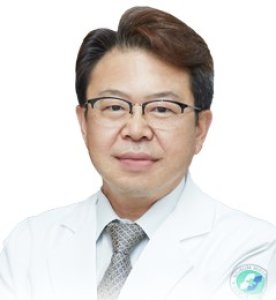
Han Yeongmin
El Dr. Han Yeongmin es neurocirujano (MD, PhD). Es director médico y director del Centro de Neurocirugía del Hospital St. Mary’s de Incheon. Trata enfermedades cerebrovasculares y trastornos de los nervios periféricos. También se especializa en tumores cerebrales y cirugía de base de cráneo. Las afecciones incluyen ictus, hemorragia cerebral, infarto cerebral y enfermedad de Moyamoya. Realiza PEN, PNP y SNB. También ofrece discectomía microscópica y endoscópica, reemplazo de disco artificial,
Compartir contenido
Historias en video de pacientes de Bookimed
 Olena Sikoza
Preguntas frecuentes sobre el tratamiento de Cavernoma en Corea del Sur
¿Qué hospitales son mejores para el tratamiento de cavernomas en Corea del Sur?
Los mejores hospitales de Corea del Sur para el tratamiento de cavernomas incluyen el Centro Médico Asan, el Hospital de la Universidad Nacional de Seúl (SNUH) y el Hospital Severance. Estos centros, acreditados por la JCI y clasificados por Newsweek, utilizan Gamma Knife y microcirugía. Se centran en lesiones vasculares complejas mediante neuronavigación para garantizar una alta seguridad.
- Centro Médico Asan: El hospital multidisciplinario más grande de Corea realiza más de 65.000 operaciones al año.
- Hospital Severance: Un centro acreditado por la JCI que atiende a más de 1,6 millones de pacientes ambulatorios cada año.
- Hospital SNU Bundang: Este líder digital utiliza el sistema BESTcare para maximizar la seguridad neuroquirúrgica.
- Tecnología especializada: Los centros ofrecen radiocirugía Gamma Knife y resonancia magnética avanzada para el seguimiento de lesiones.
Perspectiva del experto de Bookimed: Aunque los pacientes suelen centrarse en las clasificaciones generales de los hospitales, la integración digital en el Hospital de la Universidad Nacional de Seúl Bundang ofrece una ventaja de seguridad distintiva. Su sistema BESTcare evita activamente errores médicos durante neurocirugías complejas. Esta supervisión tecnológica es crítica para los casos de cavernoma que requieren una diferenciación precisa del tejido.
Cons
¿Cuál es la tasa de éxito de la cirugía de cavernoma en Corea?
Los centros de neurocirugía de Corea del Sur reportan tasas de éxito de hasta el 92.5% para los tratamientos de cavernoma. Los resultados de la resección quirúrgica muestran que el 79.3% de los pacientes logran estar libres de convulsiones. La radiocirugía Gamma Knife reduce con éxito los riesgos de sangrado del 22.4% al 1.4% en casos de alta complejidad. Las imágenes avanzadas aseguran la eliminación precisa de la lesión.
- Control de convulsiones: Aproximadamente el 79.3% de los pacientes logran resultados libres de convulsiones después de la resección.
- Reducción de sangrado: Las tasas anuales de hemorragia caen al 1.4% después del tratamiento con Gamma Knife.
- Recuperación neurológica: Más del 74% de los pacientes muestran mejoría funcional durante el seguimiento a largo plazo.
- Seguridad del procedimiento: El sangrado posoperatorio ocurre en solo el 5.7% de los casos quirúrgicos.
Perspectiva de expertos de Bookimed: Si bien el éxito general es alto, elegir un centro como el Asan Medical Center o el Seoul National University Hospital es vital para casos complejos. Estos centros gestionan enormes volúmenes de pacientes, con Asan realizando más de 65,000 operaciones al año. Esta alta frecuencia crea un entorno especializado que genera consistentemente resultados neurológicos superiores.
Consenso de los pacientes: Lo
¿Está disponible la radiocirugía Gamma Knife (GKRS) para cavernomas en la República de Corea?
La radiocirugía Gamma Knife es un tratamiento estándar para los cavernomas cerebrales en la República de Corea. Los principales centros acreditados por la JCI en Seúl utilizan esta tecnología no invasiva para las malformaciones vasculares profundas. Neurocirujanos especializados utilizan radiación enfocada para prevenir futuras hemorragias en regiones cerebrales de difícil acceso.
- Precisión dirigida: Gamma Knife suministra radiación de alta dosis a las malformaciones cavernosas con una precisión submilimétrica.
- Elegibilidad para el tratamiento: La radiocirugía a menudo se reserva para lesiones en áreas cerebrales elocuentes o el tronco encefálico.
- Instituciones líderes: Instituciones como el Seoul National University Hospital y el Severance Hospital ofrecen esta tecnología.
- Protocolo de diagnóstico: Los pacientes se someten a una resonancia magnética de alta resolución con contraste antes de las sesiones de planificación quirúrgica.
Perspectiva de expertos de Bookimed: Corea del Sur ocupa el séptimo lugar a nivel mundial en solicitudes médicas, en parte debido a su enorme volumen clínico. Solo el Asan Medical Center atiende a más de 11,800 pacientes ambulatorios al día. Esta alta carga de pacientes significa que los neurocirujanos a menudo realizan miles de procedimientos de radiocirugía. Tal repetición ayuda a los equipos clínicos a pe
¿Hay neurocirujanos que se especialicen en malformaciones cavernosas?
Neurocirujanos expertos en enfermedades cerebrovasculares se especializan en malformaciones cavernosas dentro de los principales centros terciarios de Corea del Sur. Estos especialistas gestionan lesiones vasculares complejas mediante resección microquirúrgica o radiocirugía Gamma Knife. Instalaciones como el Asan Medical Center y el Hospital Severance brindan atención de alta precisión para cavernomas profundos o en el tronco encefálico.
- Experiencia especializada: Los neurocirujanos vasculares se centran en los riesgos asociados con el sangrado y la resección quirúrgica.
- Tecnología avanzada: Los centros coreanos utilizan la radiocirugía Gamma Knife para el tratamiento de alta precisión de lesiones.
- Acreditaciones conjuntas: Los mejores hospitales poseen certificaciones de la Joint Commission International (JCI) y KOIHA para la seguridad.
- Alto volumen: El Asan Medical Center realiza más de 65,000 operaciones al año en departamentos especializados.
Perspectiva del experto de Bookimed: Si bien muchos neurocirujanos generales recomiendan la observación, los especialistas surcoreanos del Hospital Universitario Nacional de Seúl a menudo brindan una guía más decisiva para las lesiones profundas. Nuestros datos muestran que estos hospitales más grandes manejan a más de 10,000 pacientes diariamente. Este volumen masivo garantiza que los cirujan
¿Qué imágenes de diagnóstico avanzadas se utilizan para los cavernomas?
Las imágenes de diagnóstico avanzadas para los cavernomas utilizan principalmente protocolos de resonancia magnética de alta resolución como la imagen ponderada por susceptibilidad (SWI). Estas secuencias especializadas detectan productos sanguíneos antiguos y pequeñas lesiones que pasan desapercibidas en los escaneos estándar. Centros surcoreanos líderes como el Hospital Severance utilizan estos métodos para mapear estructuras cerebrales antes de la cirugía Gamma Knife.
- Secuencias SWI: Detectan pequeñas lesiones al identificar depósitos de hierro provenientes de microhemorragias.
- IRM de 7 Tesla: Proporciona una resolución ultra alta para visualizar la estructura interna similar a una mora.
- Mapeo DTI: Visualiza los tractos de materia blanca para planificar rutas de acceso quirúrgico seguras.
- Resonancia magnética funcional: Mapea regiones cerebrales activas para proteger el habla y las habilidades motoras.
Perspectiva del experto de Bookimed: Corea del Sur se encuentra entre los 10 principales destinos mundiales para neurodiagnóstico complejo con más de 76 clínicas especializadas. El Asan Medical Center trata a más de 14,000 pacientes diariamente y opera con alta eficiencia. Esta escala permite a las clínicas ofrecer mapeo funcional avanzado como un paso preoperatorio estándar. Los pacientes deben confirmar que las secuencias SWI se incl
¿Cuánto tiempo deben esperar los pacientes permanecer en Corea para el tratamiento de cavernomas?
Los pacientes deben planificar una estancia de 2 a 3 semanas en Corea para el tratamiento de cavernomas. La mayoría de los casos quirúrgicos requieren de 3 a 5 noches de hospitalización para monitoreo. La radiocirugía Gamma Knife no invasiva puede realizarse como un procedimiento ambulatorio. Los cronogramas finales dependen de los resultados de las imágenes y la complejidad quirúrgica.
- Estancia hospitalaria: La craneotomía quirúrgica generalmente requiere de 3 a 5 días de atención hospitalaria por seguridad.
- Duración de la radiocirugía: El tratamiento con Gamma Knife en centros como el Severance Hospital a menudo funciona como un caso de día.
- Programación del seguimiento: Los cirujanos suelen programar la retirada de grapas y los escaneos postoperatorios dentro de los 14 días posteriores a la cirugía.
- Fase de diagnóstico: La resonancia magnética cerebral y las consultas con el neurocirujano generalmente ocurren en los primeros 2 a 3 días.
Perspectiva del experto de Bookimed: Corea destaca por su eficiencia diagnóstica. Centros grandes como el Asan Medical Center gestionan más de 11,000 pacientes ambulatorios diariamente. Este alto volumen permite a los pacientes internacionales completar estudios complejos más rápido que en la mayoría de los países occidentales. A menudo puede pasar de la consulta inicial a la cirugía en 48 a 72 horas.
¿Qué idiomas se admiten en los hospitales coreanos que tratan a pacientes internacionales?
Los hospitales coreanos ofrecen asistencia en inglés, chino, ruso, japonés, mongol y árabe para pacientes internacionales. Las principales instalaciones, como el Hospital Severance y el Centro Médico Asan, emplean centros dedicados a pacientes internacionales. Estos departamentos proporcionan intérpretes y coordinadores profesionales para ayudar en las consultas, cirugías y documentación administrativa.
- Idiomas principales: El inglés es el estándar para los informes médicos en las principales clínicas de Seúl.
- Enfoque regional: El apoyo en ruso y mongol es común en centros como el Centro Médico Asan.
- Normas reglamentarias: Las instalaciones reconocidas cuentan con certificaciones de la JCI o del Korea Institute for Healthcare Accreditation (KOIHA).
- Personal de apoyo: Los centros de atención al paciente internacional ofrecen orientación integral, que incluye traducción médica y citas.
Perspectiva del experto de Bookimed: Los niveles de asistencia lingüística a menudo se correlacionan con el tamaño de la clínica. Los grandes centros académicos como el Hospital de la Universidad Nacional de Seúl atienden a más de 10,000 pacientes al día y ofrecen servicios sólidos en inglés. Es posible que los centros especializados más pequeños solo brinden asistencia en inglés a través de un único coordinador. Los pacientes deben priorizar los hospitales