Tratamiento de Cavernoma en Israel — obtenga 3 coincidencias personalizadas de clínicas


Revisado médicamente por
Fahad Mawlood
Cómo funciona
¿Cuál es el precio del diagnóstico y los tratamientos de Cavernoma en Israel? Descubra ahora
| Israel | España | Turquía | |
|---|---|---|---|
| Gamma Knife | ≈ $14,000 | de $24,900 | de $5,500 |
Descubra las mejores clínicas de tratamiento de Cavernoma en Israel: 4 opciones verificadas y Precios










Shaare Zedek Medical Center
Obtenga una evaluación médica de tratamiento de Cavernoma en Israel: haga una consulta con 7 médicos experimentados ahora
Ver todos los médicos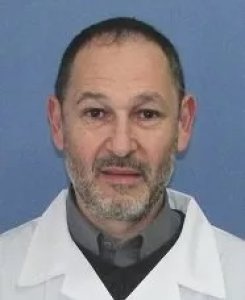
Zvi Cohen
El Prof. Zvi Cohen es director del Departamento de Neurocirugía y de la Unidad de Neurooncología del Centro Médico Sheba. Neurocirujano y experto en neurooncología, fue incluido en la lista de los Mejores Médicos 2025 de Forbes Israel. Lidera investigación clínica sobre terapias farmacológicas para tumores cerebrales malignos y fundó el banco de tejidos de tumores cerebrales de Sheba.
Es especialista certificado en neurocirugía. Se formó en la Universidad de Tel Aviv y realizó subespec

Felix Bokstein
Como jefa de la Clínica de Neurooncología del Centro Médico Sourasky, la Dra. Bokstein es experta en el diagnóstico y tratamiento de tumores cerebrales y espinales raros.
- Especializada en neurooncología, centrándose en afecciones cerebrales complejas como el cavernoma
- Dirige una clínica dedicada en el principal Centro Médico Sourasky de Israel
- Aporta una profunda experiencia en consultas de neurocirugía

Roth Jonathan
El Dr. Roth es un neurocirujano pediátrico especializado en cirugía endoscópica de base de cráneo y ventricular en el Cornell Medical Center. Es miembro de varias prestigiosas sociedades internacionales de neurocirugía.
- Más de _doctor_3483_años_ de experiencia en neurocirugía y neurocirugía pediátrica
- Completó una beca especializada en NYU Langone Health para neurocirugía pediátrica
- Beca en cirugía endoscópica de base de cráneo y ventricular en el Cornell Medical Center, Nueva York
- Miembro de la Sociedad Europea de Neurocirugía Pediátrica y de la Federación Internacional de Neuroendoscopia
- Trabaja en el Centro Médico Sourasky (Ichilov) en Tel Aviv

Margalit Navo
El Prof. Margalit Navo ha realizado más de 70 cirugías exitosas de meningioma y más de 100 extirpaciones de tumores de base de cráneo en el Centro Médico Sourasky.
- Dirige el Departamento de Neurocirugía en Ichilov
- Especializado en técnicas endoscópicas mínimamente invasivas
- Formado en cirugía avanzada de base de cráneo en EE. UU.
- Miembro de la Sociedad Norteamericana de Base de Cráneo
Compartir contenido
Historias en video de pacientes de Bookimed
 Olena Sikoza
Preguntas frecuentes sobre el tratamiento de Cavernoma en Israel
¿Qué opciones de tratamiento quirúrgico y no quirúrgico están disponibles para los cavernomas en Israel?
Los neurocirujanos israelíes tratan los cavernomas mediante resección microquirúrgica avanzada y radiocirugía no invasiva Gamma Knife. Las clínicas especializadas utilizan navegación por resonancia magnética intraoperatoria y neuronavegación para garantizar la precisión. Centros de gran volumen como el Sourasky Medical Center y el Assuta Medical Center brindan atención integral tanto a adultos como a niños.
- Resección quirúrgica: Los cirujanos utilizan microscopios quirúrgicos de alta potencia para una extirpación precisa.
- Navegación quirúrgica: La navegación por resonancia magnética intraoperatoria proporciona un mapeo en tiempo real durante las operaciones.
- Radiocirugía estereotáctica: Dosis precisas de radiación reducen los riesgos de sangrado futuro sin necesidad de cirugía.
- Extirpación endoscópica: Las técnicas mínimamente invasivas permiten el acceso al tumor a través de la cavidad nasal.
Perspectiva del experto de Bookimed: Si bien las instituciones públicas como Sourasky realizan más de 34 000 operaciones al año, los pacientes a menudo eligen centros privados como Assuta para acceder a tecnología específica. Assuta realiza más de 92 000 operaciones al año y ofrece tiempos de espera más cortos para los procedimientos Gamma Knife. Este alto volumen quirúrgico es un indicador clave de la seguridad de los procedimientos en los depart
¿Cómo determinan los centros israelíes si mi cavernoma ha sangrado y si es necesario un tratamiento?
Neurocirujanos expertos en Israel confirman el sangrado del cavernoma y la necesidad de tratamiento mediante resonancia magnética de alto campo de 3 Teslas y un mapeo detallado de los síntomas localizados. Los médicos utilizan imágenes ponderadas por susceptibilidad para detectar anillos de hemosiderina. Siguen la regla de las dos hemorragias para las lesiones profundas con el fin de equilibrar el riesgo quirúrgico frente a la seguridad neurológica.
- Protocolos de imagen: Los centros utilizan RM de 3T con imágenes ponderadas por susceptibilidad para detectar microhemorragias.
- Mapeo de síntomas: Los especialistas relacionan los nuevos déficits neurológicos focales directamente con la ubicación del cavernoma.
- Zonas elocuentes: Las lesiones del tronco encefálico suelen requerir dos hemorragias sintomáticas antes de que los cirujanos recomienden una intervención.
- Precisión quirúrgica: Cirujanos como el Dr. Zvi Cohen utilizan RM intraoperatoria para una máxima seguridad en la resección.
Perspectiva del experto de Bookimed: Los departamentos de neurocirugía israelíes priorizan la RM de 3 Teslas sobre las exploraciones estándar porque revelan depósitos de hemosiderina en forma de palomitas de maíz. Estos depósitos son los únicos marcadores definitivos de hemorragias pasadas. Los datos de centros como el Sourasky Medical Center muestran que la t
¿Con qué precisión pueden los especialistas israelíes localizar mi cavernoma en relación con las funciones cerebrales críticas?
Los especialistas israelíes localizan los cavernomas con precisión milimétrica utilizando sistemas avanzados de neuravegación e imágenes en 3D. Los centros médicos logran una precisión diagnóstica de hasta el 99% para estas patologías. Los cirujanos mapean las lesiones en relación con las áreas cerebrales elocuentes para garantizar la máxima seguridad durante procedimientos neuroquirúrgicos complejos.
- Estándar de oro en imágenes: Las secuencias de eco de gradiente ponderadas en T2 proporcionan una sensibilidad diagnóstica cercana al 100%.
- Mapeo de la sustancia blanca: La imagen por tensor de difusión (DTI) visualiza los tractos vitales a pesar de los artefactos de hemosiderina.
- Monitoreo intraoperatorio: Los especialistas utilizan EEG y EMG en tiempo real para monitorear las vías neuronales.
- Precisión de navegación: Los sistemas de neuravegación integrados con fMRI logran tasas de error inferiores a 2 mm.
Perspectiva del experto de Bookimed: Los departamentos de neurocirugía israelíes, como el Sourasky Medical Center, integran la resonancia magnética intraoperatoria con la resección guiada por imágenes. Esto es vital porque el tejido cerebral se desplaza una vez que se abre el cráneo. Las imágenes en tiempo real garantizan que la precisión diagnóstica del 99% se traduzca en precisión quirúrgica, incluso si el cavernoma se mueve ligerame
¿Quiénes son los expertos neuroquirúrgicos reconocidos para el tratamiento de cavernomas en Israel?
Los expertos neuroquirúrgicos reconocidos para el tratamiento de cavernomas en Israel incluyen al Prof. Margalit Navo, al Prof. Zvi Cohen y al Dr. Roth Jonathan. Estos especialistas operan en instituciones acreditadas por la JCI, como el Sourasky Medical Center y el Sheba Medical Center. Emplean técnicas avanzadas como el Gamma Knife y la microcirugía para patologías vasculares.
- Prof. Margalit Navo: Dirige la neurocirugía en Sourasky. Experto en patologías vasculares complejas y cirugía de base de cráneo.
- Prof. Zvi Cohen: Dirige la neurocirugía en Sheba. Especializado en resecciones tumorales guiadas por imagen y biopsias estereotácticas.
- Dr. Roth Jonathan: Especializado en casos de cavernomas pediátricos. Formado en el Cornell Medical Center y la NYU.
- Dr. Andry Key: Aporta más de 45 años de experiencia. Reconocido con el premio AANS Ronald Bittner.
Perspectiva del experto de Bookimed: El Sourasky Medical Center destaca por su gran escala, realizando 34.000 operaciones al año. Mientras que Sheba es conocido por la investigación clínica, Sourasky mantiene una tasa de éxito del 90% en casos oncológicos y vasculares complejos. Este alto volumen a menudo se traduce en resultados más consistentes para malformaciones vasculares raras como los cavernomas.
Consenso de los pacientes: Los pacientes enfatizan la necesidad d
¿Qué resultados a largo plazo y tasas de éxito pueden esperar los pacientes?
Los pacientes que se tratan de cavernomas en Israel pueden esperar altas tasas de éxito. Los cavernomas superficiales muestran resultados favorables a largo plazo en más del 90% de los casos mediante microcirugía. Los especialistas suelen lograr resultados sin convulsiones en el 85% de los casos después de cinco años. Las técnicas avanzadas como la radiocirugía Gamma Knife previenen con éxito el resangrado en aproximadamente el 70% al 85% de los casos.
- Éxito quirúrgico: Una tasa de éxito superior al 90% para lesiones superficiales elimina eficazmente los riesgos de sangrado futuro.
- Control de convulsiones: Aproximadamente el 85% de los pacientes permanecen sin convulsiones cinco años después de una resección quirúrgica exitosa.
- Prevención de sangrado: La radiocirugía Gamma Knife previene hemorragias recurrentes en el 70% al 85% de los pacientes tratados.
- Recuperación del tronco encefálico: Los especialistas informan tasas de recuperación completa del 50% al 70% para resecciones complejas de cavernomas del tronco encefálico.
Perspectiva del experto de Bookimed: Los datos muestran que los centros israelíes como el Sourasky Medical Center gestionan volúmenes masivos de pacientes con más de 34,000 operaciones anuales. Esta alta frecuencia crea una brecha de experiencia significativa. Por ejemplo, la Dra. Margalit Navo ha realizado más de 10
¿Deben mis familiares someterse a un examen o a pruebas genéticas?
Se recomiendan el cribado y las pruebas genéticas si un familiar tiene múltiples lesiones o una mutación hereditaria conocida. Las malformaciones cavernosas cerebrales (CCM) hereditarias representan del 10% al 20% de los casos. Los neurocirujanos israelíes suelen iniciar el cribado con una resonancia magnética cerebral para todos los familiares biológicos de primer grado.
- Cribado dirigido: La resonancia magnética cerebral identifica lesiones silenciosas en el 33% de los casos familiares.
- Protocolo en cascada: Las pruebas comienzan con el familiar afectado para identificar mutaciones específicas.
- Lesiones múltiples: Si una resonancia magnética muestra varios cavernomas, las pruebas genéticas suelen ser obligatorias.
- Asesoramiento genético: Los neurogenetistas en centros acreditados por la JCI guían a las familias a través de los riesgos de herencia.
Perspectiva de expertos de Bookimed: Los datos sugieren que las clínicas especializadas en Israel, como el Sourasky Medical Center (Ichilov) o el Sheba Medical Center, son preferibles para estos casos. Estos centros albergan bancos dedicados de tumores cerebrales y unidades de neurooncología dirigidas por expertos como el Dr. Zvi Cohen. Aunque los casos esporádicos rara vez necesitan genética, estas clínicas encuentran frecuentemente múltiples lesiones en familiares que pasarían desapercibida
¿Cuándo se elige la craneotomía con paciente despierto frente a otras técnicas?
La craneotomía con paciente despierto se elige cuando lesiones como los cavernomas residen en regiones cerebrales elocuentes. Estas áreas controlan el movimiento, el habla o la visión. Mantener a los pacientes conscientes permite realizar un mapeo funcional en tiempo real. Esta técnica minimiza el riesgo de déficits neurológicos permanentes. Es el estándar de oro para la resección de alta precisión.
- Mapeo funcional: Los cirujanos estimulan el tejido cerebral para identificar con precisión los centros críticos del habla y la motricidad.
- Resección máxima: La retroalimentación en tiempo real permite una eliminación más amplia mientras se protege el tejido cerebral sano y funcional.
- Recuperación rápida: Los pacientes evitan los riesgos de la anestesia profunda y, por lo general, permanecen en el hospital de 1 a 3 días.
- Indicaciones clínicas: Esencial para lesiones cerca del área de Broca, la corteza motora o focos de epilepsia refractaria.
Perspectiva del experto de Bookimed: Los centros neuroquirúrgicos israelíes como el Sourasky Medical Center (Ichilov) aprovechan sus enormes volúmenes quirúrgicos —realizando más de 34 000 operaciones al año— para perfeccionar los protocolos de paciente despierto. Cirujanos experimentados como el Dr. Zvi Cohen en Sheba integran la resonancia magnética intraoperatoria con el mapeo durante la vigilia. Este
¿Por qué Israel es uno de los principales destinos para la neurocirugía?
Israel es un centro líder en neurocirugía gracias a su combinación de avances médicos de alta tecnología y una experiencia quirúrgica de primer nivel. Instalaciones avanzadas como el Centro Médico Sheba utilizan sistemas de navegación basados en IA y resonancia magnética intraoperatoria en tiempo real. Centros especializados reportan una tasa de éxito del 98% en procedimientos complejos, como la craneotomía con el paciente despierto y el tratamiento de trastornos del movimiento.
- Tecnología avanzada: Las clínicas utilizan ultrasonido enfocado guiado por resonancia magnética (MRgFUS) y sistemas robóticos para realizar incisiones.
- Experiencia quirúrgica: Cirujanos como el Dr. Zvi Ram lideran asociaciones internacionales con más de 25 años de experiencia.
- Acceso rápido: Los pacientes internacionales generalmente pueden programar cirugías complejas de cerebro o columna en un plazo de 2 a 4 semanas.
- Atención médica acreditada: Grandes centros como Sourasky (Ichilov) y Assuta están acreditados por la JCI, lo que confirma su seguridad.
Opinión experta de Bookimed: Los datos muestran una clara diferencia entre las opciones de tratamiento públicas y privadas en Israel. Centros privados, como el Centro Médico Assuta, realizan más de 92.000 cirugías al año y permiten a los pacientes elegir a un cirujano líder específico. Esto supone una ventaja signi
¿Qué tipos de enfermedades neuroquirúrgicas se tratan en Israel?
Los neurocirujanos israelíes tratan una amplia gama de afecciones, desde tumores cerebrales y de médula espinal hasta trastornos funcionales complejos. Los centros especializados utilizan tecnologías de vanguardia, como el bisturí de rayos gamma, la estimulación cerebral profunda y la resonancia magnética intraoperatoria, para un diagnóstico altamente preciso de la epilepsia, la enfermedad de Parkinson y las patologías cerebrovasculares.
- Enfermedades oncológicas: tratamiento de gliomas, meningiomas y tumores hipofisarios mediante resección de la base del cráneo.
- Trastornos funcionales: tratamiento de la enfermedad de Parkinson y del temblor esencial mediante estimulación cerebral profunda.
- Patologías de columna: corrección de escoliosis, hernias discales y tumores espinales mediante sistemas robóticos.
- Tratamiento de las enfermedades cerebrovasculares: tratamiento quirúrgico de aneurismas cerebrales y malformaciones arteriovenosas mediante intervenciones endovasculares.
- Neurocirugía pediátrica: atención especializada en hidrocefalia y anomalías congénitas en centros pediátricos especializados.
Opinión experta de Bookimed: Los hospitales israelíes suelen combinar diversas especialidades para abordar casos complejos. En el Centro Médico Sourasky, neurocirujanos como el Dr. Zvi Lidar combinan neurocirugía y ortopedi
¿Qué hospitales en Israel son más conocidos por sus departamentos de neurocirugía?
Israel alberga centros neuroquirúrgicos de renombre mundial, como el Centro Médico Sourasky, el Centro Médico Sheba y el Centro Médico Hadassah. Estas instituciones son líderes mundiales en el tratamiento de tumores cerebrales complejos, enfermedades de la columna vertebral y trastornos del movimiento. Utilizan tecnologías de vanguardia como el bisturí de rayos gamma, sistemas robóticos y resonancia magnética intraoperatoria.
- Suraski (Ichilov): realiza más de 2.500 operaciones neuroquirúrgicas al año en Tel Aviv con una tasa de éxito del 98%.
- Centro Médico Sheba: clasificado entre los diez mejores hospitales del mundo, trata a 1,9 millones de pacientes al año.
- Centro Médico Hadassah: Nominado al Premio Nobel de la Paz. Líder en neurocirugía pediátrica y terapia génica.
- Centro Médico Assuta: el centro médico privado más grande de Israel. Especializado en cirugías mínimamente invasivas de columna y cerebro.
- Hospital Infantil Schneider: un centro líder en neurocirugía pediátrica que trata a 275.000 niños al año.
Opinión experta de Bookimed: Nuestros datos muestran que, si bien la mayoría de los pacientes buscan tratamiento en Tel Aviv, el Centro Médico Rambam en Haifa ofrece una atención única para neurotraumatismos. Cuenta con una unidad especializada en cuidados neurocríticos que atiende a aproximadamente un milló