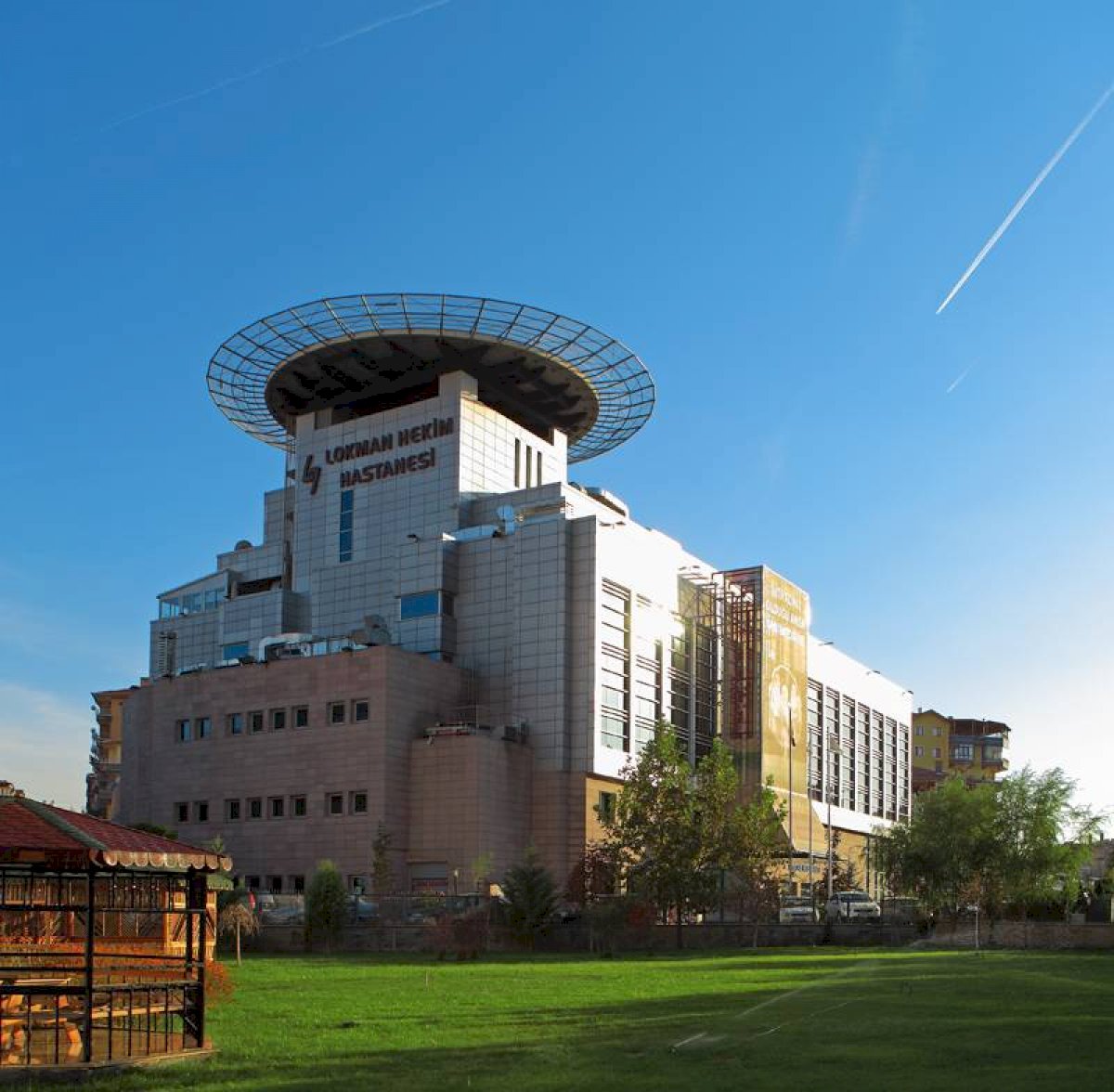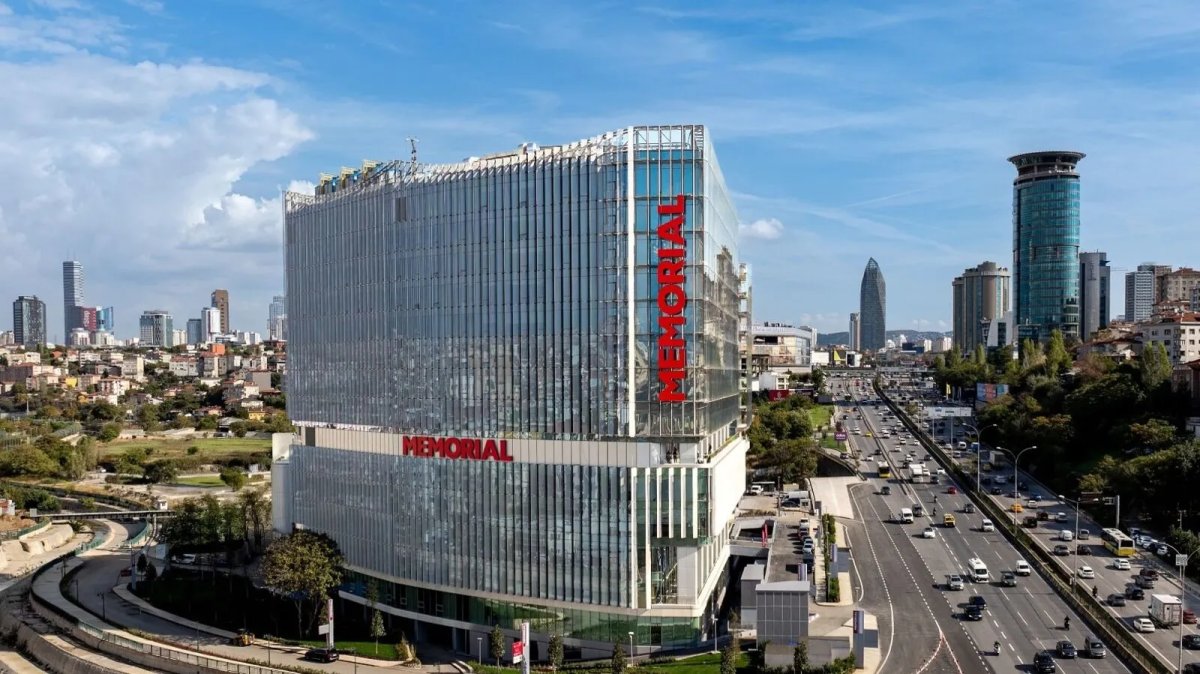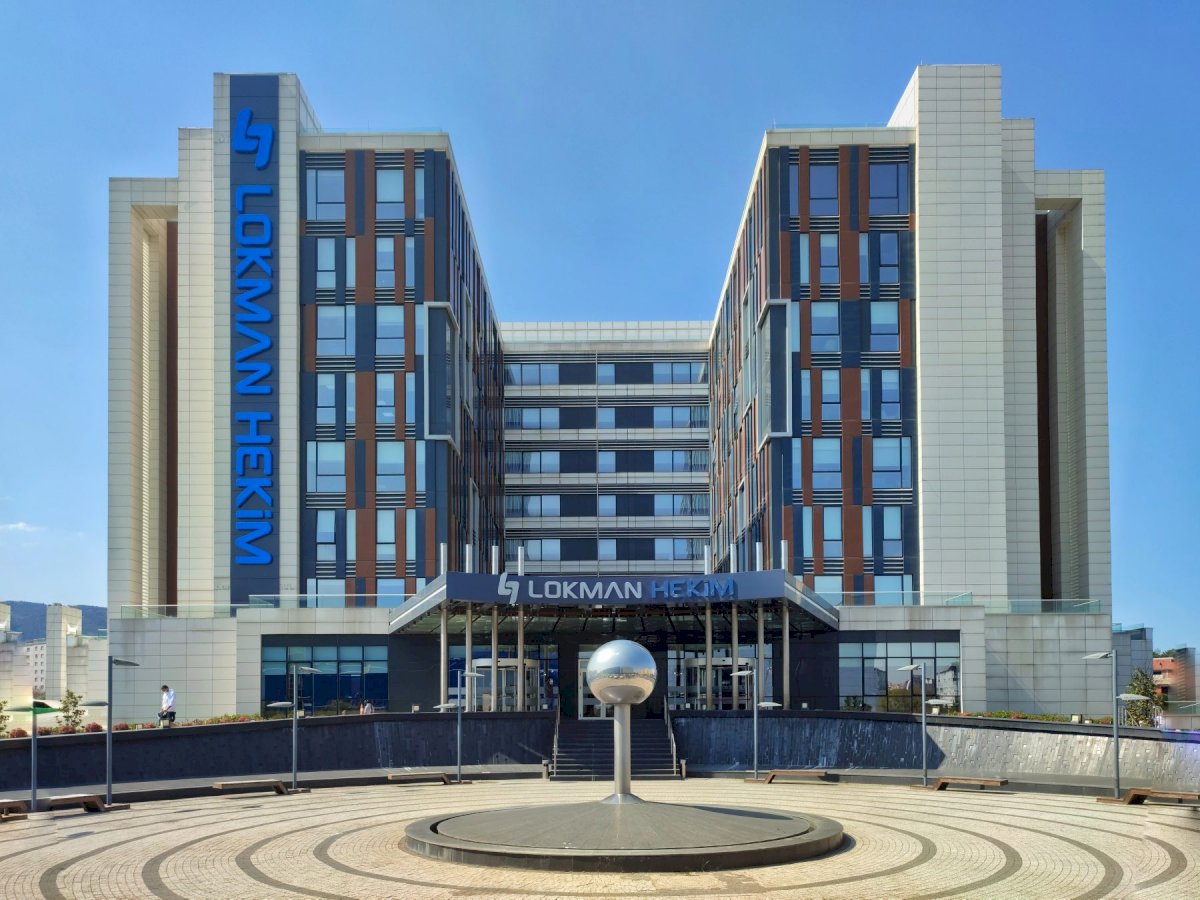
Hospital Lokman Hekim de Estambul (Lokman Hekim Istanbul Hospital)
Turquía, Estambul
Clínica certificada por : 



Revisado médicamente por
Fahad Mawlood
El costo del tratamiento de la obesidad en Turquía varía dependiendo de los procedimientos específicos y servicios incluidos en el plan de tratamiento. La cirugía de manga gástrica tiene un precio de 3.000 €, mientras que un paquete para la cirugía de bypass gástrico, que incluye gastos hospitalarios y alojamiento en hotel, cuesta 4.700 €. Para procedimientos más avanzados, como el bypass gástrico asistido por robot, el costo puede alcanzar los 5.600 €. Además, un paquete de gastrectomía en manga, que incluye pruebas preoperatorias, traslados VIP y una sesión de asesoramiento nutricional de un mes, está disponible por 6.100 €. El plan de tratamiento se personaliza para cada paciente tras una evaluación exhaustiva por parte del equipo médico.

El Dr. Murat Yaman es un experimentado cirujano plástico y estético. Es conocido por su experiencia en cirugías de abdominoplastia y el empleo de técnicas quirúrgicas avanzadas para obtener resultados óptimos. Ha realizado un número impresionante de diversas cirugías, incluyendo más de 1 500 operaciones de nariz y aumento de senos, 500 estiramientos faciales, 1 000 cirugías de lifting, y alrededor de 1 000 liposucciones utilizando la tecnología VASER lipo.

El profesor asociado Burcin Batman ha realizado más de 1.100 cirugías de obesidad con una notable tasa de complicaciones del 0,1% en el Hospital Hisar Intercontinental.
La Dra. Aysel Pasazade es cirujana plástica, reconstructiva y estética. Se graduó en la Facultad de Medicina Cerrahpaşa de la Universidad de Estambul y se especializó en la Facultad de Medicina de la Universidad de Bursa Uludağ. Posee la certificación de la Junta Europea de Cirugía Plástica, Reconstructiva y Estética (EBOPRAS).
Ha trabajado en hospitales universitarios y clínicas privadas. Asiste a congresos internacionales, cursos de cirugía en vivo y formación avanzada, lo que mantie

El Dr. Muhammet Mustafa Aydinol es cirujano plástico en Dr. MED en Estambul. Se especializa en mommy makeovers, BBL y aumento de senos. El Dr. Aydinol es miembro de la Sociedad Internacional de Cirugía Plástica Estética (ISAPS). Utiliza técnicas VASER y lipomatic para un contorno corporal preciso. Estos métodos ayudan a crear una apariencia abdominal estrecha y atlética.

Escrito por Ana Hurevska

Escrito por Veronika Kazina
 Olena Sikoza
La cirugía bariátrica en Turquía es segura cuando se realiza en hospitales acreditados por la JCI por cirujanos experimentados. Centros de primer nivel como el Anadolu Medical Center están afiliados a Johns Hopkins Medicine. Los principales cirujanos turcos suelen realizar más de 1.000 procedimientos de obesidad. Las tasas de éxito en procedimientos como la manga gástrica alcanzan el 95%.
Perspectiva del experto de Bookimed: Los hospitales de alto volumen en Turquía ofrecen una ventaja de seguridad que a menudo se pasa por alto. Nuestros datos muestran que el Anadolu Medical Center atiende a 65.000 pacientes al año con más de 150 médicos. Esta escala masiva permite contar con equipos altamente especializados que manejan casos complejos a diario. Elegir estos centros académicos establecidos en lugar de pequeñas clínicas privadas reduce sig
Los candidatos a la cirugía de obesidad en Turquía generalmente requieren un Índice de Masa Corporal (IMC) de 30 o más. Algunas clínicas aceptan un IMC de 27 con comorbilidades relacionadas con el peso, como diabetes o hipertensión. Los pacientes deben tener entre 18 y 65 años y demostrar un peso estable durante al menos 3 meses.
Perspectiva de expertos de Bookimed: Los centros bariátricos turcos como el Hospital Hisar Intercontinental y el Centro Médico Anadolu ofrecen una aprobación de candidatura más rápida en comparación con las instalaciones europeas o estadounidenses. Mientras que los protocolos de EE. UU. a menudo requieren 6 meses de dieta supervisada, los especialistas turcos a menudo brindan la aprobación el mismo día después de revisar los escaneos digitales
La cirugía de manga gástrica elimina el 80% del estómago para limitar la ingesta de alimentos y reducir las hormonas del hambre. El bypass gástrico crea una pequeña bolsa y redirige el intestino delgado para restringir la comida y disminuir la absorción de calorías. Ambos procedimientos se realizan por laparoscopia en Turquía con altas tasas de éxito.
Perspectiva de expertos de Bookimed: Los datos de los principales centros turcos muestran un enfoque en el apoyo a largo plazo más allá de la cirugía en sí. Por ejemplo, la Clínica Lotus Bariatrics y Samet Yardimci incluyen un año de apoyo nutricional o comidas postoperatorias especializadas. Este período de transición es vital porque, aunque el bypass ayuda a controlar los antojos de dulces mediante la malabsorción, el éxito de la manga depende en gran medida de la disciplina dietética desarrollada durante ese primer año.
Consenso de los pacientes: Los pacie
La cirugía de pérdida de peso en Turquía suele requerir una estancia de 5 a 10 días. La mayoría de los procedimientos laparoscópicos, como la manga gástrica o el bypass, implican 3 noches en el hospital. Los pacientes suelen permanecer en un hotel cercano durante otros 2 a 5 días para la recuperación inicial y los exámenes de seguimiento.
Perspectiva del experto de Bookimed: Aunque muchos esperan una salida rápida, los centros de primer nivel como el Anadolu Medical Center y el Hisar Hospital Intercontinental mantienen un protocolo estricto de 3 noches en el hospital. Esta duración no se debe a una curación lenta, sino a garantizar la seguridad del paciente antes de volar. Nuestros datos muestran que las clínicas con acreditación JCI rara vez acortan este periodo, ya que permite realizar pruebas de imagen postoperato
Los tratamientos no quirúrgicos para la obesidad en Turquía incluyen balones gástricos (Allurion, MedSil, Spatz3), gastroplastia endoscópica y medicamentos GLP-1. Los hospitales acreditados por la JCI en Estambul ofrecen estos procedimientos. Los tratamientos a menudo cuentan con apoyo de nutricionistas. Las herramientas de monitoreo digital, como relojes conectados y básculas, ayudan a realizar un seguimiento del progreso de la pérdida de peso a largo plazo.
Perspectiva del experto de Bookimed: Los datos muestran un cambio importante hacia el balón ingerible Allurion porque no requiere anestesia ni endoscopia. Mientras que los balones tradicionales como MedSil cuestan alrededor de $2,800, el sistema Allurion cuesta un promedio de $3,100 en clínicas como Lotus Bariatrics. Esta diferencia de $300 cubre la tecnología de monitoreo remoto que ayuda a los pacientes a mantener una tasa de éxito del 95%.
Consenso de los pacientes: