Obesidad en Austria: clínica verificada para su tratamiento


Revisado médicamente por
Fahad Mawlood
¿Cuál es el precio del diagnóstico y los tratamientos de Obesidad en Austria? Descubra ahora
El costo del tratamiento de la obesidad en Austria depende del procedimiento metabólico específico y de la profundidad del diagnóstico requerido. Una consulta de cirugía bariátrica de $180 a $350 suele preceder a las intervenciones quirúrgicas. Los procedimientos comunes como la cirugía de manga gástrica oscilan entre $9,800 y $13,800, mientras que un bypass gástrico va desde $11,500 hasta $15,500. Los costos varían según el nivel de la clínica y la clase de IMC. Los pacientes a menudo ahorran entre un 20 y un 30% en comparación con las tarifas de la atención médica privada en EE. UU. Viena y Graz son los principales destinos para estos tratamientos.
Costos típicos del tratamiento de la obesidad en Austria
- Consulta de cirugía bariátrica: $180 – $350
- Análisis de sangre para perfil hormonal: $150 – $380
- ECG: de $60
- Examen genético: $900 – $2,400
- Cirugía de manga gástrica: $9,800 – $13,800
- Bypass gástrico: $11,500 – $15,500
- Balón gástrico: $4,300 – $6,200
- Banda gástrica: $7,800 – $10,500
- Gastroplastia endoscópica en manga: $6,800 – $9,200
- Cirugía de manga gástrica Da Vinci: $11,500 – $15,500
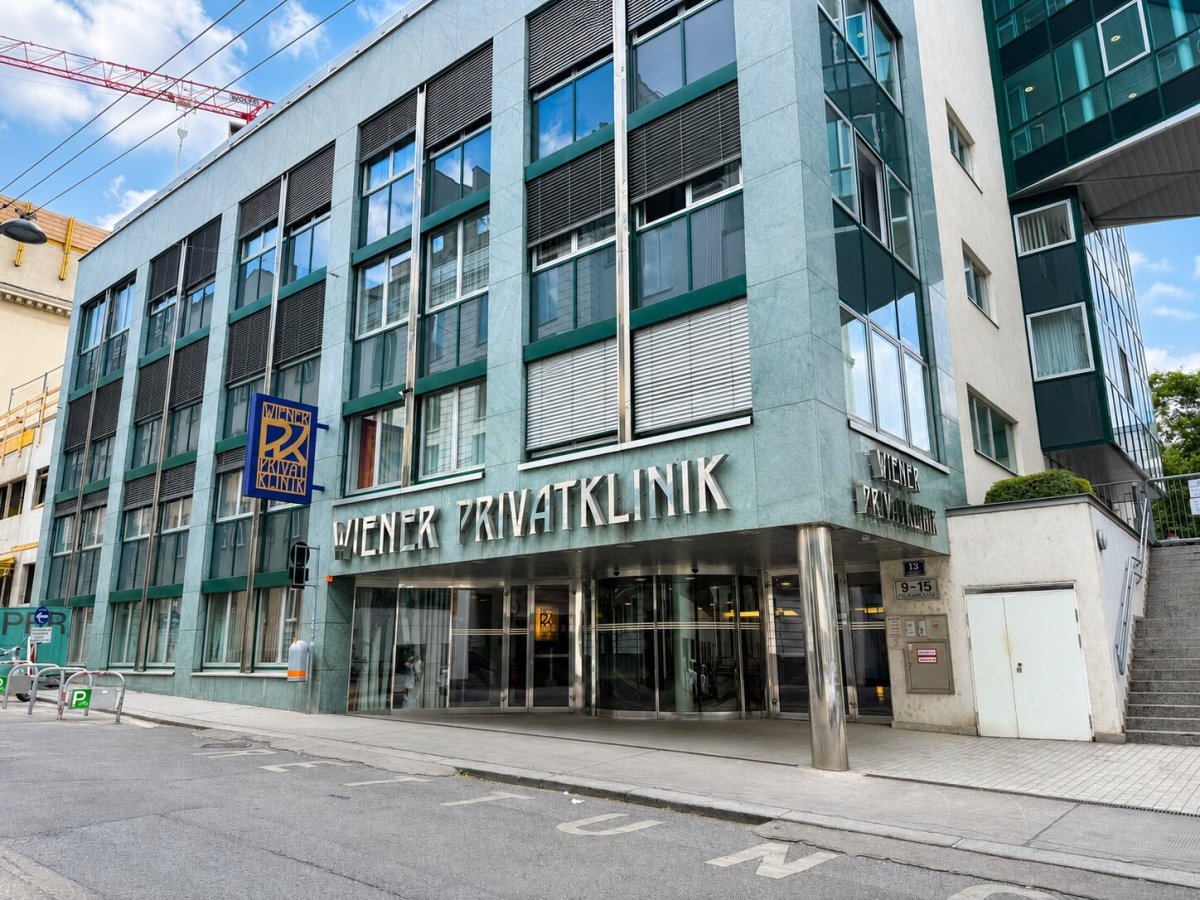
Perspectiva de expertos de Bookimed: Para los pacientes que requieren una alta experiencia quirúrgica, el Hospital General de Viena (AKH) es ideal. El profesor Gerhard Prager ha realizado más de 3,000 operaciones de obesidad allí. Aquellos que buscan una atención más personalizada pueden preferir la Wiener Privatklinik. Ofrece acceso a los mejores profesores de la Universidad Médica de Viena en un entorno boutique. Los casos complejos se benefician más de estos especialistas afiliados a la universidad, quienes manejan tanto los impactos metabólicos como los circulatorios.
| Austria | España | Turquía | |
|---|---|---|---|
| Gastroplastia endoscópica en manga (ESG) | ≈ $6,800 | de $11,200 | de $5,900 |
| Derivación biliopancreática | ≈ $16,500 | ≈ $12,500 | de $6,000 |
| Cirugía de manga gástrica (Gastrectomía en manga) | ≈ $9,800 | de $13,400 | de $3,000 |
| Cirugía de bypass gástrico Da Vinci | ≈ $14,500 | ≈ $11,500 | de $9,700 |
| Cirugía de Manga Gástrica Da Vinci | ≈ $11,500 | ≈ $8,200 | de $8,000 |
Sus beneficios y garantías con Bookimed
Precios directos
Bookimed no añade cargos extra a los precios de los tratamientos de Obesidad. Las tarifas proceden de las listas de precios oficiales de las clínicas. Pagará directamente en la clínica por su tratamiento a su llegada al país.
Sólo clínicas y médicos verificados
Bookimed está comprometido con su seguridad. Solo trabajamos con las clínicas que mantienen altos estándares internacionales en el tratamiento de Obesidad y cuentan con las licencias necesarias para atender a pacientes internacionales en todo el mundo.
Asistencia 24/7 gratuita
Bookimed ofrece asistencia experta gratuita. Un coordinador médico personal le apoya antes, durante y después de su tratamiento, resolviendo cualquier problema. Nunca estará solo en su viaje médico de tratamiento de Obesidad.

Su coordinador médico personal de Bookimed
- Le apoya en cada etapa
- Ayuda a elegir la clínica y el médico adecuados
- Asegura un acceso rápido y conveniente a la información
Descubra las mejores clínicas de tratamiento de Obesidad en Austria: 1 opciones verificadas y Precios




Obtenga una evaluación médica para Obesidad en Austria: consulte con doctores experimentados ahora
Ver todos los médicos
Gerhard Prager
El profesor Prager ha realizado más de 3.000 cirugías bariátricas, siendo uno de los especialistas con mayor experiencia en Europa en el tratamiento de la obesidad.
- Jefe de la Clínica Ambulatoria de Obesidad del Hospital General de Viena
- Presidente del Capítulo Europeo de la IFSO
- Especializado en todo tipo de procedimientos bariátricos
- Miembro de múltiples sociedades internacionales de cirugía bariátrica
Artículos relacionados

Las 12 preguntas más frecuentes sobre la cirugía para bajar de peso
Escrito por Ana Hurevska

¿Cómo afecta la obesidad a su cuerpo y su salud?
Escrito por Veronika Kazina
Compartir contenido
Historias en video de pacientes de Bookimed
 Olena Sikoza
Preguntas frecuentes sobre el tratamiento de Obesidad en Austria
¿Cuáles son los requisitos médicos para la cirugía bariátrica en Austria?
En Austria, los requisitos médicos para someterse a cirugía bariátrica incluyen un índice de masa corporal (IMC) de 40 o superior. Los pacientes con un IMC entre 35 y 40 pueden ser candidatos a la cirugía si padecen afecciones relacionadas con la obesidad, como diabetes tipo 2, hipertensión arterial o enfermedades articulares graves.
- Historial de pérdida de peso: Se han documentado intentos fallidos de pérdida de peso sin cirugía durante más de 2 años.
- Evaluación psicológica: Evaluación obligatoria que confirma la preparación psicológica para cambios en el estilo de vida a largo plazo.
- Informes médicos: Es necesario realizar exámenes a endocrinólogos para descartar causas hormonales.
- Preparación nutricional: Realización de las consultas dietéticas obligatorias previas al procedimiento quirúrgico.
Opinión experta de Bookimed: La amplia experiencia es un indicador clave de calidad en Viena. El profesor Dr. Gerhard Prager ha realizado más de 3000 cirugías bariátricas en el Hospital General de Viena. Elegir cirujanos con tanta experiencia suele estar relacionado con un postoperatorio más exitoso y un mejor resultado metabólico a largo plazo.
Consenso de los pacientes: Los pacientes destacan la importancia de mantener registros detallados de sus terapias y la correspondencia con los especialistas durante al menos dos añ
¿Está cubierta la cirugía bariátrica por el seguro público de salud austriaco?
El seguro público de salud austriaco cubre la cirugía bariátrica si es médicamente necesaria. Por lo general, los pacientes deben tener un índice de masa corporal (IMC) superior a 40. Quienes tengan un IMC superior a 35 pueden optar a la cirugía si padecen afecciones médicas subyacentes graves, como diabetes tipo 2 o hipertensión. Se requiere autorización previa.
- Criterios de aprobación: Índice de masa corporal superior a 40 o superior a 35 en presencia de afecciones médicas graves.
- Evidencia clínica: Los pacientes deben documentar los intentos fallidos de perder peso con la terapia.
- Informes médicos: Los informes requeridos incluyen evaluaciones psiquiátricas e informes dietéticos.
- Procedimientos cubiertos: Por lo general, el seguro cubre las opciones de bypass gástrico y gastrectomía en manga.
Opinión de expertos de Bookimed: Especialistas como el Dr. Gerhard Prager han realizado más de 3000 intervenciones. Dirige la Clínica de Obesidad del Hospital General de Viena. Si bien muchos hospitales públicos ofrecen tratamiento, elegir un especialista con amplia experiencia garantiza los mejores resultados. Los pacientes deben verificar si sus cirujanos ocupan cargos de liderazgo internacional. Algunos ejemplos son la Federación Internacional de Cirugía de la Obesidad y los Trastornos Metabólicos.
Comentarios de los pacientes:
¿Se reembolsan las inyecciones de agonistas del receptor GLP-1 para el tratamiento de la obesidad en Austria?
En Austria, las inyecciones de agonistas del GLP-1 generalmente no están cubiertas por el seguro médico para el tratamiento de la obesidad. El Fondo Austriaco de Seguro de Salud (ÖGK) suele cubrir estos medicamentos únicamente para el tratamiento de la diabetes tipo 2. Los pacientes que tratan la obesidad sin padecer diabetes generalmente deben pagar estos medicamentos de su propio bolsillo mediante recetas privadas.
- Criterios de reembolso: Se podrá ofrecer cobertura para un IMC superior a 40 en presencia de comorbilidades graves.
- Distinción clínica: La legislación austriaca distingue entre sobrepeso y obesidad.
- Aprobación individual: Los pacientes necesitan cartas de su médico y especialistas para que la compañía de seguros realice una revisión individual.
- Costes mensuales: Los pacientes privados suelen pagar entre 250 y 400 euros al mes.
Opinión experta de Bookimed: Si bien las opciones farmacológicas presentan dificultades de reembolso, Austria cuenta con una alta concentración de especialistas quirúrgicos para el tratamiento de la obesidad severa. El profesor Dr. Gerhard Prager, del Hospital General de Viena (AKH), ha realizado más de 3000 cirugías bariátricas. Los especialistas con un alto volumen de intervenciones quirúrgicas suelen proporcionar la documentación clínica necesaria para garantizar la idoneidad médica y quirúrgica del
¿Qué programas conservadores de control de peso existen para pacientes que no están preparados para la cirugía?
El tratamiento conservador de la obesidad en Austria se centra en cambios en el estilo de vida bajo supervisión médica y procedimientos no quirúrgicos. Los programas incluyen asesoramiento nutricional, apoyo psicológico y farmacoterapia con fármacos como los agonistas del GLP-1. Los centros especializados de Viena ofrecen opciones endoscópicas, como balones gástricos, y pruebas genéticas para un manejo metabólico individualizado.
- Supervisión médica: Los equipos multidisciplinarios incluyen médicos, dietistas y terapeutas conductuales para garantizar la seguridad.
- Tratamientos endoscópicos: Los balones gástricos y la gastrectomía en manga endoscópica ofrecen opciones restrictivas no quirúrgicas.
- Pruebas de diagnóstico: Los programas utilizan electrocardiogramas, perfiles hormonales y pruebas genéticas para personalizar los planes.
- Asesoramiento de expertos: Especialistas de renombre como el Dr. Gerhard Prager gestionan profesionalmente casos metabólicos complejos.
Opinión experta de Bookimed: Los datos clínicos de Viena destacan la importancia de un alto nivel de especialización para obtener resultados no quirúrgicos. El Dr. Gerhard Prager ha realizado más de 3000 procedimientos para el tratamiento de la obesidad en el Hospital General de Viena. Este nivel de experiencia garantiza que incluso los tratamientos conservadores cuenten con el r
¿Cuánto dura la estancia hospitalaria tras la cirugía bariátrica y cuándo puedo volar a casa?
La mayoría de los pacientes permanecen hospitalizados en Austria entre una y dos noches tras la cirugía bariátrica. Los cirujanos suelen autorizar vuelos cortos entre tres y siete días después de la intervención. Para vuelos de más de cuatro horas, normalmente se requiere un periodo de espera de cuatro a seis semanas para garantizar la seguridad.
- Estancia tras la cirugía de manga gástrica: Los pacientes suelen permanecer hospitalizados 1 noche después de la cirugía de manga gástrica laparoscópica.
- Estancia tras cirugía de bypass gástrico: Los cirujanos suelen requerir 2 noches de observación para asegurar la correcta configuración del tracto digestivo.
- Criterios de alta: Los pacientes deben ser capaces de tolerar la ingesta de líquidos y controlar sus niveles de dolor antes del alta.
- Seguridad en el vuelo: Los vuelos cortos suelen estar permitidos entre 7 y 10 días después del procedimiento.
Opinión experta de Bookimed: Elegir centros universitarios de renombre como el Hospital General de Viena (AKH) brinda acceso a especialistas altamente cualificados. El profesor Gerhard Prager ha realizado más de 3000 cirugías bariátricas. Este nivel de experiencia es fundamental para identificar los signos sutiles de recuperación que determinan si un paciente está en condiciones de volar.
Consentimiento del paciente: Muchos pac
¿Cuáles son los principales riesgos perioperatorios de la cirugía bariátrica en Austria?
La cirugía bariátrica en Austria es segura, con una tasa de supervivencia del 99,7 %. Los principales riesgos perioperatorios incluyen coágulos sanguíneos, fugas anastomóticas y hemorragias. La mayoría de los incidentes ocurren dentro de los 30 días posteriores a la cirugía. Los hombres presentan mayores riesgos debido a afecciones preexistentes, como enfermedades cardiovasculares. Los estrictos protocolos de seguridad en la Unión Europea minimizan estos riesgos.
- Tromboembolia venosa: La embolia pulmonar sigue siendo la principal causa de mortalidad postoperatoria temprana.
- Fugas anastomóticas: Las fugas en los sitios quirúrgicos ocurren en el 0,3% al 3% de los casos.
- Hemorragia interna: El sangrado puede requerir una reintervención quirúrgica urgente o una transfusión de sangre inmediata.
- Control de infecciones: Las infecciones del sitio quirúrgico y la neumonía afectan a menos del 1% de los pacientes.
Opinión de un experto de Bookimed: La seguridad del paciente en Austria está ligada al volumen de intervenciones del cirujano. El profesor Gerhard Prager ha realizado más de 3000 cirugías bariátricas. Los especialistas con un alto volumen de intervenciones suelen trabajar en instituciones acreditadas por JCI o ISO, como la Clínica Privada de Viena. Elegir médicos con más de 200 intervenciones al año reduce significativamente el riesgo de f
¿Qué hospitales austriacos cuentan con equipos de cirugía bariátrica de habla inglesa con experiencia en el tratamiento de pacientes internacionales?
Los hospitales austriacos, como la Clínica Privada de Viena y el Hospital General de Viena, cuentan con equipos de tratamiento de la obesidad que hablan inglés. Estas instituciones brindan atención especializada a pacientes internacionales. Cirujanos expertos, como el Prof. Dr. Gerhard Prager, dirigen equipos multidisciplinarios. Se especializan en procedimientos de bypass gástrico y gastrectomía, siguiendo los altos estándares acreditados por la Joint Commission International (JCI).
- Asesoramiento quirúrgico experto: El profesor Dr. Gerhard Prager ha realizado más de 3.000 cirugías bariátricas.
- Centros clínicos especializados: La Confraternität Privatklinik Josefstadt gestiona un centro especializado en cirugía metabólica.
- Experiencia médica académica: El Hospital General de Viena cuenta con una clínica ambulatoria especializada en el tratamiento de la obesidad.
- Tecnología quirúrgica de vanguardia: Los centros líderes ofrecen el sistema quirúrgico robótico da Vinci para casos complejos.
Opinión experta de Bookimed: La calidad de los servicios en Austria suele estar ligada a los vínculos universitarios. Muchos especialistas destacados de la Clínica Privada de Viena también imparten clases en la Universidad Médica de Viena. Esta doble función garantiza que los pacientes reciban un tratamiento quirúrgico basado en las últimas investigaciones